World War II Glider Assault Tactics
Douban Google Books Goodreads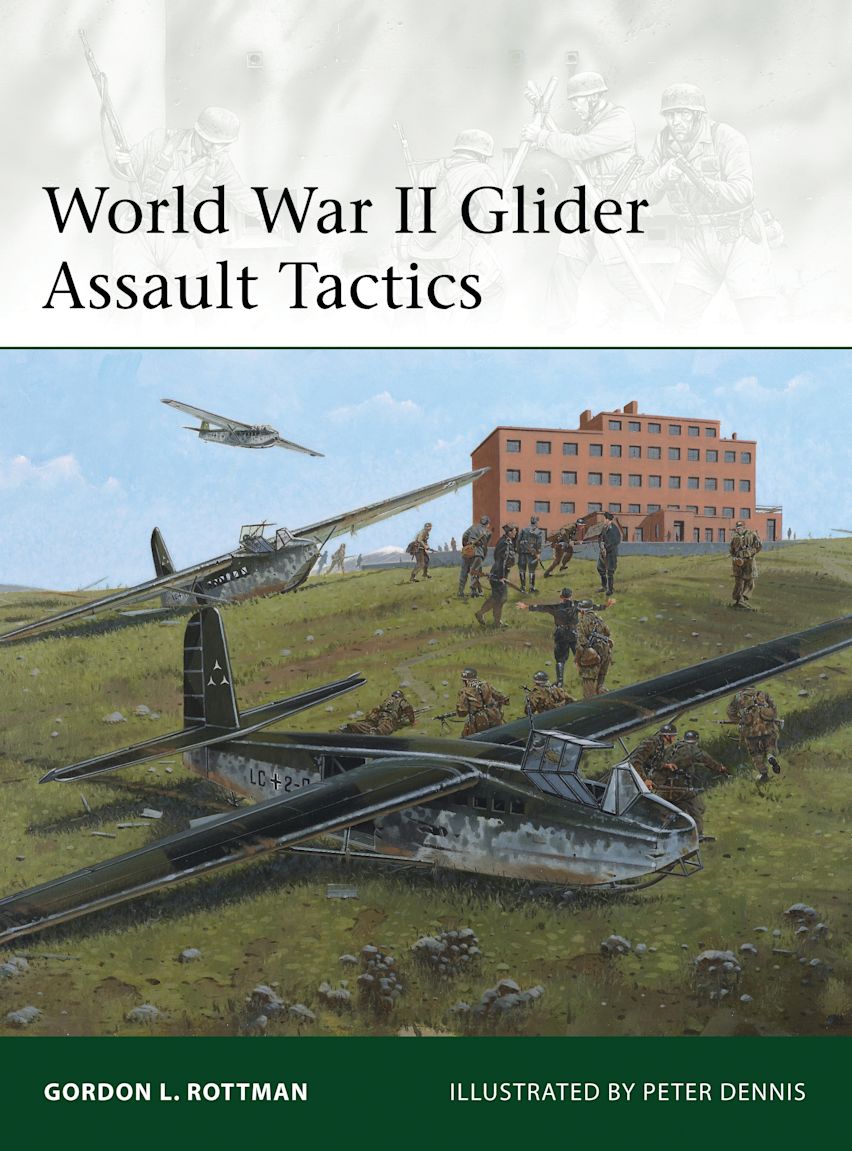
overview
Military gliders came of age in World War II, when glider assault infantry were the forerunners of today's helicopter-delivered airmobile troops. From the light pre-war sports and training machines, several nations developed troop-carrying gliders capable of getting a whole squad or more of infantry, with heavy weapons, onto the ground quickly, with the equipment that paratroopers simply could not carry. They made up at least one-third of the strength of US, British, and German airborne divisions in major battles, and they also carried out several daring coup de main raids and spearhead operations. However, the dangers were extreme, the techniques were difficult, the losses were heavy (particularly during night operations), and the day of the glider assault was relatively brief. This book explains the development and organization of glider troops, their mounts, and the air squadrons formed to tow them, the steep and costly learning-curve and the tactics that such troops learned to employ once they arrived on the battlefield.
contents
Introduction: background/ Gliders, construction and characteristics: the US Waco CG-4A, British Horsa and Hamilcar, German DFS 230, and minor types/ Techniques: take-off, towing, release, landing procedures/ Tug aircraft, types and employment: the US C-47 and German Ju 52. Glider and tug training; the fate of glider pilots after landing/ Strengths and allocation of glider and tug flying units/ Glider-delivered units, their organization, weapons, and equipment: infantry, artillery, engineers, and support units/ Operations: tactical concepts; capabilities and limitations; early difficulties, and lessons learned; key operations examined/ Select bibliography/ Plate commentaries/ Index