Nagisa Ōshima — Playwright (30)
ごぜ・盲目の女旅芸人 (1972) [Movie] Douban
director: 大岛渚
The Village of the Blind Musicians
(Goze : Momoku no Onna)
de Nagisa Ôshima
Japon/1972/25'/VOSTF/Numérique
Documentaire sur des goze, des artistes ayant perdu la vue pendant leur enfance et qui, pour subvenir aux besoins de leurs familles, ont quitté leurs parents pour apprendre l'art du chant et du shamisen.
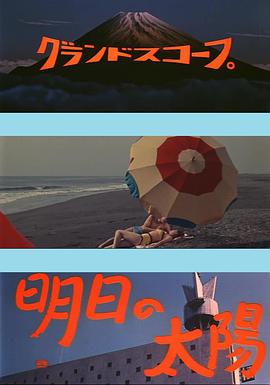
明日的太阳 (1959) [Movie] Douban
明日の太陽
director: 大岛渚 actor: 十朱幸代 / 津川雅彦
other title: 明日の太陽
大岛渚为松竹几位电影新星拍摄的宣传片,其中有津川雅彦、山本丰三、美雪、杉浦直树、九条映子等等。
When Twilight Draws Near (1969) [Movie] Douban
director: 实相寺昭雄 actor: 斎藤憐 / 清水紘治
other title: 宵闇せまれば
宵闇迫る頃の、とあるアパートの一室。この時間は大嫌いだという、四人の学生が集っている。マサアキ、ヤナ、サミーの三人の男子学生と、ジュンたちである。遊びにも捲きた頃、ちょっとしたミスから、ガスの栓が、はずれてしまった。勢よく吹きだすガス。その時、一人が提案した。「ガスを出しっぱなしにして、誰が一番最後まで部屋に残れるか、賭けをしよう」--こうして四人のゲームが始まった。「俺たちは不幸な時代の人間だ。強制収容所もなければ、特高警察もない。人間の限界をはかる極限状況がないんだ。だから、こんな遊びで極限状況をつくって、宵闇迫る、いやな時間をつぶしているのさ」--一人抜け、二人抜けて行く。だがこの頃から、ゲームは遊びではなくなった。ジュンとマサアキが残り、結局最後までがんばったのはマサアキだった。彼は賭け金を取った。そして、すべては終ったと思われたのに突然ジュンがマッチをするうとする。やめろ、という者、ジュンの挑戦を受けようとする者。しかし、その前にジュンが倒れた。窓をあけてガスを外に出す。四人の胸に、生きていることの実感が、こみあげてきたようだ。もう夜のとばりも降りた。隣室から、《宵闇せまれば》が聞こえくる。
The Forgotten Army (1963) [Movie] Douban IMDb
忘れられた皇軍
director: 大岛渚 / 野口秀夫 actor: 永田亮子
other title: 被忘却的皇军 / 忘れられた皇軍
2013年1月、大島渚監督が逝った。「大島渚は不器用で、反国家むきだしにして体を張って闘っていた」そんな大島の魂がこめられたドキュメンタリーが、日本テレビに遺されている。『忘れられた皇軍』(1963年放送) 日本軍属として戦傷を負い、戦後、韓国籍となった旧日本軍の兵士たち。片腕と両眼を失った白衣の傷痍軍人が何の補償も受けられぬまま、街頭で募金を集める…大島は一体何を訴えようとしたのか?当時の制作スタッフや妻・小山明子の証言からひもとき、テレビと映画2つのフィールドで活躍する是枝裕和監督や同時代を生きたジャーナリスト田原総一朗と共に考える。50年を経た今、大島の映像は少しも古びることなく、見る者を激しく揺さぶる。テレビを考え抜いた映画監督、大島の遺言とは?
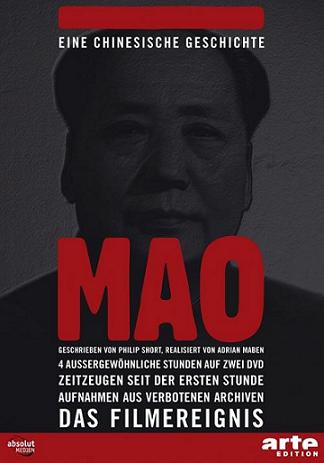
The Life of Mao (2006) [TV] Douban
伝記・毛沢東 Season 1
director: 大岛渚 actor: 大岛渚 / 铃木瑞穗
directed by Adrian Maben and published by NHK, Arte broadcasted as part of NHK Special series in 2006 - English, Japanese Multilanguage narrationalso known as Mao, Une Histoire Chinoise Mao Zedong Mou Taku-tou Mao, Eine Chinesische Geschichte

Information
The 4 films of this series are drawn from the biography written by Philip Short entitled Mao Tsé-Toung (Mao a life) published in the USA, in England, in France and even in China.
Mao Tse tung (other way of writing: Mao Zedong) belongs to the coining/shaping figures of world history. He was a military strategist, politician, visionary, philosopher and a poet at the same time; an ingenious manipulator and propagandist, who understood to connect sensuality, politics and revolution. It has, like Richard Nixon said, "moved a nation and changed the world". Mao governed China 30 years long. He was admired in the own country like a God, in the western world, he was the concept of the enemy to some and modern redeemer and revolutionary idol to those waving their "Mao Bible" in their hands. Until today the icon of Mao has not fallen in China, despite all changes even to a red capitalism. 25 years after his death, combining previously classified Chinese archived material with unseen documents, biographic studies and interviews with people having known Mao himself, a comprehensive film biography in four parts could be created.

01. Against the Tide - Mao's Early Years (1893-1945)

Part one of the series describes Mao Zedong's youth, his formative adulthood, and his consolidation of power. Archival photographs from Mao's childhood and education, film clips from his campaigns against foreign invaders and Chinese nationalists, and lavish, government-produced reconstructions of the Long March detail the drama of those decades. Film excerpts featuring Jiang Qing, the actress who became Mao's fifth wife and a feared political force, highlight the Chairman's unpredictable life choices.


02. The Sorcerer's Apprentice - Founding the Republic (1945-1959)

Part two of the series China: Through Mao's Eyes explores the formation of the People's Republic of China, its complicated relationship with the Soviet Union, and events that prefaced the Cultural Revolution. Footage documenting the turmoil of the Anti-Rightist movement, China's role in the Korean War, and the misnamed Great Leap Forward reveals Mao's uneven leadership as the young nation struggled to define itself. Interviews with close associates illuminate the Chairman's personal side, including his unusual eating habits, attire, and leisure activities.


03. Not A Dinner Party - The Cultural Revolution (1958-1969)

Part three of the series China: Through Mao's Eyes examines the origins of the Cultural Revolution, Mao's orchestration of it, the political and economic shockwaves it created, and its human cost. Rarely seen archival footage of young Red Guard operatives raiding and ransacking a home—combined with present-day interviews featuring former Red Guards and their victims—create an in-depth portrayal of the tumultuous period. One commentator links the Cultural Revolution with the entrepreneurial freedom that China's government now fosters.


04. Mao Is Not Dead (1970 and Beyond)

Part four of the series China: Through Mao's Eyes details the watershed Nixon-Mao diplomacy, Mao's death and its aftermath, and the legacy of his rule and philosophy. Scenes showing an aged and infirm Mao meeting with foreign emissaries and CPC assemblies reveal his determination to shape policy and preserve his imposing image as long as possible. Today's citizens who look back nostalgically on Mao's reign are contrasted with a young, materialistic, sexually uninhibited generation—although the program makes clear that the Chairman still inspires awe and reverence throughout Chinese society.

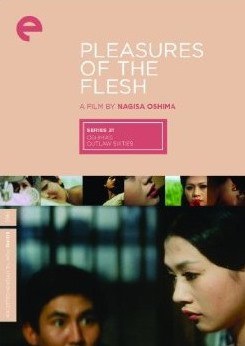
Pleasures of the Flesh (1965) [Movie] Douban TMDB WikiData IMDb
悦乐
7.0 (8 ratings) director: 大岛渚 actor: 中村賀津雄 / 加贺麻理子
other title: 喜悦 / 悦乐
After committing murder, businessman Atsushi is blackmailed into keeping a suitcase of embezzled money. What follows is a descent into lustful, reckless actions and regret.
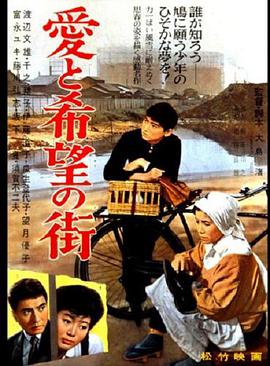
A Town of Love and Hope (1959) [Movie] Douban
愛と希望の街
7.8 (16 ratings) director: 大岛渚 actor: 藤川弘志 / 伊藤道子
other title: 爱与希望之街 / 愛と希望の街
家住川崎贫民街的初三学生正夫(藤川弘志 饰)和母亲、妹妹过着困苦的生活。母亲(伊藤道子 饰)常年在街上给人擦鞋,妹妹(望月優子 饰)因疏于家庭关爱而有些自闭,经常独自一人对着死老鼠画画。正夫虽然学习优秀,但为了贴补家用不得不上街做起买卖。他出售自己驯养的白鸽,聪明的白鸽会趁新主人不注意的时候飞回正夫家里。正夫便利用这种伎俩赚钱。
某天,他结识了精密机械会社老板重役久原(須賀不二夫 饰)的女儿京子(富永ユキ 饰),两人渐渐熟捻。在京子的介绍下,正夫参加了精密机械会社的考试。虽然考试通过,但他利用鸽子行骗的行为被人拆穿。愤怒的正夫再次返回街上卖鸽子,京子对其充满同情,然而他们终究是属于两个阶层的人……
The Sun's Burial (1960) [Movie] Douban
太陽の墓場
6.5 (10 ratings) director: 大岛渚 actor: 津川雅彦 / 炎加世子
other title: 太阳的墓场 / 太陽の墓場
这是一部极富时代意义的影片。1960年日本人民反抗美国“日美安全保障条约”的斗争正是如火如荼的时候,全国上下以学生、工人为代表展开大规模示威游行,并遭到政府的暴力压制。而此时的日本社会虽然也受到一定的冲击和破坏,但群众规模巨大的示威游行还没有爆发出更为强烈的力量。影片以大阪贫民街釜崎为舞台,描写了流氓团伙中狐朋狗党之间相互争吵与武斗的事件。片中所描写的暴力破坏事件,是一种突发的偶然事件,但其中的情绪却直指当时的社会运动局势。在这一点上,曾经领导过学生运动的大岛渚,显示出一个时刻关注社会的艺术家在作品中对时局的启发性和预见性的见解。同时,影片就在釜崎实地拍摄,具有某种纪录片意义,也是一种很能激发观众情绪的手段。

大岛渚在影片中还营造出一种悲观沉痛的氛围,给这种颠覆性暴力举动蒙上一层伤感的阴影,这显然出自导演自己学运被压制的沉痛回忆和对当时社会运动的悲观瞻视。

不管影片所提出的暴力破坏宣言是否能被群众接受,这种理论和号召是否能正确指引当时的社会运动,大岛渚的影片还是由于强烈的时效性和尖锐的观点,吸引了大量观众,并对人们认识、了解时局产生了一定的影响。总之,这是一部观众反应强烈的影片。
Three Resurrected Drunkards (1968) [Movie] Douban
帰って来たヨッパライ
7.3 (6 ratings) director: 大岛渚 actor: 加藤和彦 / 北山修
other title: 归来的醉鬼 / 帰って来たヨッパライ
「絞死刑」の田村孟、佐々木守、足立正生、大島渚など創造社の同人五人が共同でシナリオを執筆し、大島渚が監督したアングラ・レコードのヒットソングの映画化。撮影も同じ吉岡康弘。
大学生活最後の休暇を楽しむため、大ノッポ、中ノッポ、チビの三人は日本海の海辺に行った。暖い陽気に誘われて三人は、泳いだが、いつの間にか服がなくなり、代りに軍服と粗末な学生服があった。三人はそのため、密航者と思われ、パトカーに追われる破目になった。その途中、たまたま、魅力的なネエちゃんと知りあい、銭湯で服をすり換える、という知恵を授けられたが、見なれぬ青年と少年にピストルをつきつけられ、もとの服に戻されてしまった。青年たちには、何か事情があるらしいが、三人には何が何だかさっぱり分らない。ただただ、パトカーと、青年との手を逃れるべく、走り回らねばならなかった。追われているうちに、三人は次第に逃げ方も隠れ方も上手になっていったが、いまは、東京が平和で天国のように住み良い所に思えるのだった。三人の逃亡に協力してくれたネエちゃんは、毒虫という悪者の養女だが、三人には天使のように暖かく、優しかった。そんなうちに、中ノッポがネエちゃんに恋をしてしまった。だが、三人は、パトカーと、消えてはまた現われる青年の拳銃におびえながら東京に向って逃亡を続けていかなければならなかった。
The Man Who Put His Will on Film (1970) [Movie] Douban IMDb TMDB WikiData
東京戦争戦後秘話
7.7 (7 ratings) director: 大岛渚 actor: 后藤和夫 / 岩崎惠美子
other title: 东京战争战后秘史 / 東京戦争戦後秘話
When a man chases down his stolen movie camera, the thief commits suicide by jumping off a building. But after the police take the camera as evidence, it becomes unclear if there was ever a thief in the first place.