Philip Bosco — Actor (35)
Diego Rivera: I Paint What I See (1992) [Movie] TMDB IMDb WikiData
Diego Rivera: I Paint What I See
The first biographical film on the famed Mexican artist, traces his life from childhood through his Cubist period, his leading role in the Mexican mural renaissance, his fame as a muralist in the USA, and his later years. The film explores Rivera's life and work, including his stormy relationship with Frida Kahlo and the destruction of his famous mural at Rockefeller Center. Shot on location in Mexico and the United States, the film includes a remarkable collection of archival film and photographs, much of which has not been seen before. The text is drawn from the writings of Rivera and Kahlo and from other historical texts. Using Rivera's own words, this richly detailed film brings to life the difficulty he faced in his transition from studio artist to public and political artist, and the conflicts that arose from that point onward.
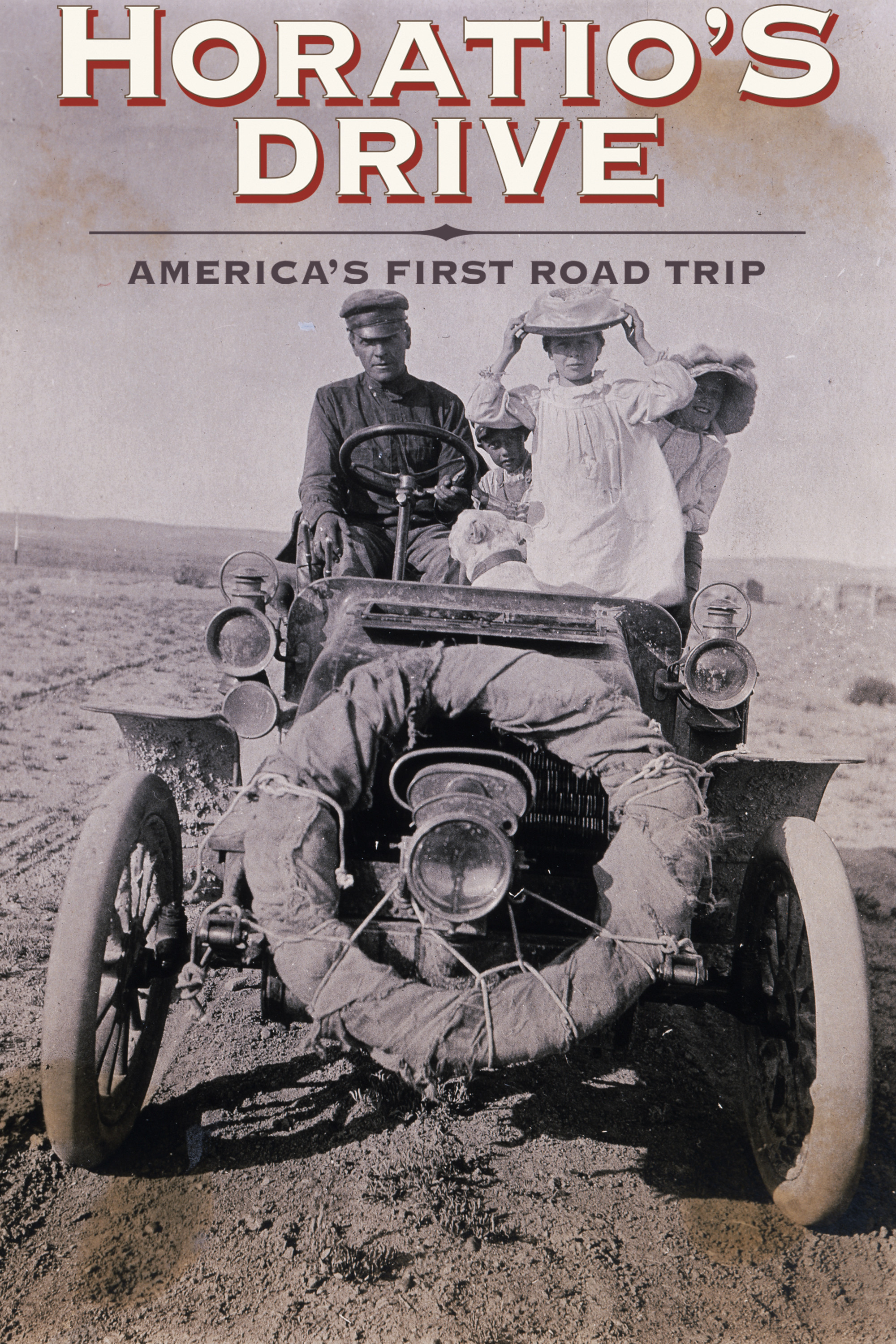
Horatio's Drive: America's First Road Trip (2003) [Movie] WikiData IMDb
Horatio's Drive: America's First Road Trip
director: Ken Burns actor: 汤姆·汉克斯 / 基思·大卫
other title: 霍雷肖的駕車之行:美國第一次公路旅行 / Pionierfahrt 1903: Mit 20 PS durch die USA
In the spring of 1903, on a whim and a fifty-dollar bet, Dr. Horatio Nelson Jackson set off from San Francisco in a 20-horsepower Winton touring car hoping to become the first person to cross the United States in the new-fangled "horseless carriage." Most people doubted that the automobile had much of a future. Jackson's trip would prove them wrong.
Into the Deep: America, Whaling & the World (2010) [Movie] Douban IMDb
Into the Deep: America, Whaling & The World
director: Ric Burns actor: Philip Bosco / D. Graham Burnett
other title: Into the Deep: America, Whaling & The World
The American Experience looks at the history of American whaling from its off-shore origins in the 17th century to the golden age of deep water whaling and the eventual decline in the decades after the Civil War.
The Pope of Greenwich Village (1984) [Movie] IMDb TMDB WikiData
The Pope of Greenwich Village
other title: 그리니치의 건달들 / パッショネイト 悪の華
Charlie and his troublesome cousin Paulie decide to steal $150000 in order to back a "sure thing" race horse that Paulie has inside information on. The aftermath of the robbery gets them into serious trouble with the local Mafia boss and the corrupt New York City police department.
The Defenders (辩护律师) (1961) [TV] Douban
The Defenders part of TV Series: The Defenders
director: 保罗·博加特 / 斯图尔特·罗森博格 actor: E.G.马绍尔 / 罗伯特·里德
A father and son lawyer duo take a variety of cases that often deal with the important issues of the day.
Heaven Help Us (1985) [Movie] WikiData IMDb Douban TMDB
Heaven Help Us
other title: 헤븐 헬프 어스 / Die Himmelsstürmer
Sixteen-year-old Michael Dunn arrives at St. Basil's Catholic Boys School in Brooklyn circa 1965. There, he befriends all of the misfits in his class as they collide with the repressive faculty and discover the opposite sex as they come of age.
The Heiress [Performance] Douban
The Heiress
genre: theater playwright: Ruth Goetz / Augustus Goetz
other title: 女继承人 director: Jed Harris / Gerald Gutierrez actor: Wendy Hiller / Basil Rathbone / Peter Cookson / Cherry Jones / Philip Bosco
In the 1850s young Catherine Sloper lives with her father, Dr. Austin Sloper. Catherine is shy, unsophisticated and plain-looking; her father blames her for the death of her mother, who died giving birth to her.
Morris Townsend courts her. Catherine believes him sincere, her father believes he's after her inheritance. When the three confront each other, they agree that Austin will take his daughter to Europe for six months. He believes that either Morris or his daughter will give up, they don't think so.
On their return, Dr. Sloper sees that nothing has changed, and threatens to disinherit her if she marries Morris. Catherine suggests to Morris that they elope immediately, she cannot stand to be in her father's house another night; but she also mentions the threat of disinheritance. Morris leaves to get his things, but does not return, and Catherine is crushed. Three days later Dr Sloper realizes that he is mortally ill, and tries to reconcile with Catherine. She refuses.
Two years later Morris returns, and makes excuses about his jilting her. She seems to be swept away again, and tells him to go fetch his things so they can elope; but when he returns, she has the maid bolt the door against him, and turns out the lights.
It Takes Two (1995) [Movie]
It Takes Two
other title: Matrimonio a 4 mani / To tøser ta'r affære
Identical 9-year-olds from very different backgrounds: orphaned Amanda and wealthy Alyssa meet at summer camp and decide to switch places -- and play matchmaker between Alyssa's dad, Roger, and the kind social worker who cares for Amanda.
情书 [Performance] Douban
Love Letters
genre: theater playwright: A. R. Gurney / A.R. Gurney
other title: Love Letters / 情系信笺 director: John Tillinger / Marc Sinden actor: Barbara Barrie / Philip Bosco / Anthony Heald / Stephen Collins / George Hearn


Love Letters is a Pulitzer Prize for Drama nominated play by A. R. Gurney. The play centers on just two characters, Melissa Gardner and Andrew Makepeace Ladd III. Using the epistolary form sometimes found in novels, they sit side by side at tables and read the notes, letters and cards – in which over nearly 50 years, they discuss their hopes and ambitions, dreams and disappointments, victories and defeats – that have passed between them throughout their separated lives.

Prohibition (2011) [TV] IMDb TMDB
Prohibition
director: Ken Burns / Lynn Novick actor: Peter Coyote / Daniel Okrent
other title: 禁酒令 / 켄 번스: 금주법
The history of the rise, rule and fall of the Eighteenth Amendment to the United States Constitution and the entire era it encompassed (1920-33). After nearly a century of activism, Prohibition was intended to improve the lives of all citizens by protecting individuals, families and society at large from the devastating effects of alcohol abuse; but paradoxically it made millions of people rethink their definition of morality.
Twelve Angry Men 2004年版 [Performance] Douban
part of Performance: Twelve Angry Men
theater: American Airlines Theatre director: Scott Ellis
other title: 2004年版 playwright: Reginald Rose actor: Tom Aldredge / Mark Blum
The drama depicts a jury forced to consider a homicide trial. At the beginning, they have a nearly unanimous decision of guilty, with a single dissenter of not-guilty, who throughout the play sows a seed of reasonable doubt. The story begins after closing arguments have been presented in the homicide case, as the judge is giving his instructions to the jury. As in most American criminal cases, the twelve men must unanimously decide on a verdict of "guilty" or "not guilty". (In the justice systems of nearly all American states, failure to reach a unanimous verdict, a so-called "hung jury", results in a mistrial.) The case at hand pertains to whether a young man murdered his own father. The jury is further instructed that a guilty verdict will be accompanied by a mandatory death sentence. These twelve then move to the jury room, where they begin to become acquainted with the personalities of their peers. Throughout their deliberation, not a single juror calls another by his name because the names are unknown by the jurors. Several of the jurors have different reasons for discriminating against the witness: his race, his background, and the troubled relationship between one juror and his own son.
一名少年被控謀殺父親。法庭內,樓下老伯作供聲稱親耳聽到他大罵「我要殺死你」;對街女人作供聲稱親眼目睹他以刀刺進父親胸口;雜貨店老闆作供聲稱曾售賣兇器予少年。似乎,被判死刑將會是他的結局。
陪審團由十二位素未謀面的人組成,聽畢審訊退庭商議。無論陪審團作出任何裁決,必須一致。看似定局已成的判決由於其中一人的異議而爆發成激烈的爭論。十二名陪審員將如何決定少年的生死?
The Crucible 1972年版 [Performance] Douban
part of Performance: The Crucible
theater: Vivian Beaumont Theater director: John Berry
other title: 1972年版 playwright: 阿瑟·米勒 Arthur Miller actor: Philip Bosco / Caryll Coan
1692年的春天,北美马萨诸塞州的萨勒姆小镇。正值豆蔻年华的青春少女们,相约在生机盎然、充满灵性的森林袒祈愿跳舞、尽情嬉戏,甚至赤身裸体,在黑奴蒂图巴的巫毒术下,她们说出心仪的男孩的姓名,许愿能和他们一起跳舞。艾比盖尔爱上了他曾经的雇主普罗克托,并和他发生了关系,但却被普罗克托的妻子伊丽莎白发现并解雇了。艾比盖尔在被同伴们嘲笑,她不顾蒂图巴的劝阻,杀鸡饮血诅咒伊丽莎白。而这时牧师帕里斯循声来到森林中,认为有人在搞巫术,但却不知道具体是谁。惊恐中,帕里斯的女儿贝蒂病了,同样的还有帕特曼家的女儿,村民们认为这是巫术而陷入恐慌中,只有普罗克托一直在反对。
  帕里斯询问了艾比盖尔整件事的经过,但艾比盖尔拒绝说出真相,也不承认她们在搞巫术。为了保住牧师职位,帕里斯请来贝弗利的黑尔牧师帮助肃清女巫。黑尔审问了女孩子们,艾比盖尔为了自保,谎称自己被巫术控制,而将矛头直指黑人蒂图巴。蒂图巴在严刑拷打之下,为了自己的性命,编造了并不存在的魔鬼和白人信徒们,女孩子们也借此机会,纷纷指证村里的村民们。
  大城市的法官们来到了萨勒姆审问巫师事件,而被艾比盖尔为首的姑娘们指控为女巫的人越来越多,许多无辜的村民被卷进了这荒诞愚昧的黑色漩涡。萨勒姆镇人人自危,血雨腥风。
  而在此期间,艾比盖尔多次向普罗克托求爱,但屡遭拒绝,虔诚的上帝信徒普罗克托为了自己的外遇而倍感后悔。出于嫉妒,艾比盖尔制作了诅咒人偶,在人偶的肚子上插上针,让女仆玛丽送到了伊丽莎白手中,并且自己也用锐器向自己的腹部刺去,就这样,伊丽莎白也因为巫术而被捕。
  故事发展到此可以说才刚刚起步,前两场不但是为后来的高潮做铺垫,也在考验观众的耐性,因为矛盾冲突才刚刚展开,人性的丑恶和扭曲才刚刚显露。
  接下来的几场,舞台成了一个考验人性的实验场,人们为了报复泄愤,为了使自己开脱,为了明知自己错了却害怕惩罚而不能回头。谎言主宰了一切,谎言葬送了无辜的生命。
  普罗克托为拯救妻子的性命,说服了家中女仆玛丽,来到法庭,希望戳穿艾比盖尔的谎言。艾比盖尔再次故伎重演,大喊自己看到了玛丽和魔鬼在一起,在法官的威逼和艾比盖尔等人强大的压力下,玛丽倍感恐惧,无法说出真相,情急之下,普罗克托说出了他和艾比盖尔的奸情来证明自己话语的真实性。但是,在重重压力下,玛丽还是屈服了,指控了普罗克托,而为了结束这场闹剧的普罗克托也大喊出了“我说,上帝已经死了!”
  法官把普罗克托的妻子伊丽莎白带上法庭,让普罗克托和艾比盖尔背对着她。法官问及伊丽莎白为何赶走艾比盖尔,伊丽莎白只说发现他们关系暧昧,当法官再一次追问普罗克托是否犯有奸淫罪时,沉默良久,从不会说谎的伊丽莎白说出了:没有。
  因为普罗克托的入狱而倍感后悔的艾比盖尔卷走了帕里斯所有的钱,试图劝服普罗克托和她一起逃走。但是普罗克托没有来,艾比盖尔独自一人逃跑了。
  艾比盖尔卷款逃跑使得帕里斯失去了所有。而这时法官诱逼普罗克托在忏悔书上签字。而普罗克托却知道了伊丽莎白怀孕的消息。在良心和谎言、生与死之间,普罗克托终于撕毁了忏悔书,选择了良心,选择了绞刑架。在被绞死前,普罗克托和几个和他一样的坚守信仰的人大声朗诵了《圣经》,并且从容赴死,这是全剧的最高潮。
  骇人听闻的故事情节赋予了对人性弱点的关注和对生命意义的拷问,足以让所有观众动容。在这场闹剧中,人性中固有的自私、软弱、卑劣、凶顽与良知的冲撞,无时不在心中激荡。如果说有哪部戏可以等待,有哪部戏可以重看,《萨勒姆的女巫》就是。
Copenhagen [Performance] Douban
Copenhagen
9.3 (14 ratings) genre: theater playwright: Michael Frayn
other title: 哥本哈根 director: 未知 / Michael Blakemore actor: David Burke / Matthew Marsh / Sara Kestelman / Philip Bosco / Michael Cumpsty


1941年9月,德国物理学家维尔纳·海森堡前往已被纳粹德国占领的丹麦首都哥本哈根,与他的导师,著名物理学家尼尔斯·玻尔会面的故事。戏剧借用量子力学的不确定原理,探讨了这次会面的多种可能性。本剧涉及量子力学、不确定性原理、量子力学的哥本哈根诠释、第二次世界大战、纳粹德国的核武器计划、曼哈顿工程等。(引自维基百科)

An Enemy of the People 1971年版 [Performance] Douban
part of Performance: An Enemy of the People
theater: Vivian Beaumont Theater director: Jules Irving
other title: 1971年版 playwright: Henrik Ibsen actor: Conrad Bain / David Birney


When Dr. Thomas Stockmann discovers toxic contamination in the water used at the local baths, he expects to be hailed as a hero. But since the baths are the town's main source of revenue, the community fights to silence him — and Dr. Stockmann learns there are forces more powerful than truth.

圣女贞德 1977年版 [Performance] Douban
part of Performance: 圣女贞德
theater: Circle in the Square Theatre director: John Clark
other title: 1977年版 playwright: George Bernard Shaw actor: Lynn Redgrave / Tom Aldredge
Shaw characterised Saint Joan as "A Chronicle Play in 6 Scenes and an Epilogue". Joan, a simple peasant girl, hears voices which she claims to be those of Saint Margaret, Saint Catherine, and the archangel Michael, sent by God to guide her conduct.
Scene 1 begins with Robert de Baudricourt complaining about the inability of the hens on his farm to produce eggs. Joan claims that her voices are telling her to raise a siege against Orléans, and to allow her several of his men for this purpose. Joan also says that she will eventually crown the Dauphin in Rheims cathedral. de Baudricourt ridicules Joan, but his servant feels inspired by her words. de Baudricourt eventually begins to feel the same sense of inspiration, and gives his consent to Joan. The servant enters at the end of the scene to exclaim that the hens have begun to lay eggs again. de Baudricourt interprets this as a sign from God of Joan's divine inspiration.
In Scene 2 (8 March 1429), Joan talks her way into being received at the court of the weak and vain Dauphin. There, she tells him that her voices have commanded her to help him become a true king by rallying his troops to drive out the English occupiers and restore France to greatness. Joan succeeds in doing this through her excellent powers of flattery, negotiation, leadership, and skill on the battlefield.
In Scene 3 (29 April 1429), Dunois and his page are waiting for the wind to turn so that he and his forces can lay siege to Orléans. Joan and Dunois commiserate, and Dunois attempts to explain to her more pragmatic realities of an attack, without the wind at their back. Her replies eventually inspire Dunois to rally the forces, and at the scene's end, the wind turns in their favour.
Ultimately she is betrayed, and captured by the English at the siege of Compiègne. Scene 6 (30 May 1431) deals with her trial. John de Stogumber is adamant that she be executed at once. The Inquisitor, the Bishop of Beauvais, and the Church officials on both sides of the trial have a long discussion on the nature of her heresy. Joan is brought to the court, and continues to assert that her voices speak to her directly from God and that she has no need of the Church's officials. This outrages de Stogumber. She acquiesces to the pressure of torture at the hands of her oppressors, and agrees to sign a confession relinquishing the truth behind her voices, so that she can live a life in permanent confinement without hope of parole. Upon hearing this, Joan changes her mind:
Joan: "You think that life is nothing but not being dead? It is not the bread and water I fear. I can live on bread. It is no hardship to drink water if the water be clean. But to shut me from the light of the sky and the sight of the fields and flowers; to chain my feet so that I can never again climb the hills. To make me breathe foul damp darkness, without these things I cannot live. And by your wanting to take them away from me, or from any human creature, I know that your council is of the devil."
Joan accepts the ultimate punishment of death at the stake as preferable to such an imprisoned existence. de Stogumber vehemently demands that Joan then be taken to the stake for immediate execution. The Inquisitor and the Bishop of Beauvais excommunicate her and deliver her into the hands of the English. The Inquisitor asserts that Joan was fundamentally innocent, in the sense that she was sincere and had no understanding of the church and the law. de Stogumber re-enters, screaming and severely shaken emotionally after seeing Joan die in the flames, the first time that he has witnessed such a death, and realising that he has not understood what it means to burn a person at the stake until he has actually seen it happen. A soldier had given Joan two sticks tied together in a cross before the moment of her death. Bishop Martin Ladvenu also reports that when he approached with a cross to let her see the cross before she died, and he approached too close to the flames, she had warned him of the danger from the stake, which convinced him that she could not have been under the inspiration of the devil.
In the Epilogue, 25 years after Joan's execution, a new trial has cleared her of heresy. Brother Martin brings the news to the now-King Charles. Charles then has a dream in which Joan appears to him. She begins conversing cheerfully not only with Charles, but with her old enemies, who also materialise in the King's bedroom. An emissary from the present day (at the time of the play, the 1920s) brings news that the Catholic Church is to canonise her, in the year 1920. Joan says that saints can work miracles, and asks if she can be resurrected. At this, all the characters desert her one by one, asserting that the world is not prepared to receive a saint such as her. The last to leave is the English soldier, who is about to engage in a conversation with Joan before he is summoned back to hell at the end of his 24-hour respite. The play ends with Joan ultimately despairing that mankind will never accept its saints:
O God that madest this beautiful earth, when will it be ready to accept thy saints? How long, O Lord, how long?

圣女贞德 1967年版 [Performance] Douban
part of Performance: 圣女贞德
theater: Vivian Beaumont Theater director: John Hirsch
other title: 1967年版 playwright: George Bernard Shaw actor: Diana Sands / Christopher Bernau
Shaw characterised Saint Joan as "A Chronicle Play in 6 Scenes and an Epilogue". Joan, a simple peasant girl, hears voices which she claims to be those of Saint Margaret, Saint Catherine, and the archangel Michael, sent by God to guide her conduct.
Scene 1 begins with Robert de Baudricourt complaining about the inability of the hens on his farm to produce eggs. Joan claims that her voices are telling her to raise a siege against Orléans, and to allow her several of his men for this purpose. Joan also says that she will eventually crown the Dauphin in Rheims cathedral. de Baudricourt ridicules Joan, but his servant feels inspired by her words. de Baudricourt eventually begins to feel the same sense of inspiration, and gives his consent to Joan. The servant enters at the end of the scene to exclaim that the hens have begun to lay eggs again. de Baudricourt interprets this as a sign from God of Joan's divine inspiration.
In Scene 2 (8 March 1429), Joan talks her way into being received at the court of the weak and vain Dauphin. There, she tells him that her voices have commanded her to help him become a true king by rallying his troops to drive out the English occupiers and restore France to greatness. Joan succeeds in doing this through her excellent powers of flattery, negotiation, leadership, and skill on the battlefield.
In Scene 3 (29 April 1429), Dunois and his page are waiting for the wind to turn so that he and his forces can lay siege to Orléans. Joan and Dunois commiserate, and Dunois attempts to explain to her more pragmatic realities of an attack, without the wind at their back. Her replies eventually inspire Dunois to rally the forces, and at the scene's end, the wind turns in their favour.
Ultimately she is betrayed, and captured by the English at the siege of Compiègne. Scene 6 (30 May 1431) deals with her trial. John de Stogumber is adamant that she be executed at once. The Inquisitor, the Bishop of Beauvais, and the Church officials on both sides of the trial have a long discussion on the nature of her heresy. Joan is brought to the court, and continues to assert that her voices speak to her directly from God and that she has no need of the Church's officials. This outrages de Stogumber. She acquiesces to the pressure of torture at the hands of her oppressors, and agrees to sign a confession relinquishing the truth behind her voices, so that she can live a life in permanent confinement without hope of parole. Upon hearing this, Joan changes her mind:
Joan: "You think that life is nothing but not being dead? It is not the bread and water I fear. I can live on bread. It is no hardship to drink water if the water be clean. But to shut me from the light of the sky and the sight of the fields and flowers; to chain my feet so that I can never again climb the hills. To make me breathe foul damp darkness, without these things I cannot live. And by your wanting to take them away from me, or from any human creature, I know that your council is of the devil."
Joan accepts the ultimate punishment of death at the stake as preferable to such an imprisoned existence. de Stogumber vehemently demands that Joan then be taken to the stake for immediate execution. The Inquisitor and the Bishop of Beauvais excommunicate her and deliver her into the hands of the English. The Inquisitor asserts that Joan was fundamentally innocent, in the sense that she was sincere and had no understanding of the church and the law. de Stogumber re-enters, screaming and severely shaken emotionally after seeing Joan die in the flames, the first time that he has witnessed such a death, and realising that he has not understood what it means to burn a person at the stake until he has actually seen it happen. A soldier had given Joan two sticks tied together in a cross before the moment of her death. Bishop Martin Ladvenu also reports that when he approached with a cross to let her see the cross before she died, and he approached too close to the flames, she had warned him of the danger from the stake, which convinced him that she could not have been under the inspiration of the devil.
In the Epilogue, 25 years after Joan's execution, a new trial has cleared her of heresy. Brother Martin brings the news to the now-King Charles. Charles then has a dream in which Joan appears to him. She begins conversing cheerfully not only with Charles, but with her old enemies, who also materialise in the King's bedroom. An emissary from the present day (at the time of the play, the 1920s) brings news that the Catholic Church is to canonise her, in the year 1920. Joan says that saints can work miracles, and asks if she can be resurrected. At this, all the characters desert her one by one, asserting that the world is not prepared to receive a saint such as her. The last to leave is the English soldier, who is about to engage in a conversation with Joan before he is summoned back to hell at the end of his 24-hour respite. The play ends with Joan ultimately despairing that mankind will never accept its saints:
O God that madest this beautiful earth, when will it be ready to accept thy saints? How long, O Lord, how long?
大鼻子情圣 1968年版 [Performance] Douban
part of Performance: 大鼻子情圣
theater: 1968-4-13 director: 未知
other title: 1968年版 playwright: Edmond Rostand actor: Robert Symonds / Philip Bosco


Cyrano is a poet, philosopher and swordsman of incredible wit, but his sizable nose renders him too shy to pursue the beautiful Roxane. Instead, he provides the poetry and eloquence to woo her vicariously through his inarticulate friend Christian.

Angie (1994) [Movie] Douban WikiData IMDb TMDB
Angie
director: 玛莎·库利奇 actor: 吉娜·戴维斯 / 斯蒂芬·瑞
other title: 一往情深 / 不羁女人心
Angie lives in Bensonhurst, Brooklyn, and dreams of a better life. When she finds out she's pregnant by her boyfriend, Vinnie, she decides she'll have the baby; but not Vinnie as a husband. This turns the entire close-knit neighborhood upside-down and starts Angie on a journey of self-discovery.