Linn da Quebrada — Actor (3)
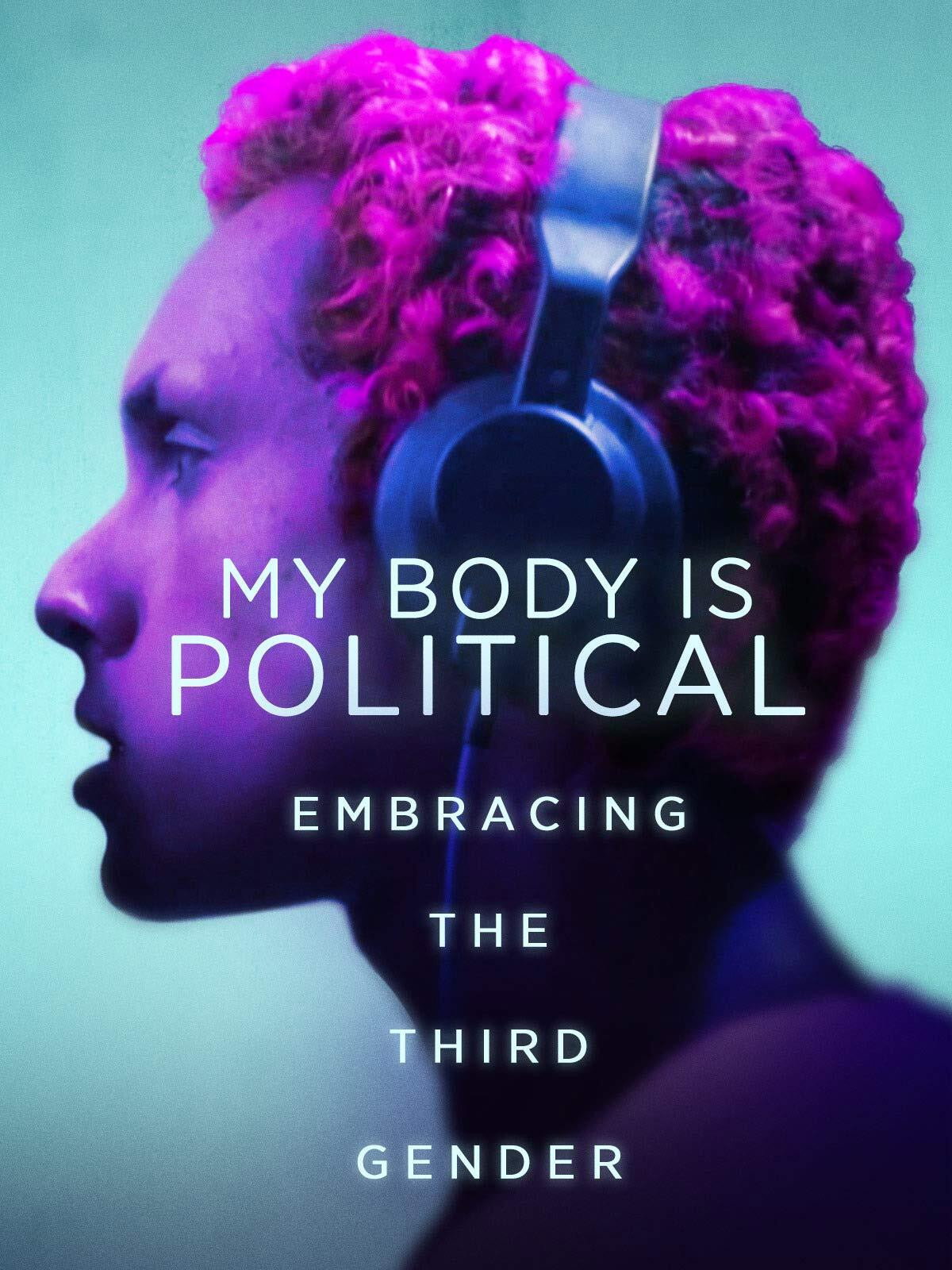
My Body is Political (2017) [Movie] TMDB IMDb
Meu Corpo é Político
director: Alice Riff actor: Linn da Quebrada / Paula Beatriz
other title: 내 몸은 정치적이다 / Meu Corpo é Político
Paula, Beatriz, Giu and Fernando live in one of the poorest favelas of São Paulo. A world of marginalization and despair, in which they struggle for their rights as transgenders, but also for survival: according to the statistics from the Transgender Europe NGO, Brazil is the nation with the highest number of murders of transgender people each year. The choice to experience your body in complete freedom is a revolutionary concept and highly risky in this context. It is an affirmation of one's being. it is no coincidence that one of them, who has begun the transition phase writes in his diary: "Each hormone pill is a declaration of ownership of my body. After each pill, I feel much better in my own skin". This movie shows their daily life, their struggles and protests in a world where ignorance becomes oppression and hate: in a word transphobia.
Vitória (2025) [Movie] WikiData IMDb Douban TMDB
Vitória
other title: Vitoria / 八旬老妪剿匪记
Inspired by a real woman, who filmed for two years, hidden, the routine of drug dealers on Ladeira dos Tabajaras, in Copacabana, in 2004. At the time, the material was passed on to the police, who opened an investigation and carried out an operation that resulted in in the arrest of more than 30 people, including military police involved with the gang.
Tranny Fag (2018) [Movie] Douban WikiData TMDB IMDb
Bixa Travesty
director: 奇科·戈伊夫曼 / 克劳蒂亚·普里西拉 actor: Linn da Quebrada / Jup do Bairro
other title: 红木皇后 / Bixa Travesty
Linn da Quebrada is a black transwoman from impoverished periurban São Paulo; she is also a pop performer who raises her voice for queers of colour from the favelas. Accompanied by her childhood friend and partner in crime, black transwoman and singer Jup do Bairro, her concerts are nothing short of dazzling. Aided by exorbitant costumes and plenty of twerking, her performances are onslaughts of electro against Brazil’s white heteronormative gender order and the machismo of the country’s funk scene. Private moments reveal her gentler side: as she showers with friends or cooks with her mother the talk turns to love, racism and poverty. Archive footage in the shape of home videos shows her in intimate performances at a hospital during her own cancer treatment. We begin to realise that Linn uses radical nudity as a means to undermine accepted gender roles. This documentary also shows her in dramatised radio interviews in which she powerfully espouses her convictions about feminism and her transsexuality: not for Linn the role of a cis woman; she’d rather be a woman with a penis whose gender identity is not bound by her genitalia but is in a permanent state of flux.