Louis Malle — Actor (3)
Jerry Lewis: The Man Behind the Clown (2016) [Movie] TMDB IMDb WikiData
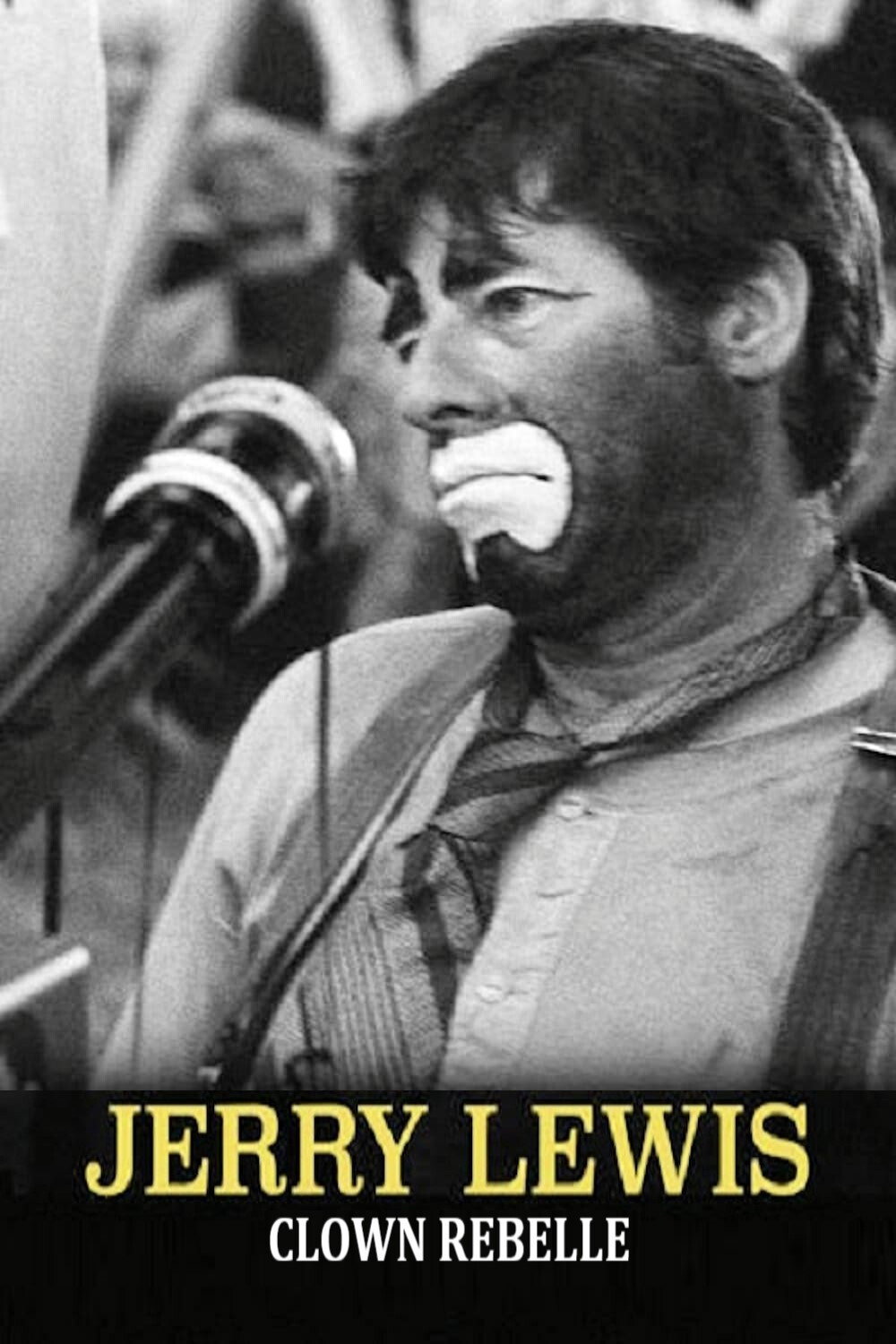
Jerry Lewis, clown rebelle
other title: Jerry Lewis - Ein Tollpatsch gewinnt die Herzen / Jerry Lewis, clown rebelle
Since the early days, Jerry Lewis—in the line of Chaplin, Keaton and Laurel—had the masses laughing with his visual gags, pantomime sketches and signature slapstick humor. Yet Lewis was far more than just a clown. He was also a groundbreaking filmmaker whose unquenchable curiosity led him to write, produce, stage and direct many of the films he appeared in, resulting in such adored classics as The Bellboy, The Ladies Man, The Errand Boy, and The Nutty Professor.
秩序中的导演:罗贝尔·布列松 (1966) [Movie] Douban
Un metteur en ordre: Robert Bresson
director: Roger Stéphane actor: Robert Bresson / Louis Malle
other title: Un metteur en ordre: Robert Bresson
Description: 'Un metteur en ordre: Robert Bresson' is from a 1966 French television broadcast of 'Pour le Plaisir', a cultural television program. The phrase 'Un metteur en ordre' translates loosely to 'An Imposer of Order'. When you watch the program, you'll see that its title comes from the filmmaker's response to the interviewer's question: 'What's Robert Bresson's profession?'
This episode concentrates on 'Au Hasard Balthazar' and includes interviews with Robert Bresson, Jean-Luc Godard, Louis Malle, and members of the film's cast. Bresson explains the origin of the film's title, while his contemporaries describe their reactions to the film. Several extensive clips from the film are presented, after which Bresson and his cast members offer their opinions of the meaning or consequences of those scenes.
The heart of the program is an interview with Bresson, during which he talks specifically about this film. He also gives his ideas on filmmaking in general. For example, here's how he wants his performers to learn their dialogue: 'I ask them to learn their lines ignoring their meaning, as if they didn't have a meaning, as if the words were just syllables. As if sentences weren't made of words but of syllables.'