Liliana Cavani — Director (21)
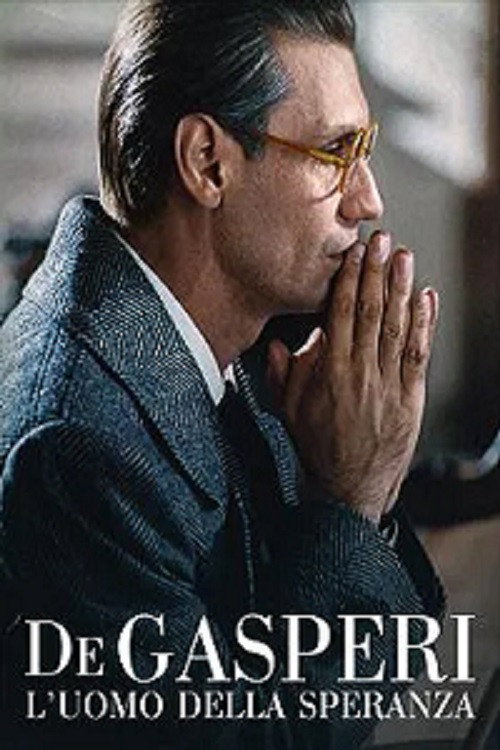
De Gasperi: The Man of Hope (2005) [Movie] IMDb WikiData TMDB
De Gasperi - L'uomo della speranza
other title:
De Gasperi - L'uomo della speranza
/
加斯佩里,希望之人
…
In August 1954, Alcide De Gasperi, now at the end of his personal and political career, left the Christian Democrats' headquarters in Rome and visited his daughter, Lucia, a nun. He revealed to her that he had definitively retired from active politics and was leaving for Sella for a period of rest, necessary for his precarious health. Upon arriving in Sella, where he was reunited with his family, the statesman and his grandson Giorgio went for a walk in the mountains, and there, prompted by the boy's questions, he began to recount his life story, an often painful journey down memory lane.
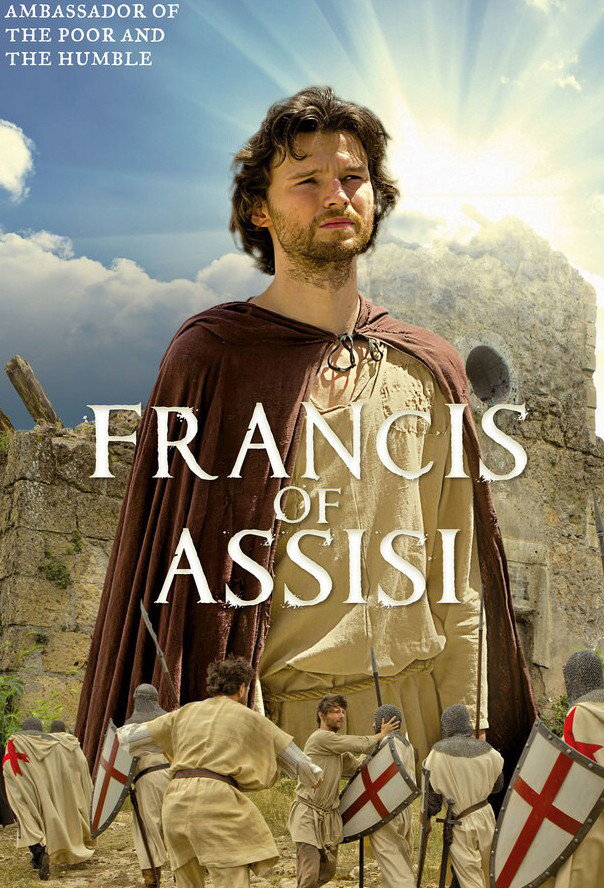
Sein Name war Franziskus (2014) [Movie] IMDb TMDB
Francesco
director:
利利亚娜·卡瓦尼
actor:
马特乌什·科希丘凯维奇
/
Sara Serraiocco
…
other title:
Francesco
Als verwöhnter Sohn reicher Kaufleute führt der in Assisi lebende Franziskus zu Beginn des 13. Jahrhunderts ein Leben in Luxus. Allgegenwärtiges Leid und Elend sind ihm zunächst fremd. Das ändert sich, als er die Schrecken des Krieges persönlich miterlebt. Im Städtekampf zwischen Perugia und Assisi gerät er in Kriegsgefangenschaft, aus der ihn letztendlich nur der reiche Vater freikaufen kann. Kurz darauf fallen ihm Bibelverse in die Hände und sein Leben beginnt sich zu ändern.
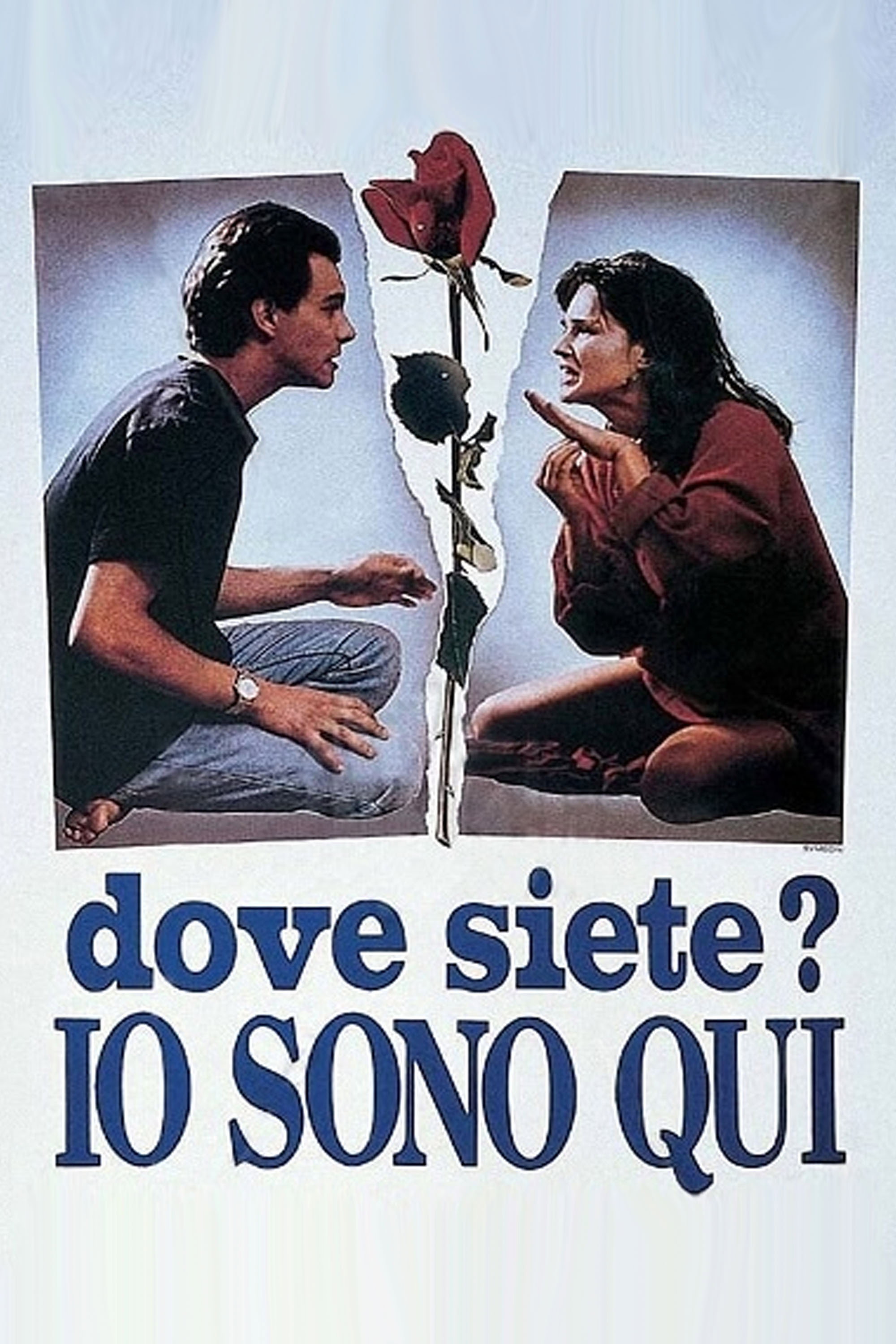
Where Are You? I’m Here (1993) [Movie] IMDb TMDB WikiData
Dove siete? Io sono qui
director:
利利亚娜·卡瓦尼
actor:
Gaetano Carotenuto
/
Chiara Caselli
…
other title:
Einmal dein Lachen hören
/
Sans pouvoir le dire
…
Fausto and Elena, two deaf teenagers from different backgrounds, meet and fall in love. As they push back against prejudice and silence – both societal and familial – their bond becomes a source of strength. Together, they navigate a world that misunderstands them and find the will to dream beyond imposed limits.
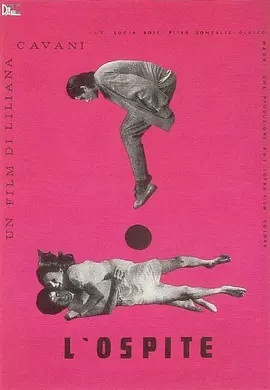
The Guest (1971) [Movie] Douban IMDb WikiData TMDB
L'ospite
other title:
客人
/
L'ospite
A forty year old woman, who has been in an asylum, goes to live with her brother's family. She proves incapable of adapting herself to family life, takes refuge in the country alone with her memories, and is later returned to the asylum.

玛侬 • 莱斯科 [Performance] Douban
Manon Lescaut
genre:
Opera
playwright:
Ruggero Leoncavallo
/
Marco Praga
…
other title:
Manon Lescaut
/
曼侬 • 莱斯科
director:
未知
/
Gian Carlo Menotti
…
actor:
Cesira Ferrani
/
Giuseppe Cremonini
/
Achille Moro
/
Alessandro Polonini
/
Roberto Ramini
Time: The second half of the eighteenth century
Places: Amiens, Paris, Le Havre, New Orleans
Act 1
Amiens: A large public square near the Paris Gate
Off the square is an Avenue on one side and an Inn on the other, with a balcony. It is evening, townspeople, soldiers and a crowd of male students and girls stroll through the avenue and square while others gather in groups. Some are seated at the tables outside the Inn, drinking and gambling.
Edmondo sings a song of youthful pleasure (Edmondo, chorus of students, girls and townspeople: Ave, sera gentile – Hail gentle evening). Des Grieux enters, and they greet him, but he is melancholic and does not join the others, singing cynically of love (des Grieux, Edmondo, chorus: L'amor?, L'amor? ...io non conosco! – Love?, Love?...I know nothing of that). They joke with him and provoke him to feign flirtation with the girls (des Grieux: Tra voi, belle, brune e bionde – Among you beauties, dark and fair); (Edmondo, chorus: Ma, bravo!).
A postillion horn is heard and the carriage from Arras pulls up at the Inn, as the crowd peers in to see who the passengers are (Chorus: Giunge il cocchio d'Arras! – Here comes the Arras coach!) Lescaut (Manon's brother), then an elderly treasurer-general, Geronte di Ravoir, descend from the coach, Geronte helping Manon, then the remainder of the passengers. The crowd comments (Chorus, Edmondo, Lescaut, des Grieux, Geronte: Discendono, vediam! – Look, they are getting down!) Edmondo and the students admire Manon (Chi non darebbe a quella donnina bella? – Who would not give to that beautiful young woman?). Des Grieux is also smitten (Dio, quanto è bella! – Dear God, such beauty!). The other passengers enter the Inn, while Lescaut signals Manon to wait for him. She sits, as des Grieux, who has been fixated on her, approaches her and declares his feelings for her (des Grieux, Manon,: Cortese damigella – Gentle lady), only to learn she is destined for a convent at the will of her father. He offers to help her, and when Lescaut calls her he begs her to meet him later; she reluctantly agrees. After Manon leaves, des Grieux sings of his feelings for her (des Grieux: Donna non vidi mai – Never before have I beheld a woman such as this). The students and girls, who have been observing the couple, comment mockingly on his good fortune (Edmondo, students: La tua ventura ci rassicura – Your good fortune encourages us).
Lescaut and Geronte descend and converse in the square about Manon's fate, observed by Edmondo. Geronte, who also is captivated by Manon, says she would be wasted in a convent. On hearing his fellow traveller's opinion, Lescaut begins to reconsider his task of escorting his sister to the convent. The students invite Lescaut to join in their card game. Geronte observes that Lescaut is preoccupied with the game and discloses his plan to abduct Manon and take her to Paris to the Innkeeper, offering him money for assistance and his silence. Edmondo overhears the plan and informs des Grieux (Edmondo: Cavaliere, te la fanno! – Sir, they are outwitting you!). He offers to help des Grieux, arranging for the card players to keep Lescaut occupied.
Manon slips out of the inn to meet des Grieux as promised (Manon: Vedete? Io son fedele alla parola mia – You see? I am faithful to my word). He declares his love for her and advises her of the plot to abduct her, while Edmondo arranges for the carriage Geronte has hired to take the couple to Paris. They leave together just as Geronte arrives, ready to execute his plans (Geronte: Di sedur la sorellina e il momento! – The moment to seduce the little sister has arrived). Geronte is taunted by Edmondo. Realising he has been tricked, Geronte urges Lescaut to follow the departed pair. The more pragmatic Lescaut advises him that the pair will soon run out of money, and then Manon will be his.
Act 2
A room in Geronte's house in Paris
(Puccini omits the part of the novel in which Manon and des Grieux live together for a few months, and Manon leaves des Grieux when his money has run out.)
Manon is now Geronte's mistress. Manon and her hairdresser are in the room when Lescaut enters (Manon, Lescaut: Dispettosetto questo riccio!); (Lescaut: Sei splendida e lucente!). She tells him that Geronte is too old and wicked; he bores her. Manon is sad, and her thoughts turn to des Grieux (Manon: In quelle trine morbide); (Lescaut, Manon: Poiché tu vuoi saper).
Musicians hired by Geronte enter to amuse her (Madrigal: Sulla vetta tu del monte); (Manon, Lescaut: Paga costor). Geronte brings a dancing master; they dance a minuet, then she sings a gavotte (Dancing master, Geronte, Manon, chorus: Vi prego, signorina [minuet]); (Manon, Geronte, chorus: L'ora, o Tirsi, è vaga e bella). After dancing, Geronte and the musicians leave the house.
Dismayed that his sister is unhappy living with Geronte, Lescaut goes to find des Grieux. Des Grieux appears in Geronte's house (Manon, des Grieux: Oh, sarò la più bella! – This love's own magic spell). As des Grieux and Manon renew their vows of love, Geronte returns unexpectedly. He salutes the couple, reminding Manon of his many favors to her, including some precious jewels. She replies that she cannot love him (Geronte, des Grieux, Manon: Affè, madamigella).
Bowing low, he leaves them. Manon rejoices in their freedom (Manon: Ah! Ah! Liberi!); (des Grieux: "Ah, manon, mi tradisce il tuo folle pensiero). Lescaut urges them to leave the house at once, but Manon hesitates at the thought of leaving her jewels and pretty frocks. Again, Lescaut enters in breathless haste, making signs that they must depart immediately. Manon snatches up her jewels, and they go to the door. It has been locked by Geronte's order. Soldiers appear to arrest Manon who, in trying to escape, drops the jewels at Geronte's feet. She is dragged away and des Grieux is not permitted to follow her (des Grieux, Manon, Lescaut, sergeant, Geronte: Lescaut! – Tu qui?).
(Intermezzo: The journey to Le Havre.)
His various efforts to have Manon released and even to free her by force having failed, des Grieux follows her to Le Havre.
Act 3
A square near the harbor in Le Havre
At dawn Manon is with the other imprisoned courtesans (des Grieux, Lescaut, Manon: Ansia eterna, crudel). Lescaut has bribed a guard to let des Grieux speak with Manon. Talking to her through the bars, he learns that she is to be deported to Louisiana. A lamplighter passes, singing a song as he extinguishes the lights (Lamplighter, des Grieux, Manon: E Kate ripose al re); (des Grieux, Manon: Manon, disperato è il mio prego).
They attempt a rescue, but in vain. The guard appears, escorting a group of women, who are going on the same ship as Manon. She walks among them, pale and sad. The crowd makes brutal comments during the roll call of the courtesans (Chorus, Lescaut, des Grieux, Manon: All'armi! All'armi!), but Lescaut inspires pity for Manon (Sergeant, chorus, Lescaut, Manon, des Grieux: Rosetta! – Eh, che aria!).
Des Grieux, in despair at the idea of being separated from Manon forever, goes to her side. He tries to seize her but is pushed away by the sergeant. However, the captain of the ship sees his intense grief (des Grieux: Pazzo son!) and allows him to board the ship.
Act 4
A vast plain near the outskirts of the New Orleans territory
Having fled the jealous intrigues of New Orleans, the lovers make their way across a desert to seek refuge in a British settlement. Wandering in the desert, the ailing Manon is exhausted. She falls and cannot go any farther (des Grieux, Manon: Tutta su me ti posa); (des Grieux: Vedi, son io che piango); (Manon, des Grieux: Sei tu che piangi).
Des Grieux is alarmed by Manon's appearance and goes to look for water. While he is gone, Manon recalls her past and muses about her fatal beauty and her fate (Manon: Sola, perduta, abbandonata).
Des Grieux returns, having been unable to find water. Manon bids him a heart-rending farewell, however not before complaining about how her life has not been fair and that she is no longer beautiful. Before dying in his arms Manon asks des Grieux to tell her how beautiful she used to be, and how he must forgive her wrongdoings and faults before she dies, not listening to him repeat how much he loves her and will miss her. Overcome by grief at the death of his vain and selfish lover, des Grieux collapses across her body (Manon, des Grieux: Fra le tue braccia, amore).
Places: Amiens, Paris, Le Havre, New Orleans
Act 1
Amiens: A large public square near the Paris Gate
Off the square is an Avenue on one side and an Inn on the other, with a balcony. It is evening, townspeople, soldiers and a crowd of male students and girls stroll through the avenue and square while others gather in groups. Some are seated at the tables outside the Inn, drinking and gambling.
Edmondo sings a song of youthful pleasure (Edmondo, chorus of students, girls and townspeople: Ave, sera gentile – Hail gentle evening). Des Grieux enters, and they greet him, but he is melancholic and does not join the others, singing cynically of love (des Grieux, Edmondo, chorus: L'amor?, L'amor? ...io non conosco! – Love?, Love?...I know nothing of that). They joke with him and provoke him to feign flirtation with the girls (des Grieux: Tra voi, belle, brune e bionde – Among you beauties, dark and fair); (Edmondo, chorus: Ma, bravo!).
A postillion horn is heard and the carriage from Arras pulls up at the Inn, as the crowd peers in to see who the passengers are (Chorus: Giunge il cocchio d'Arras! – Here comes the Arras coach!) Lescaut (Manon's brother), then an elderly treasurer-general, Geronte di Ravoir, descend from the coach, Geronte helping Manon, then the remainder of the passengers. The crowd comments (Chorus, Edmondo, Lescaut, des Grieux, Geronte: Discendono, vediam! – Look, they are getting down!) Edmondo and the students admire Manon (Chi non darebbe a quella donnina bella? – Who would not give to that beautiful young woman?). Des Grieux is also smitten (Dio, quanto è bella! – Dear God, such beauty!). The other passengers enter the Inn, while Lescaut signals Manon to wait for him. She sits, as des Grieux, who has been fixated on her, approaches her and declares his feelings for her (des Grieux, Manon,: Cortese damigella – Gentle lady), only to learn she is destined for a convent at the will of her father. He offers to help her, and when Lescaut calls her he begs her to meet him later; she reluctantly agrees. After Manon leaves, des Grieux sings of his feelings for her (des Grieux: Donna non vidi mai – Never before have I beheld a woman such as this). The students and girls, who have been observing the couple, comment mockingly on his good fortune (Edmondo, students: La tua ventura ci rassicura – Your good fortune encourages us).
Lescaut and Geronte descend and converse in the square about Manon's fate, observed by Edmondo. Geronte, who also is captivated by Manon, says she would be wasted in a convent. On hearing his fellow traveller's opinion, Lescaut begins to reconsider his task of escorting his sister to the convent. The students invite Lescaut to join in their card game. Geronte observes that Lescaut is preoccupied with the game and discloses his plan to abduct Manon and take her to Paris to the Innkeeper, offering him money for assistance and his silence. Edmondo overhears the plan and informs des Grieux (Edmondo: Cavaliere, te la fanno! – Sir, they are outwitting you!). He offers to help des Grieux, arranging for the card players to keep Lescaut occupied.
Manon slips out of the inn to meet des Grieux as promised (Manon: Vedete? Io son fedele alla parola mia – You see? I am faithful to my word). He declares his love for her and advises her of the plot to abduct her, while Edmondo arranges for the carriage Geronte has hired to take the couple to Paris. They leave together just as Geronte arrives, ready to execute his plans (Geronte: Di sedur la sorellina e il momento! – The moment to seduce the little sister has arrived). Geronte is taunted by Edmondo. Realising he has been tricked, Geronte urges Lescaut to follow the departed pair. The more pragmatic Lescaut advises him that the pair will soon run out of money, and then Manon will be his.
Act 2
A room in Geronte's house in Paris
(Puccini omits the part of the novel in which Manon and des Grieux live together for a few months, and Manon leaves des Grieux when his money has run out.)
Manon is now Geronte's mistress. Manon and her hairdresser are in the room when Lescaut enters (Manon, Lescaut: Dispettosetto questo riccio!); (Lescaut: Sei splendida e lucente!). She tells him that Geronte is too old and wicked; he bores her. Manon is sad, and her thoughts turn to des Grieux (Manon: In quelle trine morbide); (Lescaut, Manon: Poiché tu vuoi saper).
Musicians hired by Geronte enter to amuse her (Madrigal: Sulla vetta tu del monte); (Manon, Lescaut: Paga costor). Geronte brings a dancing master; they dance a minuet, then she sings a gavotte (Dancing master, Geronte, Manon, chorus: Vi prego, signorina [minuet]); (Manon, Geronte, chorus: L'ora, o Tirsi, è vaga e bella). After dancing, Geronte and the musicians leave the house.
Dismayed that his sister is unhappy living with Geronte, Lescaut goes to find des Grieux. Des Grieux appears in Geronte's house (Manon, des Grieux: Oh, sarò la più bella! – This love's own magic spell). As des Grieux and Manon renew their vows of love, Geronte returns unexpectedly. He salutes the couple, reminding Manon of his many favors to her, including some precious jewels. She replies that she cannot love him (Geronte, des Grieux, Manon: Affè, madamigella).
Bowing low, he leaves them. Manon rejoices in their freedom (Manon: Ah! Ah! Liberi!); (des Grieux: "Ah, manon, mi tradisce il tuo folle pensiero). Lescaut urges them to leave the house at once, but Manon hesitates at the thought of leaving her jewels and pretty frocks. Again, Lescaut enters in breathless haste, making signs that they must depart immediately. Manon snatches up her jewels, and they go to the door. It has been locked by Geronte's order. Soldiers appear to arrest Manon who, in trying to escape, drops the jewels at Geronte's feet. She is dragged away and des Grieux is not permitted to follow her (des Grieux, Manon, Lescaut, sergeant, Geronte: Lescaut! – Tu qui?).
(Intermezzo: The journey to Le Havre.)
His various efforts to have Manon released and even to free her by force having failed, des Grieux follows her to Le Havre.
Act 3
A square near the harbor in Le Havre
At dawn Manon is with the other imprisoned courtesans (des Grieux, Lescaut, Manon: Ansia eterna, crudel). Lescaut has bribed a guard to let des Grieux speak with Manon. Talking to her through the bars, he learns that she is to be deported to Louisiana. A lamplighter passes, singing a song as he extinguishes the lights (Lamplighter, des Grieux, Manon: E Kate ripose al re); (des Grieux, Manon: Manon, disperato è il mio prego).
They attempt a rescue, but in vain. The guard appears, escorting a group of women, who are going on the same ship as Manon. She walks among them, pale and sad. The crowd makes brutal comments during the roll call of the courtesans (Chorus, Lescaut, des Grieux, Manon: All'armi! All'armi!), but Lescaut inspires pity for Manon (Sergeant, chorus, Lescaut, Manon, des Grieux: Rosetta! – Eh, che aria!).
Des Grieux, in despair at the idea of being separated from Manon forever, goes to her side. He tries to seize her but is pushed away by the sergeant. However, the captain of the ship sees his intense grief (des Grieux: Pazzo son!) and allows him to board the ship.
Act 4
A vast plain near the outskirts of the New Orleans territory
Having fled the jealous intrigues of New Orleans, the lovers make their way across a desert to seek refuge in a British settlement. Wandering in the desert, the ailing Manon is exhausted. She falls and cannot go any farther (des Grieux, Manon: Tutta su me ti posa); (des Grieux: Vedi, son io che piango); (Manon, des Grieux: Sei tu che piangi).
Des Grieux is alarmed by Manon's appearance and goes to look for water. While he is gone, Manon recalls her past and muses about her fatal beauty and her fate (Manon: Sola, perduta, abbandonata).
Des Grieux returns, having been unable to find water. Manon bids him a heart-rending farewell, however not before complaining about how her life has not been fair and that she is no longer beautiful. Before dying in his arms Manon asks des Grieux to tell her how beautiful she used to be, and how he must forgive her wrongdoings and faults before she dies, not listening to him repeat how much he loves her and will miss her. Overcome by grief at the death of his vain and selfish lover, des Grieux collapses across her body (Manon, des Grieux: Fra le tue braccia, amore).

Pagliacci [Performance] Douban
Pagliacci
genre:
Opera
playwright:
Ruggero Leoncavallo
other title:
丑角
director:
未知
/
Giancarlo del Monaco
…
actor:
Fiorello Giraud
/
Adelina Stehle
/
Victor Maurel
/
Francesco Daddi
/
Mario Ancona
Place: Calabria, near Montalto, on the Feast of the Assumption
Time: between 1865 and 1870
Prologue
During the overture, the curtain rises. From behind a second curtain, Tonio, dressed as his commedia character Taddeo, addresses the audience (Si può?... Si può?... Signore! Signori! ... Un nido di memorie). He reminds the audience that actors have feelings too, and that the show is about real people.
Act 1
At three o'clock in the afternoon, the commedia troupe enters the village to the cheering of the villagers. Canio describes the night's performance: the troubles of Pagliaccio. He says the play will begin at "ventitré ore", an agricultural method of time-keeping that means the play will begin an hour before sunset. As Nedda steps down from the cart, Tonio offers his hand, but Canio pushes him aside and helps her down himself.
The villagers suggest drinking at the tavern. Canio and Beppe accept, but Tonio stays behind. The villagers tease Canio that Tonio is planning an affair with Nedda. Canio warns everyone that while he may act the foolish husband in the play, in real life he will not tolerate other men making advances to Nedda. Shocked, a villager asks if Canio really suspects her. He says no, and sweetly kisses her on the forehead. As the church bells ring vespers, he and Beppe leave for the tavern, leaving Nedda alone.
Nedda is frightened by Canio's vehemence (Qual fiamma avea nel guardo), but the birdsong comforts her (Stridono lassù). Tonio returns and confesses his love for her, but she laughs. Enraged, Tonio grabs Nedda, but she takes a whip, strikes him and drives him off. Silvio, who is Nedda's lover, comes from the tavern, where he has left Canio and Beppe drinking. He asks Nedda to elope with him after the performance and, though she is afraid, she agrees. Tonio, who has been eavesdropping, leaves to inform Canio so that he might catch Silvio and Nedda together. Canio and Tonio return and, as Silvio escapes, Nedda calls after him, "I will always be yours!"
Canio chases Silvio, but does not catch him and does not see his face. He demands that Nedda tell him the name of her lover, but she refuses. He threatens her with a knife, but Beppe disarms him. Beppe insists that they prepare for the performance. Tonio tells Canio that her lover will give himself away at the play. Canio is left alone to put on his costume and prepares to laugh (Vesti la giubba – "Put on the costume").
Act 2
As the crowd arrives, Nedda, costumed as Colombina, collects their money. She whispers a warning to Silvio, and the crowd cheers as the play begins.
Colombina's husband Pagliaccio has gone away until morning, and Taddeo is at the market. She anxiously awaits her lover Arlecchino, who comes to serenade her (O Colombina) from beneath her window. Taddeo returns and confesses his love, but she mocks him. She lets Arlecchino in through the window. He boxes Taddeo's ears and kicks him out of the room, and the audience laughs.
Arlecchino and Colombina dine, and he gives her a sleeping potion to use later. When Pagliaccio returns, Colombina will drug him and elope with Arlecchino. Taddeo bursts in, warning that Pagliaccio is suspicious of his wife and is about to return. As Arlecchino escapes through the window, Colombina tells him, "I will always be yours!"
As Canio (as Pagliaccio) enters, he hears Nedda (as Colombina) and exclaims "Name of God! Those same words!" He tries to continue the play, but loses control and demands to know her lover's name. Nedda, hoping to keep to the performance, calls Canio by his stage name "Pagliaccio," to remind him of the audience's presence. He answers with his arietta: No! Pagliaccio non son! He sings that if his face is pale, it is not from the stage makeup but from the shame she has brought him. The crowd, impressed by his emotional performance, which they do not realize is real, cheers him.
Nedda, trying to continue the play, admits that she has been visited by the innocent Arlecchino. Canio, furious and forgetting the play, demands the name of her lover. Nedda swears she will never tell him, and it becomes apparent that they are not acting. Beppe asks Tonio to intervene, but Tonio refrains and prevents Beppe from halting the action. Silvio begins to fight his way toward the stage. Canio, grabbing a knife from the table, stabs Nedda. As she dies, she calls: "Help! Silvio!" Silvio attacks Canio, but Canio kills Silvio also. The horrified audience then hears the celebrated final line:
La commedia è finita! – "The comedy is finished!"
Time: between 1865 and 1870
Prologue
During the overture, the curtain rises. From behind a second curtain, Tonio, dressed as his commedia character Taddeo, addresses the audience (Si può?... Si può?... Signore! Signori! ... Un nido di memorie). He reminds the audience that actors have feelings too, and that the show is about real people.
Act 1
At three o'clock in the afternoon, the commedia troupe enters the village to the cheering of the villagers. Canio describes the night's performance: the troubles of Pagliaccio. He says the play will begin at "ventitré ore", an agricultural method of time-keeping that means the play will begin an hour before sunset. As Nedda steps down from the cart, Tonio offers his hand, but Canio pushes him aside and helps her down himself.
The villagers suggest drinking at the tavern. Canio and Beppe accept, but Tonio stays behind. The villagers tease Canio that Tonio is planning an affair with Nedda. Canio warns everyone that while he may act the foolish husband in the play, in real life he will not tolerate other men making advances to Nedda. Shocked, a villager asks if Canio really suspects her. He says no, and sweetly kisses her on the forehead. As the church bells ring vespers, he and Beppe leave for the tavern, leaving Nedda alone.
Nedda is frightened by Canio's vehemence (Qual fiamma avea nel guardo), but the birdsong comforts her (Stridono lassù). Tonio returns and confesses his love for her, but she laughs. Enraged, Tonio grabs Nedda, but she takes a whip, strikes him and drives him off. Silvio, who is Nedda's lover, comes from the tavern, where he has left Canio and Beppe drinking. He asks Nedda to elope with him after the performance and, though she is afraid, she agrees. Tonio, who has been eavesdropping, leaves to inform Canio so that he might catch Silvio and Nedda together. Canio and Tonio return and, as Silvio escapes, Nedda calls after him, "I will always be yours!"
Canio chases Silvio, but does not catch him and does not see his face. He demands that Nedda tell him the name of her lover, but she refuses. He threatens her with a knife, but Beppe disarms him. Beppe insists that they prepare for the performance. Tonio tells Canio that her lover will give himself away at the play. Canio is left alone to put on his costume and prepares to laugh (Vesti la giubba – "Put on the costume").
Act 2
As the crowd arrives, Nedda, costumed as Colombina, collects their money. She whispers a warning to Silvio, and the crowd cheers as the play begins.
Colombina's husband Pagliaccio has gone away until morning, and Taddeo is at the market. She anxiously awaits her lover Arlecchino, who comes to serenade her (O Colombina) from beneath her window. Taddeo returns and confesses his love, but she mocks him. She lets Arlecchino in through the window. He boxes Taddeo's ears and kicks him out of the room, and the audience laughs.
Arlecchino and Colombina dine, and he gives her a sleeping potion to use later. When Pagliaccio returns, Colombina will drug him and elope with Arlecchino. Taddeo bursts in, warning that Pagliaccio is suspicious of his wife and is about to return. As Arlecchino escapes through the window, Colombina tells him, "I will always be yours!"
As Canio (as Pagliaccio) enters, he hears Nedda (as Colombina) and exclaims "Name of God! Those same words!" He tries to continue the play, but loses control and demands to know her lover's name. Nedda, hoping to keep to the performance, calls Canio by his stage name "Pagliaccio," to remind him of the audience's presence. He answers with his arietta: No! Pagliaccio non son! He sings that if his face is pale, it is not from the stage makeup but from the shame she has brought him. The crowd, impressed by his emotional performance, which they do not realize is real, cheers him.
Nedda, trying to continue the play, admits that she has been visited by the innocent Arlecchino. Canio, furious and forgetting the play, demands the name of her lover. Nedda swears she will never tell him, and it becomes apparent that they are not acting. Beppe asks Tonio to intervene, but Tonio refrains and prevents Beppe from halting the action. Silvio begins to fight his way toward the stage. Canio, grabbing a knife from the table, stabs Nedda. As she dies, she calls: "Help! Silvio!" Silvio attacks Canio, but Canio kills Silvio also. The horrified audience then hears the celebrated final line:
La commedia è finita! – "The comedy is finished!"

乡村骑士 [Performance] Douban
Cavalleria rusticana
genre:
Opera
playwright:
Giovanni Targioni-Tozzetti
/
Guido Menasci
other title:
Cavalleria rusticana
director:
未知
/
Franco Zeffirelli
…
actor:
Roberto Stagno
/
Gemma Bellincioni
/
Gaudenzio Salassa
/
Annetta Gulì
/
Federica Casali
Place: A 19th-century Sicilian village
Time: Easter morning
Before the action takes place, the young villager Turiddu had returned from military service to find that his fiancée Lola had married the carter Alfio while Turiddu was away. In revenge, Turiddu had seduced Santuzza, a young woman in the village. As the opera begins, Lola, overcome by her jealousy of Santuzza, has begun an adulterous affair with Turiddu.
The main square of the village
Offstage, Turiddu is heard singing a siciliana, "O Lola c'hai di latti la cammisa" ("O Lola! like the snow, pure in thy whiteness!"). To one side is the church; to the other is Lucia's wine shop and the house where she lives with her son, Turiddu. The villagers move about the square, singing of the beautiful spring day, "Gli aranci olezzano sui verdi margini" ("The air is sweet with orange blossoms") and a hymn to the Blessed Virgin Mary. Some villagers enter the church, and others wander off still singing.
Santuzza, having slept with Turiddu and suspecting that he has betrayed her for Lola, is distraught and approaches Lucia as she comes out of her house. Santuzza asks for Turiddu, but Lucia replies that he has gone to another town to fetch some wine. Santuzza tells her that he was seen during the night in the village. Lucia asks her inside to talk, but just at that moment Alfio arrives on his wagon, accompanied by the villagers. He praises the joys of a teamster's life and the beauty of Lola his bride. Alfio asks Lucia for some of her fine old wine. She tells him it has run out and Turiddu has gone away to buy more. Alfio replies that he had seen Turiddu early that morning near his cottage. Lucia starts to express surprise, but Santuzza stops her.
Alfio leaves. The choir inside the church is heard singing the Regina Coeli. Outside, the villagers sing an Easter Hymn, "Inneggiamo, il Signor non è morto" ("We rejoice that our Saviour is living!") joined by Santuzza. The villagers enter the church, while Santuzza and Lucia remain outside. Lucia asks Santuzza why she signalled her to remain silent when Alfio said that he had seen Turiddu that morning. Santuzza exclaims, "Voi lo sapete" ("You well know") and tells Lucia the story of her seduction by Turiddu and his affair with Lola. Lucia pities Santuzza, who feels dishonored, having been seduced by Turiddu only to be abandoned by him for his old flame, Lola. Santuzza feels she cannot enter the church, but begs Lucia to go inside herself and pray for Santuzza who stays behind to try to plead with Turiddu to leave Lola and return to her.
Turiddu arrives. Santuzza upbraids him for pretending to have gone away, when he was actually seeing Lola. Lola enters the square singing. She mocks Santuzza and goes inside the church. Turiddu turns to follow Lola, but Santuzza begs him to stay. Turiddu pushes her away. She clings to him. He loosens her hands, throws her to the ground, and enters the church. Alfio arrives looking for Lola. Santuzza tells him that his wife has betrayed him with Turiddu. Alfio swears to take vendetta (revenge) which causes Santuzza to repent for having disclosed the affair and begs Alfio to stop to no avail.
The square is empty as the orchestra plays the famous Intermezzo.
The villagers come out of the church. Turiddu is in high spirits because he is with Lola and Santuzza appears to have gone. He invites his friends to his mother’s wine shop where he sings a drinking song, "Viva, il vino spumeggiante" ("Hail to the bubbling wine!"). Alfio joins them. Turiddu offers him wine, but he refuses it. All understand that trouble is in the air. The women leave, taking Lola with them. In a brief exchange of words, Alfio challenges Turiddu to a duel. Following Sicilian custom, the two men embrace, and Turiddu, in a token of acceptance, bites Alfio’s ear, drawing blood which signifies a fight to the death. Alfio leaves and Turiddu calls Lucia back. He tells her that he is going outside to get some air and asks that she be a kindly mother to Santuzza if he should not return: "Un bacio, mamma! Un altro bacio!—Addio!" ("One kiss, mother! One more kiss! – Farewell!").
Turiddu rushes out. Lucia, weeping, wanders aimlessly around outside her house. Santuzza approaches and throws her arms around her. The villagers start to crowd around. Voices are heard in the distance and a woman cries, "They have murdered Turiddu!" Santuzza faints and Lucia collapses in the arms of the women villagers.
Time: Easter morning
Before the action takes place, the young villager Turiddu had returned from military service to find that his fiancée Lola had married the carter Alfio while Turiddu was away. In revenge, Turiddu had seduced Santuzza, a young woman in the village. As the opera begins, Lola, overcome by her jealousy of Santuzza, has begun an adulterous affair with Turiddu.
The main square of the village
Offstage, Turiddu is heard singing a siciliana, "O Lola c'hai di latti la cammisa" ("O Lola! like the snow, pure in thy whiteness!"). To one side is the church; to the other is Lucia's wine shop and the house where she lives with her son, Turiddu. The villagers move about the square, singing of the beautiful spring day, "Gli aranci olezzano sui verdi margini" ("The air is sweet with orange blossoms") and a hymn to the Blessed Virgin Mary. Some villagers enter the church, and others wander off still singing.
Santuzza, having slept with Turiddu and suspecting that he has betrayed her for Lola, is distraught and approaches Lucia as she comes out of her house. Santuzza asks for Turiddu, but Lucia replies that he has gone to another town to fetch some wine. Santuzza tells her that he was seen during the night in the village. Lucia asks her inside to talk, but just at that moment Alfio arrives on his wagon, accompanied by the villagers. He praises the joys of a teamster's life and the beauty of Lola his bride. Alfio asks Lucia for some of her fine old wine. She tells him it has run out and Turiddu has gone away to buy more. Alfio replies that he had seen Turiddu early that morning near his cottage. Lucia starts to express surprise, but Santuzza stops her.
Alfio leaves. The choir inside the church is heard singing the Regina Coeli. Outside, the villagers sing an Easter Hymn, "Inneggiamo, il Signor non è morto" ("We rejoice that our Saviour is living!") joined by Santuzza. The villagers enter the church, while Santuzza and Lucia remain outside. Lucia asks Santuzza why she signalled her to remain silent when Alfio said that he had seen Turiddu that morning. Santuzza exclaims, "Voi lo sapete" ("You well know") and tells Lucia the story of her seduction by Turiddu and his affair with Lola. Lucia pities Santuzza, who feels dishonored, having been seduced by Turiddu only to be abandoned by him for his old flame, Lola. Santuzza feels she cannot enter the church, but begs Lucia to go inside herself and pray for Santuzza who stays behind to try to plead with Turiddu to leave Lola and return to her.
Turiddu arrives. Santuzza upbraids him for pretending to have gone away, when he was actually seeing Lola. Lola enters the square singing. She mocks Santuzza and goes inside the church. Turiddu turns to follow Lola, but Santuzza begs him to stay. Turiddu pushes her away. She clings to him. He loosens her hands, throws her to the ground, and enters the church. Alfio arrives looking for Lola. Santuzza tells him that his wife has betrayed him with Turiddu. Alfio swears to take vendetta (revenge) which causes Santuzza to repent for having disclosed the affair and begs Alfio to stop to no avail.
The square is empty as the orchestra plays the famous Intermezzo.
The villagers come out of the church. Turiddu is in high spirits because he is with Lola and Santuzza appears to have gone. He invites his friends to his mother’s wine shop where he sings a drinking song, "Viva, il vino spumeggiante" ("Hail to the bubbling wine!"). Alfio joins them. Turiddu offers him wine, but he refuses it. All understand that trouble is in the air. The women leave, taking Lola with them. In a brief exchange of words, Alfio challenges Turiddu to a duel. Following Sicilian custom, the two men embrace, and Turiddu, in a token of acceptance, bites Alfio’s ear, drawing blood which signifies a fight to the death. Alfio leaves and Turiddu calls Lucia back. He tells her that he is going outside to get some air and asks that she be a kindly mother to Santuzza if he should not return: "Un bacio, mamma! Un altro bacio!—Addio!" ("One kiss, mother! One more kiss! – Farewell!").
Turiddu rushes out. Lucia, weeping, wanders aimlessly around outside her house. Santuzza approaches and throws her arms around her. The villagers start to crowd around. Voices are heard in the distance and a woman cries, "They have murdered Turiddu!" Santuzza faints and Lucia collapses in the arms of the women villagers.

The Order of Time (2023) [Movie] Douban
L'ordine del tempo
Un ballo in maschera 2001年斯卡拉剧院版 [Performance] Douban
part of Performance: Un ballo in maschera
language:
italian 意大利语
troupe:
Orchestra del Teatro alla Scala 斯卡拉剧院管弦乐团 ; Coro del Teatro alla Scala 斯卡拉剧院合唱团 ; Coro di voci bianche del Teatro alla Scala e del Conservatorio "G. Verdi" di Milano 斯卡拉剧院和米兰“G. 威尔第”音乐学院童声合唱团
theater:
Teatro alla Scala 斯卡拉剧院
director:
Liliana Cavani
other title:
2001年斯卡拉剧院版
playwright:
Antonio Somma
composer:
Giuseppe Verdi
actor:
Salvatore Licitra
/
Maria Guleghina
…
Place: Stockholm, Sweden or Boston, Massachusetts
Time: March 1792 in Sweden or the end of the 17th century in Boston
Act 1
Scene 1: A public audience at Riccardo's palace, attended by his supporters, but also by his enemies who hope for his demise.
Riccardo (Gustavo) reviews the list of guests who will attend an upcoming masked ball. He is elated to see the name of the woman he loves on the list – Amelia, the wife of his friend and advisor, Renato (Count Anckarström). (Aria: La rivedrò nell'estasi / "There I will be in ecstasy to see her again"). When Renato arrives, he tries to warn Riccardo about the growing conspiracy against him (aria: Alla vita che t'arride / "Your life, so full of joy and hope"), but Riccardo refuses to listen to his words.
Next, Riccardo is presented with a complaint against a fortune-teller named Ulrica (Madame Arvidson), accused of witchcraft. A magistrate calls for her banishment, but Oscar the page defends her (Aria: Volta la terrea / "Turning her eyes from the earth"). Riccardo resolves to investigate for himself and tells the members of the court to disguise themselves and to meet him at Ulrica's lodging later that day.
Scene 2: At Ulrica's dwelling
Ulrica summons her magical powers: Re dell'abisso, affrettati / "King of the abyss, make haste". Disguised as a fisherman, Riccardo arrives before the others. He makes the fortune of a sailor named Silvano come true by spiriting a document of promotion into his pouch, convincing the crowd of the truth of Ulrica's powers. When he realizes that Amelia is coming to see Ulrica, he hides and watches. Alone with Ulrica, Amelia confesses that she is tormented by her love for Riccardo, and asks for a means to bring peace to her heart. Ulrica tells her to gather a certain herb with magical powers; Riccardo resolves to be there when she does so. Amelia leaves.
Now Riccardo presents himself again, along with all of the courtiers, and asks to have his fortune told. (Aria: Di' tu se fedele / "Tell me if the sea awaits me faithfully"). Ulrica reveals that he will be killed by the next man who shakes his hand. He laughingly dismisses her prophecy and offers his hand to the courtiers, who refuse to take it. Renato arrives and shakes Riccardo's hand in greeting. Riccardo's true identity is now revealed and he is acclaimed by the people.
Act 2
On the outskirts of the town, at the gallows-place. Midnight
Amelia, conquering her fears, has come here alone to pick the herb of which Ulrica told her (Aria: Ma dall'arido stelo divulsa / "But when I have plucked the herb"). She is surprised by Riccardo, who has come to meet her, and the two finally declare their love for each other.
Unexpectedly, Renato arrives, and Amelia covers her face with her veil before he can recognize her. Renato explains to Riccardo that the conspirators are pursuing him, and his life is in danger. Riccardo leaves, making Renato promise to escort the veiled woman safely back to town, not asking her identity. When the conspirators arrive, they confront Renato; in the struggle, Amelia's veil drops. Renato assumes that Amelia and Riccardo have been involved in an adulterous love affair. He asks the two leaders of the conspiracy, Samuel and Tom, to meet him the next day.
Act 3
Scene 1: Renato's house
Renato has resolved to kill Amelia for the dishonor she has brought on him. She protests her innocence and begs to see her son one last time. (Aria: Morrò, ma prima in grazia / "I will die, but first, a kindness"). Renato relents, and declares that it is Riccardo, not Amelia, who deserves to die (Aria: Eri tu che macchiavi quell'anima / "You were the one who stained her soul").
Samuel (Count Ribbing) and Tom (Count Horn) arrive, and Renato asks to join their plot, pledging the life of his son as proof of his sincerity. They agree to draw lots to decide who will kill Riccardo. Amelia is forced to draw the winning name – Renato.
Oscar, the page, arrives with invitations to the masked ball; Samuel, Tom and Renato agree that this is where the assassination will take place.
Scene 2: The ball
Riccardo, torn between love and duty, has resolved to renounce his love for Amelia and send her and Renato back to England (Aria: Ma se m'è forza perderti / "But if I am forced to lose her").
At the ball, Renato tries to learn from Oscar what costume Riccardo is wearing. Oscar at first refuses to tell (Aria: Saper vorreste / "You want to know"), but he finally answers: a black cloak and a red ribbon. Riccardo manages to identify Amelia and tells her of the decision he has made. As they say goodbye, Renato stabs Riccardo. The wounded Riccardo discloses that though he loved Amelia, she never broke her marriage vows. He pardons all the conspirators, bidding farewell to his friends and his country as he dies.
Time: March 1792 in Sweden or the end of the 17th century in Boston
Act 1
Scene 1: A public audience at Riccardo's palace, attended by his supporters, but also by his enemies who hope for his demise.
Riccardo (Gustavo) reviews the list of guests who will attend an upcoming masked ball. He is elated to see the name of the woman he loves on the list – Amelia, the wife of his friend and advisor, Renato (Count Anckarström). (Aria: La rivedrò nell'estasi / "There I will be in ecstasy to see her again"). When Renato arrives, he tries to warn Riccardo about the growing conspiracy against him (aria: Alla vita che t'arride / "Your life, so full of joy and hope"), but Riccardo refuses to listen to his words.
Next, Riccardo is presented with a complaint against a fortune-teller named Ulrica (Madame Arvidson), accused of witchcraft. A magistrate calls for her banishment, but Oscar the page defends her (Aria: Volta la terrea / "Turning her eyes from the earth"). Riccardo resolves to investigate for himself and tells the members of the court to disguise themselves and to meet him at Ulrica's lodging later that day.
Scene 2: At Ulrica's dwelling
Ulrica summons her magical powers: Re dell'abisso, affrettati / "King of the abyss, make haste". Disguised as a fisherman, Riccardo arrives before the others. He makes the fortune of a sailor named Silvano come true by spiriting a document of promotion into his pouch, convincing the crowd of the truth of Ulrica's powers. When he realizes that Amelia is coming to see Ulrica, he hides and watches. Alone with Ulrica, Amelia confesses that she is tormented by her love for Riccardo, and asks for a means to bring peace to her heart. Ulrica tells her to gather a certain herb with magical powers; Riccardo resolves to be there when she does so. Amelia leaves.
Now Riccardo presents himself again, along with all of the courtiers, and asks to have his fortune told. (Aria: Di' tu se fedele / "Tell me if the sea awaits me faithfully"). Ulrica reveals that he will be killed by the next man who shakes his hand. He laughingly dismisses her prophecy and offers his hand to the courtiers, who refuse to take it. Renato arrives and shakes Riccardo's hand in greeting. Riccardo's true identity is now revealed and he is acclaimed by the people.
Act 2
On the outskirts of the town, at the gallows-place. Midnight
Amelia, conquering her fears, has come here alone to pick the herb of which Ulrica told her (Aria: Ma dall'arido stelo divulsa / "But when I have plucked the herb"). She is surprised by Riccardo, who has come to meet her, and the two finally declare their love for each other.
Unexpectedly, Renato arrives, and Amelia covers her face with her veil before he can recognize her. Renato explains to Riccardo that the conspirators are pursuing him, and his life is in danger. Riccardo leaves, making Renato promise to escort the veiled woman safely back to town, not asking her identity. When the conspirators arrive, they confront Renato; in the struggle, Amelia's veil drops. Renato assumes that Amelia and Riccardo have been involved in an adulterous love affair. He asks the two leaders of the conspiracy, Samuel and Tom, to meet him the next day.
Act 3
Scene 1: Renato's house
Renato has resolved to kill Amelia for the dishonor she has brought on him. She protests her innocence and begs to see her son one last time. (Aria: Morrò, ma prima in grazia / "I will die, but first, a kindness"). Renato relents, and declares that it is Riccardo, not Amelia, who deserves to die (Aria: Eri tu che macchiavi quell'anima / "You were the one who stained her soul").
Samuel (Count Ribbing) and Tom (Count Horn) arrive, and Renato asks to join their plot, pledging the life of his son as proof of his sincerity. They agree to draw lots to decide who will kill Riccardo. Amelia is forced to draw the winning name – Renato.
Oscar, the page, arrives with invitations to the masked ball; Samuel, Tom and Renato agree that this is where the assassination will take place.
Scene 2: The ball
Riccardo, torn between love and duty, has resolved to renounce his love for Amelia and send her and Renato back to England (Aria: Ma se m'è forza perderti / "But if I am forced to lose her").
At the ball, Renato tries to learn from Oscar what costume Riccardo is wearing. Oscar at first refuses to tell (Aria: Saper vorreste / "You want to know"), but he finally answers: a black cloak and a red ribbon. Riccardo manages to identify Amelia and tells her of the decision he has made. As they say goodbye, Renato stabs Riccardo. The wounded Riccardo discloses that though he loved Amelia, she never broke her marriage vows. He pardons all the conspirators, bidding farewell to his friends and his country as he dies.

茶花女 [Performance] Douban
La traviata
other title:
La traviata
director:
Giuseppe Verdi
/
Mario Lanfranchi
…
actor:
Fanny Salvini-Donatelli
/
Lodovico Graziani
/
Felice Varesi
/
Carlotta Berini
/
Speranza Giuseppini
Place: Paris and its vicinity
Time: Beginning of the 19th century
Act 1
The salon in Violetta's house
Violetta Valéry, a famed courtesan, throws a lavish party at her Paris salon to celebrate her recovery from an illness. Gastone, a viscount, has brought with him a friend, Alfredo Germont, a young bourgeois from a provincial family who has long adored Violetta from afar. While walking to the salon, Gastone tells Violetta that Alfredo loves her, and that while she was ill, he came to her house every day. Alfredo joins them, admitting the truth of Gastone's remarks.
Baron Douphol, Violetta's current lover, waits nearby to escort her to the salon; once there, the Baron is asked to give a toast, but refuses, and the crowd turns to Alfredo, who agrees to sing a brindisi – a drinking song (Alfredo, Violetta, chorus: Libiamo ne' lieti calici – "Let's drink from the joyful cups").
From the next room, the sound of the orchestra is heard and the guests move there to dance. After a series of severe coughs and almost fainting, Violetta begins to feel dizzy and asks her guests to go ahead and to leave her to rest until she recovers. While the guests dance in the next room, Violetta looks at her pale face in her mirror. Alfredo enters and expresses his concern for her fragile health, later declaring his love for her (Alfredo, Violetta: Un dì, felice, eterea – "One day, happy and ethereal"). At first, she rejects him because his love means nothing to her, but there is something about Alfredo that touches her heart. He is about to leave when she gives him a flower, telling him to return it when it has wilted, which will be the very next day.
After the guests leave, Violetta wonders if Alfredo could actually be the one in her life (Violetta: È strano! ... Ah, fors' è lui – "Ah, perhaps he is the one"). But she concludes that she needs freedom to live her life (Violetta, Alfredo: Sempre libera – "Always free"). From off stage, Alfredo's voice is heard singing about love as he walks down the street.
Act 2
Scene 1: Violetta's country house outside Paris
Three months later, Alfredo and Violetta are living together in a peaceful country house outside Paris. Violetta has fallen in love with Alfredo and she has completely abandoned her former life. Alfredo sings of their happy life together (Alfredo: De' miei bollenti spiriti / Il giovanile ardore – "The youthful ardor of my ebullient spirits"). Annina, the maid, arrives from Paris, and, when questioned by Alfredo, tells him that she went there to sell the horses, carriages and everything owned by Violetta to support their country lifestyle.
Alfredo is shocked to learn this and leaves for Paris immediately to settle matters himself. Violetta returns home and receives an invitation from her friend, Flora, to a party in Paris that evening. Alfredo's father, Giorgio Germont, is announced and demands that she break off her relationship with his son for the sake of his family, since he reveals that Violetta's relationship with Alfredo has threatened his daughter's engagement (Giorgio: Pura siccome un angelo, Iddio mi diè una figlia – "Pure as an angel, God gave me a daughter") because of Violetta's reputation. Meanwhile, he reluctantly becomes impressed by Violetta's nobility, something which he did not expect from a courtesan. She responds that she cannot end the relationship because she loves him so much, but Giorgio pleads with her for the sake of his family. With growing remorse, she finally agrees (Violetta, Giorgio: Dite alla giovine, sì bella e pura, – "Tell the young girl, so beautiful and pure,") and says goodbye to Giorgio. In a gesture of gratitude for her kindness and sacrifice, Giorgio kisses her forehead before leaving her weeping alone.
Violetta gives a note to Annina to send to Flora accepting the party invitation and, as she is writing a farewell letter to Alfredo, he enters. She can barely control her sadness and tears; she tells him repeatedly of her unconditional love (Violetta: Amami, Alfredo, amami quant'io t'amo – "Love me, Alfredo, love me as I love you"). Before rushing out and setting off for Paris, she hands the farewell letter to her servant to give to Alfredo.
Soon, the servant brings the letter to Alfredo and, as soon as he has read it, Giorgio returns and attempts to comfort his son, reminding him of his family in Provence (Giorgio: Di Provenza il mar, il suol chi dal cor ti cancellò? – "Who erased the sea, the land of Provence from your heart?"). Alfredo suspects that the Baron is behind his separation with Violetta, and the party invitation, which he finds on the desk, strengthens his suspicions. He decides to confront Violetta at the party. Giorgio tries to stop Alfredo, but he rushes out.
Scene 2: Party at Flora's house
At the party, the Marquis tells Flora that Violetta and Alfredo have separated, much to the amazement of everyone who had previously seen the happy couple. She calls for the entertainers to perform for the guests (Chorus: Noi siamo zingarelle venute da lontano – "We are gypsy girls who have come from afar"; Di Madride noi siam mattadori – "We are matadors from Madrid"). Gastone and his friends join the matadors and sing (Gastone, chorus, dancers: È Piquillo un bel gagliardo Biscaglino mattador – "Piquillo is a bold and handsome matador from Biscay").
Violetta arrives with Baron Douphol. They see Alfredo at the gambling table. When he sees them, Alfredo loudly proclaims that he will take Violetta home with him. Feeling annoyed, the Baron goes to the gambling table and joins him in a game. As they bet, Alfredo wins some large sums until Flora announces that supper is ready. Alfredo leaves with handfuls of money.
As everyone is leaving the room, Violetta has asked Alfredo to see her. Fearing that the Baron's anger will lead him to challenge Alfredo to a duel, she gently asks Alfredo to leave. Alfredo misunderstands her apprehension and demands that she admit that she loves the Baron. In grief, she makes that admission and, furiously, Alfredo calls the guests to witness what he has to say (Questa donna conoscete? – "You know this woman?"). He humiliates and denounces Violetta in front of the guests and then throws his winnings at her feet in payment for her services. She faints onto the floor. The guests reprimand Alfredo: Di donne ignobile insultatore, di qua allontanati, ne desti orror! ("Ignoble insulter of women, go away from here, you fill us with horror!").
In search of his son, Giorgio enters the hall and, knowing the real significance of the scene, denounces his son's behavior (Giorgio, Alfredo, Violetta, chorus: Di sprezzo degno sè stesso rende chi pur nell'ira la donna offende. – "A man, who even in anger, offends a woman renders himself deserving of contempt.").
Flora and the ladies attempt to persuade Violetta to leave the dining room, but Violetta turns to Alfredo: Alfredo, Alfredo, di questo core non puoi comprendere tutto l'amore... – "Alfredo, Alfredo, you can't understand all the love in this heart...".
Act 3
Violetta's bedroom
Dr. Grenvil tells Annina that Violetta will not live long since her tuberculosis has worsened. Alone in her room, Violetta reads a letter from Alfredo's father telling her that the Baron was only wounded in his duel with Alfredo. He has informed Alfredo of the sacrifice she has made for him and his sister; and that he is sending his son to see her as quickly as possible to ask for her forgiveness. But Violetta senses it is too late (Violetta: Addio, del passato bei sogni ridenti – "Farewell, lovely, happy dreams of the past").
Annina rushes in the room to tell Violetta of Alfredo's arrival. The lovers are reunited and Alfredo suggests that they leave Paris (Alfredo, Violetta: Parigi, o cara, noi lasceremo – "We will leave Paris, O beloved").
But it is too late: she knows her time is up (Alfredo, Violetta: Gran Dio!...morir sì giovane – "Great God!...to die so young"). Alfredo's father enters with the doctor, regretting what he has done. After singing a duet with Alfredo, Violetta suddenly revives, exclaiming that the pain and discomfort have left her. A moment later, she dies in Alfredo's arms.
Time: Beginning of the 19th century
Act 1
The salon in Violetta's house
Violetta Valéry, a famed courtesan, throws a lavish party at her Paris salon to celebrate her recovery from an illness. Gastone, a viscount, has brought with him a friend, Alfredo Germont, a young bourgeois from a provincial family who has long adored Violetta from afar. While walking to the salon, Gastone tells Violetta that Alfredo loves her, and that while she was ill, he came to her house every day. Alfredo joins them, admitting the truth of Gastone's remarks.
Baron Douphol, Violetta's current lover, waits nearby to escort her to the salon; once there, the Baron is asked to give a toast, but refuses, and the crowd turns to Alfredo, who agrees to sing a brindisi – a drinking song (Alfredo, Violetta, chorus: Libiamo ne' lieti calici – "Let's drink from the joyful cups").
From the next room, the sound of the orchestra is heard and the guests move there to dance. After a series of severe coughs and almost fainting, Violetta begins to feel dizzy and asks her guests to go ahead and to leave her to rest until she recovers. While the guests dance in the next room, Violetta looks at her pale face in her mirror. Alfredo enters and expresses his concern for her fragile health, later declaring his love for her (Alfredo, Violetta: Un dì, felice, eterea – "One day, happy and ethereal"). At first, she rejects him because his love means nothing to her, but there is something about Alfredo that touches her heart. He is about to leave when she gives him a flower, telling him to return it when it has wilted, which will be the very next day.
After the guests leave, Violetta wonders if Alfredo could actually be the one in her life (Violetta: È strano! ... Ah, fors' è lui – "Ah, perhaps he is the one"). But she concludes that she needs freedom to live her life (Violetta, Alfredo: Sempre libera – "Always free"). From off stage, Alfredo's voice is heard singing about love as he walks down the street.
Act 2
Scene 1: Violetta's country house outside Paris
Three months later, Alfredo and Violetta are living together in a peaceful country house outside Paris. Violetta has fallen in love with Alfredo and she has completely abandoned her former life. Alfredo sings of their happy life together (Alfredo: De' miei bollenti spiriti / Il giovanile ardore – "The youthful ardor of my ebullient spirits"). Annina, the maid, arrives from Paris, and, when questioned by Alfredo, tells him that she went there to sell the horses, carriages and everything owned by Violetta to support their country lifestyle.
Alfredo is shocked to learn this and leaves for Paris immediately to settle matters himself. Violetta returns home and receives an invitation from her friend, Flora, to a party in Paris that evening. Alfredo's father, Giorgio Germont, is announced and demands that she break off her relationship with his son for the sake of his family, since he reveals that Violetta's relationship with Alfredo has threatened his daughter's engagement (Giorgio: Pura siccome un angelo, Iddio mi diè una figlia – "Pure as an angel, God gave me a daughter") because of Violetta's reputation. Meanwhile, he reluctantly becomes impressed by Violetta's nobility, something which he did not expect from a courtesan. She responds that she cannot end the relationship because she loves him so much, but Giorgio pleads with her for the sake of his family. With growing remorse, she finally agrees (Violetta, Giorgio: Dite alla giovine, sì bella e pura, – "Tell the young girl, so beautiful and pure,") and says goodbye to Giorgio. In a gesture of gratitude for her kindness and sacrifice, Giorgio kisses her forehead before leaving her weeping alone.
Violetta gives a note to Annina to send to Flora accepting the party invitation and, as she is writing a farewell letter to Alfredo, he enters. She can barely control her sadness and tears; she tells him repeatedly of her unconditional love (Violetta: Amami, Alfredo, amami quant'io t'amo – "Love me, Alfredo, love me as I love you"). Before rushing out and setting off for Paris, she hands the farewell letter to her servant to give to Alfredo.
Soon, the servant brings the letter to Alfredo and, as soon as he has read it, Giorgio returns and attempts to comfort his son, reminding him of his family in Provence (Giorgio: Di Provenza il mar, il suol chi dal cor ti cancellò? – "Who erased the sea, the land of Provence from your heart?"). Alfredo suspects that the Baron is behind his separation with Violetta, and the party invitation, which he finds on the desk, strengthens his suspicions. He decides to confront Violetta at the party. Giorgio tries to stop Alfredo, but he rushes out.
Scene 2: Party at Flora's house
At the party, the Marquis tells Flora that Violetta and Alfredo have separated, much to the amazement of everyone who had previously seen the happy couple. She calls for the entertainers to perform for the guests (Chorus: Noi siamo zingarelle venute da lontano – "We are gypsy girls who have come from afar"; Di Madride noi siam mattadori – "We are matadors from Madrid"). Gastone and his friends join the matadors and sing (Gastone, chorus, dancers: È Piquillo un bel gagliardo Biscaglino mattador – "Piquillo is a bold and handsome matador from Biscay").
Violetta arrives with Baron Douphol. They see Alfredo at the gambling table. When he sees them, Alfredo loudly proclaims that he will take Violetta home with him. Feeling annoyed, the Baron goes to the gambling table and joins him in a game. As they bet, Alfredo wins some large sums until Flora announces that supper is ready. Alfredo leaves with handfuls of money.
As everyone is leaving the room, Violetta has asked Alfredo to see her. Fearing that the Baron's anger will lead him to challenge Alfredo to a duel, she gently asks Alfredo to leave. Alfredo misunderstands her apprehension and demands that she admit that she loves the Baron. In grief, she makes that admission and, furiously, Alfredo calls the guests to witness what he has to say (Questa donna conoscete? – "You know this woman?"). He humiliates and denounces Violetta in front of the guests and then throws his winnings at her feet in payment for her services. She faints onto the floor. The guests reprimand Alfredo: Di donne ignobile insultatore, di qua allontanati, ne desti orror! ("Ignoble insulter of women, go away from here, you fill us with horror!").
In search of his son, Giorgio enters the hall and, knowing the real significance of the scene, denounces his son's behavior (Giorgio, Alfredo, Violetta, chorus: Di sprezzo degno sè stesso rende chi pur nell'ira la donna offende. – "A man, who even in anger, offends a woman renders himself deserving of contempt.").
Flora and the ladies attempt to persuade Violetta to leave the dining room, but Violetta turns to Alfredo: Alfredo, Alfredo, di questo core non puoi comprendere tutto l'amore... – "Alfredo, Alfredo, you can't understand all the love in this heart...".
Act 3
Violetta's bedroom
Dr. Grenvil tells Annina that Violetta will not live long since her tuberculosis has worsened. Alone in her room, Violetta reads a letter from Alfredo's father telling her that the Baron was only wounded in his duel with Alfredo. He has informed Alfredo of the sacrifice she has made for him and his sister; and that he is sending his son to see her as quickly as possible to ask for her forgiveness. But Violetta senses it is too late (Violetta: Addio, del passato bei sogni ridenti – "Farewell, lovely, happy dreams of the past").
Annina rushes in the room to tell Violetta of Alfredo's arrival. The lovers are reunited and Alfredo suggests that they leave Paris (Alfredo, Violetta: Parigi, o cara, noi lasceremo – "We will leave Paris, O beloved").
But it is too late: she knows her time is up (Alfredo, Violetta: Gran Dio!...morir sì giovane – "Great God!...to die so young"). Alfredo's father enters with the doctor, regretting what he has done. After singing a duet with Alfredo, Violetta suddenly revives, exclaiming that the pain and discomfort have left her. A moment later, she dies in Alfredo's arms.

Francesco (1989) [Movie] Douban IMDb WikiData TMDB
Francesco
director:
莉莉安娜·卡瓦尼
actor:
Mickey Rourke
/
Helena Bonham Carter
other title:
弗朗西斯科
/
성 프란체스코
…
The life of St. Francis of Assisi (1181-1226) as related by followers who gather after his death to tell stories so that Leone can record them: a privileged and virile youth, a prisoner of war, an heir who turns away from his father and gives all to the poor, a beggar for others, and an inspiration to friends who accept the Gospels' life of poverty. He seeks the Pope's blessing, and he endures persecution at the hands of the family of Chiara Offreduccio (1194-1253), who becomes St. Clare. Many join the order he has established and then rebel at his expectations. In near despair - and ill - he writes a Rule to take to the Pope; then, the Lord sends him a message. He dies smiling

Behind the Door (1982) [Movie] Douban IMDb TMDB WikiData
Oltre la porta

Milarepa (1974) [Movie] Douban WikiData TMDB IMDb
Milarepa
director:
Liliana Cavani
actor:
Lajos Balázsovits
/
Paolo Bonacelli
…
other title:
米拉日巴
/
Milarépa
1974 film directed by Liliana Cavani

Women of the Resistance (1965) [Movie] Douban
La donna nella Resistenza
director:
莉莉安娜·卡瓦尼
other title:
抵抗运动中的女性
/
La donna nella Resistenza
Documentary featuring interviews with female partisans who participated in the resistance and survived the German invasion of Italy in the 1940's.

The Year of the Cannibals (1970) [Movie] IMDb Douban TMDB WikiData
I cannibali
other title:
I cannibali
/
Les Cannibales
…
On the streets of a damp metropolis lie the corpses of hundreds and hundreds of boys and girls. No one can give them a resting place because of a law enacted by a repressive State. But the young Antigone, with the help of a foreigner, Tiresias, violates this rule in the name of pietas, undermining the established order.

Beyond Good and Evil (1977) [Movie] Douban TMDB IMDb WikiData
Al di là del bene e del male
Ripley's Game (2002) [Movie] Douban TMDB IMDb WikiData
Ripley's Game
other title:
魔鬼雷普利
/
心计游戏
…
Tom Ripley - cool, urbane, wealthy, and murderous - lives in a villa in the Veneto with Luisa, his harpsichord-playing girlfriend. A former business associate from Berlin's underworld pays a call asking Ripley's help in killing a rival. Ripley - ever a student of human nature - initiates a game to turn a mild and innocent local picture framer into a hit man. The artisan, Jonathan Trevanny, who's dying of cancer, has a wife, young son, and little to leave them. If Ripley draws Jonathan into the game, can Ripley maintain control? Does it stop at one killing? What if Ripley develops a conscience?