other title:
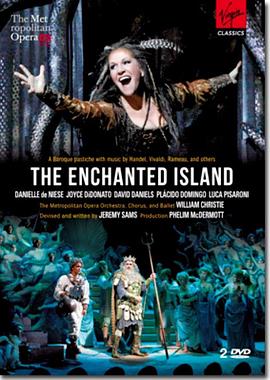
巴洛克集腋剧《魔幻岛》
/
大都会歌剧院高清转播系列
Overture
George Frideric Handel: Alcina, HWV 34
Act I
1. "My Ariel" (Prospero, Ariel) – "Ah, if you would earn your freedom" (Prospero)
Antonio Vivaldi: Cessate, omai cessate, cantata, RV 684, "Ah, ch’infelice sempre"
2. "My master, generous master – I can conjure you fire" (Ariel)
Handel: Il trionfo del Tempo e del Disinganno, oratorio, HWV 46a, Part I, "Un pensiero nemico di pace"
3. "Then what I desire" (Prospero, Ariel)
4. "There are times when the dark side – Maybe soon, maybe now" (Sycorax, Caliban)
Handel: Teseo, HWV 9, Act V, Scene 1, "Morirò, ma vendicata"
5. "The blood of a dragon – Stolen by treachery" (Caliban)
Handel: La Resurrezione, oratorio, HWV 47, Part I, Scene 1, "O voi, dell’Erebo"
6. "Miranda! My Miranda!" (Prospero, Miranda) – "I have no words for this feeling" (Miranda)
Handel: Notte placida e cheta, cantata, HWV 142, "Che non si dà"
7. "My master’s books" – "Take salt and stones" (Ariel)
Based on Jean-Philippe Rameau: Les fêtes d’Hébé, Deuxième entrée: La Musique, Scene 7, "Aimez, aimez d’une ardeur mutuelle"
8. Quartet: "Days of pleasure, nights of love" (Helena, Hermia, Demetrius, Lysander)
Handel: Semele, HWV 58, Act I, Scene 4, "Endless pleasure, endless love"
9. The Storm (chorus)
André Campra: Idoménée, Act II, Scene 1, "O Dieux! O justes Dieux!"
10. "I’ve done as you commanded" (Ariel, Prospero)
Handel: La Resurrezione, oratorio, HWV 47, "Di rabbia indarno freme"
11. "Oh, Helena, my Helen – You would have loved this island" (Demetrius)
Handel: La Resurrezione, oratorio, HWV 47, Part I, Scene 2, "Così la tortorella"
12. "Would that it could last forever – Wonderful, wonderful" (Miranda, Demetrius)
Handel: Ariodante, HWV 33, Act I, Scene 5, "Prendi, prendi"
13. "Why am I living?" (Helena)
Handel: Teseo, HWV 9, Act II, Scene 1, "Dolce riposo")
"The gods of good and evil – At last everything is prepared" (Sycorax)
Jean-Marie Leclair: Scylla et Glaucus, Act IV, Scene 4, "Et toi, dont les embrasements… Noires divinités"
14. "Mother, why not? – Mother, my blood is freezing" (Caliban)
Vivaldi: Il Farnace, RV 711, Act II, Scene 5 & 6, "Gelido in ogni vena"
15. "Help me out of this nightmare" – Quintet: "Wonderful, wonderful" (Helena, Sycorax, Caliban, Miranda, Demetrius)
Handel: Ariodante, HWV 33, Act I, Scene 5, recitative preceding "Prendi, prendi"
16. "Welcome Ferdinand – Wonderful, wonderful," reprise (Prospero, Miranda, Demetrius)
"All I’ve done is try to help you" (Prospero)
Vivaldi: Longe mala, umbrae, terrores, motet, RV 629, "Longe mala, umbrae, terrores"
17. "Curse you, Neptune" (Lysander)
Vivaldi: Griselda, RV 718, Act III, Scene 6, "Dopo un’orrida procella"
18. "Your bride, sir? "(Ariel, Lysander, Demetrius, Miranda) – Trio: "Away, away! You loathsome wretch, away!" (Miranda, Demetrius, Lysander)
Handel: Susanna, oratorio, HWV 66, Part II, "Away, ye tempt me both in vain"
19. "Two castaways – Arise! Arise, great Neptune" (Ariel)
Attr. Henry Purcell: The Tempest, or, The Enchanted Island, Z. 631, Act II, no. 3, "Arise, ye subterranean winds"
20. "This is convolvulus" (Helena, Caliban) – "If the air should hum with noises" (Caliban)
Handel: Deidamia, HWV 42, Act II, Scene 4, "Nel riposo e nel contento"
21. "Neptune the Great" (Chorus)
Handel: Four Coronation Anthems, HWV 258, "Zadok the priest"
22. Who dares to call me? (Neptune, Ariel)
Based on Handel: Tamerlano, HWV 18, "Oh, per me lieto"
"I’d forgotten that I was Lord" (Neptune, Chorus)
Rameau: Hippolyte et Aricie, Act II, Scene 3, "Qu’a server mon courroux"
23. "We like to wrestle destiny – Chaos, confusion" (Prospero)
Handel: Amadigi di Gaula, HWV 11, Act II, Scene 5, "Pena tiranna"
Act II
24. "My God, what’s this? – Where are you now?" (Hermia)
Handel: Hercules, oratorio, HWV 60, Act III, Scene 3, "Where shall I fly?"
25. "So sweet, laughing together – My strength is coming back to me" (Sycorax)
Vivaldi: Argippo, RV 697, Act I, Scene 1, "Se lento ancora il fulmine"
26. "Have you seen a young lady?" (Ariel, Demetrius, Helena, Caliban) – "A voice, a face, a figure half-remembered" (Helena)
Handel: Amadigi di Gaula, HWV 11, Act III, Scene 4, "Hanno penetrato i detti tuoi l’inferno"
27. "His name, she spoke his name" (Caliban)
Handel: Hercules, oratorio, HWV 60, Act III, Scene 2 "O Jove, what land is this? – I rage"
28. "Oh, my darling, my sister – Men are fickle" (Helena, Hermia)
Handel: Atalanta, HWV 35, Act II, Scene 3 – "Amarilli? – O dei!"
29. "I knew the spell" (Sycorax, Caliban) – "Hearts that love can all be broken" (Sycorax)
Giovanni Battista Ferrandini (attr. Handel): Il pianto di Maria, cantata, HWV 234, "Giunta l’ora fatal –Sventurati i miei sospiri"
30. "Such meager consolation – No, I’ll have no consolation" (Caliban)
Vivaldi: Bajazet, RV 703, Act III, Scene 7, "Verrò, crudel spietato"
31. Masque of the Wealth of all the World
a. Quartet: Caliban goes into his dream, "Wealth and love can be thine"
Rameau: Les Indes galantes, Act III, Scene 7, "Tendre amour"
b. Parade
Rameau: Les fêtes d’Hébé, Troisième entrée: Les Dances, Scene 7, Tambourin en rondeau
c. The Women and the Unicorn
Rameau: Les fêtes d’Hébé, Troisième entrée: Les Dances, Scene 7, Musette
d. The Animals
Jean-Féry Rebel: Les Éléments, Act I, Tambourins I & II
e. The Freaks – Chaos
Rameau: Hippolyte et Aricie, Act I, Tonnerre
f. Waking
Rameau: Les Indes galantes, Act III, Scene 7, "Tendre amour," reprise
[there is no No. 32]
33. "With no sail and no rudder – Gliding onwards" (Ferdinand)
Handel: Amadigi di Gaula, HWV 11, Act II, Scene 1, "Io ramingo – Sussurrate, onde vezzose"
34. Sextet: "Follow hither, thither, follow me" (Ariel, Miranda, Helena, Hermia, Demetrius, Lysander)
Handel: Il trionfo del Tempo e del Disinganno, oratorio, HWV 46a, Part II, Quartet: "Voglio tempo"
35. "Sleep now" (Ariel)
Vivaldi: Tito Manlio, RV 78, Act III, Scene 1, "Sonno, se pur sei sonno"
36. "Darling, it’s you at last" (Hermia, Lysander, Demetrius, Helena)
Vivaldi: La verità in cimento, RV 739, Act II, scene 9, "Anima mia, mio ben"
37. "The wat’ry God has heard the island’s pleas" (Chorus)
Handel: Susanna, oratorio, HWV 66, Part III, "Impartial Heav’n!"
38. "Sir, honored sir – I have dreamed you" (Ferdinand, Miranda)
Handel: Tanti strali al sen mi scocchi, cantata, HWV 197, "Ma se l’alma sempre geme"
39. "The time has come. The time is now" ("Maybe soon, maybe now," reprise) (Sycorax)
Handel: Teseo, HWV 9, Act V, Scene 1, "Morirò, ma vendicata"
40. "Enough! How dare you?" (Prospero, Neptune) – "You stand there proud and free – You have stolen the land" (Neptune)
Rameau: Castor et Pollux, Act V, Scene 1, "Castor revoit le jour"
41. "Lady, this island is yours" (Prospero, Caliban, Ariel) – "Forgive me, please forgive me" (Prospero)
Handel: Partenope, HWV 27, Act III, Scene 4, "Ch’io parta?"
42. "We gods who watch the ways of man" (Neptune, Sycorax, Chorus)
Handel: L’allegro, il Penseroso, ed il Moderato, HWV 55, Part I, "Come, but keep thy wonted state – Join with thee"
43. "This my hope for the future" (Prospero) – "Can you feel the heavens are reeling" (Ariel)
Vivaldi: Griselda, RV 718, Act II, scene 2, "Agitata da due venti"
44. "Now a bright new day is dawning" (Ensemble)
Handel: Judas Maccabaeus, oratorio, HWV 63, Part III, "Hallelujah"