Ignacio López Tarso — Actor (26)
The Paper Man (1963) [Movie] WikiData IMDb TMDB
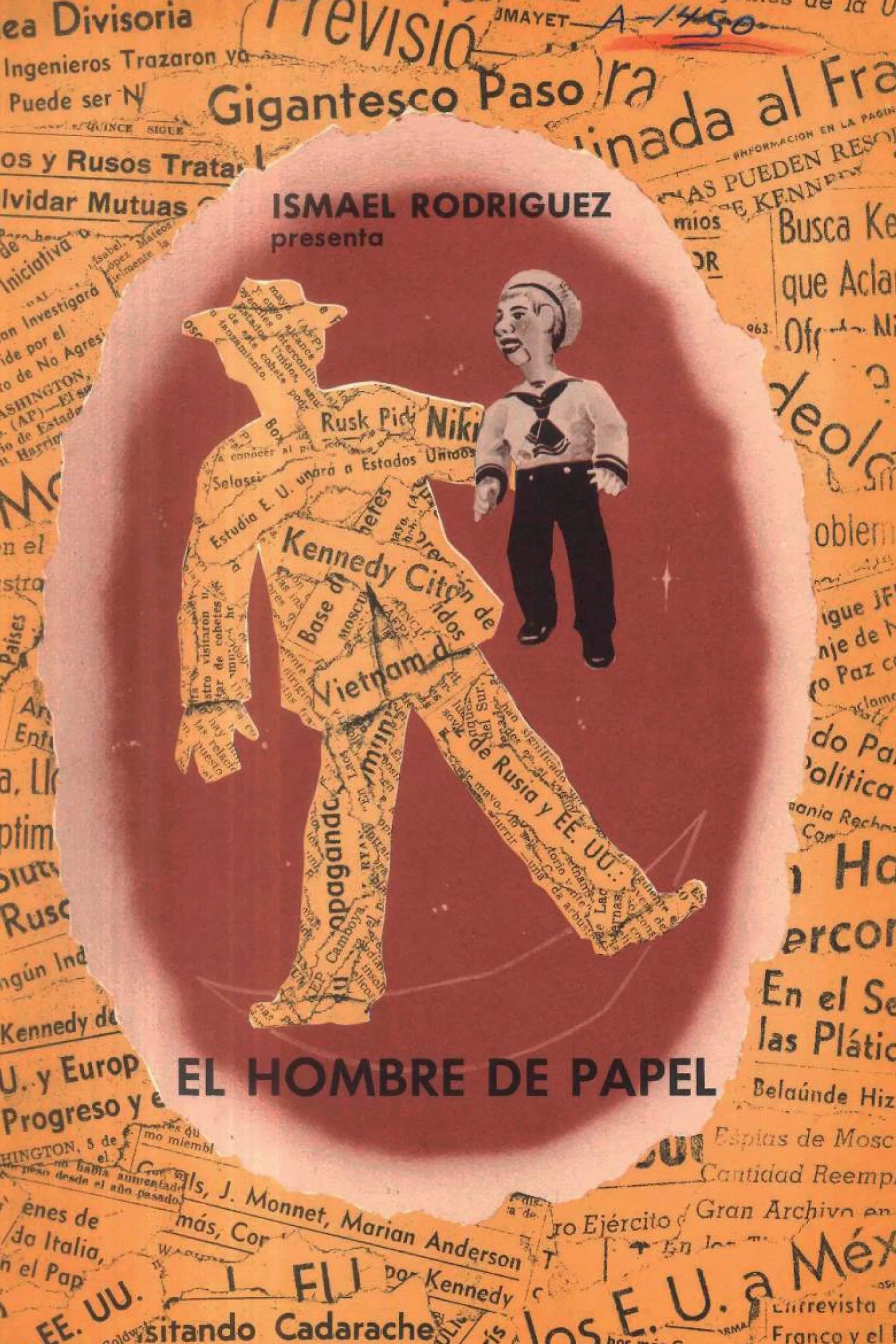
El hombre de papel
director: Ismael Rodríguez actor: Ignacio López Tarso / 阿莉达·瓦莉
other title: El hombre de papel / 纸人
A deaf and mute vagabond finds a large denomination bill in a Mexico City dump, and while he tries to buy something with it, others try to con him into giving it away.
Autumn Days (1963) [Movie] WikiData IMDb TMDB
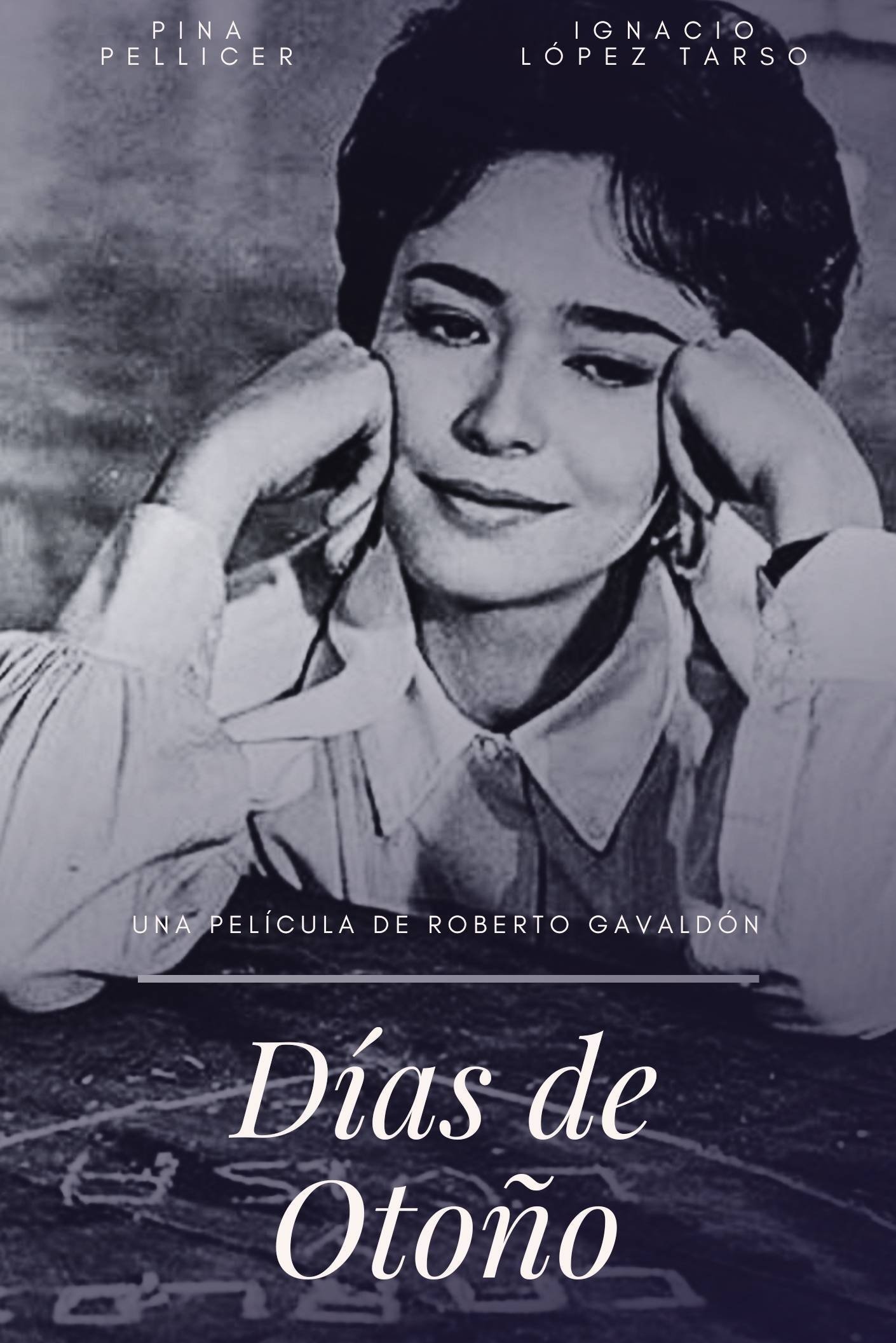
Días de otoño
director: Roberto Gavaldón actor: Pina Pellicer / Ignacio López Tarso
other title: Herbsttage / Jours d'automne
Luisa is a small-town girl who works in the bakery of the widower Don Albino. Luisa dreams of marrying and loves children. Just as Don Albino shows interest in her, Luisa announces that she will marry soon with Carlos, the driver of a rich house whom she met recently...
My Son, the Hero (1961) [Movie] WikiData IMDb TMDB
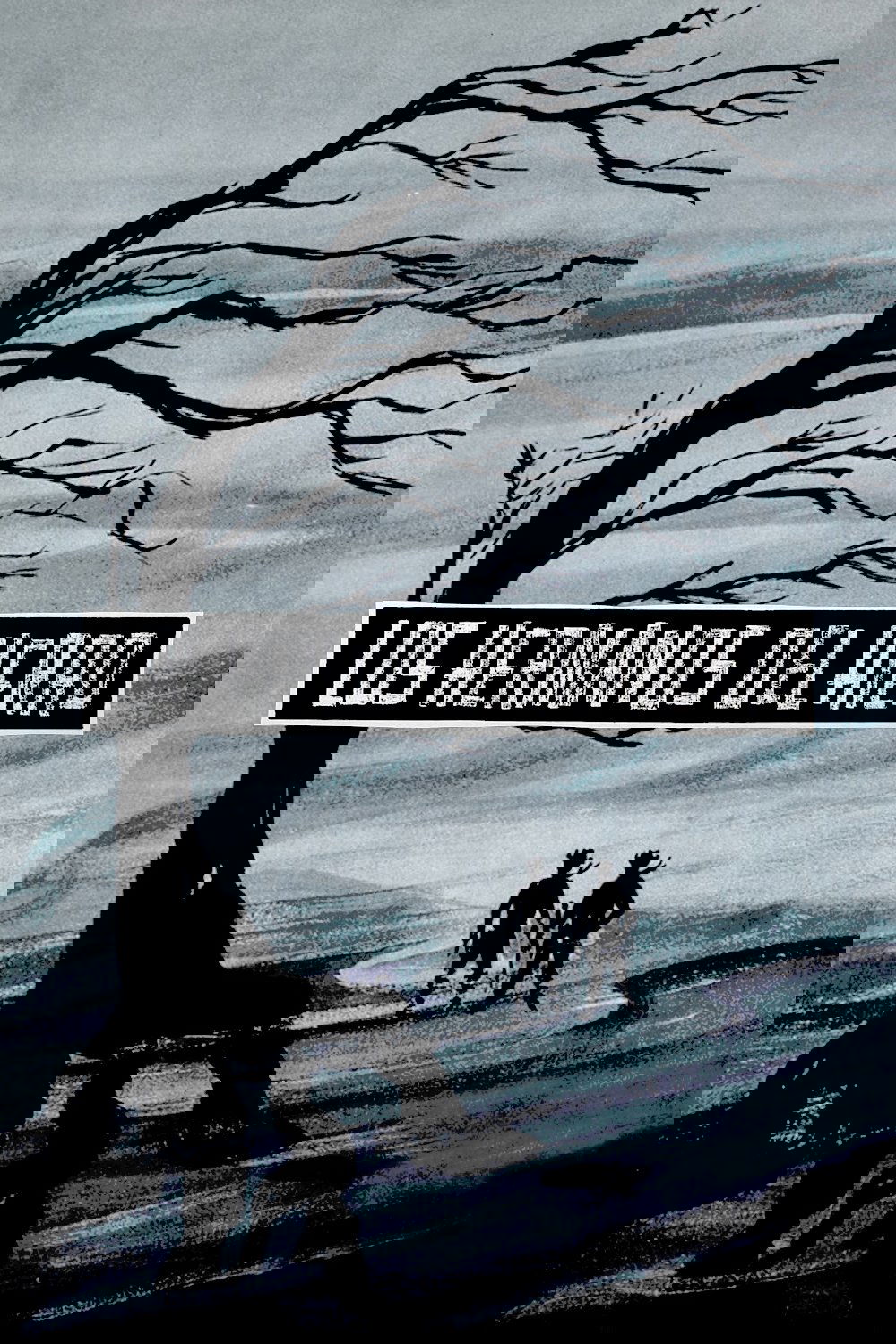
Los hermanos Del Hierro
director: Ismael Rodríguez actor: Antonio Aguilar / Julio Alemán
other title: Les Frères Del Hierro / Los hermanos Del Hierro
Northern Mexico, early 20th century. Reynaldo del Hierro is murdered while riding with his sons Reynaldo and Martín, whose mother instills in them the need for revenge.
White Rose (1961) [Movie] WikiData IMDb TMDB Douban
Rosa blanca
other title: 白玫瑰 / Rosa blanca
banned about 10 years by Mexican Goverment.
An illiterate Indian (Ignacio Lopez Tarso) lives an idyllic existence as a landowner on Mexico's Gulf Coast until the greed of a US oil company gets in the way. He is murdered and the lives of all those around him are irrevocably destroyed as the company takes over the land by crooked means. Based on the novel by B.Traven.
La Rosa Blanca, directed by Roberto Gavaldon, is an exquisite work featuring cinematography by the illustrious Gabriel Figueroa. Originally completed in 1961, it was canned for eleven years because of its highly political nature. Mexico was suffering from the effects of a boom and bust oil economy during the early 1960s, therefore making its subject matter sensitive. It has often been mischaracterized as being anti-American: it is not. The film is, however, against the exploitative nature of oil corporations, a poignant fact that has significant value today.