Ако — Actor (4)
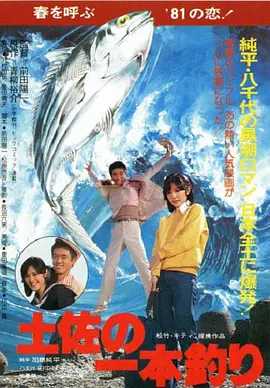
The First Catch (1980) [Movie] IMDb TMDB Douban
土佐の一本釣り
director: 前田阳一 actor: 中村亚湖 / Kai Ato
other title: 土佐の一本釣り
A graduate of junior high school joins other locals and becomes a fisherman. He has a girlfriend who is two years older than he. Typically when the fishermen return to land they go for alcohol and prostitutes and the young man not only does the same, but also tells his girlfriend he will do so. While having sex with a prostitute he covers his eyes with a towel, imagines his squeeze and also utters his girlfriend's name. This is his, and other locals', story.
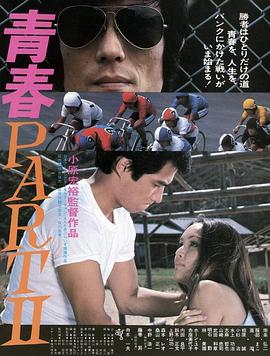
Youth - Part II (1979) [Movie] IMDb TMDB Douban
青春 PART II
director: 小原宏裕 actor: 南条弘二 / 服部まこ
other title: 青春部分II / 青春 PART II
Isamu, a star athlete in high school, becomes a race cyclist. He wins his debut races, but soon his opponents see through his lack of strategy and beat him easily. Isamu's maths teacher, a race cycling freak, says he knows the solution to Isamu's problem. But will Isamu listen to him?
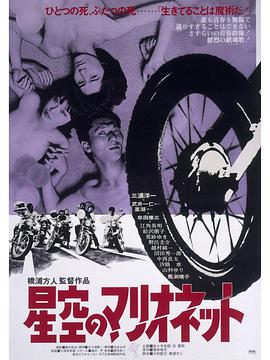
Puppets Under Starry Skies (1978) [Movie] IMDb TMDB Douban
星空のマリオネット
director: 橋浦方人 actor: 三浦洋一 / 武井一仁
other title: 木偶的星空 / 星空のマリオネット
A young Japanese man finds himself in the company of a strange, effeminate gay man and a girl with a seedy sexual history and who even now is pregnant again. They share a predisposition for drug use and spend time together in an old house. He refuses the advances of the gay man, who then commits suicide. When a gang administers a beating to him, his father re-enters the scene and takes him home, along with the girl. However, the girl has decided to have her baby, and she goes to live with its father.
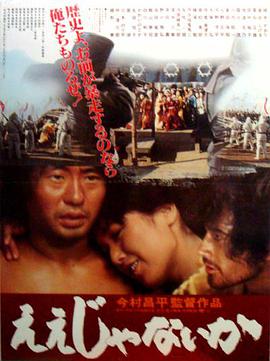
Eijanaika (1981) [Movie] WikiData IMDb TMDB Douban
ええじゃないか
7.7 (7 ratings) director: 今村昌平 actor: 桃井薰 / 泉谷茂
other title: 乱世浮生 / ええじゃないか
The film depicts carnivalesque atmosphere summed up by the cry "Ei ja nai ka" ("Why not?") in Japan in 1867 and 1868 in the days leading to the Meiji Restoration. It examines the effects of the political and social upheaval of the time, and culminates in a revelrous march on the Tokyo Imperial Palace, which turns into a massacre. Characteristically, Imamura focuses not on the leaders of the country, but on characters in the lower classes and on the fringes of society.