Lotte Reiniger — Director (29)

Movie

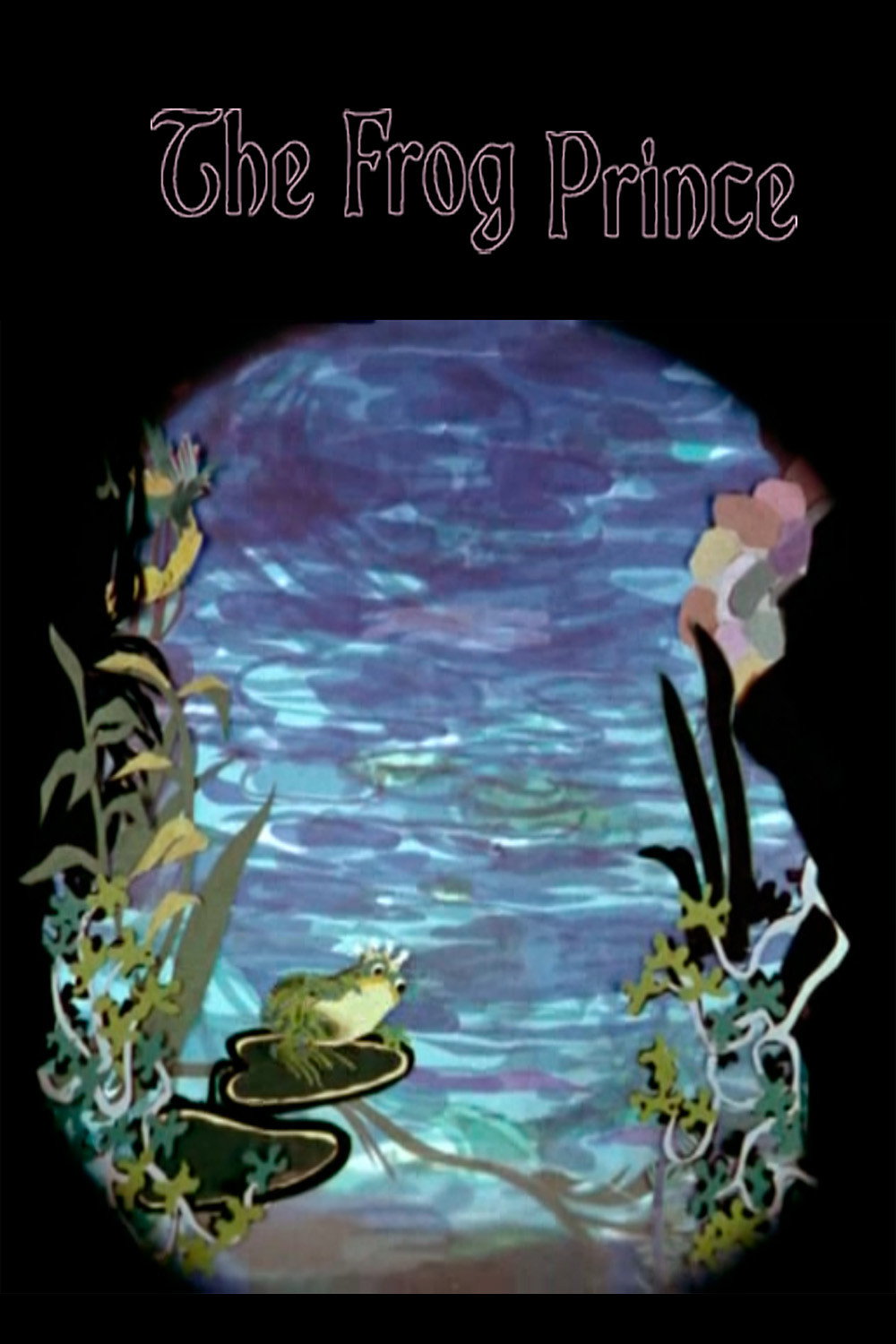
El príncipe rana (1961)
The Frog Prince IMDb TMDB
other title: Der Froschkönig / The Frog Prince
Segunda adaptación de este cuento realizada por Lotte Reiniger, tras la de 1954, esta vez en color.

Movie

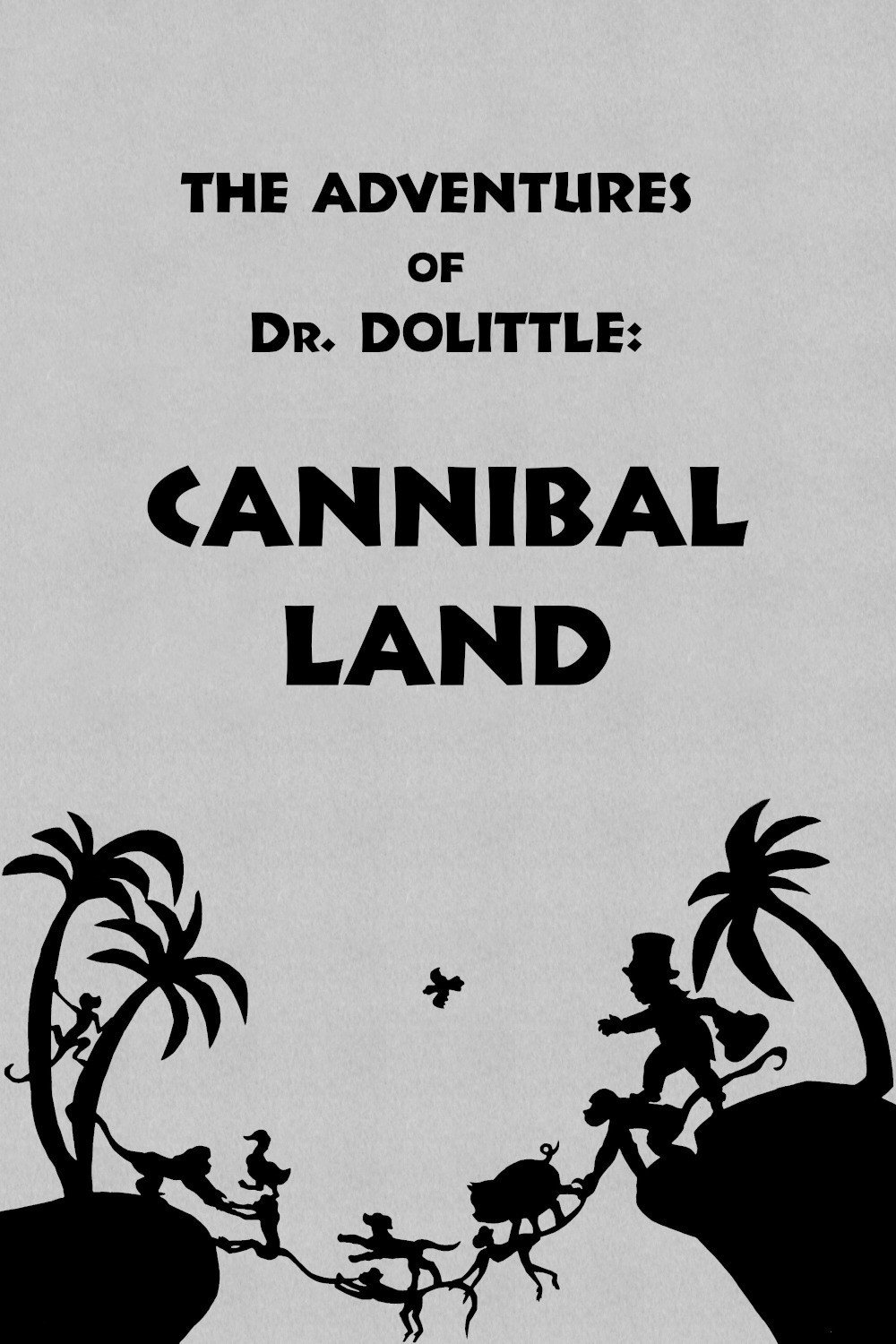
The Adventures of Dr. Dolittle: Tale 2 - Cannibal Land (1928)
Doktor Dolittle und seine Tiere: Teil 2 – Die Affenbrücke - Dr. Dolittle in Gefahr TMDB
other title: Doktor Dolittle und seine Tiere: Teil 2 – Die Affenbrücke - Dr. Dolittle in Gefahr
On his way inland, Dr. Dolittle and his animals encounter a nasty surprise. Natives capture them and hold them under lock and key.

Movie

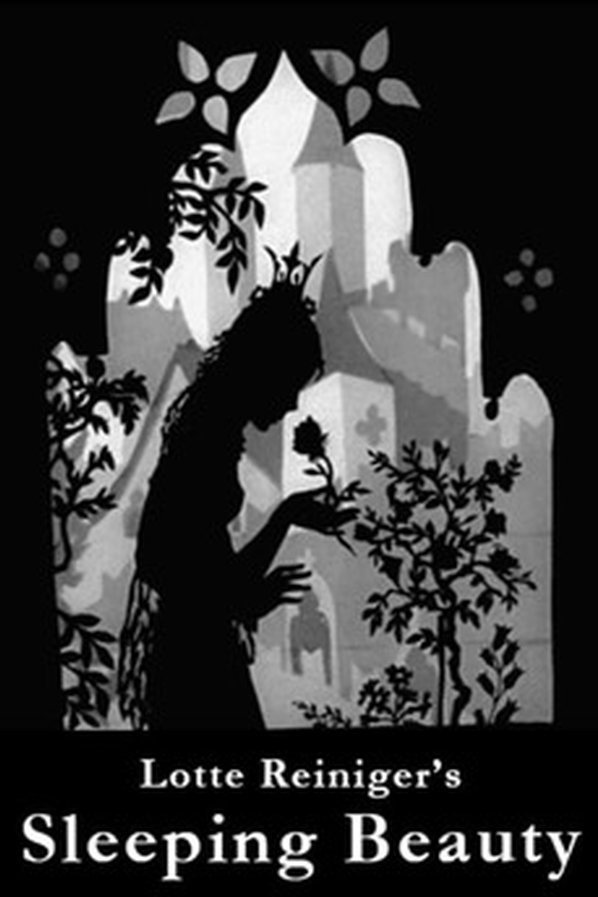
Sleeping Beauty (1922)
Dornröschen WikiData IMDb TMDB
other title: Dornröschen
A king and queen celebrate their daughter’s birth, but a forgotten fairy curses her to die by pricking her finger on a spindle. Another fairy softens the curse, allowing her to sleep for a hundred years. Despite efforts to remove all spindles, the princess pricks her finger and falls asleep, along with the entire castle.

Movie

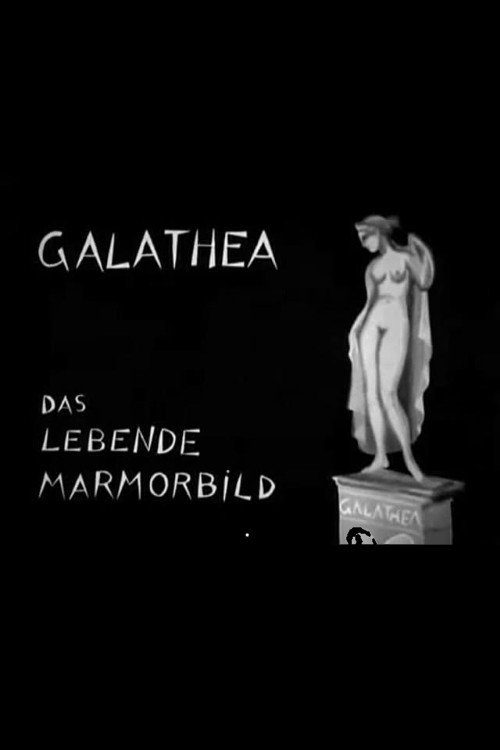
Galathea (1935)
Galathea: Das lebende Marmorbild IMDb TMDB
other title: Galathea: Das lebende Marmorbild
Pioneer of silhouette animation, Lotte Reiniger, uses this technique in a retelling of the Greek legend in which the sculptor, Pygmalion, brings a statue to life.

Movie

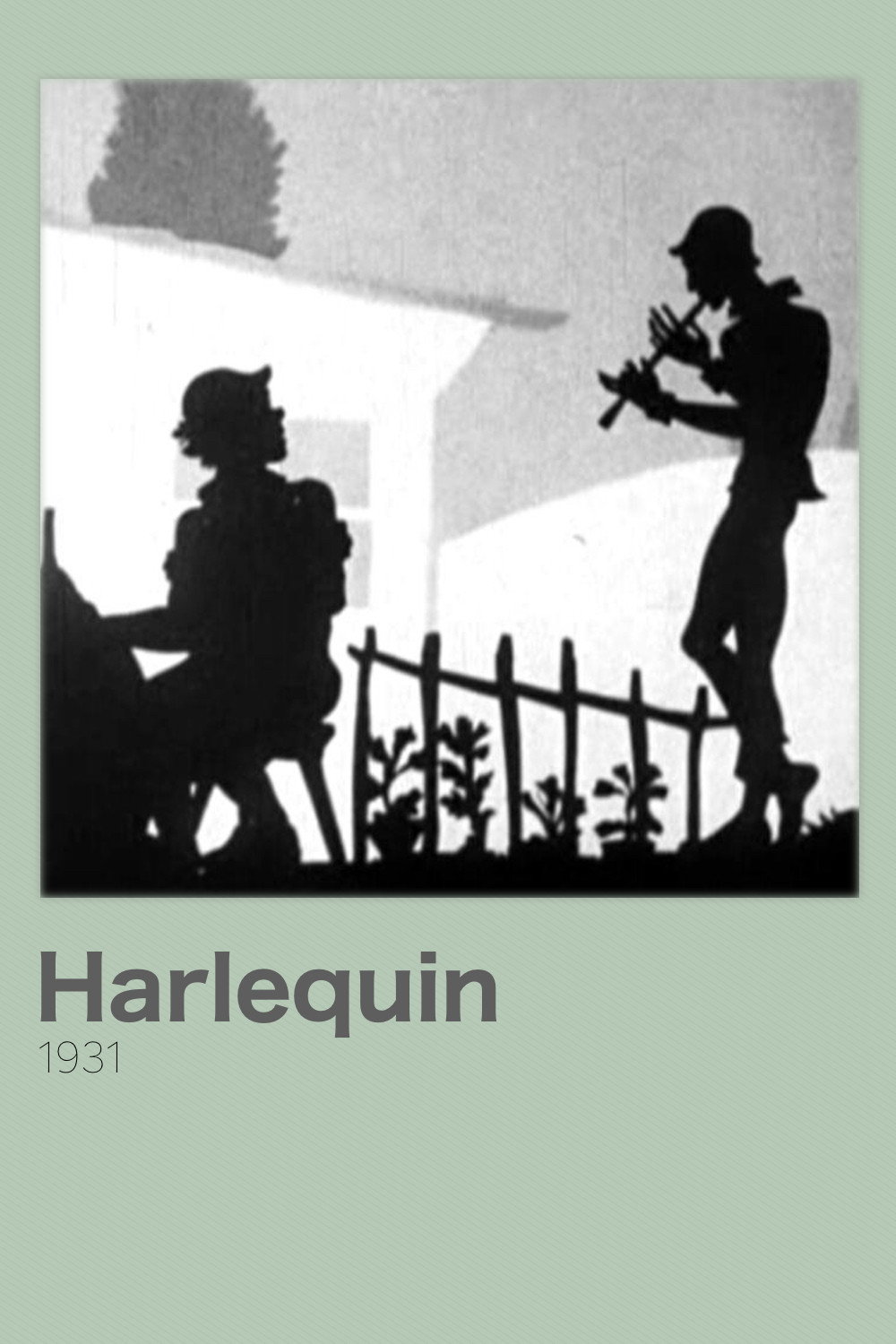
Harlequin (1931)
Harlekin IMDb TMDB
other title: Harlekin / Arlequin
A love story set to a baroque score, HARLEQUIN is a delicate black-and-white ballet rendered through exquisitely detailed silhouettes.

Movie

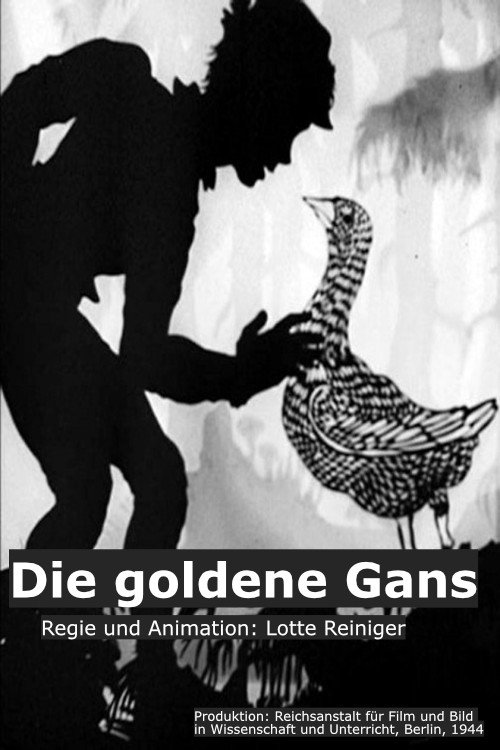
The Golden Goose (1944)
Die goldene Gans IMDb TMDB
other title: Die goldene Gans / El ganso de oro
Because Dummling has a good heart, fate leads him to a princess waiting for rescue.

Movie

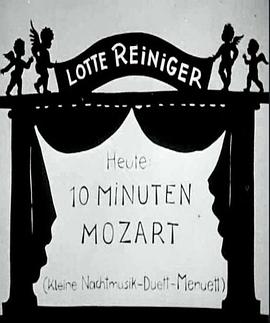
Ten Minutes with Mozart (1930)
Zehn Minuten Mozart IMDb Douban
other title: 莫扎特的十分钟 / Zehn Minuten Mozart
The animation begins with the first movement of Eine kleine Nachtmusik. The first shot opens with a clown, soon to join a revelling troup of 'Viennese' partygoers that are gathering in a nearby building for a soirée. Following them is a young man who tries to steal the affections of a maid from her 'fiancée' before she enters. The next scene is indoors for the dance, accompanied by the third movement of Eine kleine Nachtmusik. The young man spies the young girl, alone and unhappy surrounded by the gaiety, through the glass. He acquires the costume of a passing pleasure seeker, and joins the affair. The girl has now moved to the garden; the young man, still in disguise, presents himself to her, accompanied by the second movement of Eine kleine Nachtmusik. He begins to speak to her, while kneeling, to the duet 'Il core vi dono' ('I give you my heart') from Così Fan Tutte. At the conclusion of the duet his identity is brought to light and the two entwine. At last, they return to the dance, accompanied by a minuet (Divertimento in D, K.334).
Movie

Aschenputtel (1922)
Aschenputtel WikiData IMDb TMDB Douban
other title: 灰姑娘 / Cinderella …
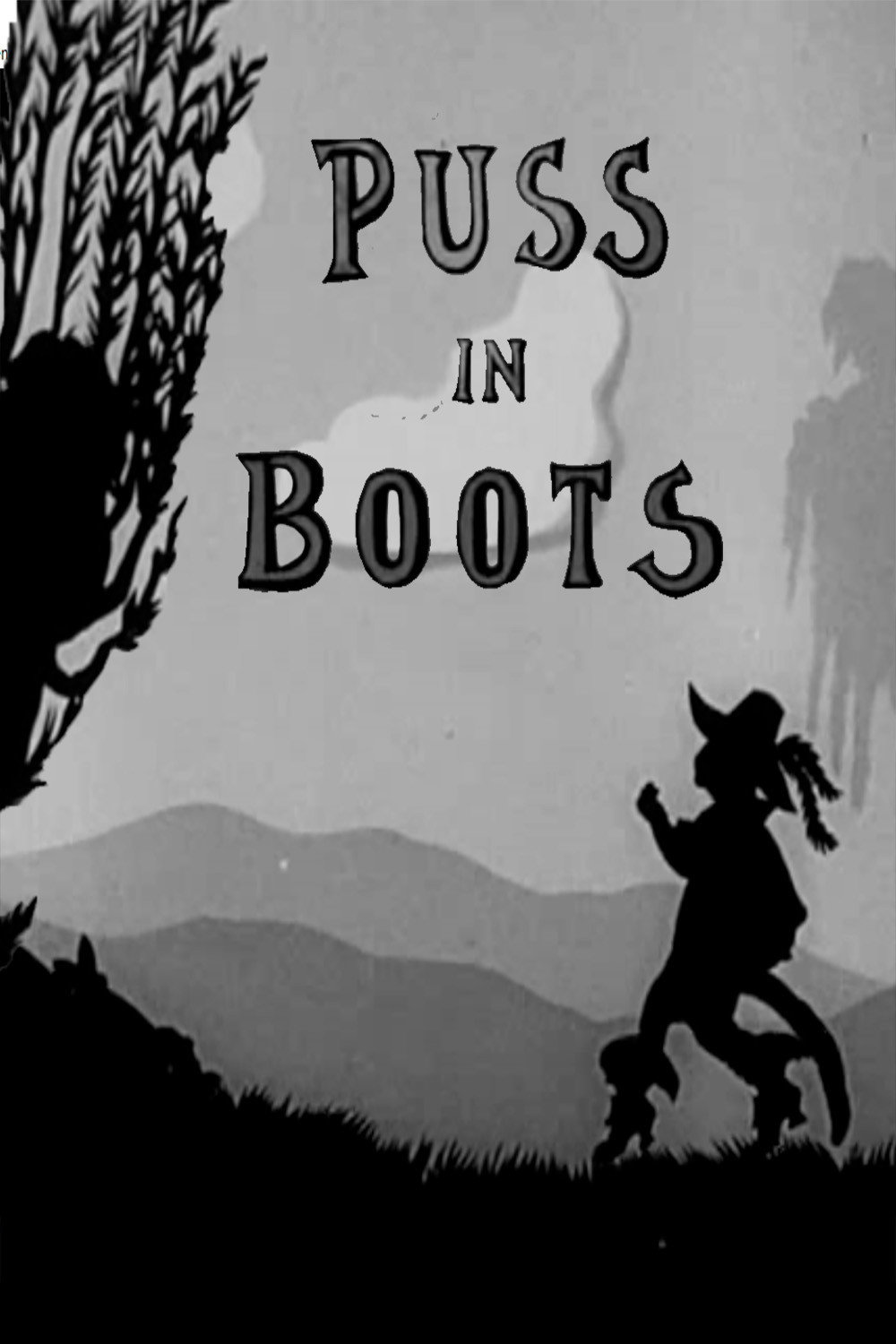
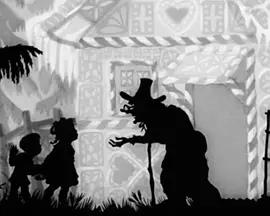
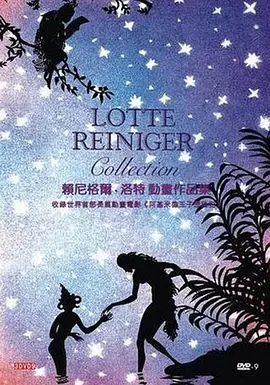
For those unaware of Reiniger or her prolific output, it should be immediately noted that not only was she a distinctive filmmaker but also a pioneering one. The earliest short on this collection, a version of Cinderella from 1922, describes itself as being “told by a pair of scissors on a screen” and this is exactly how she worked. Reiniger’s films were all made in a singular silhouette style: intricately designed figures delicately animated against simple backgrounds to retell popular and much-loved stories, predominantly fairy tales as this collection suggests. As well as Cinderella we also find Thumbelina, Puss in Boots, Hansel and Gretel, Jack and the Beanstalk and so on, the tales of Brothers Grimm intermingling with the tales from the One Thousand and One Nights. Yet interestingly her technique and style came effectively fully-formed. New technologies would see her films move from silent to sound and from black and white to occasional colour, yet the basic ingredients never once change. Compare the 1922 Cinderella with the 1954 version also included on this set and you’ll see how much the two resemble each other in their briskness of pace, their fundamental character designs and their overall charm – only the fact that the latter was made for US television suggests why some of the more grotesque elements have been toned down. (As a complete contrast note the extreme differences between the two versions of Cinderella found on Disney’s now deleted two-disc special edition, the first also made in 1922, the latter being the 1949 feature; other than the source and the Disney name on both there really is only the bare minimum to connect the two.)