Alanis Obomsawin — Producer (4)
Spudwrench - Kahnawake Man (1998) [Movie] WikiData IMDb TMDB
Spudwrench - Kahnawake Man
director: Alanis Obomsawin
other title: Spudwrench : l'homme de Kahnawake
This documentary by acclaimed filmmaker Alanis Obomsawin introduces us to Randy Horne, a high steel worker from the Mohawk community of Kahnawake, near Montreal. As a defender of his people's culture and traditions, he was known as "Spudwrench" during the 1990 Oka crisis. Offering a unique look behind the barricades at one man's impassioned defence of sacred territory, the film is both a portrait of Horne and the generations of daring Mohawk construction workers that have preceded him.
Waban-Aki: People from Where the Sun Rises (2006) [Movie] WikiData IMDb TMDB
Waban-Aki: People from Where the Sun Rises
director: Alanis Obomsawin
other title: Waban-Aki: People From Where the Sun Rises
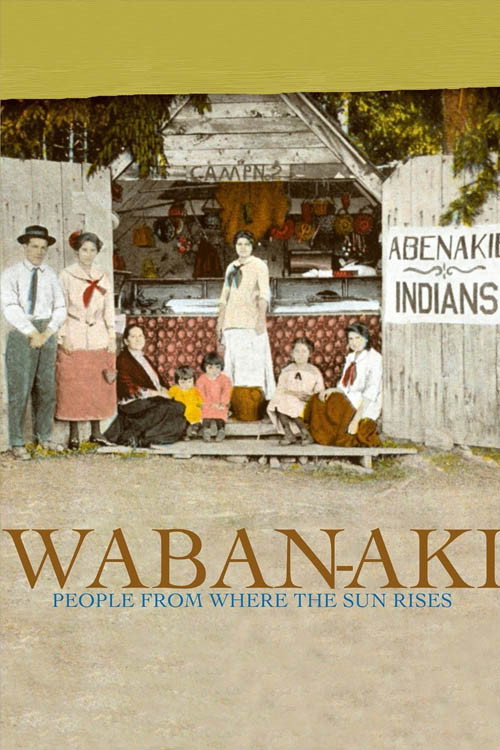
Having dedicated nearly four decades to chronicling the lives of Canada's First Nations, Alanis Obomsawin returns to the village where she was raised to tell her own people's history of prosperity, displacement, endurance, and revitalization.
Mother of Many Children (1977) [Movie] WikiData IMDb TMDB
Mother of Many Children
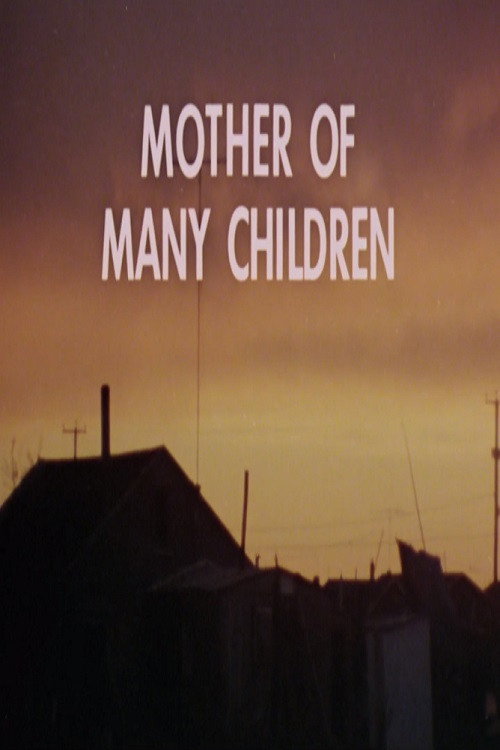
This film is an album of Native womanhood, portraying a proud matriarchal society that for centuries has been pressured to adopt different standards and customs. All of the women featured share a belief in the importance of tradition as a source of strength in the face of change.
Jordan River Anderson, The Messenger (2019) [Movie] WikiData IMDb TMDB
Jordan River Anderson, The Messenger
other title: Jordan River Anderson, le messager / Jordan River Anderson, the Messenger
The story of a young boy forced to spend all five years of his short life in hospital while the federal and provincial governments argued over which was responsible for his care, as well as the long struggle of Indigenous activists to force the Canadian government to enforce “Jordan’s Principle” — the promise that no First Nations children would experience inequitable access to government-funded services again.