陈健 — 作者 (10)
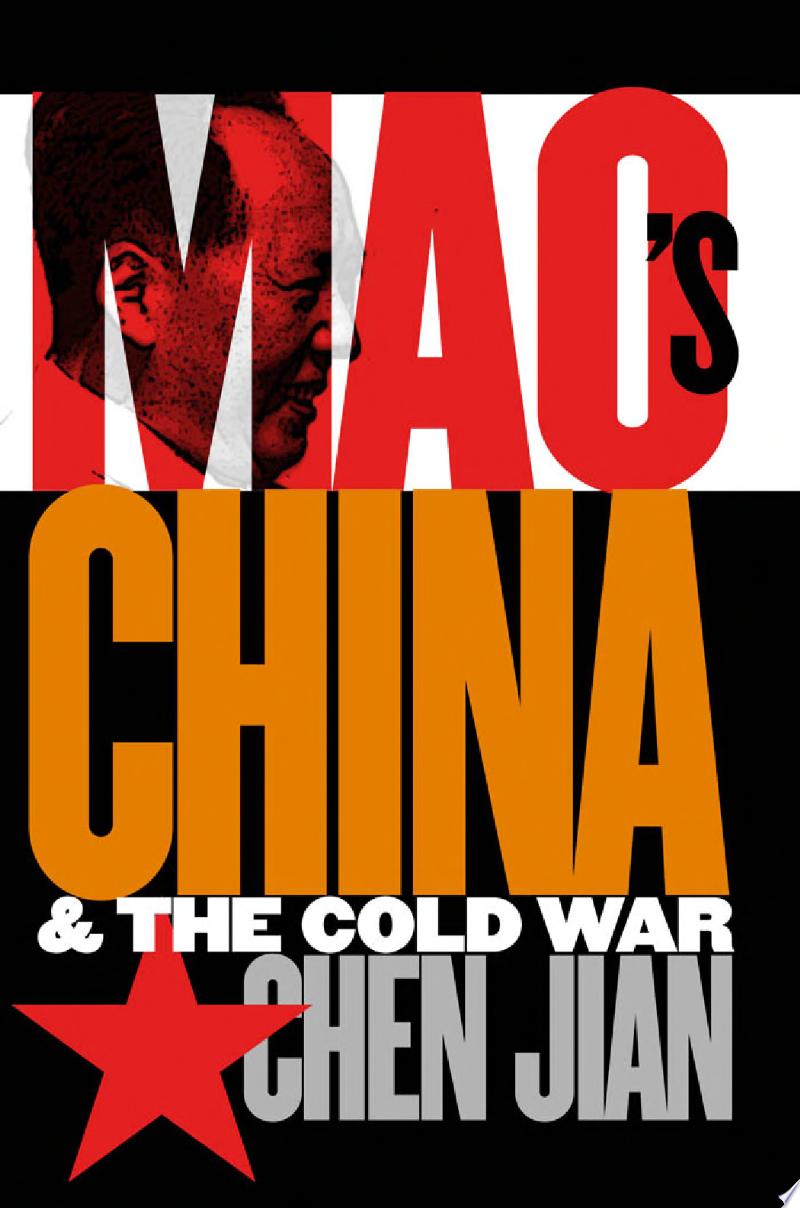
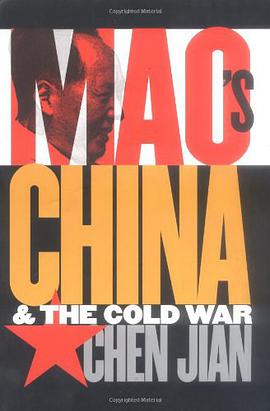
Mao's China and the Cold War [图书] 豆瓣 Goodreads
This comprehensive study of China's Cold War experience reveals the crucial role Beijing played in shaping the orientation of the global Cold War and the confrontation between the United States and the Soviet Union.
The success of China's Communist revolution in 1949 set the stage, Chen says. The Korean War, the Taiwan Strait crises, and the Vietnam War--all of which involved China as a central actor--represented the only major "hot" conflicts during the Cold War period, making East Asia the main battlefield of the Cold War, while creating conditions to prevent the two superpowers from engaging in a direct military showdown. Beijing's split with Moscow and rapprochement with Washington fundamentally transformed the international balance of power, argues Chen, eventually leading to the end of the Cold War with the collapse of the Soviet Empire and the decline of international communism.
Based on sources that include recently declassified Chinese documents, the book offers pathbreaking insights into the course and outcome of the Cold War.
The success of China's Communist revolution in 1949 set the stage, Chen says. The Korean War, the Taiwan Strait crises, and the Vietnam War--all of which involved China as a central actor--represented the only major "hot" conflicts during the Cold War period, making East Asia the main battlefield of the Cold War, while creating conditions to prevent the two superpowers from engaging in a direct military showdown. Beijing's split with Moscow and rapprochement with Washington fundamentally transformed the international balance of power, argues Chen, eventually leading to the end of the Cold War with the collapse of the Soviet Empire and the decline of international communism.
Based on sources that include recently declassified Chinese documents, the book offers pathbreaking insights into the course and outcome of the Cold War.
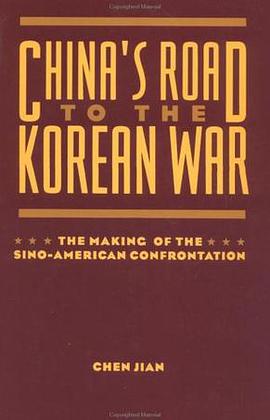
China's Road to the Korean War: The Making of the Sino-American Confrontation [图书] 豆瓣 Goodreads
Through the use of recently released Chinese documents, conversations with People's Republic of China scholars, and in-depth interviews with people who were present at key decision-making meetings, this book aims to discover China and the USSR's roles in the outbreak of the Korean conflict.
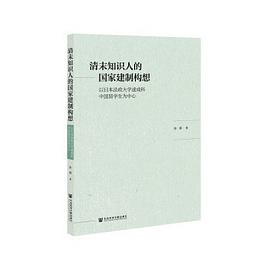
清末知识人的国家建制构想 [图书] 豆瓣
本书主要探讨了以杨度、汪精卫、胡汉民为代表的留学生群体在20世纪初留学日本法政大学速成科后习得的国家观念,分析这些国家观念对他们政治主张和政治活动的影响。书稿从日本法政大学的创办和教育内容入手,分析杨度、汪精卫、胡汉民等人在该校学习的情况,分析他们各自的思想来源,最终分析了日本法政大学法政速成科对中国近代国家观念形成的影响。作者在书中指出,法政大学速成科讲授的法政知识,对于当日中国留学生接受西学知识、传播现代政治思想以至于中国近代社会文化的转型提供了全新的“思想资源”和“概念工具”,成为清末知识人走出传统、批判专制、追求宪制的重要影响因子。
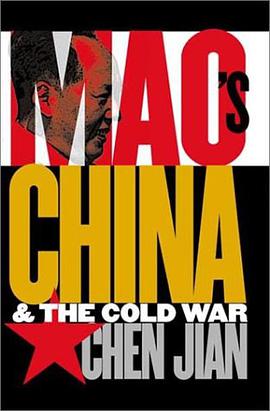
Mao's China and the Cold War [图书] 谷歌图书
This comprehensive study of China's Cold War experience reveals the crucial role Beijing played in shaping the orientation of the global Cold War and the confrontation between the United States and the Soviet Union.
The success of China's Communist revolution in 1949 set the stage, Chen says. The Korean War, the Taiwan Strait crises, and the Vietnam War--all of which involved China as a central actor--represented the only major "hot" conflicts during the Cold War period, making East Asia the main battlefield of the Cold War, while creating conditions to prevent the two superpowers from engaging in a direct military showdown. Beijing's split with Moscow and rapprochement with Washington fundamentally transformed the international balance of power, argues Chen, eventually leading to the end of the Cold War with the collapse of the Soviet Empire and the decline of international communism.
Based on sources that include recently declassified Chinese documents, the book offers pathbreaking insights into the course and outcome of the Cold War.
The success of China's Communist revolution in 1949 set the stage, Chen says. The Korean War, the Taiwan Strait crises, and the Vietnam War--all of which involved China as a central actor--represented the only major "hot" conflicts during the Cold War period, making East Asia the main battlefield of the Cold War, while creating conditions to prevent the two superpowers from engaging in a direct military showdown. Beijing's split with Moscow and rapprochement with Washington fundamentally transformed the international balance of power, argues Chen, eventually leading to the end of the Cold War with the collapse of the Soviet Empire and the decline of international communism.
Based on sources that include recently declassified Chinese documents, the book offers pathbreaking insights into the course and outcome of the Cold War.
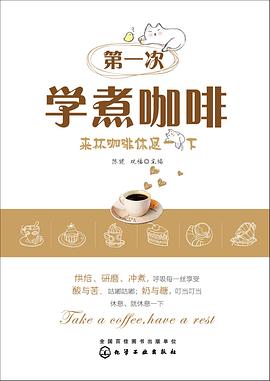
第一次学煮咖啡 [图书] 豆瓣
咖啡的历史和文化,咖啡豆的成长,咖啡豆的选购、烘焙和研磨,冲煮好咖啡的基础和标准,咖啡品饮礼仪,冲煮咖啡的必备工具,咖啡壶的使用技巧,花式咖啡高手进阶,60款经典咖啡、流行咖啡、冰咖啡的制作与品鉴…… 所有新手想了解的咖啡知识,本书一次精彩收录!
新手必备咖啡工具书,慵懒的午后,亲自动手,煮一杯暖暖的咖啡吧。
❤你是只喝速溶咖啡的“咖啡控”吗?
❤你喜欢在闲暇的午后来点小享受吗?
❤来杯咖啡休息一下吧
闲暇的午后,咖啡液在咕嘟咕嘟地沸腾,一呼一吸间香气充盈全身;
咋一口黑咖啡的酸与苦,抑或让奶与糖叮当叮当地旋转在杯中。
从让羊跳舞的神秘红色魔豆,到每日捧在手中的香浓咖啡,
咖啡的历史与文化,咖啡豆的烘焙与研磨,各式咖啡壶的操作……
关于咖啡的一切,你都可以在《第一次学煮咖啡》中找到答案。
也许你还不会冲煮咖啡,但是不能不懂咖啡。
新手必备咖啡工具书,慵懒的午后,亲自动手,煮一杯暖暖的咖啡吧。
❤你是只喝速溶咖啡的“咖啡控”吗?
❤你喜欢在闲暇的午后来点小享受吗?
❤来杯咖啡休息一下吧
闲暇的午后,咖啡液在咕嘟咕嘟地沸腾,一呼一吸间香气充盈全身;
咋一口黑咖啡的酸与苦,抑或让奶与糖叮当叮当地旋转在杯中。
从让羊跳舞的神秘红色魔豆,到每日捧在手中的香浓咖啡,
咖啡的历史与文化,咖啡豆的烘焙与研磨,各式咖啡壶的操作……
关于咖啡的一切,你都可以在《第一次学煮咖啡》中找到答案。
也许你还不会冲煮咖啡,但是不能不懂咖啡。
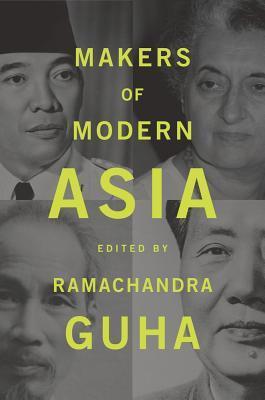
Makers Of Modern Asia [图书] Goodreads
Hardly more than a decade old, the twenty-first century has already been dubbed the Asian Century in recognition of China and India's increasing importance in world affairs. Yet discussions of Asia seem fixated on economic indicators--gross national product, per capita income, share of global trade. Makers of Modern Asia reorients our understanding of contemporary Asia by highlighting the political leaders, not billionaire businessmen, who helped launch the Asian Century.
The nationalists who crafted modern Asia were as much thinkers as activists, men and women who theorized and organized anticolonial movements, strategized and directed military campaigns, and designed and implemented political systems. The eleven thinker-politicians whose portraits are presented here were a mix of communists, capitalists, liberals, authoritarians, and proto-theocrats--a group as diverse as the countries they represent.
From China, the world's most populous country, come four: Mao Zedong, leader of the Communist Revolution; Zhou Enlai, his close confidant; Deng Xiaoping, purged by Mao but rehabilitated to play a critical role in Chinese politics in later years; and Chiang Kai-shek, whose Kuomintang party formed the basis of modern Taiwan. From India, the world's largest democracy, come three: Mohandas Gandhi, Jawaharlal Nehru, and Indira Gandhi, all of whom played crucial roles in guiding India toward independence and prosperity. Other exemplary nationalists include Vietnam's Ho Chi Minh, Indonesia's Sukarno, Singapore's Lee Kuan Yew, and Pakistan's Zulfiqar Ali Bhutto. With contributions from leading scholars, Makers of Modern Asia illuminates the intellectual and ideological foundations of Asia's spectacular rise to global prominence.
The nationalists who crafted modern Asia were as much thinkers as activists, men and women who theorized and organized anticolonial movements, strategized and directed military campaigns, and designed and implemented political systems. The eleven thinker-politicians whose portraits are presented here were a mix of communists, capitalists, liberals, authoritarians, and proto-theocrats--a group as diverse as the countries they represent.
From China, the world's most populous country, come four: Mao Zedong, leader of the Communist Revolution; Zhou Enlai, his close confidant; Deng Xiaoping, purged by Mao but rehabilitated to play a critical role in Chinese politics in later years; and Chiang Kai-shek, whose Kuomintang party formed the basis of modern Taiwan. From India, the world's largest democracy, come three: Mohandas Gandhi, Jawaharlal Nehru, and Indira Gandhi, all of whom played crucial roles in guiding India toward independence and prosperity. Other exemplary nationalists include Vietnam's Ho Chi Minh, Indonesia's Sukarno, Singapore's Lee Kuan Yew, and Pakistan's Zulfiqar Ali Bhutto. With contributions from leading scholars, Makers of Modern Asia illuminates the intellectual and ideological foundations of Asia's spectacular rise to global prominence.