Vladimir Munkuev — Playwright (3)

Movie

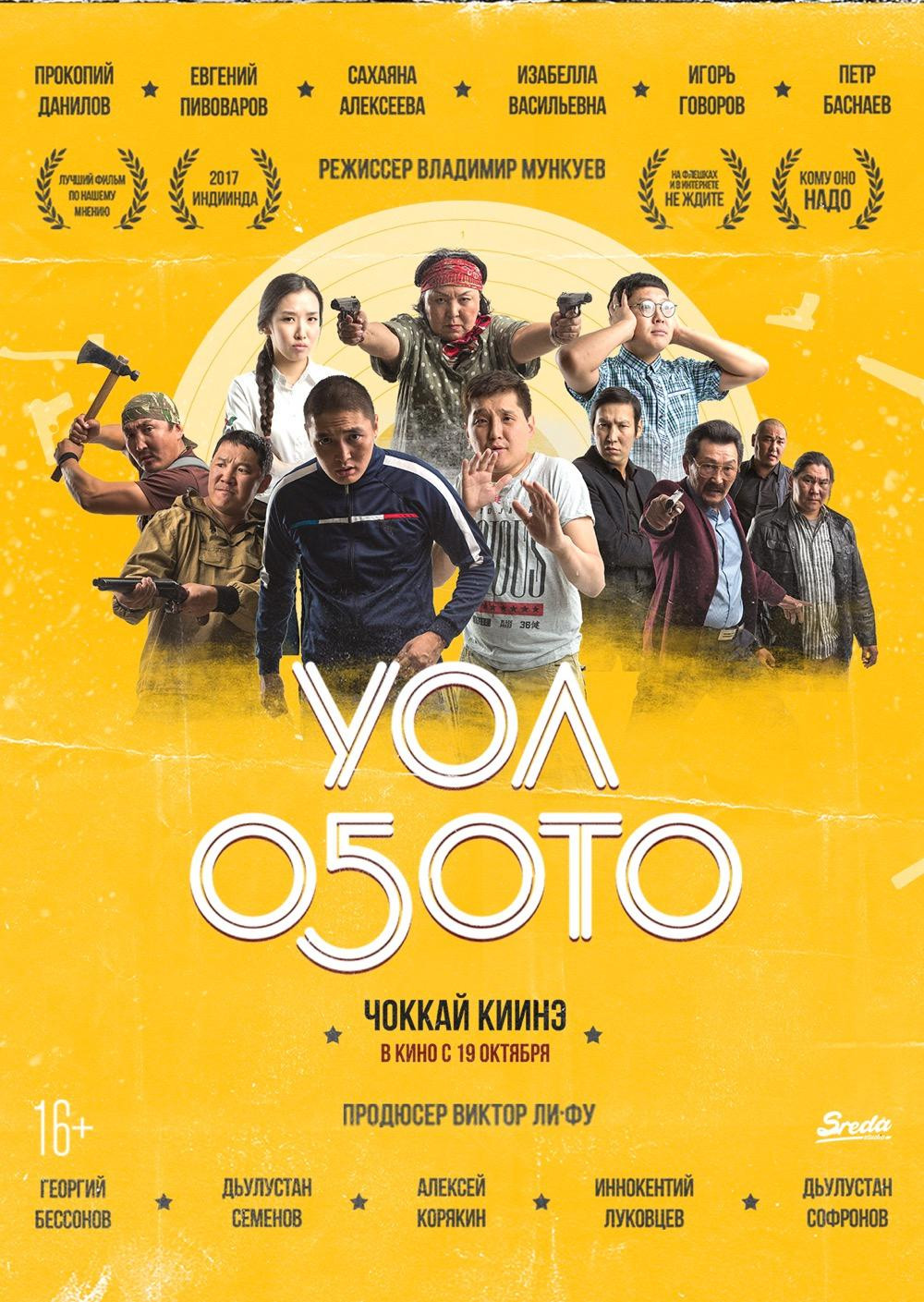
Dude (2017)
Уол оҕото TMDB
other title: Уол оҕото
Two friends escape from the village to the city in search of a better life. However, finding your place in the city is not as easy as it seemed at first. After making several unsuccessful attempts to earn money and spending the last money on entertainment, the heroes begin to engage in petty crime, not realizing what this can lead to.

Movie

Konchitsya leto (2025)
Douban
马克西姆·阿布盖夫 / Vladimir Munkuev actor: 尤拉·鲍里索夫 / 马卡尔·赫列布尼科夫 …
other title: Кончится лето
After a long absence, the young guy Kesha returns to the village. His father and younger brother are waiting for him. Kesha - twenty-seven. He has time behind him. He returned and wants to just live - find some work, save up money, and then decide what to do next. His brother Tima is only seventeen. He has a school behind him, he dreams of going to college - on a "budget". And everything seems to be going according to plan. Tima gets high scores at the introductory, Kesha gets a job in a gold mining artel. But very quickly, Kesha is "thrown" by prospectors, and he is left without a job and a future and decides to take revenge. He steals the gold and goes on the run. But not alone, but together with his younger brother.

Movie

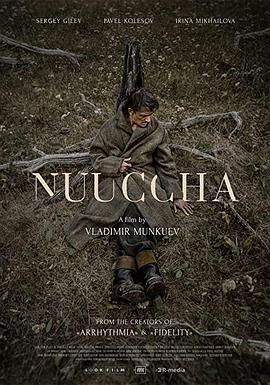
Rus (2021)
Нуучча WikiData IMDb TMDB Douban
other title: 雅库特的春天 / Нуучча …
A poor Yakut couple have just buried their newborn child and they are now preparing for the harsh winter ahead. When the local governor, installed by the tsarist authorities, instructs them to take in a Russian political prisoner, they have no choice but to comply. The foreigner’s presence, however, encroaches upon their lives more than they had anticipated… Set in the late 19th century, Nuuccha (Yakut for “Russian”) was inspired by the writings of Polish author Wacław Sieroszewski, who became acquainted with Yakut culture and traditions during his years in Siberian exile. This evocative drama by debuting director Vladimir Munkuev is a striking example of lesser known Yakut cinema, while it also contributes significantly to the debate on the impact of colonisation and forced assimilation within tsarist Russia.