Cesare Zavattini — Playwright (43)
The Awakening (1956) [Movie] WikiData IMDb TMDB
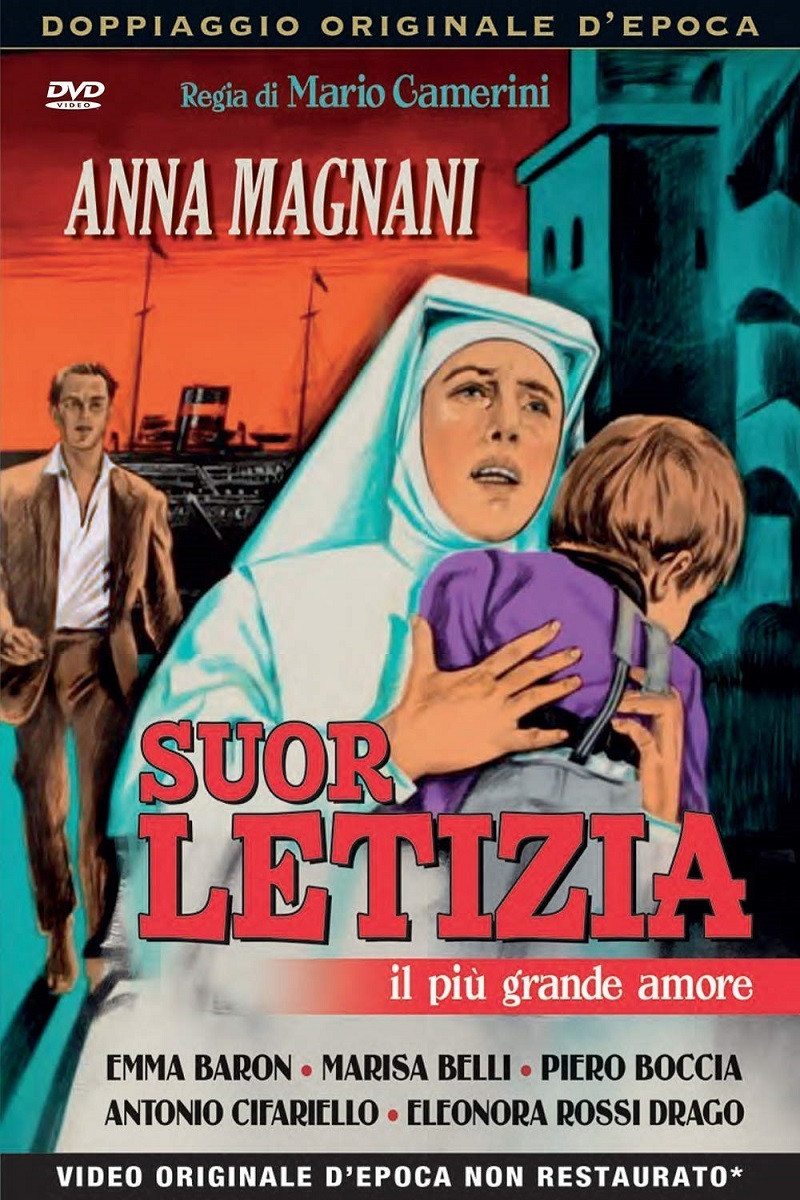
Suor Letizia
other title: Suor Letizia / 天煞
Directed by the incredibly prolific Mario Camerini, Suor Letizia was released in English-speaking regions as When Angels Don't Fly and The Awakening. In her first film appearance since The Rose Tattoo, Anna Magnani plays a feisty nun named Sister Letizia. Believing herself above such earthly trivialities as a maternal instinct, Sr. Letizia changes her way of thinking when an abandoned child is placed in her care. Unofficially adopting the boy, the good sister eventually comes to realize that even she cannot provide the care and guidance of a biological mother. Carefully constructed to accommodate all the surefire box-office elements inherent in Camerini's earlier films, Suor Letizia was almost guaranteed to be a hit.
Daddy's Little Devil (1943) [Movie] WikiData IMDb TMDB
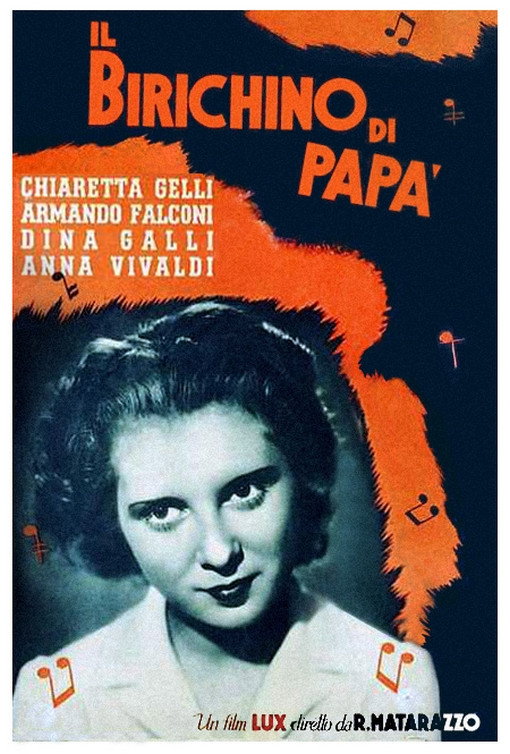
Il birichino di papà
other title: Il birichino di papà / La Terreur du pensionnat
Nicoletta is a young rebel, cherished by his forgiving father, until an old relative joins the family after the wedding of her sister, and insists that the impetuous girl is sent to college. Nicoletta becomes a true tornado for educators trying in vain to bring her under control.
Love and Chatter (1958) [Movie] WikiData IMDb TMDB
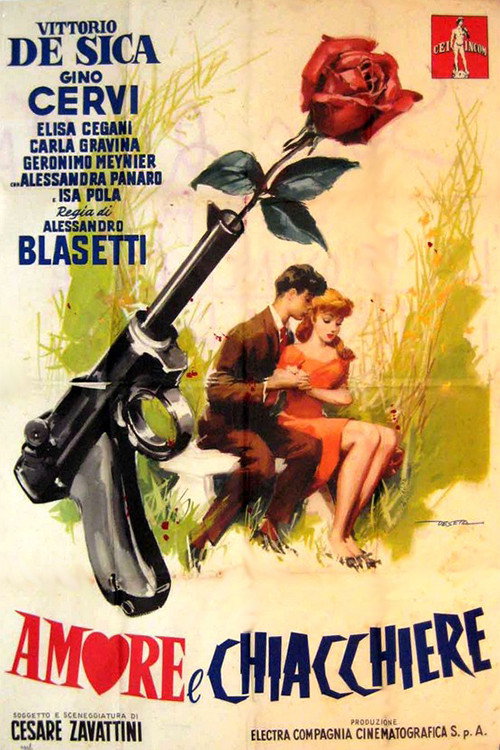
Amore e chiacchiere
other title: Liebe und Geschwätz / Hablemos de amor (Salvemos el paisaje)
Maria and Paul love them, but they are very young and, moreover, Maria is the daughter of the municipal sweeper while Paul is the lawyer Bonelli, vice mayor and head of the opposition. To complicate the story there is the reconstruction of a hermitage destroyed during the war. Reconstruction would take the view of the Paseroni villa, big industrial and political traffic. Bonelli's lawyer, a great speaker, becomes a mayor for the death of his predecessor and is bought by Paseroni, while rejecting the love of Paul and Mary for social differences and why Paul should stay behind Doddy Paseroni. At this point, Paul and Mary flee to kill, just as Bonelli has to hold a talk on the radio for the inauguration of Paseroni's villa ...
Arturo's Island (1962) [Movie] WikiData IMDb TMDB
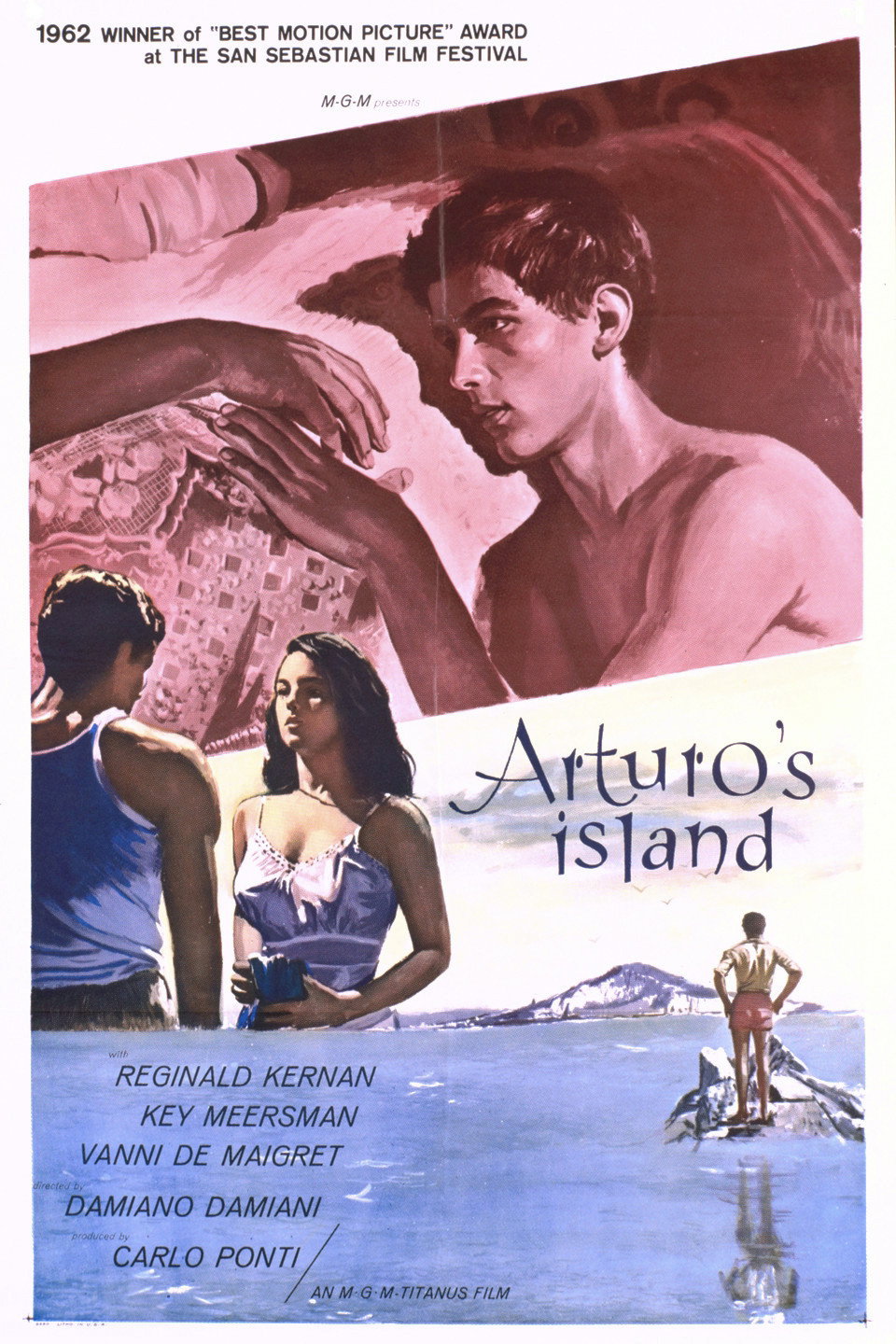
L'isola di Arturo
other title: Insel der verbotenen Liebe / L'Île des amours interdites
A lonely teenage boy, living isolated on an island, idolizes his distant father. Complications arise when his father brings home a young new wife, whom the boy falls for, and a recently released criminal, entangled in a web of complex relationships.
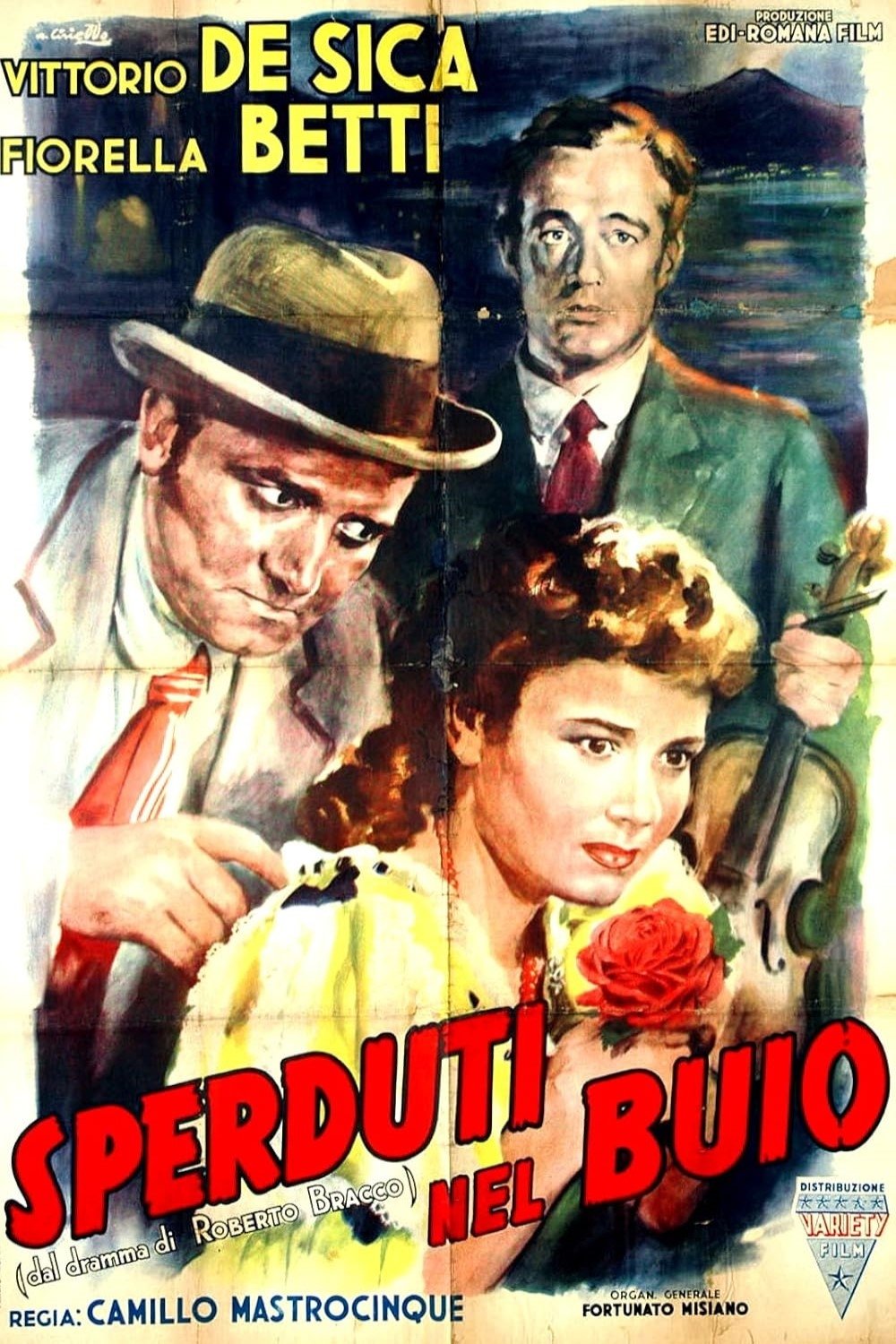
Lost in the Dark (1947) [Movie] WikiData IMDb TMDB
Sperduti nel buio
director: Camillo Mastrocinque actor: 维托里奥·德西卡 / Fiorella Betti
other title: Sperduti nel buio / 迷失在黑暗中
Naples of the early twentieth century. A thug keeps a girl completely submissive and, having discovered that she is the daughter of a nobleman, tries to blackmail the father.
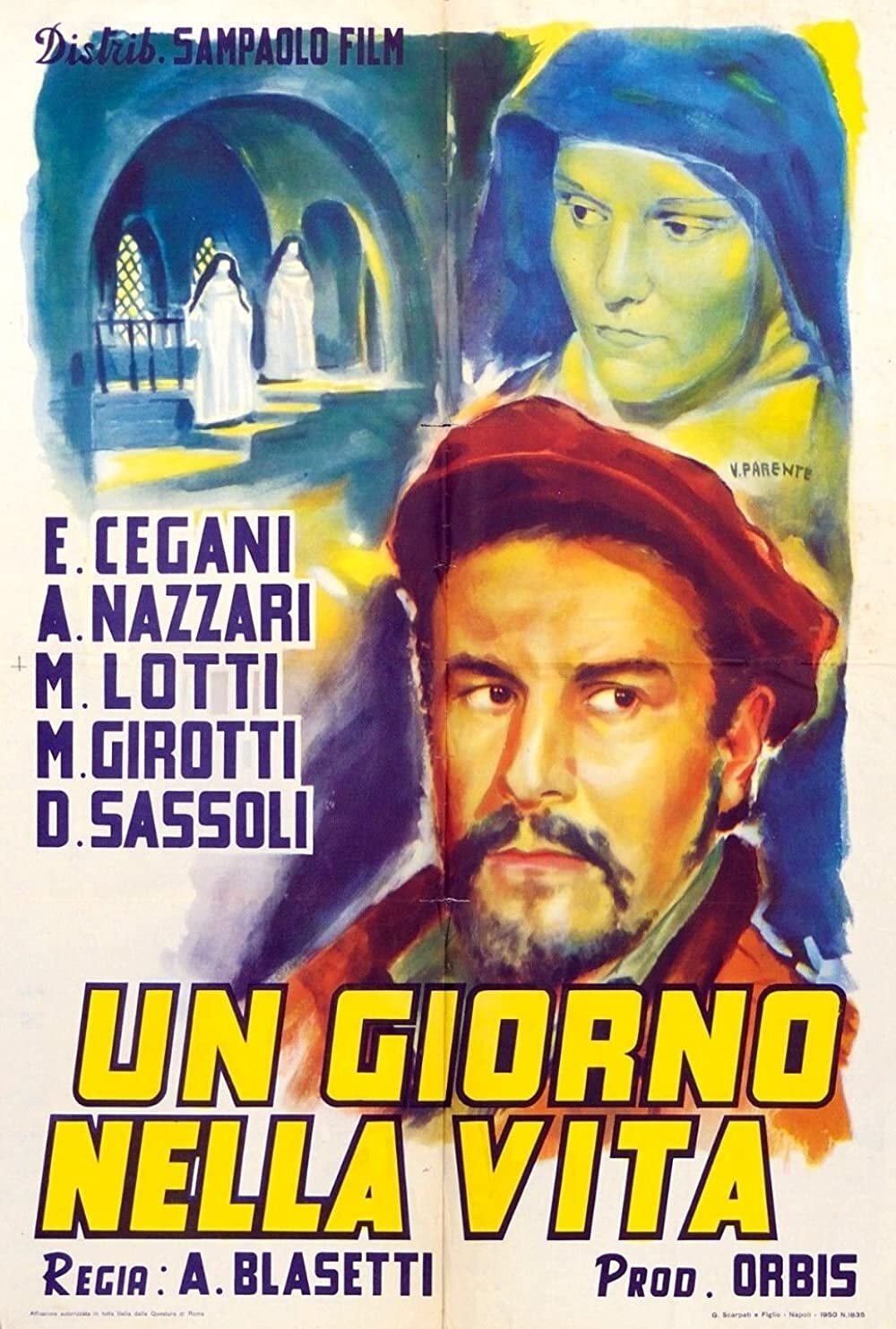
A Day in the Life (1946) [Movie] WikiData IMDb TMDB
Un giorno nella vita
director: Alessandro Blasetti actor: Elisa Cegani / Massimo Girotti
other title: 生活中的一天 / Un giorno nella vita
Some Italian partisans want to take refuge in a convent to escape German raids. The nuns are a little perplexed at first but then agree since one of the men is seriously wounded. When the partisans eventually leave, the Germans take a terrible revenge.
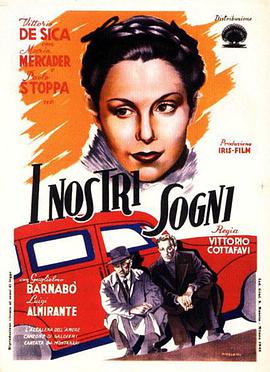
Our Dreams (1943) [Movie] WikiData IMDb TMDB Douban
I nostri sogni
director: 维托里奥·科塔法维 actor: Vittorio De Sica
other title: 我们的梦 / I nostri sogni
Leo is a young man trying to make a living without any success. Through fortuitous circumstances, he is assigned by the director of a big firm to accompany for one night the daughter of the firm's accountant, Titi. Leo pretends then to be the son of a tycoon and takes her to a luxurious restaurant.
Rat (1960) [Movie] WikiData IMDb TMDB Douban
Rat
director: Veljko Bulajic actor: 安敦·弗尔多贾克 / Zlatko Madunic
other title: 核战新娘 / War
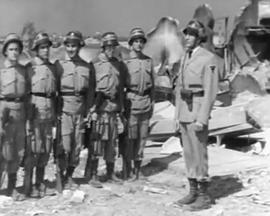
《核战新娘》是一部关于世界未来的幻想片,尽管剧情荒诞,却寓意深远。影片由意大利著名电影编剧柴伐蒂尼(《擦鞋童》《偷自行车的人》)创作,也是他唯一写过的一本超现实剧作,影片原名〈战争〉,在北美改名为《核战新娘》。
Director Veljko Bulajic is one of Yugoslavia's best known names (The Battle of Neretva), but Rat is a mostly tiresome mixture of well-meaning, simpleminded messages, and some really pitiful humor. The fault is almost entirely with screenwriter Cesare Zavattini, who made a name with Shoeshine and The Bicycle Thief and a couple dozen more Italian classics. The jokes are terrible and the cartoonish characterization almost non-existent. John and Maria make a nice couple and that's about it - they're both sweet, perfect and attractive.
Most of the satirical efforts are remindful of Chaplin's The Great Dictator, with pompous officials and soldiers making very harsh and ruthless decisions. The Captain accepts a dinner invitation one minute, and then the next, is following orders to have John shot. John's best friend is unemployed; the army gives him a job but he ends up on John's firing squad. The idea of keeping the country anonymous is okay, but the canned messages are thin, bleak, and predictable. War is Bad. Kids and marriage are Nice. War is Cruel. The comedy, which amounts mostly to army marching gags that wouldn't rate in an Abbott & Costello movie, is just terrible. Good images include a man wailing over his cow shot from above by jet aircraft, and the blasted couple stumbling through the rubble-strewn finale, like Adam and Eve in Hiroshima.
This is no cheapie; there was obviously full army cooperation from Tito's red brigades, and the scenes of jets strafing, etc, are fairly advanced. The ruins of the city look pretty much identical to today's news from Palestine. The special effects are primitive. One weird scene occurs when the President switches the television view to a camera attached to the nose of one of his attacking missiles. Crowds watch as the missile descends on hundreds of people in a town square - helpless victims just like 'us.'
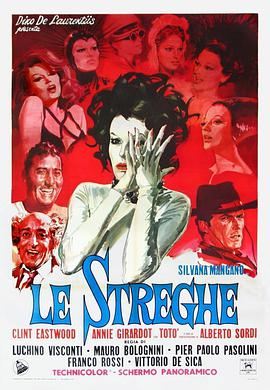
The Witches (1967) [Movie] Douban
Le streghe
director: 莫洛·鲍罗尼尼 / 维托里奥·德西卡 actor: 西尔瓦娜·曼加诺 / 安妮·吉拉尔多
other title: 女巫 / Le streghe
"The Witch Burnt Alive"
After a very long, but visually arresting animated opening credits sequence, Luchino Visconti (Death in Venice) directs the first story, which is the longest of the five, taking approximately a third of the film's running length. Mangano plays a superstar actress and model who travels to a mountain resort, only to find the well-to-do inhabitants have prejudices and preconceived notions about her based on her public persona. The women are all jealous and the men all want to sleep with her, but all Mangano wants is to be left alone. It's a mostly somber satirical piece, but story-wise, it languishes in its modest idea a bit long, becoming inconsequential to all but those fascinated by the realities of being famous.
"Community Spirit"
Bolognini's piece isn't really a story. It's more of a visual gag, in a short segment that features Mangano offering to take an injured man to a hospital, driving him at breakneck speed throughout the city, but not stopping at locations where he might find aid. I won't give away the punchline here, but it succeeds in being amusing, even if it's the kind of thing that only is interesting the first time through.
"The Earth Seen from the Moon"
The esteemed writer/director, Pier Paolo Pasolini (Salo), crafts the middle segment, which is the most artistic and memorable of the five. Reminiscent in style to "Don Quixote", a recently widowed father and his son travel around the country in search of a new wife and mother, and after a long period, they discover the literally speechless Mangano. She brings joy into their lives, but they are poor, and in order to find a better life for themselves, they concoct a scheme to try to make some quick cash. The story is contrived, and not completely interesting, but the outlandish performances, artwork, and costumes does evoke great charm and likeability. Although mute, it's probably the most appealing of Mangano's five performances, and Toto is terrific.
"The Sicilian"
Franco Rossi directs the fourth an shortest piece, a straight-forward revenge story that comes and goes before it ever has a chance of becoming interesting. It's violent, but easily the least satisfying of the five stories.
"A Night Like Any Other"
Eastwood's appearance is clearly the biggest attraction here, which was filmed in between the Sergio Leone "Dollars" trilogy. It's an enjoyable departure from his normal roles, playing a comedic romantic lead, and he is affably fun to watch. Famed Italian director, Vittorio de Sica (The Bicycle Thief, Umberto D.) does a masterful job with the story, which perfectly blends the mundane and the fantasy in a visually satisfying way. The story is about a bored housewife (Mangano, of course), who tries in vain to get her husband to realize that he is not as romantic as he used to be. The scene is interspersed with comedic romance sequences revolving around the couple's past romantic interludes, and dreams of how their lives should be.
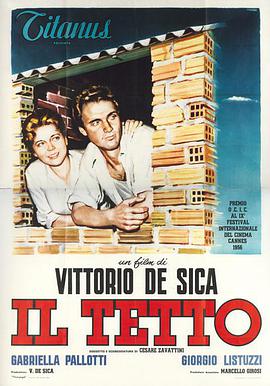
The Roof (1956) [Movie] WikiData IMDb TMDB Douban
Il tetto
8.3 (13 ratings) director: 维托里奥·德西卡 actor: 加布里埃拉·帕洛塔 / 乔治·利斯图齐
other title: 屋顶 / Il tetto
Under provincial Italian law at the time, once a roof is erected, the occupants cannot be evicted from a building. This comedy follows the efforts of a family to erect the roof on a house overnight so that a newlywed couple can have their own home.