Ulrike Ottinger — Director (21)

Movie

Berlin Fever (1973)
Berlinfieber – Wolf Vostell IMDb TMDB
other title: Berlinfieber – Wolf Vostell
In 1973, Wolf Vostell, an artist associated with Fluxus, made a happening in which participants were required to perform a series of ritual, obsessive actions, such as “go to the trunk of your vehicle, there open and close the trunk 750 times and 375 times put a white plate in it and take it out 375 times.” Described by Ottinger as a documentation of what Vostell called “dé-coll/age-happening”, the film is an illustration of her creative method, a surrealist act, a separate work of art, and a strange object. She would later describe her method as “fragments of reality assembled in an unusual manner”.

Movie

Laocoon & Sons: The Story of the Transformation of Esmeralda del Rio (1975)
Laokoon & Söhne - Die Verwandlungsgeschichte der Esmeralda del Rio IMDb TMDB
other title: Laokoon & Söhne - Die Verwandlungsgeschichte der Esmeralda del Rio / 拉奥孔和他的儿子们
Once upon a time there was a country known by the name of Laura Molloy. Laura Molloy was the name of this country. Only women lived in Laura MolloyEsmeralda del Rio was a woman. One day Esmeralda del Rio had the idea to undergo a series of transformations, which were to take her very far. So far did she go that she had no way of knowing how far she had gone. Two things were certain: Esmeralda del Rio was blond and in her own way she practiced a kind of magic which I would like to call 'blond magic'.

Movie

The Blood Countess (2026)
Die Blutgräfin Douban
other title: Die Blutgräfin / 血腥女伯爵
血腥女伯爵从漫长的美容觉中醒来,走出地下世界,与忠诚的女仆开始了一场巴洛克式的追寻,要在维也纳找回红色的长生不老灵药——一本书。这本书若是被这个吸血鬼的仇敌所找到并阅读,将会危及吸血鬼的领域。紧随她之后的,有吃素的侄子和他的心理医生、两个吸血鬼学家和一名警探。在这个扭曲、幽默的吸血鬼传说中,还有更多生动的角色。

Movie

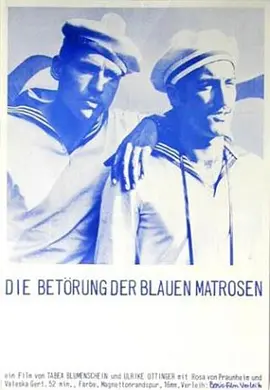
The Enchantment of the Blue Sailors (1975)
Die Betörung der blauen Matrosen WikiData IMDb TMDB Douban
other title: 蓝水手的陶醉 / Die Betörung der blauen Matrosen …
In collage sequences, the surrogate of synthetic sensuality takes form and seduces the sailors in the guise of a Hawaiian girl. In ritual punctuation, she distributes deaths which seemingly only the hardy siren Fatality can survive.

Movie

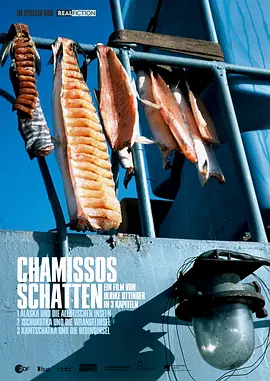
Chamisso’s Shadow (2016)
Chamissos Schatten WikiData IMDb TMDB Douban
other title: Chamissos Schatten / Chamisso's Shadow …
A three-chapter 720-minute cinematic exploration inspired by historical explorers like Adelbert von Chamisso. The film intertwines past and present travel experiences, using readings and visual materials to explore themes of cultural knowledge loss and change, drawing parallels to Chamisso’s “Wondrous Story” of Schlemihl and his shadow.

Movie

The Korean Wedding Chest (2009)
Die koreanische Hochzeitstruhe WikiData IMDb TMDB Douban
乌尔莱克·奥汀格 actor: 乌尔莱克·奥汀格
other title: Die Koreanische Hochzeitstruhe / Die koreanische Hochzeitstruhe …
According to tradition, a Korean groom offers an elaborate wedding chest to his bride's parents. Dressed in traditional garb, he carries its meticulously layered treasures, each one prescribed by centuries-old custom, strapped to his back all the way to their door. Venerable filmmaker Ulrike Ottinger delicately unpacks the ornate rituals and complex mores of the Korean wedding rite. While clearly reverent of the past, Korea also has a pervasive modern wedding industry, which amplifies the drive for everything to be picture perfect, down to the last highly codified detail. The traditional Pe Baek ceremony, which sees the newly married couple receive their parents, is now awkwardly, and rather hilariously, run by wedding assistants who physically lift relatives into position. Like a polite guest, however, Ottinger never interrupts, allowing her poetic images to speak for themselves as old and new Korea marry in this fascinating cultural portrait.

Movie

Seven Women, Seven Sins (1986)
Seven Women, Seven Sins WikiData IMDb TMDB Douban
other title: 七个女人七宗罪 / Superbia 傲慢 …
Seven Women, Seven Sins (1986) represents a quintessential moment in film history. The women filmmakers invited to direct for the seven sins were amongst the world's most renown: Helke Sander (Gluttony), Bette Gordon (Greed), Maxi Cohen (Anger), Chantal Akerman (Sloth), Valie Export (Lust), Laurence Gavron (Envy), and Ulrike Ottinger (Pride). Each filmmaker had the liberty of choosing a sin to interpret as they wished. The final film reflected this diversity, including traditional narrative fiction, experimental video, a musical, a radical documentary, and was delivered in multiple formats from 16, super 16, video and 35mm.

Movie

The Image of Dorian Gray in the Yellow Press (1984)
Dorian Gray im Spiegel der Boulevardpresse WikiData IMDb TMDB Douban
Ulrike Ottinger actor: 范若施卡·冯·兰朵夫 / 德菲因·塞里格 …
other title: 八卦小报图片中的多里安·格雷 / Dorian Gray im Spiegel der Boulevardpresse …
The final installment in Ulrike Ottinger’s Berlin Trilogy (following TICKET OF NO RETURN and FREAK ORLANDO) casts Delphine Seyrig as the nefarious Fritz Lang supervillain Dr. Mabuse, here the head of a powerful media empire that seeks to create headlines by manufacturing (and then publicly destroying) its own celebrity: the wealthy, handsome playboy Dorian Gray.

Movie

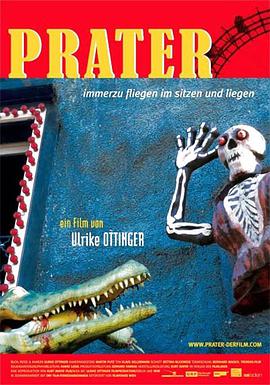
Prater (2007)
Prater WikiData IMDb TMDB Douban
other title: 普拉特公园
Voted Best Documentary of 2008 by German film critics, PRATER is a feast of extravagant imagery portraying the past and present of Prater, Vienna’s famed amusement park. Director Ottinger (FREAK ORLANDO, MADAME X: ABSOLUTE RULER) is in her element shaping this colorful odyssey with a down-the-rabbit-hole feel. Shiver-inducing wonder and horror attend views of sideshow attractions, human oddities, and sinister sculpted icons including the genies, dragons, giants, and monsters that make up this surreal kingdom.

Movie

China. The Arts – The People (1986)
China. Die Künste - der Alltag. Eine filmische Reisebeschreibung IMDb TMDB Douban
other title: 中国:艺术与生活 / China. Die Künste - der Alltag. Eine filmische Reisebeschreibung …
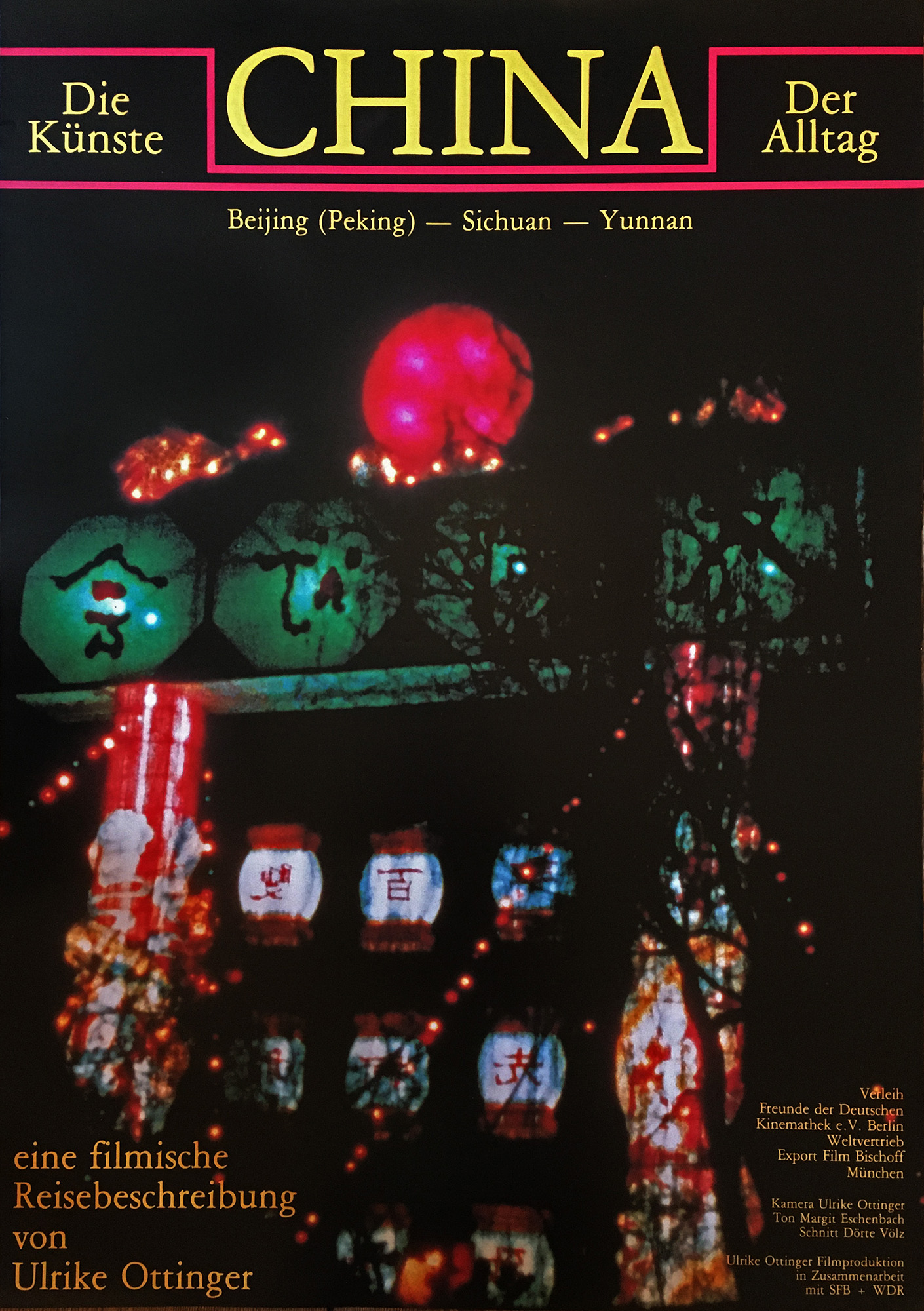
In this four and a half hour documentary or filmic tavelogue, Ulrike Ottinger tries to impart new ways of seeing a foreign culture. "In my previous films I have dealt with the themes of exoticism, minorities and their differing role behaviour within their own culture. Now I am interested in expanding this theme, in getting to know a 'real exoticism' in a foreign land and in a different culture. I am attempting to conduct a visual discourse with my camera about exoticism as a question of point-of-view.   In making the film, I was influenced by Chinese naturepainting: by the use of the scroll, which not only demands a different method of painting, but a different way of viewing - rolling out the scroll, focusing in on details, wandering to and fro, viewing piecemeal. So if I was filming a market square, for example, I'd pan very slowly and steadily across the square, rather than trying to capture the image in toto.   – Ulrike Ottinger

Movie

Taiga (1992)
Taiga WikiData IMDb TMDB Douban
other title: 蒙古生活
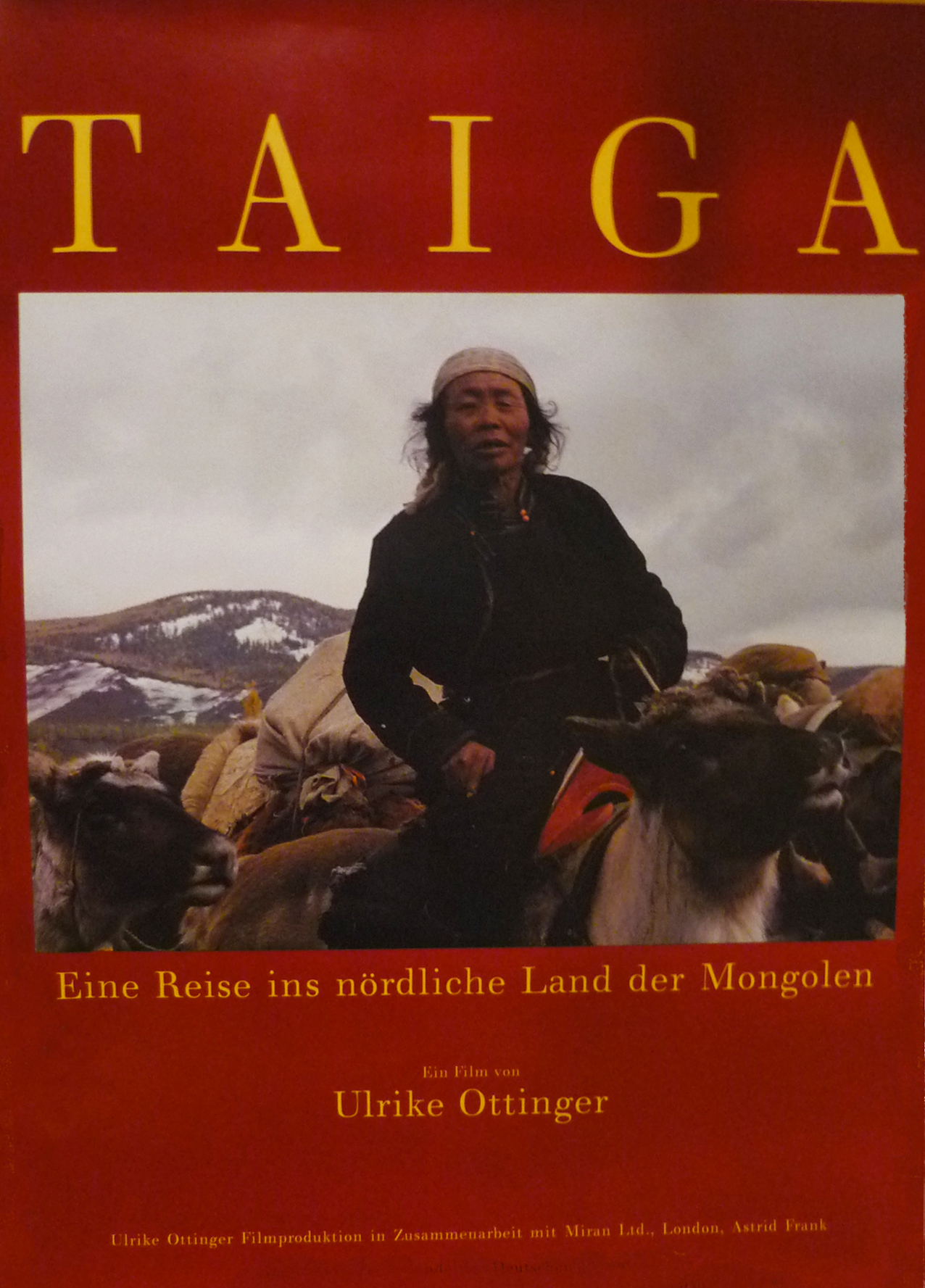
The films of Ulrike Ottinger (b. 1942) are shaped by a fascination with place, a topical and topographical curiosity that drives their wanderlust across locales both imagined and real, from the fantastically spectral Berlin of the early Freak Orlando and the nostalgia shrouded Viennese amusement park of Prater, to the vast, remote steppes of Central Asia explored in Taiga and the busy banquet halls of present-day Seoul in The Korean Wedding Chest. Ottinger’s fiction films kaleidoscope a carnivalesque vision of the world, staging unpredictable encounters with a remarkably motley cast of “freak” outsiders – lovers, pirates, brigands, grafters and their adversaries. While Ottinger’s documentaries, in contrast, focus insightfully on the quotidian reality of everyday people, but are no less colorful and exuberant in their spirited exploration of the playful and poetic intersection of the traditional and contemporary. Born in Konstanz, Germany, Ottinger spent much of the 1960s working as a painter in Paris – where she also studied with the likes of Claude Lévi-Strauss and Louis Althusser – before launching her film career in Berlin in the early 1970s. Ottinger’s earliest films grow out of her close association with various Berlin subcultures and art scenes and involved collaborations with such luminary figures as Tabea Blumenschein, as well as Irm Hermann, Kurt Raab and Magdalena Montezuma, actors central to the Fassbinder scene. International recognition and reknown followed her first feature film Madame X (1977), which especially drew the interest of queer and feminist critics and scholars in the U.S. To this day Ottinger’s films are held up for their radicalness, not only of narrative but also of their treatment of sexuality and of gender itself. A Renaissance woman, Ottinger writes her own scripts, frequently operates the camera and even designs the often elaborate sets and costumes showcased in her films. The fall of the Berlin Wall and a massive funding crisis for “art cinema” coincided at the beginning of the 1990s to inspire a distinct shift in Ottinger’s cinema away from the theatrical extravagances of her early film work to a mode of carefully observed documentary. Yet uniting and cross-pollinating Ottinger’s documentary and fiction work are a set of running themes – a concern for the normative function of power and its ability to repress and ostracize difference; a nostalgia for the cosmopolitism of pre-war Central Europe; and a delight in the richness and beauty of “other cultures,” be they popular, archaic or simply non-Western. Taiga Directed by Ulrike Ottinger. Germany 1992, 16mm, color, 501 min. Mongolian and Tuvinian with English subtitles Ottinger returned to Mongolia to craft her incredible epic documentary portrait of reindeer herders on the far Northern steppes. While offering rare glimpses into the shamanic ceremonies, hunts, weddings and amusements that color the herders’ lives, Taiga uses its nine hours to resist any notion of the nomads as simply “exotic” by creating a fully immersive encounter with the Mongolians daily routines and rituals. Bearing mesmerizing witness to a world seemingly out of time, Taiga is ultimately a study in contrasts: between the vast steppes and the intimacy of the nomads’ private spaces, between the mobility of the nomadic life and the fixity of Ottinger’s camera, between pre-modern practices and their contemporary variations.

Movie

Twelve Chairs (2004)
Zwölf Stühle WikiData IMDb TMDB Douban
other title: 十二把椅子 / Zwölf Stühle …
...Her son-in-law, Ippolit Matwejewitch Worobjaninow, is a former nobleman and a dandy who is currently wasting away as a small town magistrate in charge of civil marriages. He eagerly takes up the quest to find the treasure. Meanwhile, over the years, the twelve chairs have been dispersed all over the country. However, Worobjaninow is not the only one in pursuit of the treasure. Hot on its trail are Ostap Bender, a clever and colorful conman, as well as Father Fjodor, a priest to whom the wealthy aristocrat has also confessed her secret. Thus begins a wild chase that ranges from North to South, West to East, across water and land, from the country to the city.

Movie

Madame X – An Absolute Ruler (1978)
Madame X - Eine absolute Herrscherin WikiData IMDb TMDB Douban
other title: X夫人:绝对的统治者 / Madame X - Eine absolute Herrscherin …
The notorious pirate ruler Madame X places a print ad, calling on women to escape their boring lives and promising "gold, love and adventure" to all who come aboard her ship, the Orlando. A motley crew including a housewife, diva and artist (played by Yvonne Rainer) embark on a quest for self-transformation, which quickly heads towards destruction as they are subjected to Madame X's sadistic, erotic escapades.

Movie

Exile Shanghai (1997)
Exil Shanghai WikiData IMDb TMDB Douban
other title: 流亡上海 / Exil Shanghai
Six life stories of German, Austrian and Ashkenazi Jews which intersect in exile in Shanghai. Out of narratives, photographs, documents and new images of the biggest and most contradictory metropolis of the Far East an entity develops in which the historic exile takes and turns on a completely current power and appeal.

Movie

巴黎画诗 (2020)
Paris Calligrammes Douban
other title: Paris Calligrammes
From a topographic perspective, Ulrike Ottinger’s cinema is mostly located between Berlin and remote places in the Far East or the Far North. In Paris Calligrammes, she explores the landscape of her memories of the city that she called home for 20 years and that helped shape her beginnings as a painter and filmmaker. Ottinger moved to Paris in her twenties and immersed herself in the cultural scene of the 1950s populated by heroes of the avant-garde and a new generation of artists and intellectuals. Meandering between bookshops, concert halls, theatres, cinemas, museums and cafés, Ottinger presents her personal pantheon, and at the same time maps a decisive era both in art – as Dada and Surrealism gave way to Situationism and Pop Art – and in politics where, in-between post-war hopes, the Algerian conflict and the student movements of 1968, there was much to discuss. Nonetheless, the film maintains its intimate stance throughout, assembling a rich and emotionally charged repertoire of film clips, news reports, photos and songs with the same meticulous affection that people used to stick newspaper clippings and photos in a diary so they could write around them.

Movie

Under Snow (2011)
Unter Schnee WikiData IMDb TMDB Douban
乌尔莱克·奥汀格 actor: Setsuko Arakawa / Kiyotsugu Fujima …
other title: 雪之下 / Unter Schnee …
In Echigo, Japan, the snow often lies several feet deep well into May, covering landscapes and villages. Over the centuries, the inhabitants have organised their lives accordingly. In order to record their very distinctive forms of everyday life, their festivals, and religious rituals, Ulrike Ottinger journeyed to the mythical snow country – accompanied by two Kabuki performers. Taking the parts of the students Takeo and Mako, they follow in the footsteps of Bokushi Suzuki, who in the mid-19th century wrote his remarkable book “Snow Country Tales”.