Robert Forczyk — 作者 (33)
German Infantryman vs Russian Infantryman [图书] Goodreads 豆瓣 谷歌图书
The Eastern Front of World War I is sometimes overshadowed by the fighting in the West. But the clashes between Imperial Germany and Tsarist Russia in East Prussia, Poland and Lithuania were every bit as gruelling for the participants as the great battles in Western Europe. In spite of the crushing German victory at Tannenberg in August 1914, the war in the East would grind on into 1918, hampered by supply problems, difficult terrain and appalling weather conditions. In this study, author Robert Forczyk assesses the tactics and combat performance of both sides fighting in the brutal clashes at Gumbinnen, Göritten and Mahartse, examining their contrasting fortunes and revealing the evolving nature of infantry warfare on the Eastern Front during World War I.
Moscow 1941 [图书] 豆瓣 Goodreads
In late September 1941, the war in the east was approaching a climax. Since the beginning of the German invasion on 22 June 1941, Soviet forces had suffered the staggering loss of over 2 million troops. After inflicting a horrendous defeat on the Soviet armies at Kiev in early September, Hitler now re-directed the victorious Wehrmacht armies toward the heart of Soviet Russia: Moscow. Operation Typhoon began and in the first week of the offensive, the three German panzer armies surrounded virtually the bulk of the Soviet forces barring the way to Moscow. This title details the dramatic battle that took place right up to the suburbs of Moscow itself.
Warsaw 1944 [图书] 豆瓣 Goodreads
作者:
Robert Forczyk
publishing house:
Osprey Publishing
2009
- 3
其它标题:
Warsaw 1944: Poland’s bid for freedom
Osprey's study of the involvement of Poland's Home Army in World War II (1939-1945). Poland had apparently lain dormant under the Nazi heel for nearly five years, suffering the waves of genocidal round-ups, organized looting and the brutal suppression of its culture. The Poles, however, had in fact formed an underground army, the Armia Krajowa (Home Army), and waited for the moment when German weakness would offer the opportunity for a successful rising. That moment seemed to have arrived in July 1944. As the Soviet armies began to advance into eastern Poland following the destruction of the German Army Group Centre in the successful Bagration offensive, the AK launched its revolt in Warsaw on August 1, 1944. Though its 5,000 fighters achieved some initial successes, the Germans were able to retain control over both the Vistula River bridges and the airbase, which ultimately doomed the revolt to isolation and defeat. The SS was put in charge of suppressing the rebellion, beginning another wave of atrocities, shocking even by Eastern Front standards.
By the beginning of September, it was clear that the rebellion was doomed. The Western Allies attempted to fly weapons and supplies to Warsaw, but their efforts were undermined by Stalin's unwillingness to provide airbases. Stalin himself waited until the rebellion was approaching its death throes before allowing the First Polish Army (part of the Red Army) to cross the Vistula River to aid the rebellion. Although these reinforcements succeeded in briefly establishing a link-up, it was too late. The AK finally agreed to surrender on October 2.
Leningrad 1941-44 [图书] 谷歌图书 豆瓣
An in depth study of the siege of Leningrad with particular emphasis on the garrison's defences.
Hitler's protracted siege of Leningrad resulted in one of the most brutal campaigns on the Eastern Front during World War II. The German Army Group North was able to isolate the city and its garrison for a period of 900 days, during which an estimated 1.5 million Soviets died from combat, disease and starvation.
For over two years, German forces pounded the city with artillery and air assaults while the Soviets made repeated efforts on the frozen swamplands of the Volkhov Front to break through. Finally, in January 1944, the Soviets were able to break Army Group North's front and relieve Leningrad.
While most histories of the siege of Leningrad focus on the plight of the starving civil population, this refreshing title instead examines the strength of the garrison's defenses – which ultimately prevented the Germans from capturing the city – and the growing sophistication of Soviet offensive tactics.
Dr Forczyk also provides an assessment of how weather and terrain factors shaped the campaign in this superb addition to the history of the Eastern Front.
Hitler's protracted siege of Leningrad resulted in one of the most brutal campaigns on the Eastern Front during World War II. The German Army Group North was able to isolate the city and its garrison for a period of 900 days, during which an estimated 1.5 million Soviets died from combat, disease and starvation.
For over two years, German forces pounded the city with artillery and air assaults while the Soviets made repeated efforts on the frozen swamplands of the Volkhov Front to break through. Finally, in January 1944, the Soviets were able to break Army Group North's front and relieve Leningrad.
While most histories of the siege of Leningrad focus on the plight of the starving civil population, this refreshing title instead examines the strength of the garrison's defenses – which ultimately prevented the Germans from capturing the city – and the growing sophistication of Soviet offensive tactics.
Dr Forczyk also provides an assessment of how weather and terrain factors shaped the campaign in this superb addition to the history of the Eastern Front.
Sevastopol 1942 [图书] 豆瓣 谷歌图书 Goodreads
In late July 1941, Hitler ordered Army Group South to seize the Crimea as part of its operations to secure the Ukraine and the Donets Basin, in order to protect the vital Romanian oil refineries at Ploesti from Soviet air attack. After weeks of heavy fighting, the Germans breached the Soviet defences and overran most of the Crimea. By November 1941, the only remaining Soviet foothold in the area was the heavily fortified naval base at Sevastopol. Operation Sturgeon Haul, the final assault on Sevastopol, was one of the very few joint service German operations of World War II, with two German corps together with a Romanian corps being supported by a huge artillery siege train, the Luftwaffe's crack VIII Flieger Korps and a flotilla of S-Boats provided by the Kriegsmarine. This volume closely examines the impact of logistics, weather and joint operational planning upon the last major German victory in World War II.
Toulon 1793 [图书] 豆瓣 谷歌图书 Goodreads
A detailed military study of the crucial victory that initiated Napoleon Bonaparte's career.
In August 1793 Republican France teetered on the brink of collapse. On every front her enemies' armies swept forwards across her borders – the very survival of the Revolution itself was at stake. In Toulon, the strategically vital home port of France's Mediterranean fleet, a coup had overthrown the Republican government and handed over the city to the blockading British navy. In this, perhaps her darkest hour, France's saviour was at hand in the shape of a Captain of Artillery whose name all Europe would soon know - Napoleon Bonaparte.
This title describes the Republican victory at Toulon that not only saved the Revolution but also saw the young Napoleon Bonaparte begin his meteoric rise to power.
In August 1793 Republican France teetered on the brink of collapse. On every front her enemies' armies swept forwards across her borders – the very survival of the Revolution itself was at stake. In Toulon, the strategically vital home port of France's Mediterranean fleet, a coup had overthrown the Republican government and handed over the city to the blockading British navy. In this, perhaps her darkest hour, France's saviour was at hand in the shape of a Captain of Artillery whose name all Europe would soon know - Napoleon Bonaparte.
This title describes the Republican victory at Toulon that not only saved the Revolution but also saw the young Napoleon Bonaparte begin his meteoric rise to power.
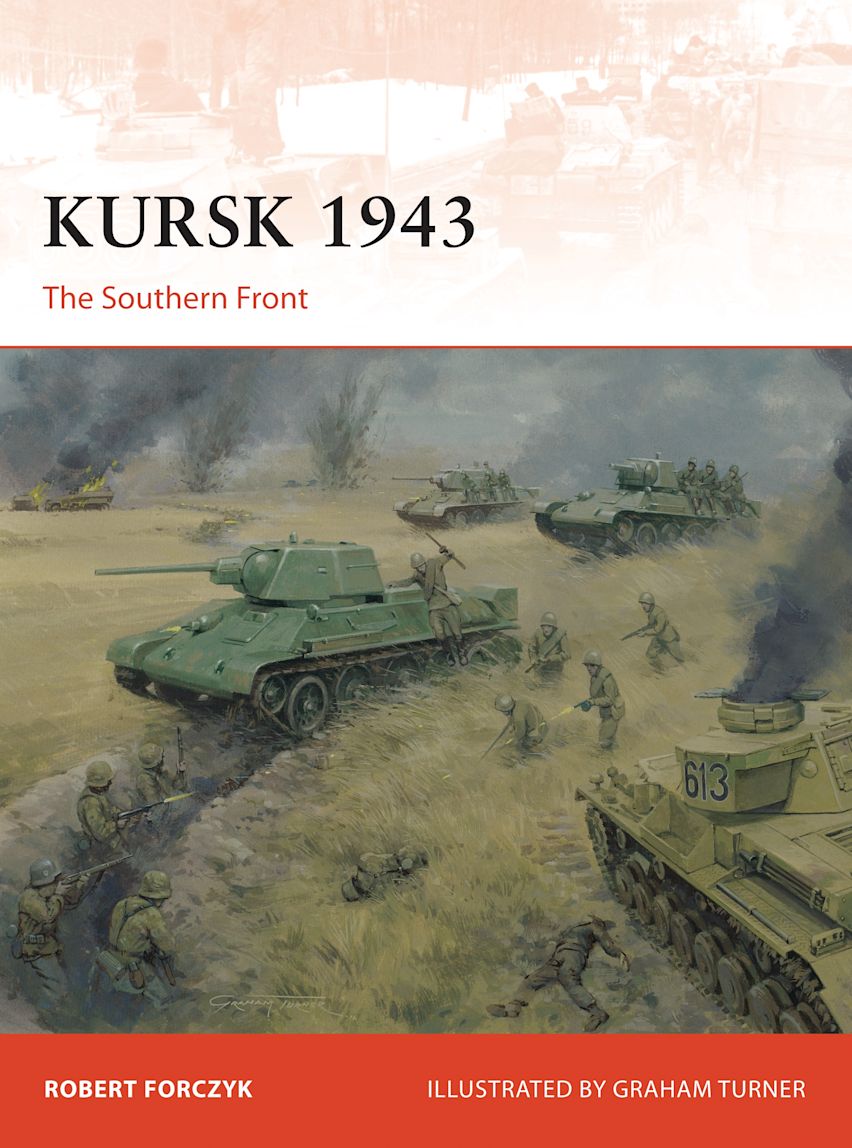
Kursk 1943 [图书] 谷歌图书 Goodreads 豆瓣
The Kursk campaign was the major German offensive of 1943 and the last strategic offensive the Germans were to launch on the Eastern Front in World War II.
In the summer of 1943, recoiling from defeat at Stalingrad, Hitler conducted a limited objective offensive to eliminate the Soviet Kursk salient. Operating a classic pincer attack of the kind that succeeded during the 1942 Kharkov campaign he hoped that the resulting heavy losses inflicted on the Red Army would give the Wehrmacht time to recover its strength. However, the Soviet anticipation of the attack led to extensive losses on both sides as Soviet anti-tank mines and fierce fighting pushed the Germans back, liberating the German-held Orel in the process.
Focusing on the northern front of the battle with Generaloberst, Walter Model's forces pitted against General Rokossovsky's Central Front between 5 July and 18 August, this volume will explore both the German offensive and the Soviet counteroffensive. Using documents from both sides, extensive photographs – both contemporary and modern, maps and bird's-eye-views this title will shed new light on this often ignored part of the battle.
In the summer of 1943, recoiling from defeat at Stalingrad, Hitler conducted a limited objective offensive to eliminate the Soviet Kursk salient. Operating a classic pincer attack of the kind that succeeded during the 1942 Kharkov campaign he hoped that the resulting heavy losses inflicted on the Red Army would give the Wehrmacht time to recover its strength. However, the Soviet anticipation of the attack led to extensive losses on both sides as Soviet anti-tank mines and fierce fighting pushed the Germans back, liberating the German-held Orel in the process.
Focusing on the northern front of the battle with Generaloberst, Walter Model's forces pitted against General Rokossovsky's Central Front between 5 July and 18 August, this volume will explore both the German offensive and the Soviet counteroffensive. Using documents from both sides, extensive photographs – both contemporary and modern, maps and bird's-eye-views this title will shed new light on this often ignored part of the battle.
The Caucasus 1942–43 [图书] 谷歌图书 豆瓣 Goodreads
Much has been written of the titanic clashes between the Wehrmacht and the Red Army at Stalingrad. This volume tells the other, equally important half of the story of Fall Blau (Case Blue).
Learning from their experiences during the sweeping advances of Operation Barbarossa a year before, Wehrmacht commanders knew that Nazi Germany's lack of oil was a huge strategic problem. Seizure of the Caucasus oilfields, which were responsible for 82% of the Soviet Union's crude oil, would simultaneously alleviate the German army's oil shortages whilst denying vital fuel resources to the Red Army.
Whilst Army Group B advanced along the Volga towards Stalingrad, Army Group A, spearheaded by Ewald von Kleist's elite Panzerarmee 1 was to advance into the Caucasus to seize the oilfields of Maikop, Grozny and Baku.
Featuring full-colour artwork, archival photos and detailed analysis, this book follows the vicious, intense fighting that characterised one of the most important campaigns of World War II.
Learning from their experiences during the sweeping advances of Operation Barbarossa a year before, Wehrmacht commanders knew that Nazi Germany's lack of oil was a huge strategic problem. Seizure of the Caucasus oilfields, which were responsible for 82% of the Soviet Union's crude oil, would simultaneously alleviate the German army's oil shortages whilst denying vital fuel resources to the Red Army.
Whilst Army Group B advanced along the Volga towards Stalingrad, Army Group A, spearheaded by Ewald von Kleist's elite Panzerarmee 1 was to advance into the Caucasus to seize the oilfields of Maikop, Grozny and Baku.
Featuring full-colour artwork, archival photos and detailed analysis, this book follows the vicious, intense fighting that characterised one of the most important campaigns of World War II.
Smolensk 1943 [图书] 谷歌图书 豆瓣 Goodreads
A highly illustrated history of Operation Suvorov, the Soviet assault against German positions around Smolensk in late 1943.
With the German defeat at Kursk, the Soviet Stavka (high command) ordered the Western and Kalinin Fronts to launch Operation Suvorov in order to liberate the city of Smolensk. The Germans had held this city for two years and Heeresgruppe Mitte's (Army Group Centre) 4. Armee had heavily fortified the region.
The Soviet offensive began in August 1943 and they quickly realized that the German defences were exceedingly tough and that the Western Front had not prepared adequately for an extended offensive. Consequently, the Soviets were forced to pause their offensive after only two weeks, in order to replenish their combat forces and then begin again.
The German 4. Armee was commanded by Generaloberst Gotthard Heinrici, one of the Wehrmacht's top defensive experts. Although badly outnumbered, Heinrici's army gamely held off two Soviet fronts for seven weeks. Eventually, the 4. Armee's front was finally broken and Smolensk was liberated on 25 September 1943. However, the Western Front was too exhausted to pursue Heinrici's defeated army, which retreated to the fortified cities of Vitebsk, Orsha and Mogilev; the 4. Armee would hold these cities until the destruction of Army Group Centre in June 1944.
This detailed volume focuses on a major offensive that is virtually unknown in the West and which set the stage for the decisive defeat of Heeresgruppe Mitte in the next summer offensive.
With the German defeat at Kursk, the Soviet Stavka (high command) ordered the Western and Kalinin Fronts to launch Operation Suvorov in order to liberate the city of Smolensk. The Germans had held this city for two years and Heeresgruppe Mitte's (Army Group Centre) 4. Armee had heavily fortified the region.
The Soviet offensive began in August 1943 and they quickly realized that the German defences were exceedingly tough and that the Western Front had not prepared adequately for an extended offensive. Consequently, the Soviets were forced to pause their offensive after only two weeks, in order to replenish their combat forces and then begin again.
The German 4. Armee was commanded by Generaloberst Gotthard Heinrici, one of the Wehrmacht's top defensive experts. Although badly outnumbered, Heinrici's army gamely held off two Soviet fronts for seven weeks. Eventually, the 4. Armee's front was finally broken and Smolensk was liberated on 25 September 1943. However, the Western Front was too exhausted to pursue Heinrici's defeated army, which retreated to the fortified cities of Vitebsk, Orsha and Mogilev; the 4. Armee would hold these cities until the destruction of Army Group Centre in June 1944.
This detailed volume focuses on a major offensive that is virtually unknown in the West and which set the stage for the decisive defeat of Heeresgruppe Mitte in the next summer offensive.
Russian Battleship vs Japanese Battleship [图书] 豆瓣 谷歌图书 Goodreads
The first major clash between a European and Asian state in the modern era signalled the beginning of Japan's rise as a major power on the world stage. Watched by the rest of the world's superpowers, this incredibly violent war was disastrous for the Russians who, despite their superior numbers, were defeated by the Japanese underdogs in a spectacular fashion. The key technical elements of firepower, protection, maneuverability and communications for each side are covered in detail and accompanied by first-hand accounts and specially commissioned artwork to explain and illustrate this historically significant duel.
German Commerce Raider vs British Cruiser [图书] 豆瓣 谷歌图书 Goodreads
During World War II, the Kriegsmarine armed a number of merchant vessels with concealed guns and torpedo tubes for surprise attacks against Allied shipping. To counter this deadly threat, the Royal Navy employed cruisers and their intelligence-gathering apparatus to find and destroy the disguised German commerce raiders. This Duel title covers the deadly game of cat and mouse, fought by these surface vessels during World War II.
Bf 110 vs Lancaster [图书] 豆瓣 谷歌图书 Goodreads
Unable to conduct ground operations on the European continent until Allied strength was marshalled for a full-scale invasion, the British government based its grand strategy in World War II on a protracted campaign of aerial bombardment of Nazi Germany's cities in order to bring the Third Reich to its knees. At the heart of this strategy were the emerging technologies of the heavy bomber, combined with night-navigation and precision-bombing techniques. The RAF introduced the huge four-engined Avro Lancaster in 1942 and used it to spearhead this aerial offensive. In response, the Luftwaffe created an elite nightfighter force based primarily upon the Bf 110 to counter the RAF bombers. Although the Bf 110 had failed miserably as a day fighter over England in 1940, it found its niche as a nightfighter. The Luftwaffe was quick to equip it with airborne radar that allowed it to intercept and destroy Lancasters over Germany. In turn, the RAF adopted countermeasures such as the Monica rearward-looking radar to alert Lancaster crews to the approach of nightfighters. The Lancaster heavy bomber was equipped with rear and dorsal turrets that gave it some chance to drive off nightfighters employing the standard tactic of attacking from above and behind.
In May 1943, though, the Luftwaffe suddenly developed a novel technical and tactical approach to attacking RAF bombers - the Schräge Musik weapon system, which mounted upward-firing 20mm cannons in a Bf 110 nightfighter. The new tactic proved amazingly successful, and British bombers could be attacked from below with no warning. Soon, the Luftwaffe decided to equip a third of its nightfighters with Schräge Musik and began to inflict grievous losses upon Lancaster bomber units in the period from August 1943 to March 1944. For its part, the RAF failed to detect the new German tactic for six crucial months, during which time its Lancaster bombers were almost defenceless against this new threat. In time, however, the German advantage of surprise was lost and the RAF developed countermeasures to deal with the new threat. The duel between upgraded Bf 110s and Lancasters in the night skies over Germany became increasingly dominated by cutting-edge technology, which would determine the efficacy of strategic bombing.
Fw-200 Condor Vs Atlantic Convoys [图书] 豆瓣 谷歌图书 Goodreads
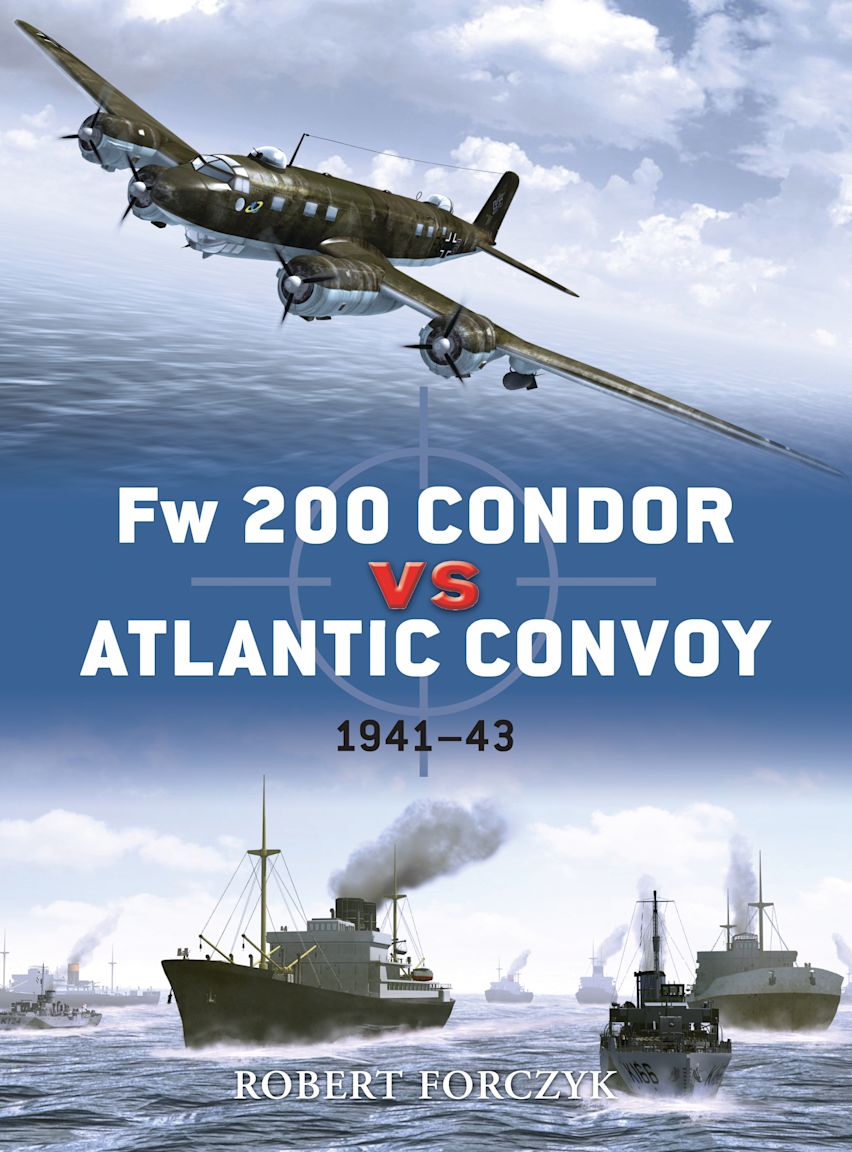
After the fall of France in 1940, Germany attempted to strangle Britain into submission by attacking the Atlantic Convoys, which brought much need supplies and war materiel from the USA and Canada. While the U-boats attacked from beneath the seas, the Germans modified a civilian airliner to create the Fw-200 Condor to attack from the skies. By the summer of 1941, the Condor attacks had succeeded to the extent that Winston Churchill called them 'the scourge of the Atlantic'. This book discusses the development of the Condor, and analyzes the various Allied responses, including the development of the Hurricat, a modified hurricane that could be launched via catapult from modified merchant ships.
Panzerjäger vs KV-1 [图书] 豆瓣 谷歌图书 Goodreads
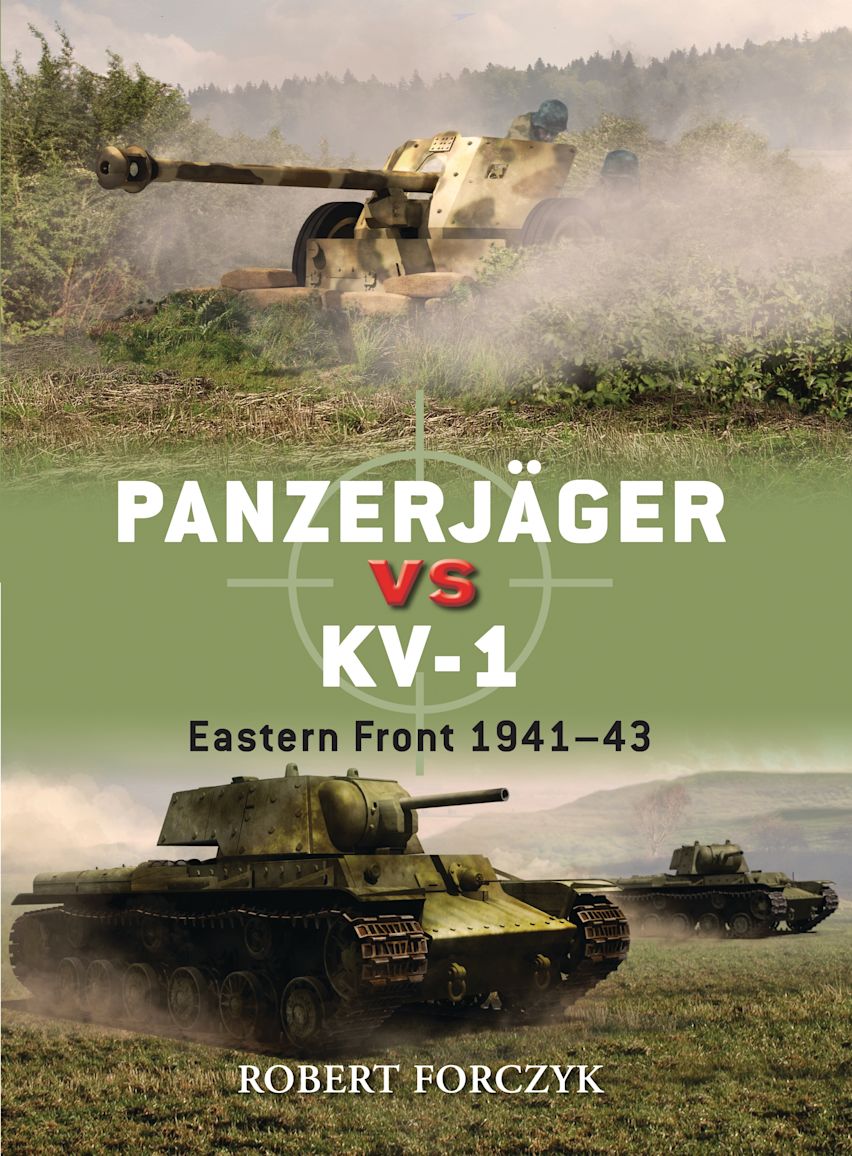
As the Wehrmacht invaded the Soviet Union, it discovered that the Russians possessed heavy tanks that German anti-tank guns were ineffective against.
The German Army developed the 3.7-cm Pak in 1936 to provide the primary weapon for its panzerjagers, who were responsible for anti-tank defense in infantry divisions. Realizing that the new Wehrmacht offensive doctrines intended to fully exploit the shock effect, firepower and mobility of armor, the panzerjagers were intended to enable German infantry to fend off enemy tanks. Although the 3.7-cm Pak was adequate against most pre-war tanks, during the 1940 Campaign in the West it proved unable to defeat the British Matilda II or French Char B, so the Wehrmacht began developing the 5-cm Pak 38 to supersede it. However, the process of re-equipment was slow and most German infantry divisions that participated in the invasion of the Soviet Union in 1941 only had a handful of Pak 38s and still relied mainly on the 3.7-cm Pak. Just four days into the invasion, German troops encountered the first KV-1 and KV-2 tanks near Raisinai in Lithuania and the impotence of both the 3.7-cm Pak (soon derisively labeled the "Door Knocker") and the Pak 38 was revealed. Thus at the start of this decisive campaign, the German Army was faced with the reality that it's panzerjagers could not provide effective anti-tank defense against Soviet heavy tanks and the Wehrmacht was forced to adopt a crash-program to upgrade its division-level AT defenses. New weaponry, including the 7.5-cm Pak 40, captured Soviet 76.2-mm guns converted into Pak 36(r), HEAT shells and tungsten-core rounds, offered possible solutions to the Soviet armored behemoths, but would require time to develop. In the interim, the panzerjagers were forced to adopt a variety of ad hoc tactics and stand-in equipment to survive in an unequal duel with heavy Soviet tanks.
On the Soviet side, based upon lessons from the Spanish Civil War, the Red Army decided to develop a heavy "breakthrough" tank to smash enemy infantry defenses. The result was the KV-1 and KV-2 tanks, introduced in 1939. At the start of Operation Barbarossa, both these tanks were virtually invulnerable to the weapons of the panzerjager and demonstrated their ability to overrun German infantry on several occasions. This advantage gave the Red Army a window of opportunity between the fall of 1941 and the spring of 1942 to use their heavy tanks to repel the German invasion in a series of desperate counteroffensives. Yet the window of Soviet advantage was a narrow one and the duel between the Soviet KV heavy tanks and German panzerjagers had a major impact upon the struggle for the strategic initiative in 1941-42.
The German Army developed the 3.7-cm Pak in 1936 to provide the primary weapon for its panzerjagers, who were responsible for anti-tank defense in infantry divisions. Realizing that the new Wehrmacht offensive doctrines intended to fully exploit the shock effect, firepower and mobility of armor, the panzerjagers were intended to enable German infantry to fend off enemy tanks. Although the 3.7-cm Pak was adequate against most pre-war tanks, during the 1940 Campaign in the West it proved unable to defeat the British Matilda II or French Char B, so the Wehrmacht began developing the 5-cm Pak 38 to supersede it. However, the process of re-equipment was slow and most German infantry divisions that participated in the invasion of the Soviet Union in 1941 only had a handful of Pak 38s and still relied mainly on the 3.7-cm Pak. Just four days into the invasion, German troops encountered the first KV-1 and KV-2 tanks near Raisinai in Lithuania and the impotence of both the 3.7-cm Pak (soon derisively labeled the "Door Knocker") and the Pak 38 was revealed. Thus at the start of this decisive campaign, the German Army was faced with the reality that it's panzerjagers could not provide effective anti-tank defense against Soviet heavy tanks and the Wehrmacht was forced to adopt a crash-program to upgrade its division-level AT defenses. New weaponry, including the 7.5-cm Pak 40, captured Soviet 76.2-mm guns converted into Pak 36(r), HEAT shells and tungsten-core rounds, offered possible solutions to the Soviet armored behemoths, but would require time to develop. In the interim, the panzerjagers were forced to adopt a variety of ad hoc tactics and stand-in equipment to survive in an unequal duel with heavy Soviet tanks.
On the Soviet side, based upon lessons from the Spanish Civil War, the Red Army decided to develop a heavy "breakthrough" tank to smash enemy infantry defenses. The result was the KV-1 and KV-2 tanks, introduced in 1939. At the start of Operation Barbarossa, both these tanks were virtually invulnerable to the weapons of the panzerjager and demonstrated their ability to overrun German infantry on several occasions. This advantage gave the Red Army a window of opportunity between the fall of 1941 and the spring of 1942 to use their heavy tanks to repel the German invasion in a series of desperate counteroffensives. Yet the window of Soviet advantage was a narrow one and the duel between the Soviet KV heavy tanks and German panzerjagers had a major impact upon the struggle for the strategic initiative in 1941-42.
Rescuing Mussolini [图书] 豆瓣 谷歌图书 Goodreads
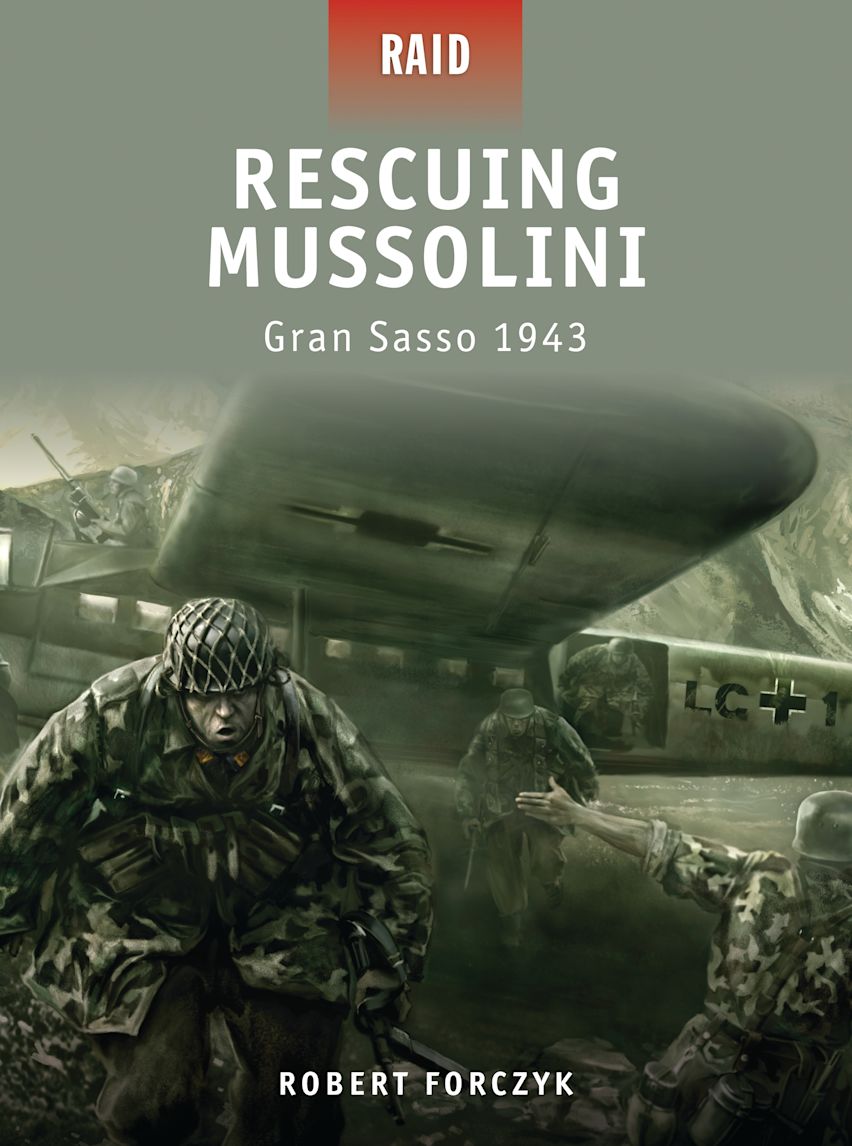
The successful rescue of imprisoned Italian dictator Benito Mussolini from atop the Gran Sasso plateau by German glider-borne troops on 12 September 1943 was one of the most dramatic Special Forces operations in military history. Arrested by his own officers in July 1943, Mussolini had been whisked away to an isolated and heavily-guarded mountain-top resort, the Hotel Campo Imperatore at Gran Sasso, which could only be reached by a heavily guarded cable car station. It was clear to the Germans - who wished to rescue Mussolini in order to keep at least the appearance that Italy was still on the Axis side - that any conventional rescue operation would have to fight its way through too much opposition and that Mussolini's captors would have ample time to execute him before he could be rescued. However, the Waffen SS had begun to develop the genesis of a commando-style raiding force that appeared suitable for the mission. Once Mussolini's location at Gran Sasso was confirmed, Hitler ordered the assault force, led by SS Haupsturmführer Otto Skorzeny, to conduct a rescue mission to extract Mussolini alive from the mountaintop.
Despite unfavorable terrain for a gliderborne landing - including large boulders and steep cliffs near the landing zone - most of the German gliders succeeded in landing atop the Gran Sasso and the assault force was able to move in before the stunned Italian defenders could organize a response or eliminate Mussolini. Adding to the successful assault, Skorzeny was able to organize a desperate and ad hoc extraction plan using a light Fiesler Storch aircraft, when failed communications scuttled the pre-planned extraction method. At great risk, Mussolini was flown off the mountain and Skorzeny's raiding force had achieved all their objectives without firing a shot. Although the rescue of Mussolini failed to keep Italy on the Axis side, it did serve as a valuable propaganda boost for Germany in the face of defeats in Italy and the Soviet Union, as well as pointing toward a new dimension in warfare.
This title details the strategic context of this daring raid, the origins of the plans, and the initial strategy adopted by the German Special Operations forces, before going on to describe in full detail the plan, execution and final outcome of the operation. Forczyk also offers a complete and comprehensive analysis of the events and their aftermatch, along with suggestions for further reading. Discover the history of this classic wartime raid, which continues to fascinate military history enthusiasts and lovers of adventure, in this new addition to the Raid series by Robert Forczyk.
Despite unfavorable terrain for a gliderborne landing - including large boulders and steep cliffs near the landing zone - most of the German gliders succeeded in landing atop the Gran Sasso and the assault force was able to move in before the stunned Italian defenders could organize a response or eliminate Mussolini. Adding to the successful assault, Skorzeny was able to organize a desperate and ad hoc extraction plan using a light Fiesler Storch aircraft, when failed communications scuttled the pre-planned extraction method. At great risk, Mussolini was flown off the mountain and Skorzeny's raiding force had achieved all their objectives without firing a shot. Although the rescue of Mussolini failed to keep Italy on the Axis side, it did serve as a valuable propaganda boost for Germany in the face of defeats in Italy and the Soviet Union, as well as pointing toward a new dimension in warfare.
This title details the strategic context of this daring raid, the origins of the plans, and the initial strategy adopted by the German Special Operations forces, before going on to describe in full detail the plan, execution and final outcome of the operation. Forczyk also offers a complete and comprehensive analysis of the events and their aftermatch, along with suggestions for further reading. Discover the history of this classic wartime raid, which continues to fascinate military history enthusiasts and lovers of adventure, in this new addition to the Raid series by Robert Forczyk.
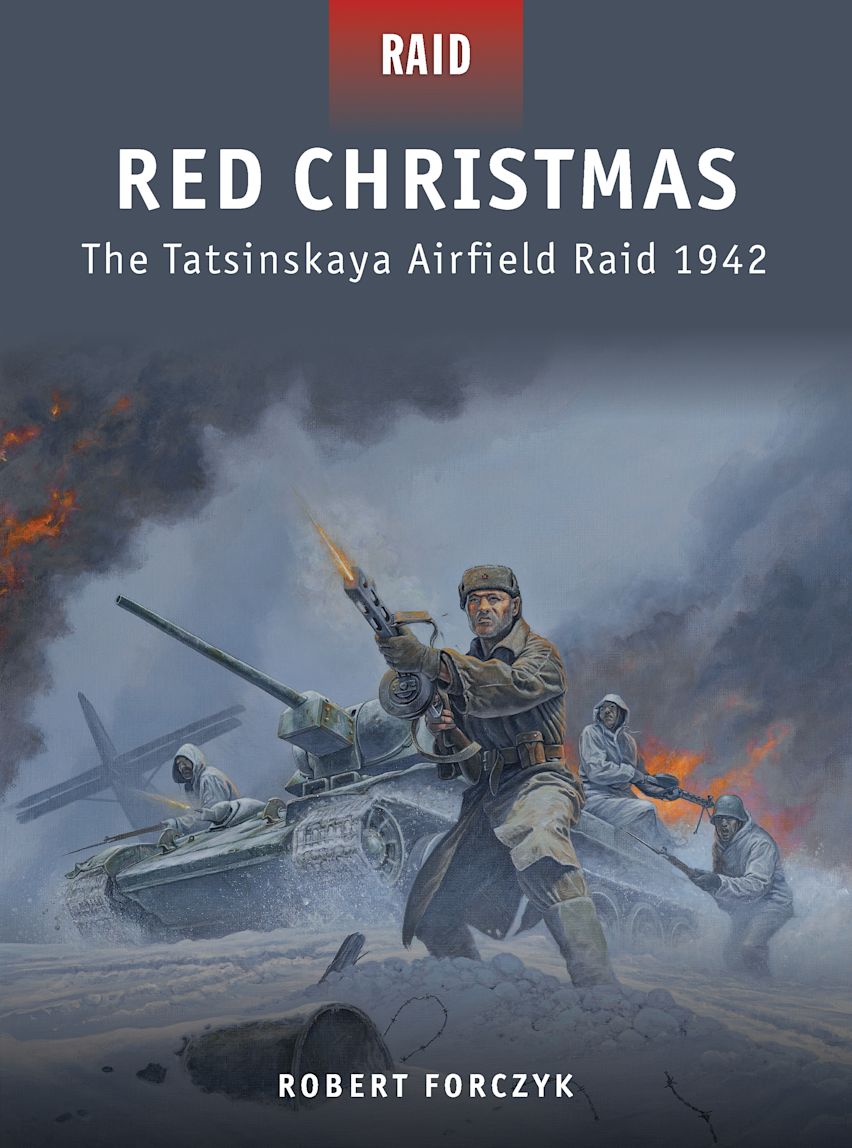
Red Christmas [图书] 豆瓣 谷歌图书
By December 1942, the Soviets had surrounded the German 6th Army in Stalingrad, cutting off all lines of supply except through the air. Seeking to sever this last German lifeline, Soviet Command decided to launch a raid with the entire 24th Tank Corps to seize the airfield at Tatsinskaya, the primary operating base for the German airlift efforts. On 17 December, the 24th Tank Corps advanced toward Tatsinskaya, seizing the airfield on Christmas Eve. The Soviet tankers succeeded in destroying many Luftwaffe aircraft on the ground, but afterwards found themselves isolated and out of fuel behind the German lines. Generalfeldmarschall Erich von Manstein rapidly organized a counterattack with elements of two panzer divisions, crushing most of the raiding force between 26 and 28 December. Just before the raiding force was annihilated, it received permission to abandon its heavy equipment and escape back to Soviet lines on foot. Thus, the raiders accomplished their mission of severely disrupting the airlift to Stalingrad, but at the cost of an entire tank corps.
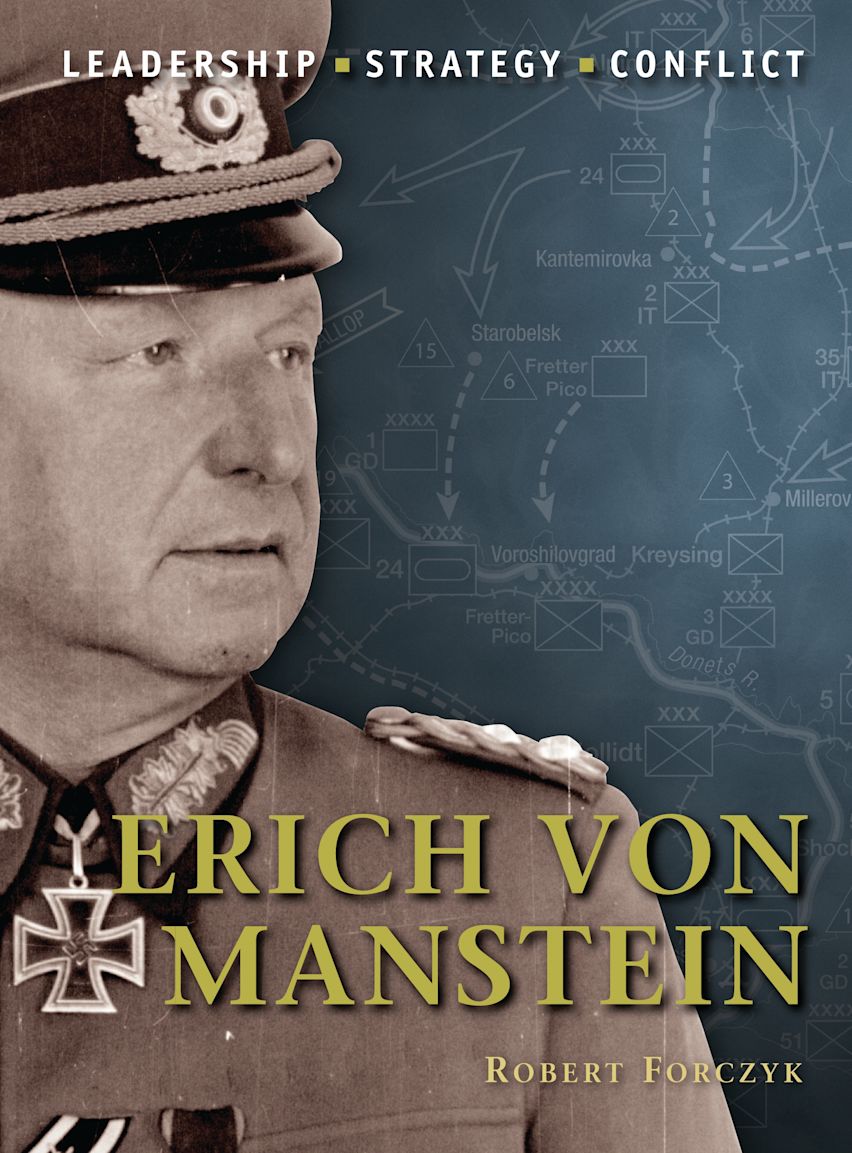
Erich von Manstein [图书] 豆瓣 Goodreads
Erich von Manstein was one of the most successful German commanders of World War II. His military mind proved outstanding in many a conflict but perhaps his greatest triumph was his ingenious operational plan that led to the rapid defeat of France in May 1940. Manstein also showed great skill under adversity by commanding a furious rebuff to the Soviet armies in 1943, whilst Germany were retreating. However, his skill could not reverse Germany's declining fortunes and Manstein's frequent disagreement's with Hitler over military strategy led to his dismissal. Robert Forczyk tells the story of one of Germany's most valuable military talents, from his early years to his post-war conviction and his later career.
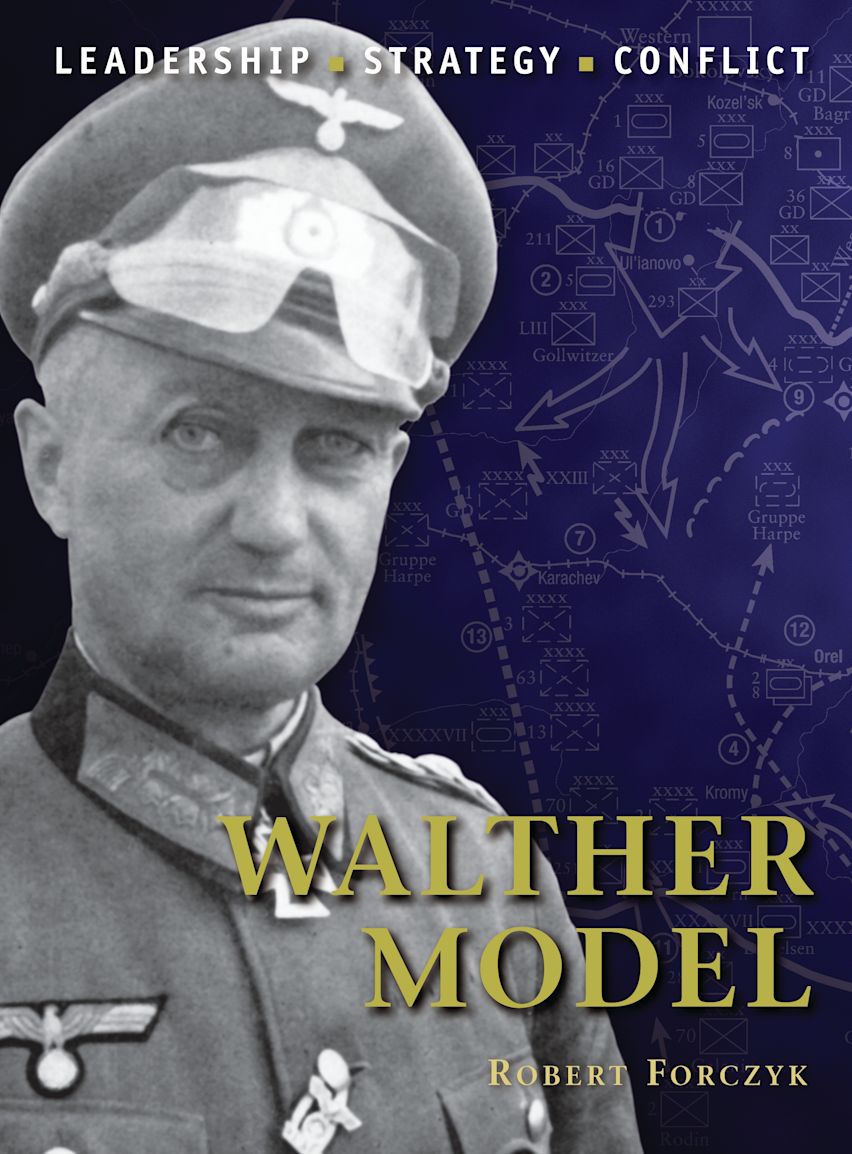
Walther Model [图书] 豆瓣 Goodreads
This volume details the military career and accomplishments of Walther Model, the youngest Generalfeldmarschall in the Wehrmacht in World War II and Hitler's favorite commander. His role on the Eastern Front saw him involved in most of the key battles of the second half of the warm, including the battles of Kursk Leningrad and the desperate attempt to halt the Soviet Bagration offensive. He also played a key role in the west, where his drive and defensive prowess saw his forces inflict heavy casualties on British forces at Arnhem and US forces in the Hürtgen Forest.
Model was a tough and tenacious commander, particularly when on the defense, and his career rise was virtually unprecedented in German military history. Model truly made his mark late in the war, when time was already running out for the Third Reich, but time and again he was rushed from one crumbling front to the next and succeeded in temporarily restoring the situation. Above all, Model deserves recognition as one of the great defensive commanders of modern military history.
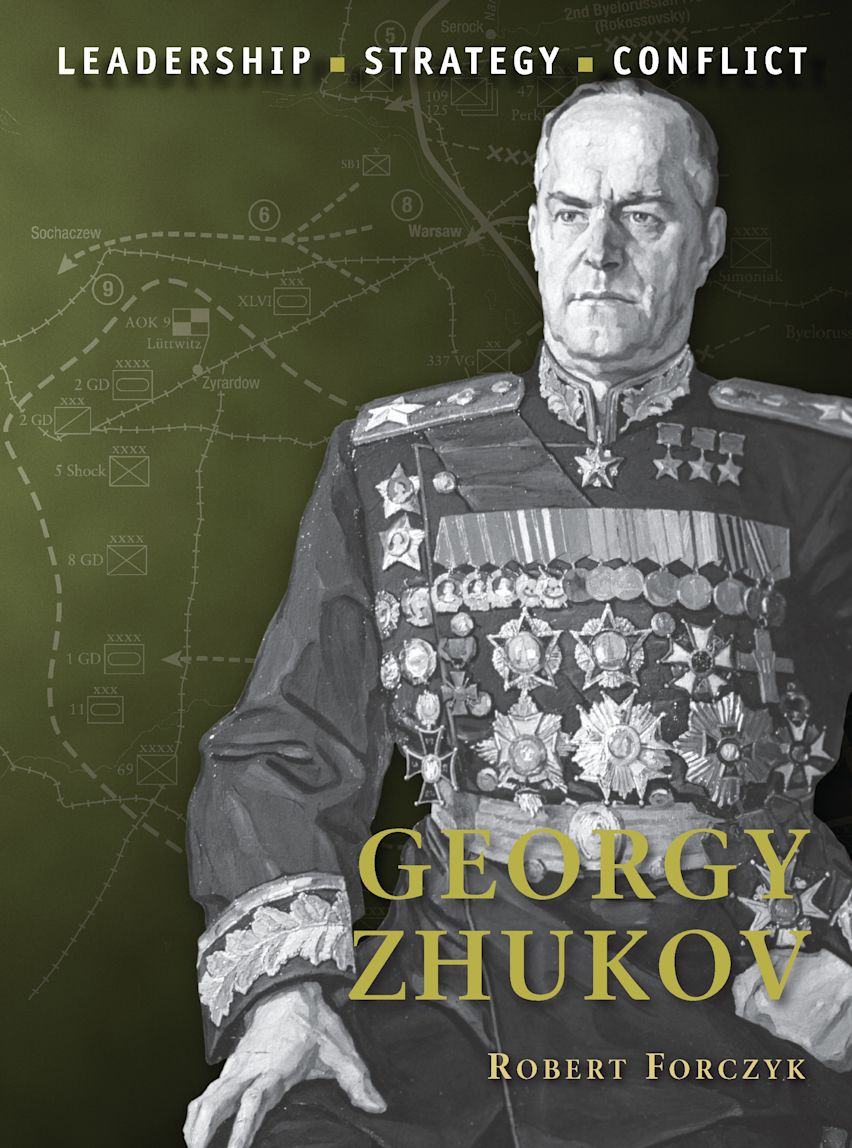
Georgy Zhukov [图书] 豆瓣 谷歌图书 Goodreads
Zhukov was the dominant figure in the Red Army during World War II even though his actual job title varied from day to day. Serving as a senior General Staff representative from the Stavka, Zhukov moved from one critical sector to the next, serving as advisor, coordinator and de facto front commander as required. There is no doubt that Zhukov played a critical role in salvaging the critical situation in the fall of 1941 and leading the Red Army to an amazing reversal of fortunes in 1942-43 and eventual victory in 1944-45. He was instrumental in the initial defence of Leningrad, before moving to Moscow to stem the German advance and lead the counterattack in the winter of 1941. In 1942-43 he was responsible for Operation Uranus that cut off the German 6. Armee in Stalingrad, and led the defence of the Kursk Pocket against Manstein's attacks. His was the voice of reason and patience that convinced Stalin to let the Germans expend themselves at Kursk before launching the Soviet offensive that drove the Germans back hundreds of miles and almost broke the German Army inthe Ukraine. Without him Kursk would never have been fought as a defensive battle by the Russians. In 1944 he led the massive Soviet Operation Bagration that destroyed the German Heeresgruppe Mitte and continued on in command of front through to the end of the war, which saw him become the first post-war Soviet commander in East Germany.
However, Zhukov's methods were brutal and contributed to massive Soviet casualties, while he continued to keep his hand in political affairs as well. As the most recognized Soviet soldier of World War II, Zhukov's post-war fall from grace was equally precipitous and it was not until the fall of the Soviet Union that he was awarded his reputation was restored.