Teinosuke Kinugasa — Director (30)
Movie
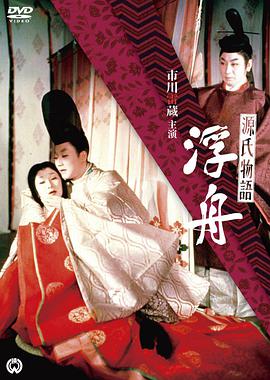
源氏物語 浮舟 (1957)
Douban
other title:
Floating Vessel
源氏物語「宇治十帖」に登場する浮舟をヒロインにした北条秀司の同名戯曲の映画化。「朱雀門」の八尋不二が脚色、「月形半平太(1956)」の衣笠貞之助が監督した。撮影は「母白雪」の竹村康和。主演は「鼠小僧忍び込み控 子の刻参上」の長谷川一夫、「朱雀門」の山本富士子、市川雷蔵、「女優(1956)」の乙羽信子、「大阪物語」の中村鴈治郎、中村玉緒、三益愛子。ほかに夏目俊二、柳永二郎、浪花千栄子、浜世津子、橘公子など。色彩は大映カラー。
きらびやかな平安の都に東国から二人の母娘、常陸の介の妻中将と、中将がいまは亡き都の貴族八の宮との間に生んだ少女浮舟がやって来た。--浮舟にとっては異母姉にあたる八の宮の姫大君の葬いにきたのだ。丘の上の墓所で、母娘は大君を愛していた薫の君に出遭った。薫の君は浮舟の野性美もさることながら、その顔立ちがあまりにも生前の大君と瓜二つなので驚くが、いつしかそれは彼女への深い思慕に変った。浮舟母娘は大君の妹の中の君が嫁いでいる匂宮の館に滞在しているが、匂宮は清純な愛を信じる薫の君とは反対に次から次へと女を愛する快楽主義者であった。ある日、薫の君の案内で洛中の名所をめぐりまわった浮舟は、朱雀門の池の端で薫の君から想いを打ち明けられたが、彼女は踵をかえして走り去った。その数刻後、彼女は清冷院の東庭で匂宮に出会った。匂宮は強引に彼女を抱き寄せたが、彼女は彼を突き飛ばす。--時が流れて、浮舟は居を宇治の元の八の宮の山荘に移し、いまは薫の君の深い愛を信じ、毎日彼の訪れを心待ちに待っている。その間も匂宮は何かと浮舟を誘惑しようとした。ある日、匂宮は浮舟に薫の君が帝の勅諚で皇女二の宮と結婚しなければならなくなったと騒ぎ、彼女が動揺するのにつけ込んで、その夜無理矢理に彼女の体を抱いた。だが、浮舟の理性が崩れ去った頃、薫の君は地位も名誉もなげうって、浮舟の愛のみを信じ、勅諚に反して彼女の許へ牛車を急がせていたのだ。しかし、薫の君は全てを知って絶望に立ちすくんだ。勝ち誇った匂宮は浮舟を都に連れて行こうとする。と、彼女は山荘のどこにもいない。薫の君は浮舟の死を直感した。たとえ、どのようなことがあっても、二人は心の底で結びついていたのだ。山荘の女房たちの浮舟を求める声を遠くに、いつか薫の君は宇治川のほとりに出た。夜明けの靄が川面に垂れこめている。その時、白い被衣が川底に没して行くのがわかった“浮舟ッ”薫の君は悲痛な叫びをあげ、一歩、二歩思わず川の中に身を進めていた。
Movie
Yoso (1963)
Douban
other title:
妖僧
/
Bronze Magician
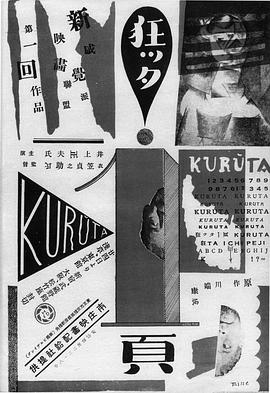
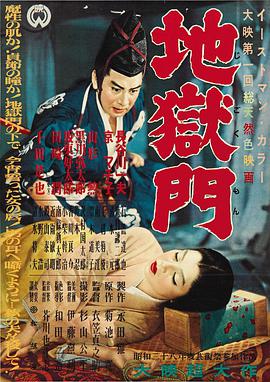
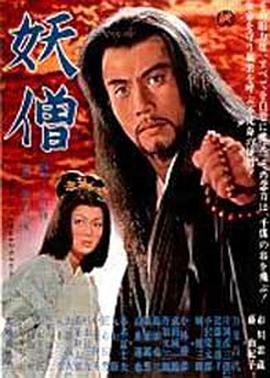
Yoso is truly a lost classic, set in the Nara Era (710-794), from Kinugasa Teinosuke the same writer/director who gave us the recognized classic Gate of Hell (Jigokumon, 1952) & the milestone silent surrealist masterpiece A Page of Madness (Kurutta Ippeji, 1926).
Yoso means "esoteric priest" which implies "sorcerer." For such a rarely screened film, it seems to have attracted an unwieldy number of English titles: The Sorcerer, Ghostly Priest, Bronze Magician, Phantom Priest, & on the subtitled 35 mm print the only fully apropos title, Priest & Empress, not to be confused with another Raizo Ichikawa film called The Priest & the Beauty (Anchin to Kyohima, 1960).
Japan of the Nara Era had a sovereign female emperor or Mikado, Koken-Shotoku Tenno, who fell under the sway of a Buddhist priest named Dokyo. His influence over her proved so untoward that Empress Koken-Shotoku gave him titles which implied the imperial line might actually pass to him should the Empress die, despite that the imperial line had been preserved as a single dynasty back into prehistory.
The crisis engendered by Dokyo led to the banning of women ever again becoming Mikado, a decision periodically revisited including in our own generation when there stood a strong threat of no authentic male heir.
The film takes this historical reality & makes of it a believable though tough & very odd love story. Dokyo, who has indeed been called "the Japanese Rasputin," is here played by Raizo Ichikawa. Though Dokyo clearly uses the affections of the Empress (played by the ethereally beautiful Yukiko Fuji) for personal gain & power, his intense devotion to Shotoku is nevertheless no falsehood. When it comes time for his assassination, it is very much Rasputin-like, as he is damnably difficult to kill. It's portrayed quite horrifically but it remains simultaneously sorrowful because his love of Shotoku was no pose.
Movie
Four Love Stories (1947)
四つの恋の物語 IMDb TMDB Douban
Shirō Toyoda
/
Mikio Naruse
…
actor:
Ryō Ikebe
/
Yoshiko Kuga
…
other title:
四个爱情故事
/
四つの恋の物語
…
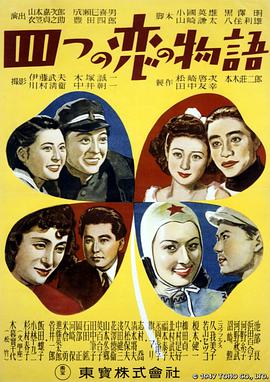
Omnibus of love stories from 1947 directed by famous directors, featuring big stars.
Movie
Crossroads (1928)
十字路 WikiData IMDb TMDB Douban
other title:
十字路
/
Shadows of the Yoshiwara
…
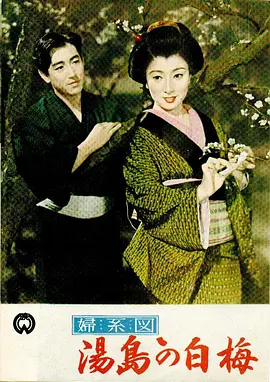
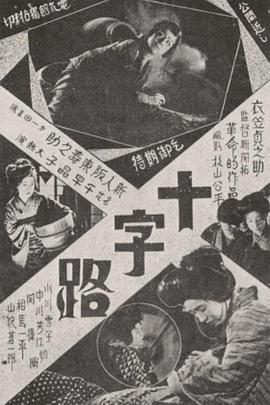
After falling in love with a courtesan, Rikiya is blinded by ash during a fight in a brothel. Believing the blindness permanent and his opponent dead, Rikiya goes back home to his sister. Okiku, desperate to protect her brother who thinks himself a murderer, wants to sacrifice herself for him and become a prostitute to pay for Rikiya's treatment.
Movie
An Actor's Revenge (1935)
雪之丞変化 第一篇 IMDb TMDB Douban
衣笠贞之助
actor:
长谷川一夫(Kazuo Hasegawa)
other title:
雪之丞变化 第一篇
/
雪之丞変化 第一篇
…
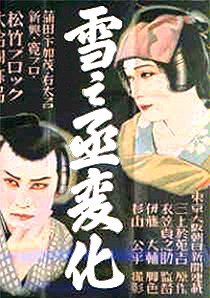
An onnagata (female impersonator) of a Kabuki troupe avenges his parents' deaths. Remade in 1963 as Yukinojô Henge.