Jonas Mekas — Actor (37)
Self Discovery for Social Survival (2019) [Movie] IMDb TMDB
Self Discovery for Social Survival
Self Discovery for Social Survival is a collaborative surf and music film produced by Brooklyn based record label, Mexican Summer and Pilgrim Surf + Supply, a New York based surf and outdoor brand. Filmed in Mexico, the Maldives and Iceland in three separate vignettes, musicians (Allah Las, Connan Mockasin, Andrew Van Wyngarden of MGMT, and Peaking Lights) alongside pro-surfers,embark on a journey that combines a symbiotic relationship between music and the waves, the environment, and local culture. Poetically narrated by the legendary avant-garde film maker Jonas Mekas.
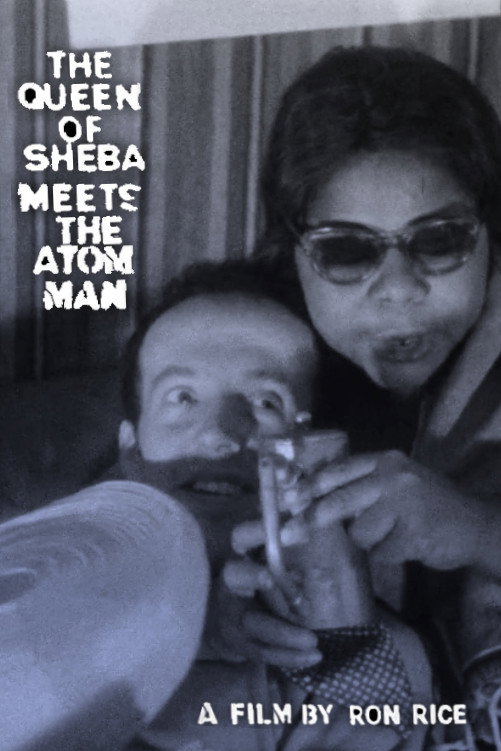
The Queen of Sheba Meets the Atom Man (1981) [Movie] WikiData IMDb TMDB
The Queen of Sheba Meets the Atom Man
director: Ron Rice actor: Taylor Mead / Winifred Bryan
other title: Queen of Sheba Meets the Atom Man
“New York plays itself, as Taylor Mead and Winifred Bryan regale in pas de deux among the trashcans and the towers. The Studiedly Goofy and the Monumentally Grand are joined in masterly pas de don’t [...] The awed couple do battle with the status quo and teach the world to dance on the head of a bin. Rice detects real dignity in Bryan and amazing grace in Mead as they essay solitary promenades through the parks, subways and streets of a wintery New York landscape. Photographed and directed by Ron Rice, edited and scored by Taylor Mead.” –Edward Leffingwell
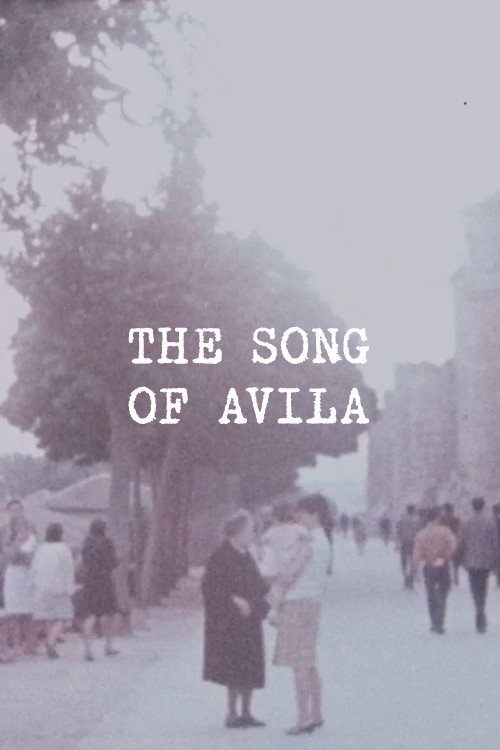
The Song of Avila (1967) [Movie] IMDb TMDB
The Song of Avila
director: Jonas Mekas actor: Jonas Mekas
Filmed during Jonas Mekas’s visit to Avila in 1967, this short records his impressions of the city, inspired by Meher Baba’s teaching that it was one of Europe’s holy places. The footage was later incorporated into his 2003 compilation film Travel Songs (1967–1981).
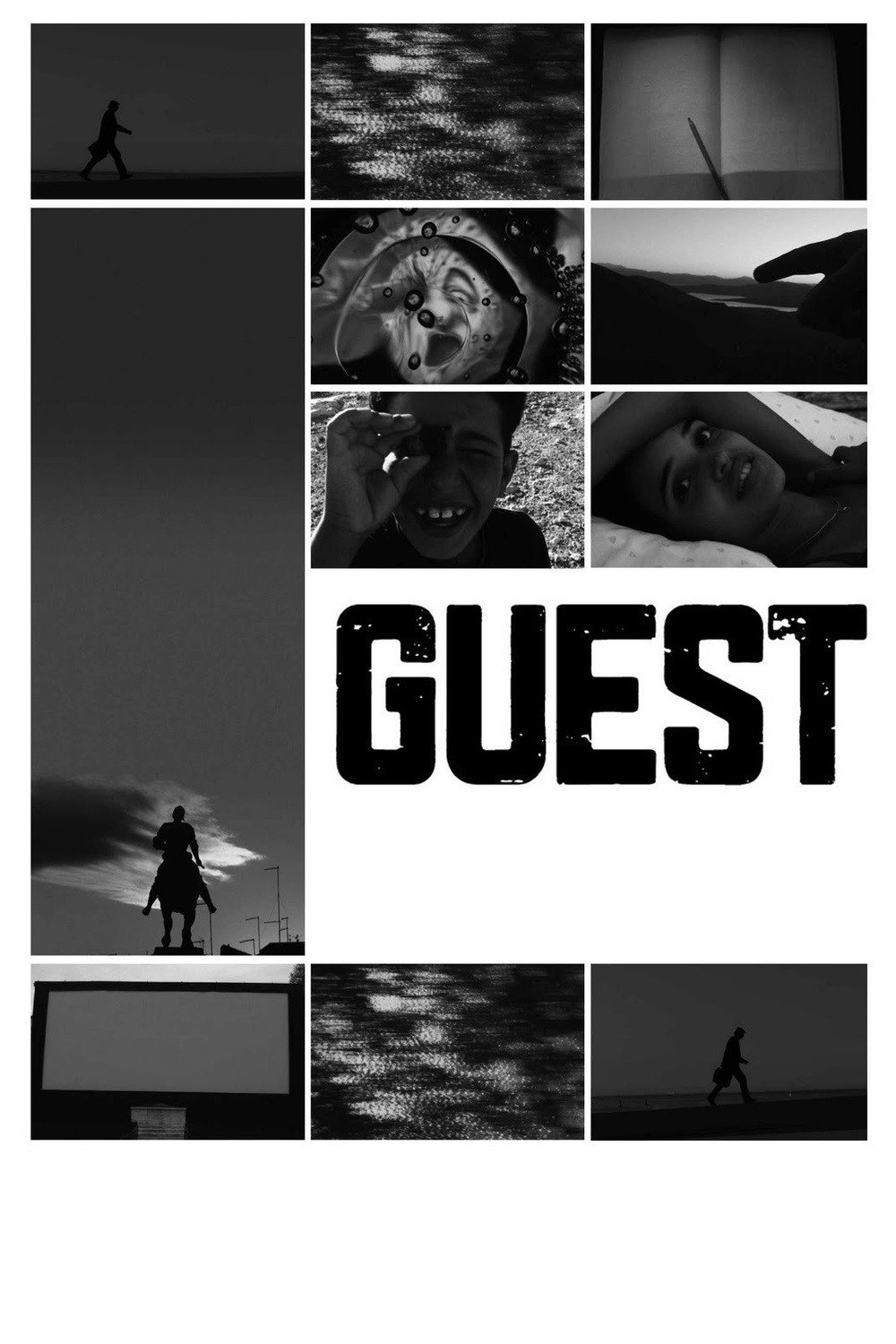
Guest (2011) [Movie] WikiData IMDb TMDB
Guest
other title: 特邀客人
Filmmaker José Luis Guerin documents his experience during a year of traveling as a guest of film festivals to present his previous film. What emerges is a wonderfully humane and sincere portrayal of the people that he meets when he goes off the beaten track in some of the world's major cities.
Galaxie (1966) [Movie] WikiData IMDb TMDB Eggplant.place
Galaxie
director: Gregory J. Markopoulos actor: Parker Tyler / Storm De Hirsch
In March and April of 1966, Markopoulos created this filmic portrait of writers and artists from his New York circle, including Parker Tyler, W. H. Auden, Jasper Johns, Susan Sontag, Storm De Hirsch, Jonas Mekas, Allen Ginsberg, and George and Mike Kuchar, most observed in their homes or studios. Filmed in vibrant color, Galaxie pulses with life. It is a masterpiece of in-camera composition and editing, and stands as a vibrant response to Andy Warhol's contemporary Screen Tests. Preserved by the Academy Film Archive in 2001.
Invocation: Maya Deren (1986) [Movie] IMDb TMDB Douban
Invocation: Maya Deren
director: 乔·安·卡普兰 actor: 海伦·米伦 / Jana Shelden
other title: 求祈:玛雅·黛伦
Maya Deren is a legend of avant-garde cinema. This authoritative biography of the charismatic filmmaker, poet and anthropologist features excerpts from her pioneering Meshes of the Afternoon and her unfinished documentary on Haiti, interviews with Stan Brakhage and Jonas Mekas, and recordings of her lectures. Narrated by actress Helen Mirren, this definitive documentary offers startling insights into one of the most intriguing, accomplished figures in cinema history.
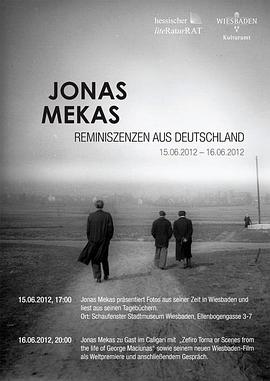
Reminiszenzen aus Deutschland (2013) [Movie] Douban
director: 乔纳斯·梅卡斯 actor: 乔纳斯·梅卡斯 / Peter Sempel
Reminiszenzen aus Deutschland de Jonas Mekas
États-Unis, 2012 / 16mm transféré en vidéo et vidéo, 25’, coul., vostf, inédit
« Ce film e st ma première tentative d’introduire brièvement à la période allemande de ma vie : de juillet 1944 à octobre 1949. Utilisant des photos originales de l’époque et des images film et vidéo prises en 1971 et en 1993, je revisite Elmshorn, Flensburg, Wiesbaden, Mainz, et Kassel, où j’ai passé plusieurs années de ma vie – d’abord travailleur forcé dans un camp de prisonniers de guerre, puis plus tard, dans des camps de "Personnes déplacées"”. La bande-son est constituée de brefs extraits de mes journaux de l’époque, de réflexions actuelles et de passages des écrits de Wolfgang Borchert. »
Jonas Mekas
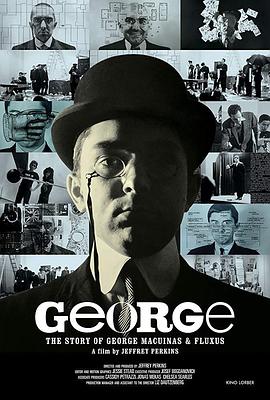
George (2018) [Movie] Douban
George
director: 杰弗里·珀金斯 actor: 乔纳斯·梅卡斯
other title: 乔治 / George: The Story of George Maciunas and Fluxus
Documentary feature length film/video portrait of George Maciunas, the founder of the avant-garde art movement 'FLUXUS'
Who Gets to Call It Art? (2006) [Movie] Douban
director: 彼得·罗森 actor: John Chamberlain / George Lois
Metropolitan Museum of Art curator Henry Geldzahler reflects on the 1960s pop art scene in New York.
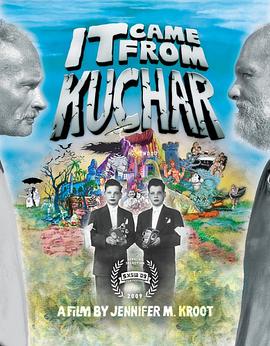
It Came from Kuchar (2009) [Movie] WikiData IMDb TMDB Douban
It Came from Kuchar
director: Jennifer M. Kroot actor: 乔治·库查 / 麦克·库查
other title: 电影制作者库查兄弟 / 電影制作者庫查兄弟
IT CAME FROM KUCHAR is the definitive, feature documentary about the legendary, underground filmmaking twins, the Kuchar brothers. George and Mike Kuchar have inspired two generations of filmmakers, actors, musicians, and artists with their zany, "no budget" films and with their uniquely enchanting spirits. George and Mike Kuchar grew up in the Bronx in the 1950's making "no-budget" films, compulsively copying Hollywood melodramas with their aunt's 8mm, home-movie camera. In the 1960's the New York underground film scene embraced them as the "8mm Mozarts". Their early films deeply inspired many filmmakers, including John Waters, Buck Henry, Atom Egoyan, Todd Haynes, Cory McAbee and Wayne Wang. IT CAME FROM KUCHAR includes numerous clips from the Kuchar brother's early films including HOLD ME WHILE I'M NAKED, SINS OF THE FLESHAPOIDS, and many others. IT CAME FROM KUCHAR features interviews of many of the filmmakers, artists and writers who've been inspired by the Kuchars. The film also features interviews of key "actors" from the Kuchar's films, ranging from the earliest days in the Bronx through today. For close to forty years George has taught film production at the San Francisco Art Institute (SFAI). His class is unbelievable in a circus-like, Fellini-esque style that generates tremendous enthusiasm from his students. IT CAME FROM KUCHAR follows his latest class production as they make an over-the-top "monster picture".
Paradise Not Yet Lost, or Oona's Third Year (1980) [Movie] Douban
Paradise Not Yet Lost, or Oona's Third Year
other title: 乐园仍未失,或奥娜的第三年
Paradise Not Yet Lost (a.k.a Oona’s Third Year) de Jonas Mekas
États-Unis, 1979, 16mm, 96’, coul., vostf
filmé en 1977, monté en 1979
« Le film se divise en six parties. La première se passe à New York et nous y voyons de nombreuses scènes quotidiennes à la maison et en ville, et également notre fille Oona qui a trois ans. D’autres sujets aussi : concert de Peter Kubelka ; visite à Marie Deren, la mère de Maya ; parade de St Patrick’s ; printemps à Central Park ; etc. La deuxième partie, très brève, se passe en Suède pendant notre visite à Anna Lena Wiborn. La troisième partie se passe en Lituanie pour le 90e anniversaire de ma mère avec ma femme Hollis et Oona, alors âgée de deux ans et demi. Oona rencontre ses cousins, on boit de la bière faite à la maison, on se promène à travers les bois, on cueille des champignons et des fraises sauvages, on s’amuse. La quatrième partie se passe en Autriche, on rend visite à Peter Kubelka et à Hermann Nitsch à Prinzendorf, on goûte le vin de Hermann, on parle aux ânes de Peter, on visite Saint-Nicolas à Kremsmuenster, puis nous allons en Italie avec Peter à la recherche du vin de Michel-Ange, le Canaiola. La sixième partie est le retour à New York ; visite à Willard Van Dyke ; 3e anniversaire d’Oona, incendie à Broome Street, encore des scènes d’intérieur, début des tempêtes d’hiver. C’est un diary film, mais c’est aussi une méditation sur le thème du Paradis. C’est une lettre à Oona pour l’aider, un jour, à se souvenir de ce qu’était le monde autour d’elle quand elle avait trois ans. Une époque dont elle n’aura que quelques petits fragments de souvenirs dans sa mémoire. Un guide romantique pour lui rappeler les valeurs essentielles de la vie, dans un monde artificiel, commercial, (un) poison pour le corps et l’esprit. » Jonas Mekas, novembre 1979
« […] Où Jonas, après s’être longtemps identifié à la figure d’Ulysse, à son errance et à ses combats, comprend qu’il n’y a pas d’Ithaque (sauf à en ouvrir les frontières à l’universalité de la culture ou à souhaiter, avec le poète Cavafis, que la route qui y mène soit longue) et se comporte désormais comme Pénélope. »
Patrice Rollet, « Zefiro Torna de Jonas Mekas », Trafic n°80, hiver 2011

Nam June Paik: Moon Is the Oldest TV (2023) [Movie] WikiData IMDb TMDB Douban
Nam June Paik: Moon is the Oldest TV
director: Amanda Kim actor: Nam June Paik / 史蒂文 元
other title: 백남준: 달은 가장 오래된 TV / 激浪派錄像藝術教父:白南準
The quixotic journey of Nam June Paik, one of the most famous Asian artists of the 20th century, who revolutionized the use of technology as an artistic canvas and prophesied both the fascist tendencies and intercultural understanding that would arise from the interconnected metaverse of today's world.
鸿雁传影:何塞·路易斯·格林与乔纳斯·梅卡斯往来影笺 (2011) [Movie] Douban
Correspondence: José Luis Guerín and Jonas Mekas
director: 何塞·路易斯·格林 / 乔纳斯·梅卡斯 actor: 乔纳斯·梅卡斯 / 何塞·路易斯·格林 José Luis Guerín
other title: Correspondence: José Luis Guerín and Jonas Mekas
This correspondence, or exchange of letters and video diaries between acclaimed filmmakers Jonas Mekas and José Luis Guerin is extremely potent, there's sorcery at play in the mixture of the two. Together they're light and dark. Mekas knows life's joys, and is always a participant in what he films, Guerín is a detached observer, cold, present only as a black mote, reflected in the eye of one of his subjects. Guerín shoots in black and white and strives for formalism, Mekas loves hazard, loves his chaotic hand-held colour camera. Jonas Mekas felt that his images were inferior to those of Guerín, but a picture of his son Sebastian devouring a pickle, followed by Jonas on the deli sausage and wine, and then a cheeky close up of Goethe's Faust; which of them Faust and which Mephistopheles? That one shot set me thinking about the nature of art and the privilege of artists, and could be interpreted in any one of several fruitful ways.
Guerín's Camera is brutal, his viewpoint black, on death and distance. He sends Jonas a morbid video, regarding a Slovenian film writer, which is almost a provocation. One beautiful moment, filmed through a gap in his hotel room's curtains shows a young couple frolicking in the sea, for which brief segment he allows music. It's deliberately voyeuristic though, Guerín is distant he identifies with migrant workers he films in Venice.
The films, in an aesthetic sense presents clarity versus confusion, reality versus a dreamer's obfuscation. There's an extent to which what we see is a real correspondence, an extent to which they are talking past one another. Guerín intones that dialogue between filmmakers is an impossibility, over images of fish heads on ice in a market. It's one of two visual quotes I suspected are from Pere Potabella (from Pont de Varsovia).
The difference in viewpoint I suspect ultimately is that Mekas sees beauty in the fact that life goes on, wonder in impermanence, Guerín is blanched by it.
Notes on an American Film Director at Work : Martin Scorsese (2005) [Movie] Douban
Notes on an American Film Director at Work : Martin Scorsese
other title: 一位美国导演的工作纪录:马丁·斯科塞斯
Notes on an American Film Director at Work: Martin Scorsese de Jonas Mekas
États-Unis, 2005, vidéo, 80’, coul., vostf
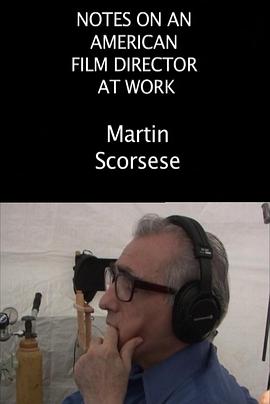
Jonas Mekas filme Martin Scorsese sur le tournage des Infiltrés.
« J’ai rencontré Martin Scorsese quand il était encore un étudiant en cinéma à l’université de New York. Il venait à mes projections. Mais notre amitié a commencé quand il a fait son premier long métrage, Who’s That Knocking at My Door ? Mon frère Adolfas, Shirley Clarke et moi, on a rejoint Marty pour une émission radio de deux heures pour lancer son film. Nous avons passé un très bon moment. J’ai toujours la cassette. On m’a demandé de faire un film de dix minutes sur Marty pour introduire sa rétrospective au Centre Pompidou en 2005. À ce moment-là, Marty était en train de tourner Les Infiltrés. Je lui ai demandé si je pouvais le suivre une semaine ou deux, et il a accepté. C’est ainsi que le film s’est fait. Sebastian, mon fils, m'a rejoint avec une seconde caméra. J’ai fait une version courte, puis une plus longue. Comme j'étais très occupé par d’autres projets, j’ai demandé à Benn Northover, l’un de mes amis, de m'aider à le monter – j’avais quinze heures de rushes – et nous nous sommes beaucoup amusés parce que nous aimons tous Marty. C’est un film de chambre, un hommage personnel à un ami. »
Jonas Mekas