Christian Braad Thomsen — Director (7)

Movie

Dreams Don't Make Noise When They Die (1979)
Drømme støjer ikke når de dør WikiData IMDb TMDB
other title: Drømme støjer ikke når de dør / Droemme stoejer ikke, naar de doer
It has hardly been seen before that a 83-year-old actor has starred in a Danish film, but it is the case here, where Kai Holm says goodbye to a long life in film and theater service. He plays an old peasant who on his deathbed is waiting for his son (Jon Bang Carlsen). In a few days he relives the village life, he comes from, and which was marked by a hard and authoritarian upbringing. He is at his father's deathbed despair because it is still impossible to make contact, and in a crisis situation, he recognizes his father's brutality in itself. The film draws a bitter picture of human relationships where dreams while they die, degenerates into power relations.

Movie

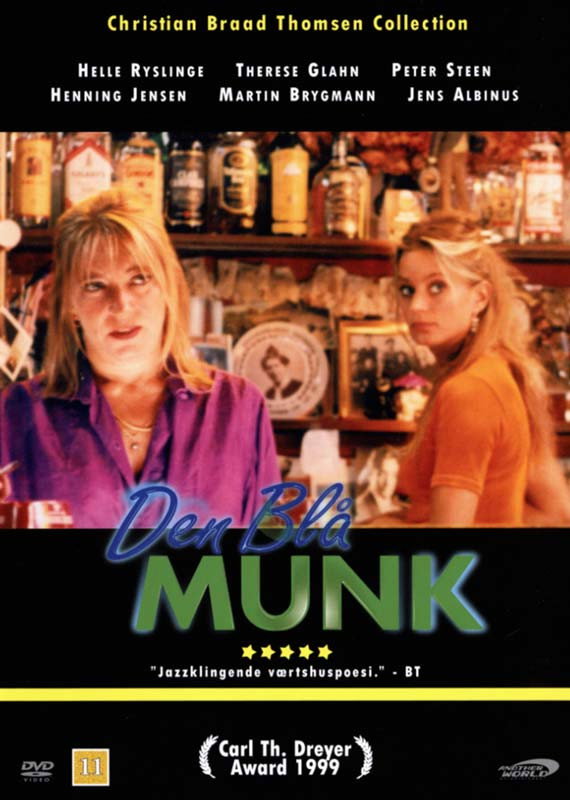
The Blue Monk (1998)
Den blå munk WikiData IMDb TMDB
other title: Den blå munk
The waitresses at a Copenhagen bar find themselves listening to and advising various clients who wander in to unburden their current problems. The Blue Monk is so named because its jukebox constantly plays music by jazz musician Thelonius Monk. ...The Blue Monk

Movie

Fassbinder: To Love without Demands (2015)
Fassbinder - Lieben ohne zu fordern WikiData IMDb TMDB Douban
other title: 法斯宾德:无索求地爱 / Fassbinder - Lieben ohne zu fordern …
Rainer Werner Fassbinder was probably Germany’s most significant post-war director. His swift and dramatic demise at the early age of 37 in 1982 left behind a vacuum in European filmmaking that has yet to be filled, as well as a body of unique, multi-layered and multifarious work of astonishing consistency and rigour. From 1969 onwards, Danish director and film historian Christian Braad Thomsen maintained a close yet respectfully distanced friendship with Fassbinder. Fassbinder – Lieben ohne zu fordern is based on his personal memories as well as a series of conversations and interviews he held with Fassbinder and his mother Lilo in the 1970s. The film also contains current interviews with Irm Hermann and Harry Baer, both of whom were close to Fassbinder. Beginning with Fassbinder’s extraordinary childhood in traumatised post-war Germany, the film, which is divided into seven chapters, provides an illuminating, intimate and moving tribute that bears witness to the enduring relevance of both the man and his work. Today in particular his oeuvre continues to provoke us to engage with controversy and tension – be it aesthetical, creative or critical. berlianle 2015