
Stan Brakhage — Director (170)
Movie
Dog Star Man: Part IV (2004)
Dog Star Man: Part IV WikiData IMDb TMDB Douban
other title:
狗·星·人:第四部分
/
狗星人第四部分
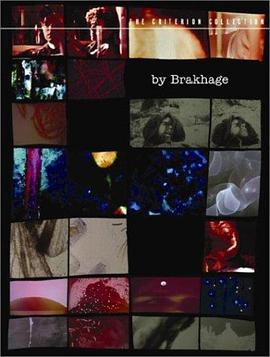
A man is supine on a mountain side. Images rush past of nature and a stained glass saint. An infant is born. We see a lactating nipple. Images include a mountain peak, farm buildings, a tree stump, a fire, a crawling baby, and the sun. The man falls and rolls. Then, later, he swings his ax.
Movie
Dog Star Man: Part III (2004)
Dog Star Man: Part III WikiData IMDb TMDB Douban
other title:
狗·星·人:第三部分
/
狗星人第三部分
Sexual intimacy. Three kinds of images race past, superimposed on each other sometimes: two bodies, a man and a woman's, close up, nude - patches of skin, wisps of hair, glimpses of a face and genitalia; strips of celluloid with lines and squiggles scratched on them; and, close-up shots of what appear to be the insides of living bodies - a heart beating, muscle and sinew and tissue wet with fluids. The exterior and interior of desire.
Movie
The Wold Shadow (2004)
The Wold Shadow WikiData IMDb TMDB Douban
other title:
荒野阴影
/
The Wold-Shadow
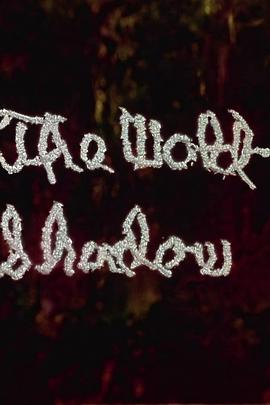
”My laboriously painted vision of the god of the forest." -S.B.
Movie
Study in Color and Black and White (1993)
Study in Color and Black and White IMDb TMDB Douban
other title:
色彩黑白研究
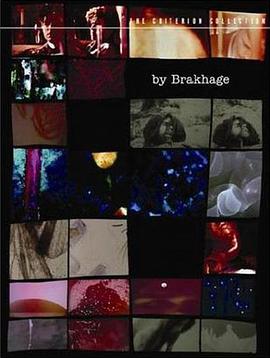
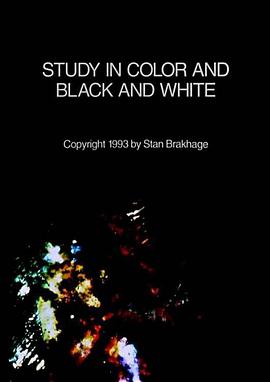
A hand-painted and photographically step-printed film, which exhibits variably shaped small areas of color (in a dark field) that explode into full frames of textured color interwoven with white scratch patterns that create a sense of interior depth and three-dimensional movement.
Movie
Murder Psalm (2004)
Murder Psalm IMDb TMDB DoubanInspired in part by a dream he had of murdering his mother, Brakhage here gives us one of his profoundest meditations on human aggression.




Movie
Sincerity II (1975)
Sincerity II IMDb TMDB DoubanThis continuation of my autobiography is composed of film photographed by many people: Bruce Baillie, Jane Brakhage, Larry Jordan and Stan Phillips, among others. Most of the footage is drawn from some 20,000 feet of "home movies," "out-takes" and the like, salvaged from my photography over the years. It is of the Brakhage family's coming into being.

Movie
Visions in Meditation #2: Mesa Verde (1989)
Visions in Meditation #2: Mesa Verde IMDb TMDB Douban
other title:
冥想中的幻象 #2:弗德台地
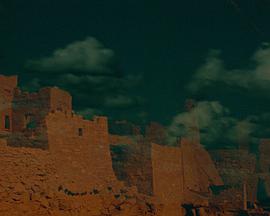
Visiting the famous Anasazi cliff dwellings in Colorado, abandoned about 1275, Brakhage thought, "There is terror here." And so he returns again and again to those empty stone homes.



Movie
Dog Star Man (1965)
Dog Star Man WikiData IMDb TMDB Douban
斯坦·布拉哈格
actor:
Stan Brakhage
/
Jane Wodening
other title:
도그 스타 맨
/
狗·星·人
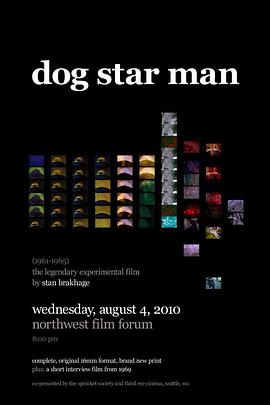
Experimental film following a cycle of seasons as well as the stretch of a single day as a man and his dog slowly ascend a mountain.
Movie
Lovesong (2001)
Lovesong IMDb TMDB Douban
other title:
爱之歌
Stan Brakhage described his film as "a hand-painted visualization of sex in the mind's eye". My mind finds little that could be called erotic, but much that is visually sensuous. In part, that is due to his painting techniques here, as many of the individual images are strongly crackled or impastoed and apparently photographed still wet, so that the paint glistens in the changing light. Additionally, the rate of image change is much slower than usual with him. Rather than the expected 12-24 images per second, here we see 2 or 3 per second and have more time to enjoy the abstract shapes and the rotation of rich colors through the palette. Should some numerically-oriented person ever decide to count the total of individual paintings done by Brakhage in his hundreds of short films, I think we'll find that Picasso was not the most prolific painter of the 20th century after all. "Lovesong" forms a striking and satisfying conclusion to the "By Brakhage" collection.
Movie
Star Garden (1974)
Star Garden IMDb TMDB Douban
other title:
星球花园
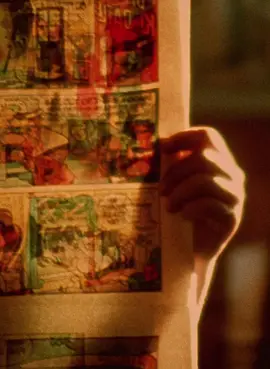
The "star", as it is singular, is the sun; and it is metaphored, at the beginning of this film, by the projector anyone uses to show forth. Then the imaginary sun begins its course throughout whatever darkened room this film is seen within. At "high noon" (of the narrative) it can be imagined as if in back of the screen, and then to shift its imagined light-source gradually back thru aftertones and imaginings of the "stars" of the film till it achieves a one-to-one relationship with the moon again. This "sun" of the mind's eye of every viewer does not necessarily correspond with the off-screen "pictured sun" of the film; but anyone who plays this game of illumination will surely see the film in its most completely conscious light.