Yukiko Fuji — Actor (4)

Movie

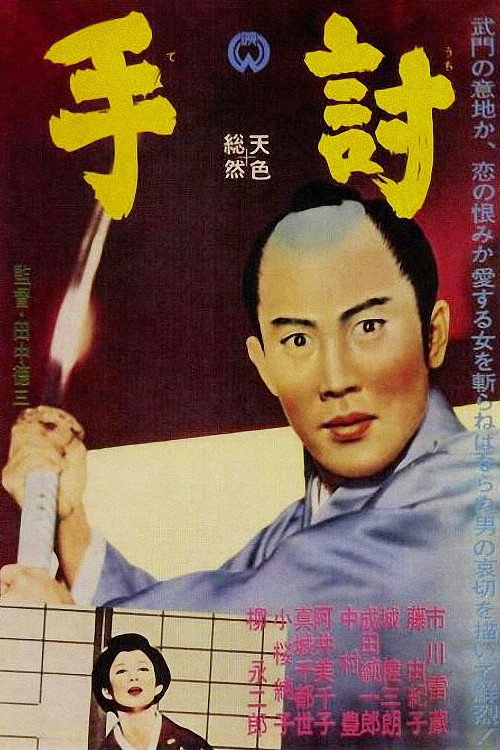
A Samurai Never Tells a Lie (1963)
手討 WikiData IMDb TMDB
other title: 手討 / 手讨
The shogun's vassal Harima Aoyama and a chamber maid are in love with each other, but they cannot be together due to a difference of their status. Soon, an offer of marriage is brought to Harima. Trying to test his love, Okiku breaks one of the plates of the family treasure of the Aoyama family, but Harima doesn't notice. However, someone surrounding her witnesses the moment Okiku breaks the plate on purpose.
Movie

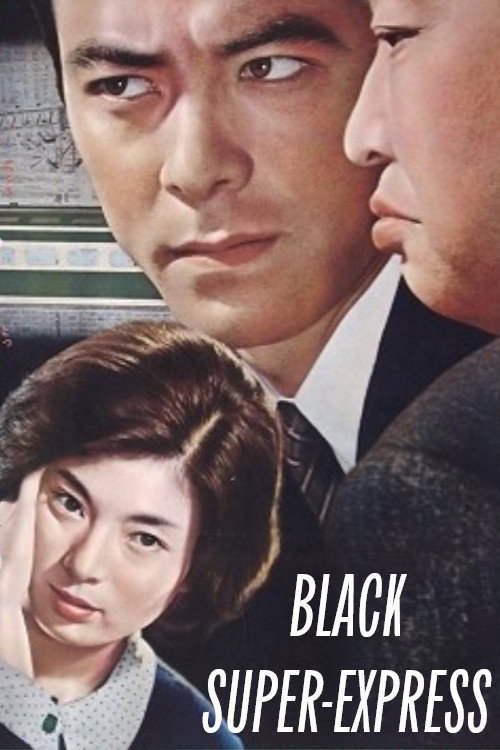
Superexpress (1964)
黒の超特急 WikiData IMDb TMDB
other title: 검정 초특급 / 黒の超特急 …
A man operates a small real estate business near Osaka. A man from Tokyo asks for help in buying a large tract of land in order, he says, to build an automobile factory. But by accident the realtor learns that the Tokaido Railway Line is going to be built directly across the land just acquired. Also known as Black Super Express

Movie

Yoso (1963)
Douban
other title: 妖僧 / Bronze Magician
Yoso is truly a lost classic, set in the Nara Era (710-794), from Kinugasa Teinosuke the same writer/director who gave us the recognized classic Gate of Hell (Jigokumon, 1952) & the milestone silent surrealist masterpiece A Page of Madness (Kurutta Ippeji, 1926). Yoso means "esoteric priest" which implies "sorcerer." For such a rarely screened film, it seems to have attracted an unwieldy number of English titles: The Sorcerer, Ghostly Priest, Bronze Magician, Phantom Priest, & on the subtitled 35 mm print the only fully apropos title, Priest & Empress, not to be confused with another Raizo Ichikawa film called The Priest & the Beauty (Anchin to Kyohima, 1960). Japan of the Nara Era had a sovereign female emperor or Mikado, Koken-Shotoku Tenno, who fell under the sway of a Buddhist priest named Dokyo. His influence over her proved so untoward that Empress Koken-Shotoku gave him titles which implied the imperial line might actually pass to him should the Empress die, despite that the imperial line had been preserved as a single dynasty back into prehistory. The crisis engendered by Dokyo led to the banning of women ever again becoming Mikado, a decision periodically revisited including in our own generation when there stood a strong threat of no authentic male heir. The film takes this historical reality & makes of it a believable though tough & very odd love story. Dokyo, who has indeed been called "the Japanese Rasputin," is here played by Raizo Ichikawa. Though Dokyo clearly uses the affections of the Empress (played by the ethereally beautiful Yukiko Fuji) for personal gain & power, his intense devotion to Shotoku is nevertheless no falsehood. When it comes time for his assassination, it is very much Rasputin-like, as he is damnably difficult to kill. It's portrayed quite horrifically but it remains simultaneously sorrowful because his love of Shotoku was no pose.

Movie

Immortal Love (1961)
永遠の人 WikiData IMDb TMDB Douban
★ 8.0 5 ratings
other title: 永远的人 / 永遠の人 …
A young woman is forced by circumstance into a loveless marriage while still in love with another. This episodic tale follows their story through three decades of bitter conflict which engulfs their children and those around them.