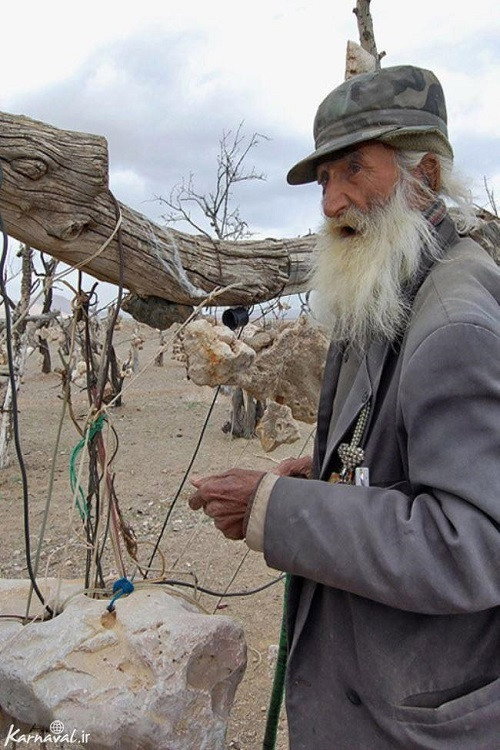
Parviz Kimiavi — Director (7)
Movie
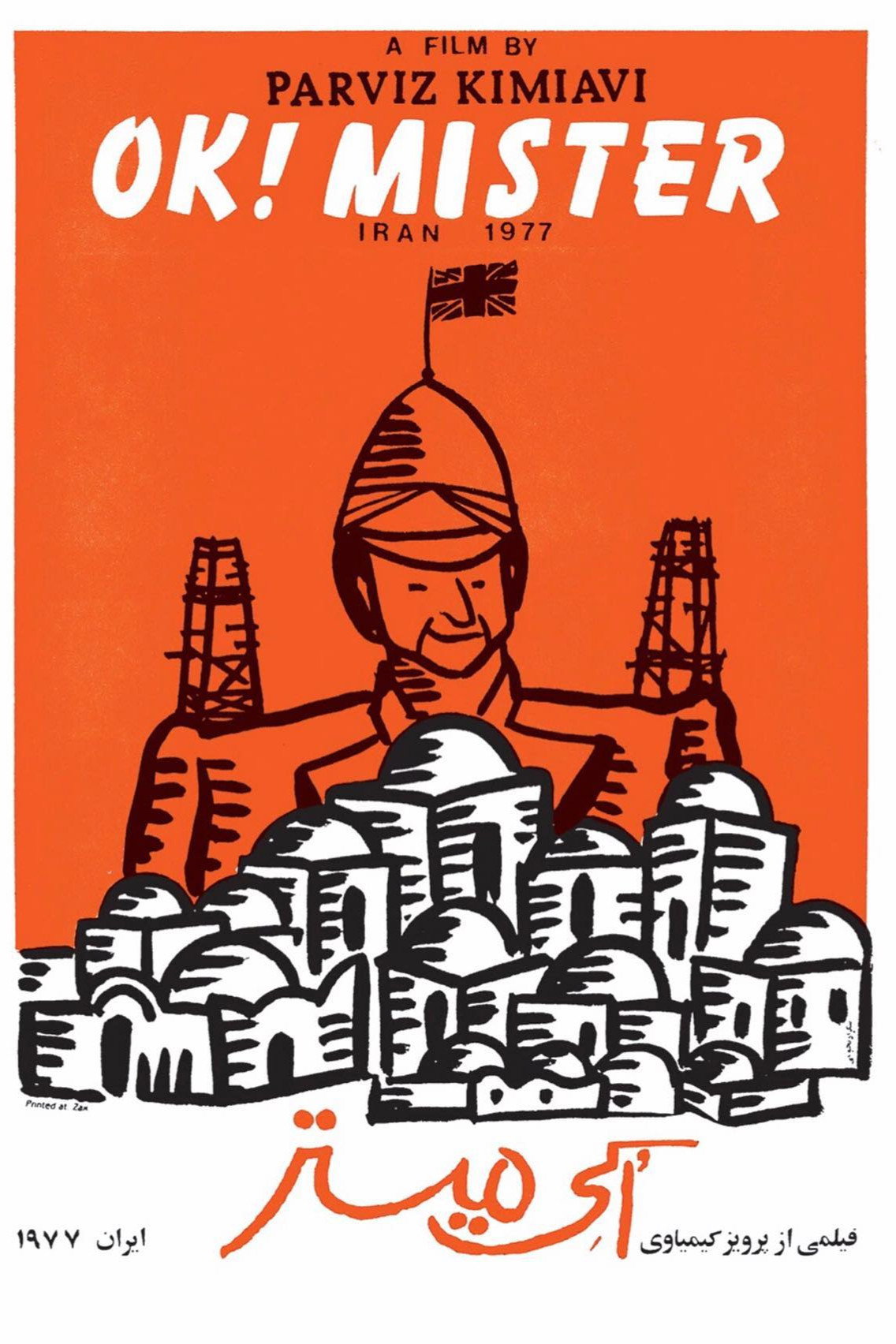
O.K. Mister (1979)
O.K. Mister WikiData IMDb TMDB
Parviz Kimiavi
actor:
Farrokh Ghaffari
/
Erika Maaz
…
In a remote village in the "land of roses and nightingales" one day surfaces a stranger: William Knox D'Arcy. To enact his plan for exploiting the wealth and the natural resources of this land, he sends after his cronies who descend upon the village in a big balloon. Among them is Cindrella a lady of electrifying beauty who is enlisted to keep the illiterate and lecherous villagers under her charm and make them follow D'Arcy's plans...
Movie
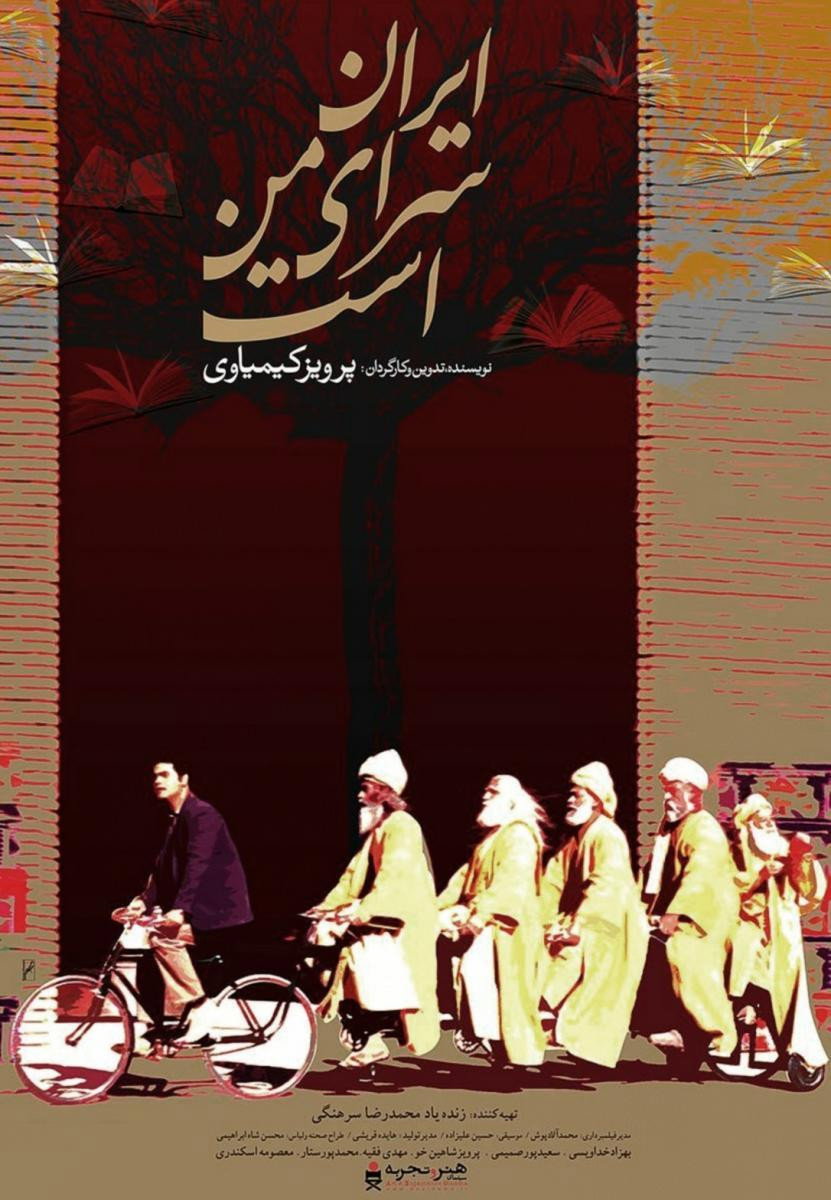
Iran Is My Land (1999)
ایران سرای من است WikiData IMDb TMDB
Parviz Kimiavi
actor:
Behzad Khodaveisi
/
Saeed Poursamimi
…
other title:
伊朗是我的家
/
ایران سرای من است
…
Sohrab, a provincial young writer, is lost in the desert on the way to Tehran to get a publication license for his book on old Persian poetry, but the trip involves some bizarre events.
Movie
The Hills of Qaytariyeh (1969)
تپههای قیطریه Douban
other title:
盖塔里耶诸山丘
/
تپههای قیطریه
…
An archeological finding and the stories it may contain. Made with great humor.

Movie
The Mongols (1973)
مغولها WikiData IMDb TMDB Douban
Parviz Kimiavi
actor:
Fahimeh Rastegar
/
Parviz Kimiavi
…
other title:
蒙古人
/
مغولها
…
Included in Jonathan Rosenbaum’s list of 1000 essential films, Parviz Kimiavi’s The Mongols (1973) is a leftfield satire and sharp commentary on the expanding presence of cinema and television in Iran. The story follows a filmmaker, played by Kimiavi himself and also named Parviz, as he struggles with both his own film and a looming assignment to oversee the installation of a television relay station in the remote province of Zahedan. Imbued by his wife’s thesis work on the Mongol invasion of Iran, Parviz’s anxieties coalesce and materialize in the form of surreal visions in which the origins of cinema are acted out by the Turkomans he hired to play Mongols in his own film. Together with Parviz, we watch as the would-be gang of Mongols wander the desert in search of their director and the answers to their pressing questions about the nature of cinema, all while the forthcoming introduction of television consumes the local village and its inhabitants. Kimiavi fashions a fantastical cinematic space rife with bizarre metaphoric imagery and Godardian references to film-making in order to draw a sarcastic parallel between the Mongol invasion and the hyper-accelerated modernization of 1970s Iran.
A director of a television series on the history of cinema, who has been grappling with the screenplay of his first feature film, receives an assignment to oversee the installation of a television relay station in a remote region of Zahedan province, near the Afghanistan border. He has already hired Turkoman tribespeople for his film and selected his filming location. Meanwhile his wife, who is working on her Ph.D. dissertation about the Mongol invasion of Iran, attempts to dissuade him from accepting the assignment. One night, while working on his history of the cinema series, the director fantasizes a diagetic world that consists of clever juxtapositions of his different worlds: the history of cinema, the history of the mongol invasion, his own film idea and his imminent assignment to the desert.
Movie
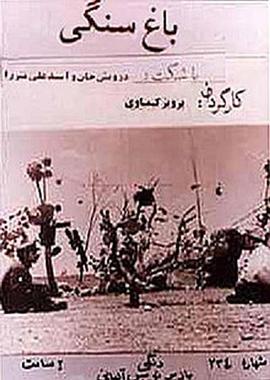
The Garden of Stones (1976)
باغ سنگی WikiData IMDb TMDB Douban
other title:
石头花园
/
باغ سنگی
…
76年柏林电影节银熊奖。
终于找到了这部传说中的片子,有了它我的伊朗电影15佳就算凑齐整了。。。:D
A rock garden blooms in the desert. With loving devotion, 90-year-old deaf-mute shepherd Darvish Khan has been taking care of the garden for decades. In the nearby village he is a living legend, known as a strong-armed hero who wrestles panthers with his bare hands and hauls heavy rocks alone from the desert into his amazing garden. To children, he is a nutty grandfather figure, and to his own son, he is an occasionally senile old man who continually runs off on his own.
In this film Kimiavi's visual and narrative style suits the story well – better, for instance than in his second film STONE GARDEN, the story of an old deaf and mute man who one night meets in his dream a saint who instructs him to make a stone garden. In this film there is a conflict between scenes in documentary style and other very stylized sequences.
Parviz Kimiavi (Born 1939, Tehran) is an internationally acclaimed Iranian (Persian) film director, screenwriter, editor and one of the most prominent figures of Persian cinema of the 20th century. Kimiavi studied photography and film at Ecole Louis Lumière (Louis Lumiere School of Cinematography) and IDHEC. His works gained critical success and won several prizes in important international events such as Berlin and Cannes.

Movie
Concerning Nice (1995)
À propos de Nice, la suite WikiData IMDb TMDB Douban
凯瑟琳·布雷亚
/
科斯塔-加夫拉斯
…
actor:
Thierry Saïd Bouibil
/
Jérôme Chabreyrie
…
other title:
关于尼斯,待续
/
À propos de Nice, la suite
…
A follow up to Jean Vigo’s short 1930 documentary A propos de Nice, A propos de Nice, la suite (1995), is really a collection of seven short documentary films combined into one feature.