Elliott Erwitt — Actor (3)
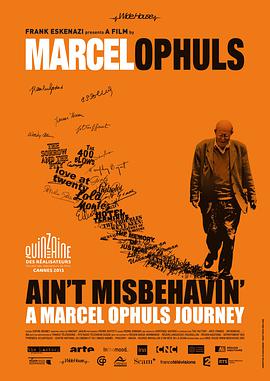
Ain't Misbehavin (2013) [Movie] WikiData IMDb TMDB Douban
Un voyageur
other title: 旅人 / Un voyageur
18 years after his last film, (The Troubles We've Seen), Marcel Ophuls emerges from retirement as one of our last masters, the most corrosive, the funniest as well. And the most forceful. The director of The Sorrow and the Pity shares with us stories of his exceptionally rich life in this light-hearted yet bitter escapade though the century and the movies. Son of the great Max Ophuls, he is generous in his admiration. We also meet Jeanne Moreau, Bertolt Brecht, Ernst Lubitsch, Otto Preminger, Woody Allen, Stanley Kubrick and of course François Truffaut. There are no great filmmakers without a memory, so here is the memory shop of Marcel Ophuls.
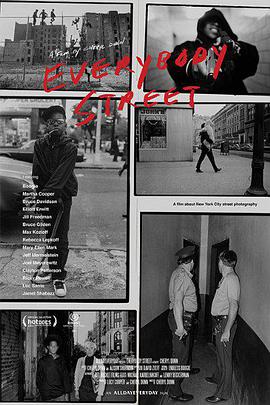
Everybody Street (2013) [Movie] IMDb TMDB Douban
Everybody Street
8.0 (6 ratings) director: Cheryl Dunn actor: Boogie / Martha Cooper
other title: 街拍纽约 / 에브리바디 스트릿
Celebrated filmmaker and photographer Cheryl Dunn turns her lens on the pioneers and masters of New York street photography. Dunn profiles artists spanning six decades, including Bruce Davidson, Mary Ellen Mark, Jill Freedman, Jeff Mermelstein and Martha Cooper, revealing that these shooters are as colourful and unique as the subjects they’ve relentlessly documented. Everybody Street explores the passion that compelled Freedman to spend years riding in squad cars during the most violent years in the city; Bruce Gilden’s drive to thrust his camera in people’s faces to capture a moment; and Martha Cooper’s dedication to chasing graffiti on passing subway cars in the Bronx. The film is a definitive look at the iconic visionaries of this often imitated art form.
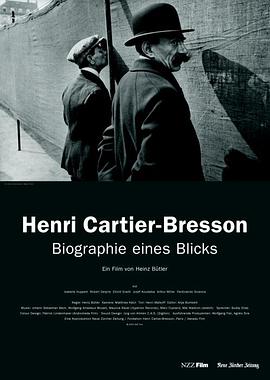
Henri Cartier-Bresson: The Impassioned Eye (2003) [Movie] IMDb TMDB Douban
Henri Cartier-Bresson - Biographie eines Blicks
director: Heinz Bütler actor: 亨利·卡蒂尔-布列松 / Arthur Miller
other title: 亨利·卡蒂尔-布列松:毕生目光 / Henri Cartier-Bresson - Biographie eines Blicks
Heinz Bütler interviews Henri Cartier-Bresson (1908-2004) late in life. Cartier-Bresson pulls out photographs, comments briefly, and holds them up to Bütler's camera. A few others share observations, including Isabelle Huppert, Arthur Miller, and Josef Koudelka. Cartier-Bresson talks about his travels, including Mexico in the 1930s, imprisonment during World War II, being with Gandhi moments before his assassination, and returning to sketching late in life. He shows us examples. He talks about becoming and being a photographer, about composition, and about some of his secrets to capture the moment.