Nadia Sibirskaïa — Actor (4)

Movie

Autumn Mists (1929)
Brumes d'automne WikiData IMDb TMDB Douban
other title: 秋雾 / Brumes d'automne
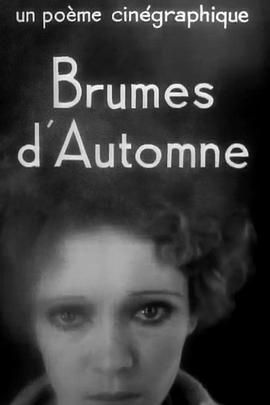
A forgotten avant-garde masterpiece by a forgotten avant-garde director Brumes d'automne (1929, Dimitri Kirsanoff) is the best avant-garde short film, and one of the best films of any kind, that I have ever had the pleasure of seeing. There are so many positives to it, and no negatives. It is even better than Man Ray's Le Retour à la Raison, which I previously believed to be the gold standard for the quality of experimental short films. The title translates to Autumn Mists, which the film is filled with. Unlike most experimental works, Brumes features a clear protagonist. This unnamed character is played by the absolutely gorgeous Nadia Sibirskaïa. When we first meet this woman, she is burning papers in a fireplace. The papers are presumably letters from a lost love. Sibirskaïa's work here is a perfect example of how to act through body language. Through slight facial gestures and movements, she says so much more than words ever could. Her eyes tell her story for her. Paul Devred's score is mesmerizing, and works perfectly with the tone of the film. It's also a very beautiful musical composition in its own right. However, the single best aspect of the film is the cinematography by Jean de Mieville. The shots that feature water remind one of what Ralph Steiner's experimental short H2O could have been, and should have been. This film should be seen by all. There is a real tragedy, far worse than the one in the film, and that tragedy is that there probably are not a thousand living people who have even heard of the film. It is a true forgotten masterpiece. I will go as far as to call it the best film of the 1920s. (author: Matt McGraw (WhenTheRadiatorBurst) from Florida at imdb.com)

Movie

Ménilmontant (1928)
Ménilmontant WikiData IMDb TMDB Douban
★ 8.1 7 ratings
other title: 迈尼蒙坦特
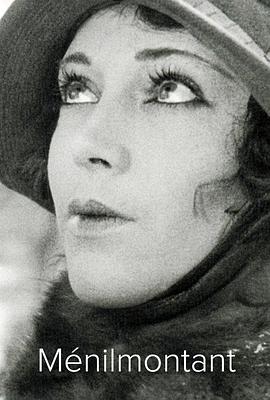
Dimitri Kirsanoff's film centers on two young country girls who flee to the city after their parents are brutally murdered (we are given very few details as to who did this or why). The film's narrative is very sketchy, as there are no intertitles, and the two girls have similar features and are dressed similarly throughout most of the film. One of the girls, played by the wonderful Nadia Sibirskaia (Kirsanoff's wife), goes off with a man while her sister stays home in their tenement. When she returns home she soon has a baby, and her sister goes off (presumably as a prostitute) with the man. Sibirskaia presumably becomes homeless until she is ultimately reunited with her sister. The man they went away with earlier shows up again, only to be killed by a random criminal. The film's slim and fragmented plot does nothing to convey the extraordinary and evocative world Kirsanoff creates through a barrage of disparate techniques lifted from German expressionism, Soviet montage, Hollywood melodrama, and the French avant-garde. The opening massacre is shown through a rapid Eisenstein-inspired montage; the compression of time and dreamlike waywardness of the girls' journey is presented through a series of lap dissolves; and the wintry, desolate atmosphere of Menilmontant (a poor, working class district on the eastern edge of Paris) is conveyed by an impressionistic use of documentary footage. The film's most celebrated sequence occurs while Sibirskaia is wandering destitute on the streets of Paris (after contemplating drowning herself and her baby). Alone at night on a park bench, the young mother is cold and hungry, when an old man with a cane sits down on the bench next to her. The old man quietly shares some of his bread with her (never looking at her, he only lays the scraps and pieces on the bench separating them). The desperate girl tearfully accepts the food, and smiles, though the man barely looks her way. It's an extraordinarily sad and moving sequence that has echoes of Chaplin, but without that comedian's maudlin approach to sentiment. Sibirskaia's performance here is wonderfully nuanced and naturalistic -- there's very little of the histrionics usually associated with much silent film acting -- and she possesses a face that rivals Lillian Gish. The only comparable sequence I can think of is in Ozu's great 1935 silent film, An Inn in Tokyo.