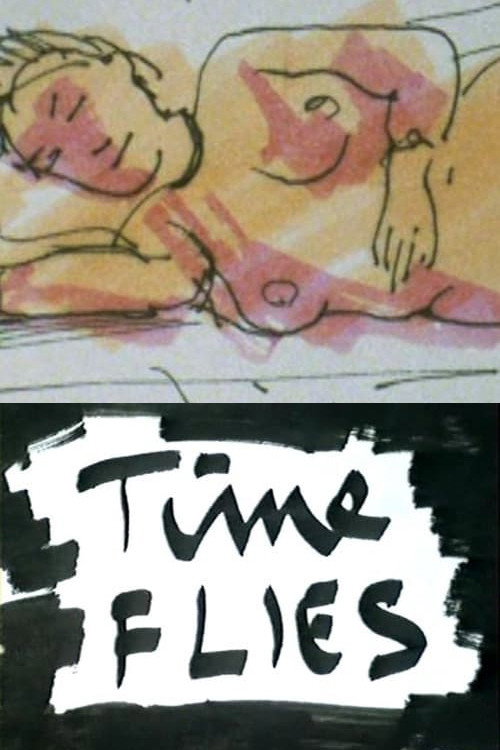
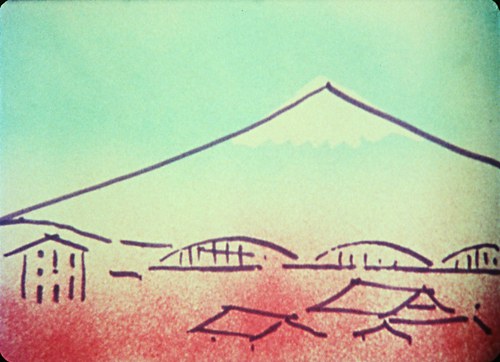
Personal photos are interspersed with fragmentary drawings and flashes of colour, observed and/or remembered everyday events - all of which add to a general sense of reminiscence. Sometimes a hand appears (Breer’s own) on top of a photo, reminding us that the photo is but an object in the film, not the film itself.
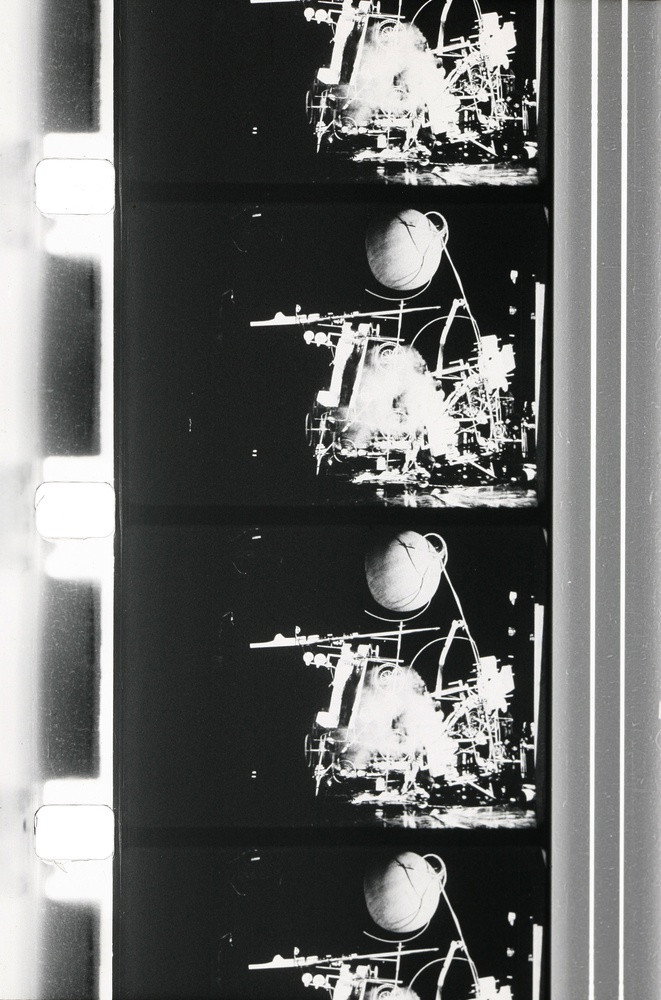
A record, of sorts, of the birth and death of Tinguely’s famous auto-destructive sculpture. Filmed on the spot at MoMA, this film also exploits a wide range of camera and editing techniques to give it a life of its own, independent of and parallel to the subject. — Anthology Film Archives
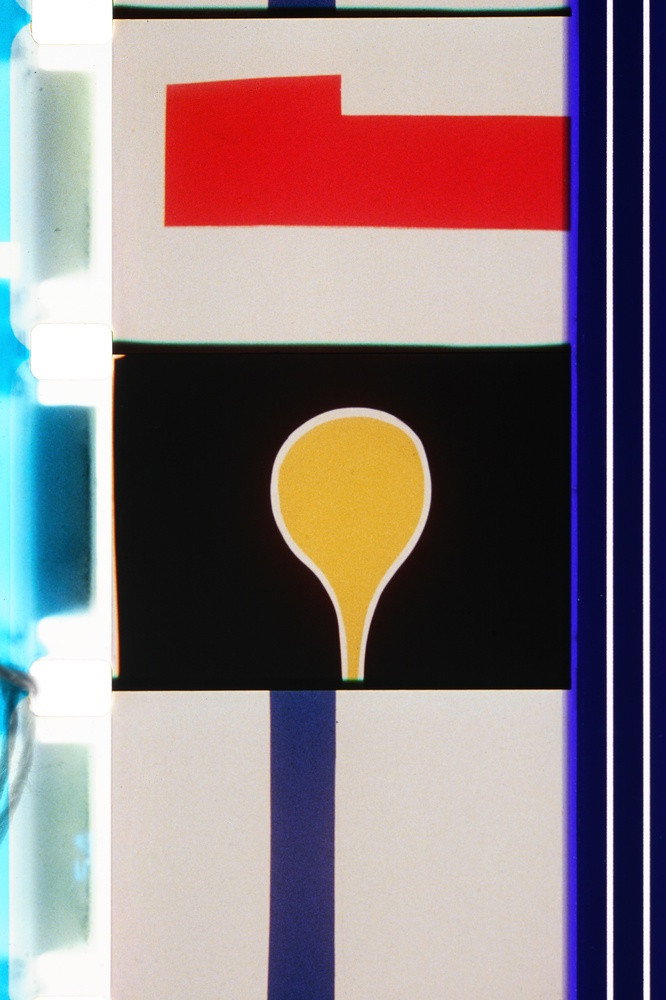
Breer's earliest experiments in animation are wonderfully dense yet lyrical abstractions based on Breer's own geometric paintings. - Harvard Film Archive
Breer's earliest experiments in animation are wonderfully dense yet lyrical abstractions based on Breer's own geometric paintings. - Harvard Film Archive
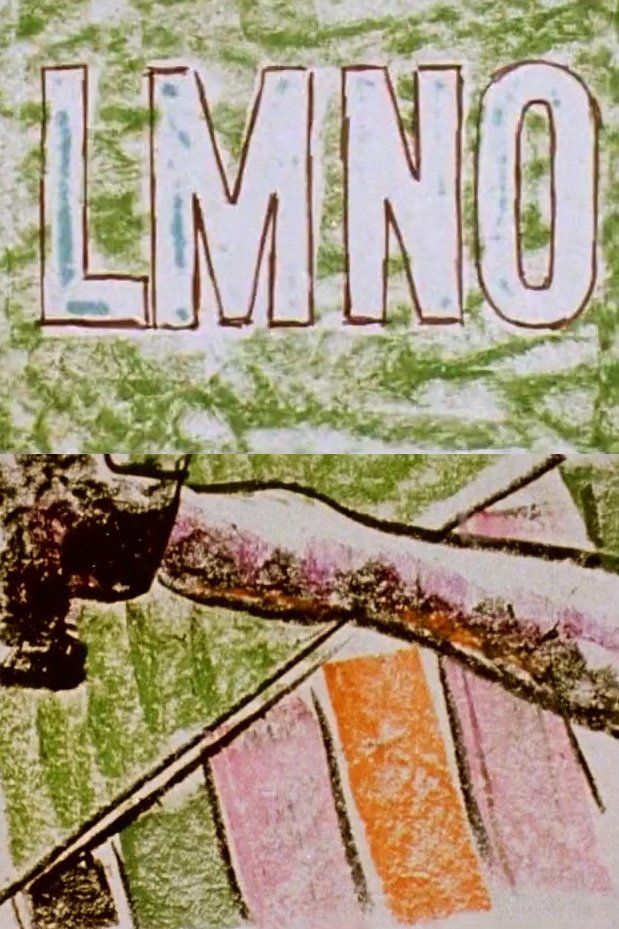
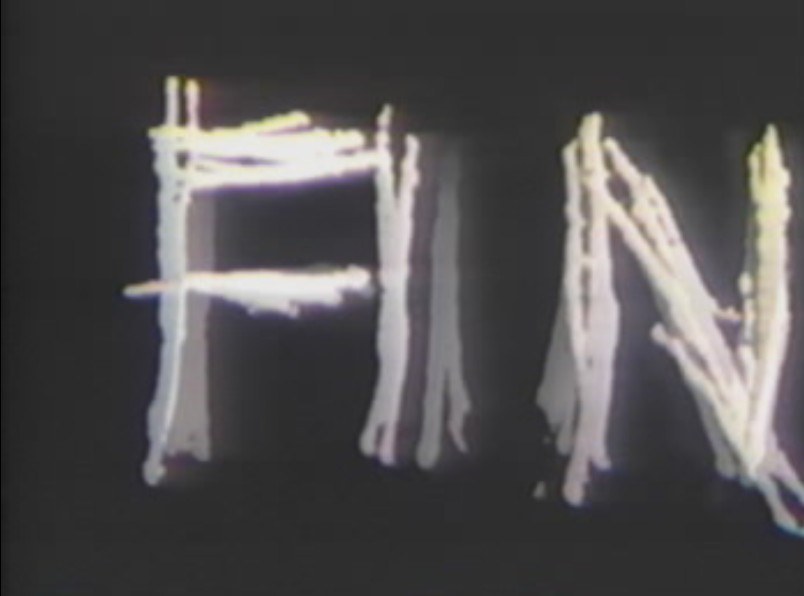
Conceivably the best of all of Breer’s films to date – has more to do with figuration, according to Breer’s formulation regarding titles with letters or numbers. This becomes clear right away as the title letters are intercut with a flurry of fish swimming past the frame lines, which are made all the more literal through the associative chain established by a snippet of Schubert’s Trout Quintet heard on the soundtrack, along with footsteps – which continue over a profusion of other shapes, colors, and objects, including the title letters again. -- Jonathan Rosenbaum
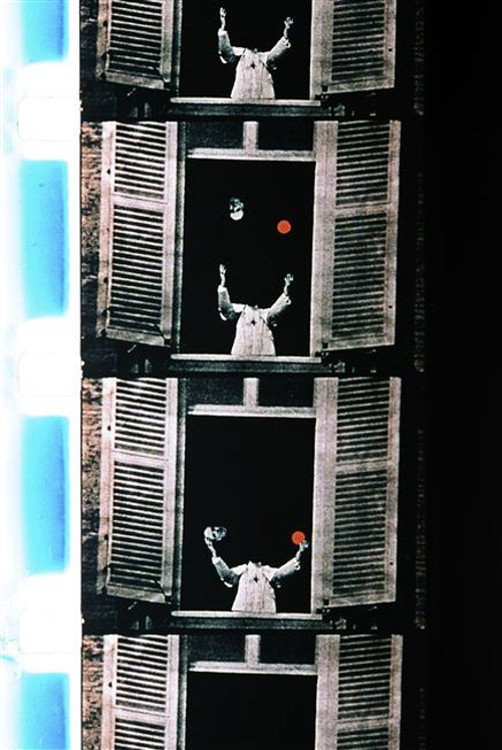
Breer's extraordinary autobiographical film combines personal and family photos with intense colors, textures and geometric abstractions. Originally presented as part of Karlheinz Sotckhausen's 1964 premiere of Originale. - Harvard Film Archive
An experimental film in which a photograph of an airplane turns into a wire diagram, then into an animated plane in flight, and then it explodes into words.
"Made with spray paint and hand-cut stencils, this film was an attempt at maximum plastic intensity… Places Breer for the first time among the major colorists of the avant-garde." – P. Adams Sitney