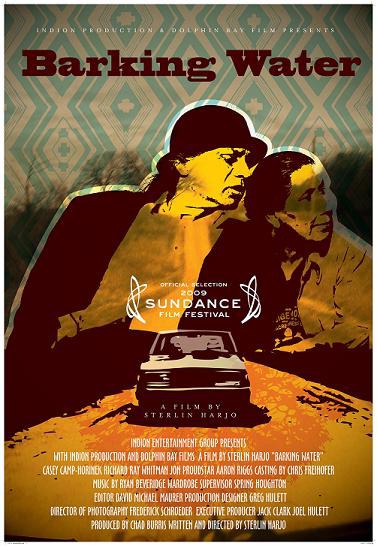
Sterlin Harjo — Director (4)

Movie

Mekko (2015)
Mekko WikiData IMDb TMDB
other title: メッコ
Mekko gets out of prison after 19 years. He has no home or family so he makes his way to Tulsa. He tries to connect with a cousin but she turns him away. With nowhere to go Mekko ends up sleeping on the streets. He is taken in by the homeless native community. At times jovial, there is a dark undercurrent to the community. He begins having issues with a man named Bill. Bill is pure evil. Convinced that this man is a witch, Mekko turns to the old teachings of his grandmother in order to rid the community of this 'witch'. It's a story of redemption, and hope. Mekko is in search of his home and the strength to forgive himself of his past.
Movie

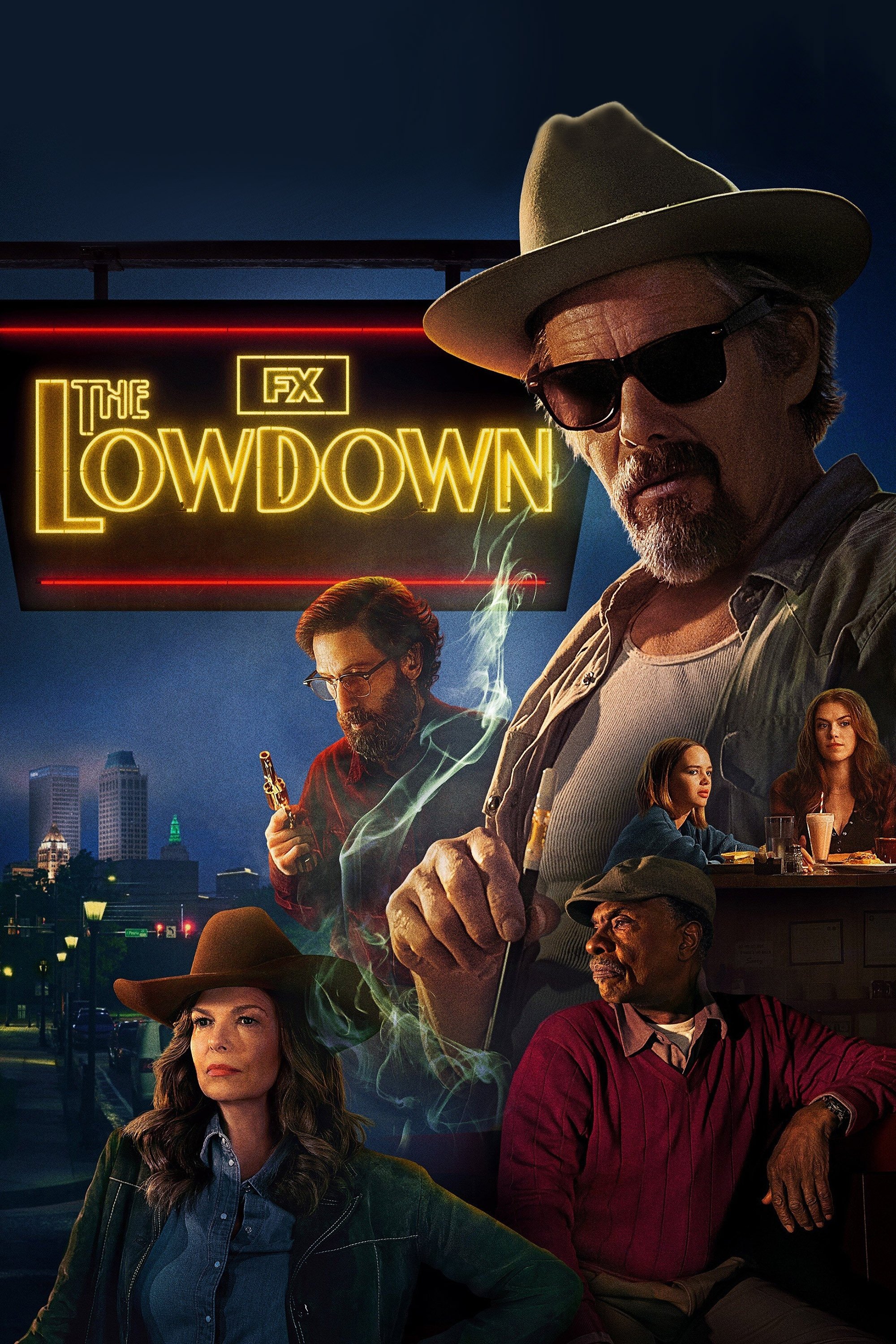
去皮的水 (2009)
Barking Water Douban
other title: Barking Water
Before Oklahoma was a red state, it was known as the Land of the Red People, described by the Choctaw phrase Okla Humma. In his sophomore film, Sterlin Harjo takes viewers on a road trip through his own personal Oklahoma, which includes an eclectic mix of humanity. Irene and Frankie have a difficult past, but Frankie needs Irene to help him with one task. He needs to get out of the hospital and go home to his daughter and new grandbaby to make amends. Irene had been his one, true, on-again, off-again love until they parted ways for good. But to make up for the past, Irene agrees to help him in this trying time. With steady and graceful performances by Richard Ray Whitman as Frankie and Casey Camp-Horinek as Irene, this story takes viewers for a ride in the backseat of Frankie and Irene’s Indian car, listening to their past and the rhythmic soundtrack that sets the beat for a redemptive road journey. Harjo wraps us in the charm and love of Oklahoma through the people and places Irene and Frankie visit along the way. In this sparingly sentimental and achingly poignant film, Harjo claims his place as one of the most truthful and honest voices working in American cinema today. Barking Water is an expression of gratitude for the ability to have lived and loved.