Egon Günther — Director (7)

Movie

Ursula (1978)
Ursula IMDb Douban
other title: 厄休拉
The heroine of this imaginative historical drama is Ursula Schnurrenberger (Suzanne Stoll), an unsophisticated and pure-hearted young peasant woman living in a cabin amongst the Swiss Alps (for proof of lack of sophistication, note the faint ‘tache naively embellishing her healthy schoolgirl complexion). But Ursula's honest and peaceful lifestyle is doomed to end, as this is the time of the Reformation, of mad church-smashing preachers, civil war, and clothes-ripping charismatic cults. Along with her young beau Hansli Gyr (Jörg Reichlin) Ursula is dragged into the Protestant crusade against the ruling Catholic establishment. I don't know any history but I'd guess Ursula's side will probably lose the resulting Battle of Kappel (1531) – these things usually end in tears anyway.
Movie

Her Third (1972)
Der Dritte WikiData IMDb TMDB
other title: Der Dritte / El tercero …
In this East German film, the third one in The Third is Margit's third lover. After her mother's death, Margit has two affairs which don't work out, and one lesbian friendship which she retains. She is looking for a husband, though, and thinks she has spotted a candidate in her fellow factory worker. As she contemplates marrying him, her story is told in a series of flashbacks.

Movie

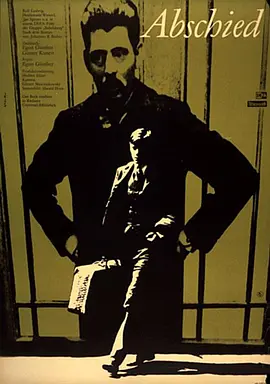
Farewell (1968)
Abschied WikiData IMDb TMDB Douban
other title: 告别 / Abschied …
In August of 1914, amidst the public ecstasy surrounding the impending war, Hans Gastl, the young son of a Munich bürger, makes a decision: he will not take part in this war. This resolution signifies a turning point in his life; a farewell to his class and his family.

Movie

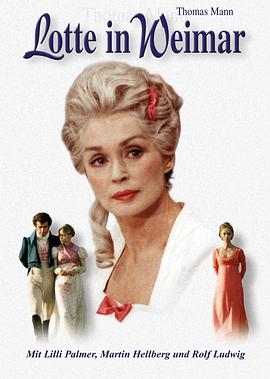
Lotte in Weimar (1974)
Lotte in Weimar WikiData IMDb TMDB Douban
other title: 绿蒂在魏玛 / 魏瑪的洛特
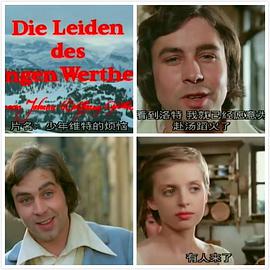
Based on the novel by Thomas Mann. Charlotte Kestner, the love of Goethe's youth, became famous because she was the real-life Lotte represented in his renowned The Sorrows of Young Werther. At forty-four years of age she travels to Weimar to see Goethe again. The posturing of high society and Goethe's personal history lead her to an unexpected conclusion. Dramaturge (later Studio Director) Walter Janka was befriended by the Thomas Mann family, making this adaptation possible.