other title:
早期抽象
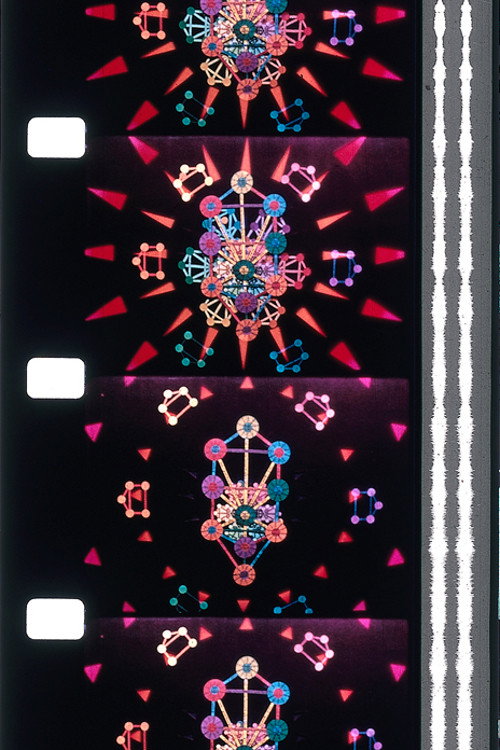
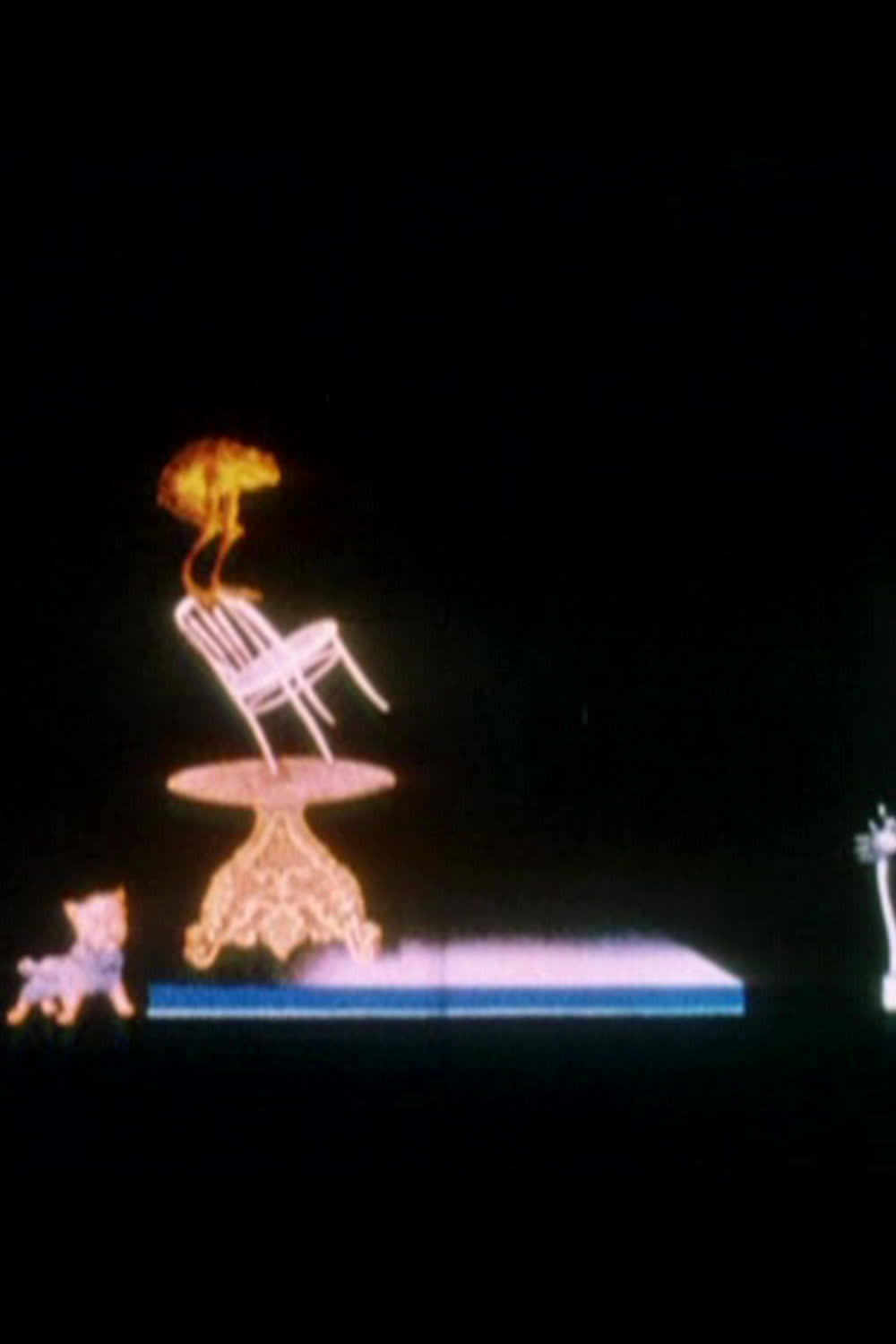
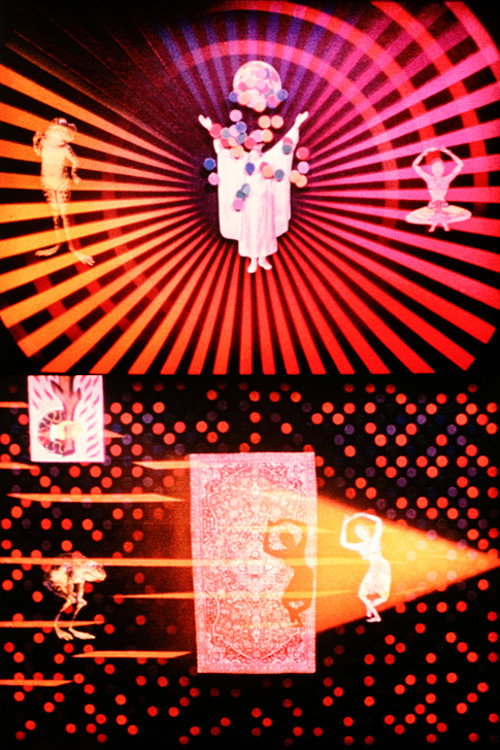
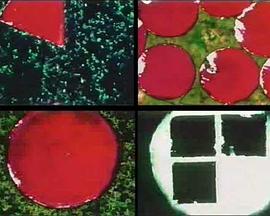
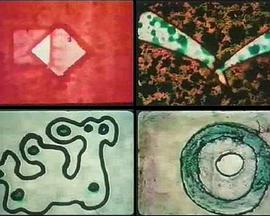
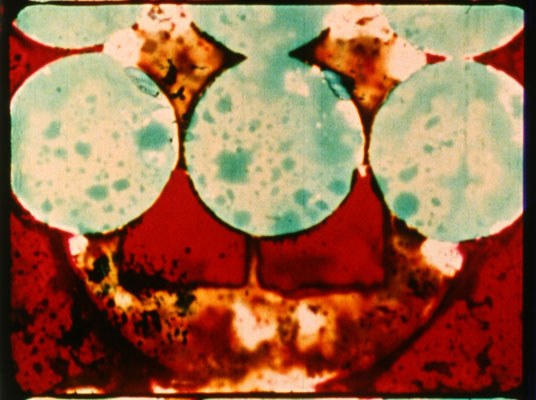
An anthology of Harry Smith's films 1-5, 7, and 10, unfortunately without the divisions clearly marked.
Harry Smith
Harry Smith (1923-1991) Groundbreaking avant-garde filmmaker, visionary painter, music producer, linguist, occult historian and philosopher, student of Native American lore, compulsive collector, and cosmological polymath, Smith was an uncategorizable yet distinctly American figure.
Born in Portland, Oregon, Smith came from a Masonic and Theosophical family whose bizarre predilictions primed him for what was to become a lifelong obsession with the metaphysics of extremity. By the age of 15 he was in direct contact with Native American culture and ritual, as he studied and interacted with the Lummi and Salish Indians of the Pacific Northwest.
Smith lived in the Bay area from the mid-'40s until 1951, collecting records, painting, mastering the hand-painted film, and breaking serious ground in the then-nascent medium of substance abuse. He studied the correspondence between sound and color (largely neglected since Goethe, though touched upon by Scriabin et al.) and began working intimately with jazz musicians such as Charlie Parker, Thelonious Monk, and Dizzy Gillespie. He came to New York in 1951 and continued his explorations in art, music, esoteric knowledge, and fomenting large-scale hoopla.
Smith is best known for compiling the epochal 1952 Anthology of American Folk Music, which fertilized the ovum of Rock 'n' Roll (as recent tests have shown). He also produced 1965's frug-inducing The Village Fugs (with the usual consequences), Allen Ginberg's harmonium-fuelled yodel of buggery, First Blues, and that still-unknown quantity of mischief, The Kiowa Peyote Meeting (all available in exchange for money from Smithsonian Folkways Records), while staying up for days in the Chelsea Hotel and enjoying the largesse of "many a corporate Maecenas."
Smith's lunatic heterodoxy of interests resulted in collections of Seminole quilts, paper airplanes, Ukrainian Easter eggs, and string figures. Smith spent his last years holding forth as "shaman-in-residence" at Naropa Institute. In 1991 he staggered onstage to receive a Grammy for his contributions to American folk music. Smith died at the Chelsea Hotel in November 1991.