卡埃塔诺·维洛索 — 艺术家 (35)
Antologia 67/03 [音乐] 豆瓣
Caetano Veloso 类型: 民谣
发布日期 2004年1月1日 出版发行: Universal Int'l
Caetano Emanuel Viana Telles Veloso is a Brazilian composer, singer, guitarist, writer, and political activist.
Brasil [音乐] 豆瓣
Joao Gilberto / Caetano Veloso 类型: 民谣
发布日期 2006年5月29日 出版发行: Universal Japan
Japanese only SHM paper sleeve pressing. The SHM-CD [Super High Material CD] format features enhanced audio quality through the use of a special polycarbonate plastic. Using a process developed by JVC and Universal Music Japan discovered through the joint companies' research into LCD display manufacturing* SHM-CDs feature improved transparency on the data side of the disc* allowing for more accurate reading of CD data by the CD player laser head. SHM-CD format CDs are fully compatible with standard CD players. 2009.
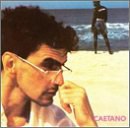
Caetano Veloso [音乐] 豆瓣 Discogs
9.0 (6 个评分) Caetano Veloso 类型: 放克/灵歌/R&B
发布日期 1968年8月8日 出版发行: Philips
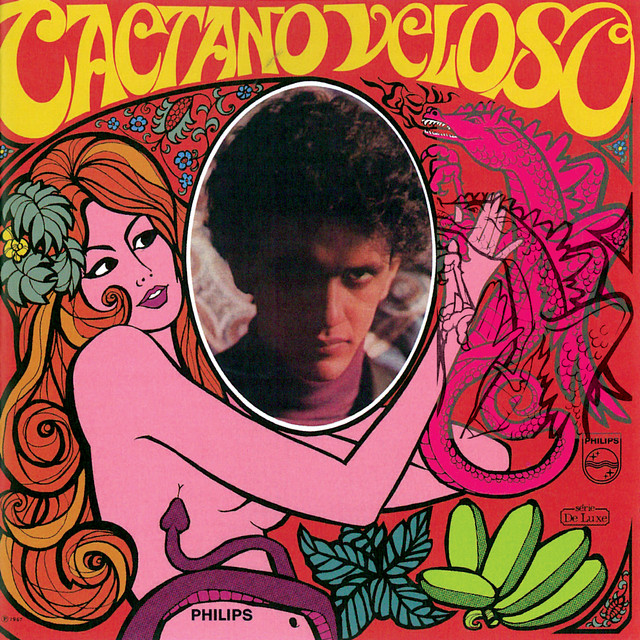
Caetano Veloso is the debut solo album by the artist of the same name, released in Brazil in 1968. He had released Domingo the year before in collaboration with Gal Costa. It was one of the first Tropicália efforts, and features arrangements by Júlio Medaglia, Damiano Cozzella, and Sandino Hohagen, as well as an eclectic assortment of influences, demonstrating the "antropofagia" (artistic cannibalism) of the Tropicália movement. Sounds from psychedelia, rock, pop, Indian music, bossa nova, Bahian music and other genres appear on the album. It includes the hit songs "Alegria, Alegria", "Tropicália", and "Soy loco por ti, América".
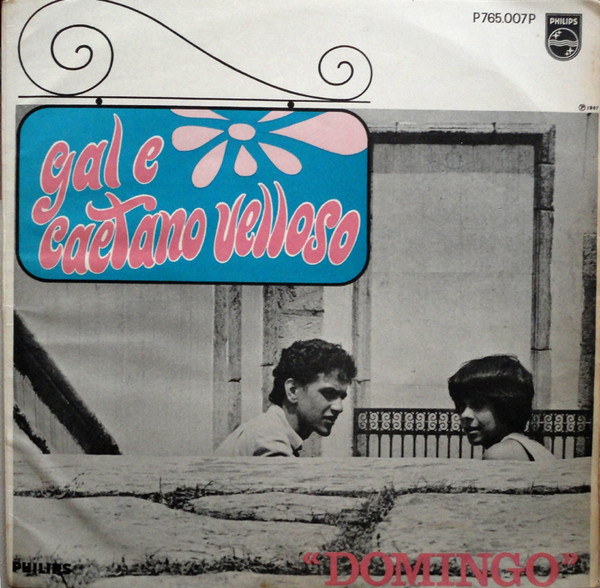
星期天 [音乐] 豆瓣
Caetano Veloso / Gal Costa 类型: 民谣
发布日期 1967年1月1日 出版发行: Polygram
Domingo (Sunday, in Portuguese) is Caetano Veloso's and Gal Costa's debut album, released in 1967. The album features seven original compositions (all by Caetano), one partnership with Torquato Neto and four other interpretations (two by Gilberto Gil and Torquato Neto, one by Edu Lobo and one by Sidney Miller).
Domingo had a revival in 2006 with remastered re-release (pictured) by Charles Gavin. The album was recorded before the Tropicália movement, which would start up months later; the album is essentially influenced by the style of João Gilberto, being just Bossa Nova.
Veloso's name is written on the cover with two "L's" instead of the normal one, which had already been changed for his then-upcoming album, Caetano Veloso.
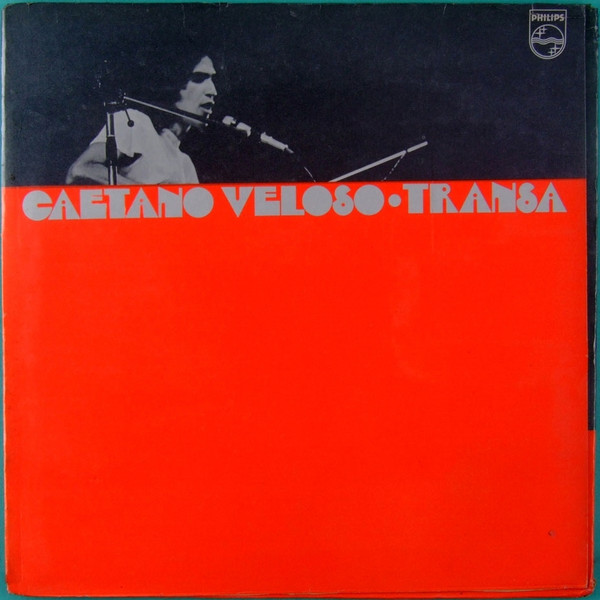
Transa [音乐] 豆瓣
Caetano Veloso 类型: 拉丁
发布日期 1972年1月1日
Caetano Emanuel Viana Telles Veloso is a Brazilian composer, singer, guitarist, writer, and political activist.
Caetano Veloso [音乐] 豆瓣 Discogs
Caetano Veloso 类型: 民谣
发布日期 1971年1月1日 出版发行: Polygram (Philips) / Famous
Caetano Veloso is the third self-titled album by Caetano Veloso. It was recorded in England, when the artist was in an exile imposed by the Brazilian military dictatorship for being subversive. It is mostly sung in English and portrays a sad tone throughout, reflecting his feelings about homesickness and the absence of his family and friends. It was released first in Europe, and then in Brazil, in 1971.
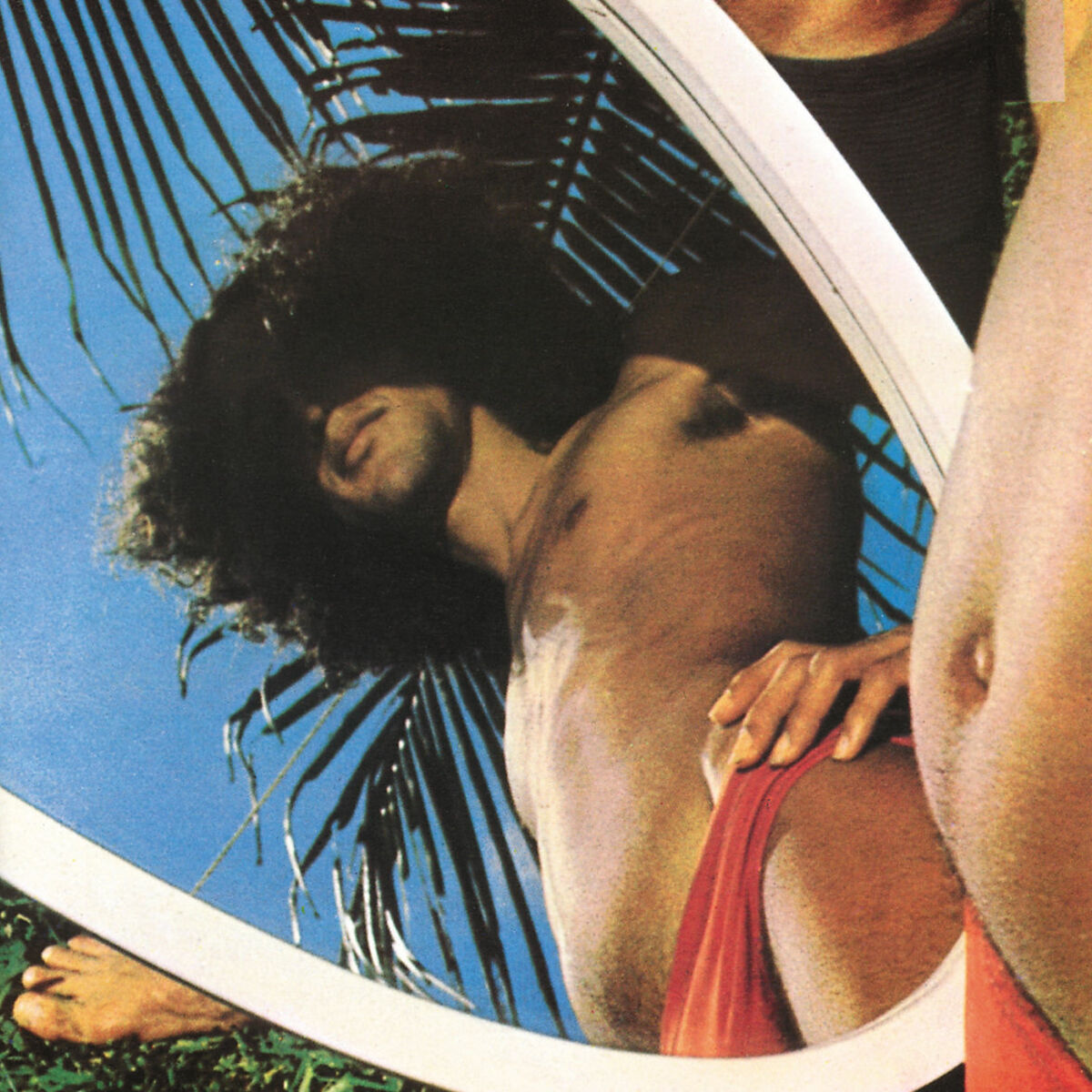
我的椰子 [音乐] 豆瓣
Caetano Veloso 类型: 世界音乐
发布日期 2021年10月21日 出版发行: Sony Music Entertainment (Brasil) Ltda.
========
本条目由豆瓣条目添加助手自动生成(
),如有信息错误请更正。
Cores, Nomes [音乐] 豆瓣 Discogs
Caetano Veloso 类型: MPB
发布日期 1982年1月1日 出版发行: Philips
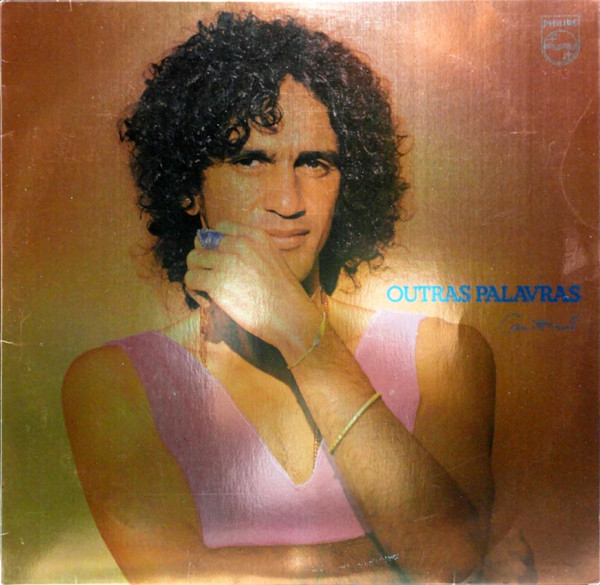
Cores, Nomes (transl. Colors, Names) is a 1982 album by Brazilian musician Caetano Veloso. It resembles his 1981 album Outras Palavras.

The tracks "Um canto de afoxé para o Bloco do Ilê" and "Queixa" appear on the 1989 David Byrne-compiled collection Beleza Tropical.
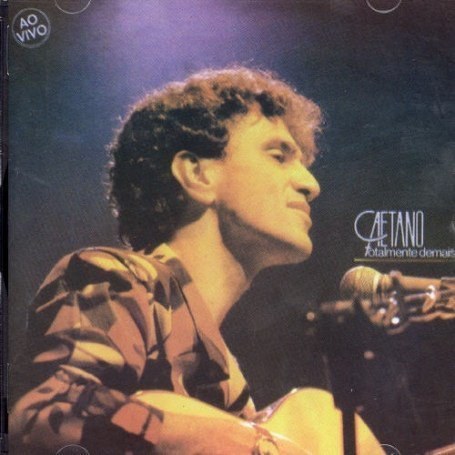
Fina Estampa ao Vivo [音乐] 豆瓣
Caetano Veloso 类型: 拉丁
发布日期 1994年10月11日 出版发行: Polygram Records
Caetano Emanuel Viana Telles Veloso is a Brazilian composer, singer, guitarist, writer, and political activist.
Caetano Veloso & Ivan Sacerdote [音乐] 豆瓣
Caetano Veloso / Ivan Sacerdote 类型: 拉丁
发布日期 2020年1月16日 出版发行: Universal Music International Ltda.
Caetano Emanuel Viana Telles Veloso is a Brazilian composer, singer, guitarist, writer, and political activist.
永恒的献礼 [音乐] 豆瓣
Caetano Veloso 类型: 爵士
发布日期 2000年7月25日 出版发行: Verve
1998 release from the Bob Dylan of Brazil. Cool jazz and Gil Evans' orchestrations are the raw material for his synthesis with contemporary Bahian rhythms. 20 tracks. Polygram.
奉獻儀式 [音乐] 豆瓣
Caetano Veloso / Tom Veloso 类型: 流行
发布日期 2018年5月25日 出版发行: 环球唱片
Caetano Emanuel Viana Telles Veloso is a Brazilian composer, singer, guitarist, writer, and political activist.
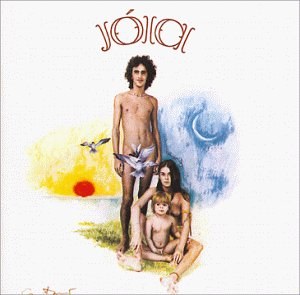
Jóia [音乐] 豆瓣
Caetano Veloso 类型: 民谣
发布日期 2004年12月14日 出版发行: Universal Int'l
Caetano Emanuel Viana Telles Veloso is a Brazilian composer, singer, guitarist, writer, and political activist.
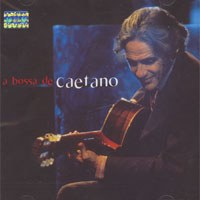
A Bossa de Caetano [音乐] 豆瓣
Caetano Veloso 类型: 民谣
发布日期 2000年9月12日 出版发行: Universal International
Bossa Nova泰斗,巴西诗人歌手Caetano Veloso,他的作品也是王家卫的最爱之一,忧伤婉转。他的歌声温柔动人,婉转的西班牙语、磁性的男中音,在吉他、提琴的背景下,吟唱着缱慻的柔情。
很多人认识Caetano Veloso,可能是在看了王家卫的《春光乍泄》电影,听到那首非常忧伤的《cucurrucucu paloma》而了解到他的音乐,这首歌也在阿莫多瓦的《对她说》里出现过,Caetano Veloso被誉为是巴西最伟大、最多才多艺的歌手,既是诗人又是作曲家,他的歌曲不仅曲调优美、饱含感情,歌词也因有着诗歌的韵意,而被一些乐评人评论为音乐画作。
Caetano Veloso1942年出生于巴西的北方Bahia,继承了当地那种受加勒比,北美流行以及非洲一些地区音乐影响的音乐传统,在他刚成年时就与他妹妹到了Rio,并很快因谱写了Um Dia这首歌而受到青睐,签约Philips公司。此后Veloso迅速崛起于巴西流行音乐界,其音乐很大程度上受到了由Gilberto Gil掀起的bossanova音乐之风的影响,浪漫而相对轻柔,完全不同于其他南美新歌谣那种激进朴素的风格。然而也许正是因为这种音乐风格的树立,尽管在许多方面(如演唱会,专辑发表,音乐创作)受到10多年专制的限制,但70年代末解禁之后的Veloso仍然具有强劲的势头,其触角伸向了非洲,法国,以色列等更遥远的国度,并很快赢得了世界性的声誉。虽然以前其作品在北美很少有,但由于一些专栏作家,评论员的宣传,他在美国仍然拥有许多乐迷。从60年代至今,40年的创作与不懈,使Veloso的音乐在bossanova的轻柔曼妙中显得更多一份韧性与豁然。
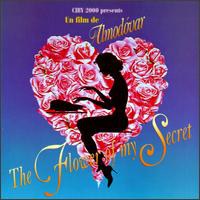
Flower of My Secret [音乐] 豆瓣
Ignacio Jacinto Villa / Caetano Veloso 类型: 原声
发布日期 1995年1月1日 出版发行: Tristar
The Flower of My Secret (Spanish: La flor de mi secreto) is a 1995 film by Spanish director Pedro Almodóvar.
Plot
Marisa Paredes is Leocadia ("Leo") Macias, a woman writing “pink” romance novels under the alias of Amanda Gris that are very popular all across Spain. Unlike her romantic novels, her own love life is troubled. Leo has a less than happy relationship with her husband Paco (Imanol Arias), a military officer stationed in Brussels then later in Bosnia, who is distant both physically and emotionally. The film starts when Leo writes about the feeling of having lost her lover, a feeling which Leo compares with the pain of an uncomfortable pair of boots that she can't take off.
Leo begins to change the direction of her writing, wanting to focus more on darker themes such as pain and loss, and can no longer write her Amanda Gris novels, whose publishers demand sentimental happy-endings, at least until her contract is up.
She begins to re-evaluate her life through her relationship with her husband, her supposed best friend Betty, her "crab-faced" sister Rosa and her bickering elderly mother. She also meets Angel (Juan Echanove), a newspaper editor who quickly falls for Leo and her writing.
After having signed the contract with the newspaper El País, the editor realises that instead of a pink novel, Leo had written something very different from that. Leo, confesses that she forgot writing pink novels, and that her sentimental situation led her to write a black novel about a young mother whose daughter kills her husband because he tried to rape her. After that, the corpse of the death man is hidden in a refrigerator (It's casually the same plot as the future film "Volver", released eleven years after this film).
Leo went to the apartment where her sister Rosa (Rossy de Palma) and her mother (Chus Lampreave) live. There, Leo sees a very comical scene between them. After that, she went where her best friend Betty lives. There, Paco, her husband makes a phone call talking about his situation during the Bosnia and Herzegovina wars.
When she was writing at night, Leo received again, a phone call by Paco, who tells her that he had permission to see her for 24 hours. After hearing this, Leo's humour changed suddenly and starts preparing all for the visit. Once Paco arrives, Leo sees that her husband's behaviour is strange, and that he tries to avoid her. Finally, he tells that actually, he hadn't 24 hours of permission as he said before, In fact, he confesses that he had only two hours. After hearing that, Leo got really angry and sad. That sadness is bigger when Paco goes to his mission again, telling her that there's no way to save their relationship.
Drowned by an intense pain in her heart, Leo took an overdose of tranquimazil, and fell asleep in her bedroom. Three days later, she hears the voice of her mother who proposes her to go to Almagro, a little village to spend some weeks, but still possessed by an unbearable pain, she started walking alone in the street, being surprised by a doctor's strike. there, Angel saw her and he decided to take her to his home. After telling to Angel her sentimental troubles, Betty, her friend decides to tell her that she is the new lover of Paco, a traumatic revelation that Leo was suspecting.
Finally, Leo, decides to go to Almagro with her mother. There, she tries to recover from all what had happened, something that she partially got. In that village, she receives the phone call of her editor who tells her that a film based on her unpublished black novel was being shot. This fact made her return to Madrid, where she meets Angel again, with whom she starts falling in love. Then, after seeing an artistic representation starring by Joaquín Cortés, she returns to her home again. There, Leo receives the visit of the dancer, who confesses that he stole the papers from her unpublished novel, to give them to a film director.
Starting to feel recovered from her sentimental crisis, she goes to Angel's home, with whom she confirms her love for him.