库什·珍宝 — 演员 (24)
傲骨之战 第一季 (2017) [剧集] 豆瓣
The Good Fight Season 1 所属 电视剧集: 傲骨之战
CBS网上频道CBS All Access的《傲骨贤妻 The Good Wife》衍生剧《傲骨之战 The Good Fight》,现确定将在美国时间2月19日首播。新闻指CBS亦会在同日于电视网播出首播集,然后开始每周在CBS All Access放出新集。
故事设定在原剧剧终一年后,由Christine Baranski(角色Diane Lockhart)和Cush Jumbo(角色Lucca Quinn)领衔主演,Sarah Steele则饰演Marissa Gold,她从Diane的助理做起,发现自己对做调查感兴趣。所以这个角色将延续《傲骨贤妻》里Kalinda和Robyn的角色风格。《傲骨之战》讲述一个巨大的金融骗局破坏了年轻律师Maia(Rose Leslie饰)的前途,也令她教母兼导师Diane的储蓄被清,她被逼离开「Lockhart & Lee」,并加入Lucca Quinn的一间芝加哥著名事务所。
Justin Bartha饰演常规角色Colin,他是州检察长办公室的新星,亦是芝加哥最灸手可热的钻石王老五。当他在法庭上与Lucca Quinn交锋后,二人起了情愫。Helene Yorke饰演Maia的律师女友Amy,她与Maia有稳定的关系,Amy自己已从法学院毕业了一段时间。
Paul Guilfoyle饰演Maia的父亲Henry,一个很成功的财务顾问,十分富有并受人喜爱。Bernadette Peters饰演Lenore,Maia的母亲,她原本是工人阶级背景,不过她天生对金融十分有头脑。她通过Henry家族的私人投资公司,增长了他的财富,这令到他们一家三口成了芝加哥非官方下的「第一家庭」。
Gary Cole继续饰演的Diane丈夫Kurt McVeigh,以及母剧演员Zach Grenier与Jerry Adler亦将在衍生剧中以客串型式继续饰演David Lee及Howard Lyman。另外有Erica Tazel加盟,但未有她的角色描述。
Carrie Preston亦客串演出,她将继续饰演母剧《傲骨贤妻》的角色:性格古怪但聪明的律师Elsbeth Tascioni。Carrie Preston凭这角色赢得过艾美的客串女演员奖。
故事设定在原剧剧终一年后,由Christine Baranski(角色Diane Lockhart)和Cush Jumbo(角色Lucca Quinn)领衔主演,Sarah Steele则饰演Marissa Gold,她从Diane的助理做起,发现自己对做调查感兴趣。所以这个角色将延续《傲骨贤妻》里Kalinda和Robyn的角色风格。《傲骨之战》讲述一个巨大的金融骗局破坏了年轻律师Maia(Rose Leslie饰)的前途,也令她教母兼导师Diane的储蓄被清,她被逼离开「Lockhart & Lee」,并加入Lucca Quinn的一间芝加哥著名事务所。
Justin Bartha饰演常规角色Colin,他是州检察长办公室的新星,亦是芝加哥最灸手可热的钻石王老五。当他在法庭上与Lucca Quinn交锋后,二人起了情愫。Helene Yorke饰演Maia的律师女友Amy,她与Maia有稳定的关系,Amy自己已从法学院毕业了一段时间。
Paul Guilfoyle饰演Maia的父亲Henry,一个很成功的财务顾问,十分富有并受人喜爱。Bernadette Peters饰演Lenore,Maia的母亲,她原本是工人阶级背景,不过她天生对金融十分有头脑。她通过Henry家族的私人投资公司,增长了他的财富,这令到他们一家三口成了芝加哥非官方下的「第一家庭」。
Gary Cole继续饰演的Diane丈夫Kurt McVeigh,以及母剧演员Zach Grenier与Jerry Adler亦将在衍生剧中以客串型式继续饰演David Lee及Howard Lyman。另外有Erica Tazel加盟,但未有她的角色描述。
Carrie Preston亦客串演出,她将继续饰演母剧《傲骨贤妻》的角色:性格古怪但聪明的律师Elsbeth Tascioni。Carrie Preston凭这角色赢得过艾美的客串女演员奖。
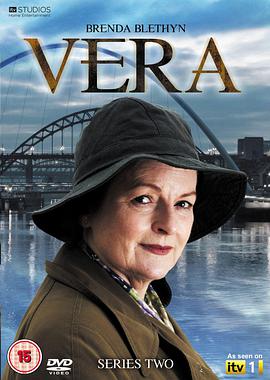
探长薇拉 第六季 (2016) [剧集] 豆瓣
Vera Season 6 所属 电视剧集: 探长薇拉
导演:
吉尔·罗伯森
演员:
布兰达·布莱斯
/
肯尼·道提
…
Set amid the wild beauty of the Northumberland landscape, DCI Vera Stanhope investigates chilling crimes only she can solve. The shambolic but perceptive detective does not make friends easily. Grumpy and often short-tempered, what Veralacks in charm she makes up for in wisdom and insight. In the sixth series, Vera and her team are called into action to tackle a number of challenging cases; from unravelling the mystery of a woman found murdered on the bleak Northumberland moors (Dark Road), piecing together the tragic downfall of a young man whose body is discovered hidden in a cave (Tuesday’s Child), solving a mysterious double murder in a remote country house (The Moth Catcher), to delving into a dark secret at the heart of a struggling fishing community (The Sea Glass), each enthralling story is enhanced by captivating performances, beautifully shot landscapes and high production values.
探长薇拉 第五季 (2015) [剧集] 豆瓣
Vera Season 5 所属 电视剧集: 探长薇拉
The indomitable DCI Vera Stanhope returns to face a number of daunting cases. Aided by troubled new recruit DS Aiden Healy (Kenny Doughty), they investigate a deadly blaze at a coastal caravan park, unearth a thirty-year-old mystery in an old mining community, delve into the tragic last months of a young man found floating in a farm slurry pit and uncover a life of secrets and lies when a well-loved family man plummets to his death from a multi-storey car park.
Each enthralling episode is set against the breathtaking Northumberland countryside and is enhanced by the captivating performance of Brenda Blethyn as this shambolic yet brilliant detective.
Inspired by the best selling novels, Vera, created by renowned crime writer Ann Cleeves. The fifth series sees the return of Jon Morrison as D.C Kenny Lockhart, Cush Jumbo as D.C. Bethany Whelan, Kingsley Ben-Adir as pathologist Marcus Summer, Riley Jones as D.C. Mark Edwards and welcomes Lisa Hammond as Intelligence Officer, Helen Milton, the newest recruit to Vera's team.
Each enthralling episode is set against the breathtaking Northumberland countryside and is enhanced by the captivating performance of Brenda Blethyn as this shambolic yet brilliant detective.
Inspired by the best selling novels, Vera, created by renowned crime writer Ann Cleeves. The fifth series sees the return of Jon Morrison as D.C Kenny Lockhart, Cush Jumbo as D.C. Bethany Whelan, Kingsley Ben-Adir as pathologist Marcus Summer, Riley Jones as D.C. Mark Edwards and welcomes Lisa Hammond as Intelligence Officer, Helen Milton, the newest recruit to Vera's team.
不要走远 (2021) [剧集] 豆瓣
Stay Close
本剧改编自Harlan Coben在2012年出版的同名《纽约时报》畅销小说。Coben将和领头编剧Danny Brocklehurst,及Richard Fee共同负责8集剧本,Daniel O’Hara担任领头导演。
这是Netflix和Harlan Coben的5年14本书超级合约下进行的第5个项目。跟随之前的合作项目,本剧将设定在英国。
故事聚焦三个生活安好的人,每个人都有不可告人的秘密,而身边最亲近的人都不会对此产生怀疑。Megan (Jumbo),一名有三个孩子的职业母亲;Ray (Armitage),曾经未来光明的纪录片摄影师,如今干着一份没有前途的工作,迎合那些痴迷明星的有钱人家孩子;Broome (Nesbitt),一名侦探,放不下一桩失踪人口悬案。Lorraine (Parish),来自Megan过去的一位老朋友,带来了一些惊人的消息,这些消息将影响到这三个角色。当不安的过往再次困扰他们,威胁要毁掉他们和亲近之人的生活,他们下一步会怎么做呢?
卡司包括《傲骨贤妻》Cush Jumbo、《霍比特人》Richard Armitage、《失踪》James Nesbitt和《美第奇家族》Sarah Parish。
这是Netflix和Harlan Coben的5年14本书超级合约下进行的第5个项目。跟随之前的合作项目,本剧将设定在英国。
故事聚焦三个生活安好的人,每个人都有不可告人的秘密,而身边最亲近的人都不会对此产生怀疑。Megan (Jumbo),一名有三个孩子的职业母亲;Ray (Armitage),曾经未来光明的纪录片摄影师,如今干着一份没有前途的工作,迎合那些痴迷明星的有钱人家孩子;Broome (Nesbitt),一名侦探,放不下一桩失踪人口悬案。Lorraine (Parish),来自Megan过去的一位老朋友,带来了一些惊人的消息,这些消息将影响到这三个角色。当不安的过往再次困扰他们,威胁要毁掉他们和亲近之人的生活,他们下一步会怎么做呢?
卡司包括《傲骨贤妻》Cush Jumbo、《霍比特人》Richard Armitage、《失踪》James Nesbitt和《美第奇家族》Sarah Parish。
明信片杀戮 (2020) [电影] 维基数据 IMDb 豆瓣 TMDB
The Postcard Killings
其它标题:
The Postcard Killings
/
明信片谋杀案(台)
…
杰弗里·迪恩·摩根(《行尸走肉》)、法米克·詹森([x战警]、[飓风营救])将共同出演全新影片[明信片杀戮],该片由雅努什·卡明斯基执导,改编自詹姆斯·帕特森、丽莎·马克伦德的原著小说。故事讲述纽约侦探(摩根饰)的女儿和女婿在伦敦遭遇残忍杀害,而这让他的生活陷入混乱,就此他开始展开调查,而每到一个地方,他都将类似谋杀案以明信片形式寄给一名记者。片中法米克·詹森扮演其妻子。杰米·布莱克利也加盟该片。Good Films Collective制作发行影片,影片预计明年上映。
恶徒必死 (2021) [剧集] 豆瓣
The Beast Must Die
该剧改编自英国演员Daniel Day-Lewis的父亲Cecil Day-Lewis在1938年出版的同名小说。故事讲述了一个悲痛的母亲,渗透到了一个男人的生活之中,她认为这个男人是杀死自己儿子的凶手。原著简介比较不一样,可能剧集有大幅改动。
《他们最好的》编剧Gaby Chiappe负责剧本,《托尔金》导演Dome Karukoski执导。
《恶徒必死》是侦探Nigel Strangeways为主角的系列小说16本中的第4本,过去在阿根廷和法国都有电影改编。据最早的开发消息,鉴于原著系列的数量,这部剧可能会做成一部连续剧,而不是仅一季的迷你剧。
《他们最好的》编剧Gaby Chiappe负责剧本,《托尔金》导演Dome Karukoski执导。
《恶徒必死》是侦探Nigel Strangeways为主角的系列小说16本中的第4本,过去在阿根廷和法国都有电影改编。据最早的开发消息,鉴于原著系列的数量,这部剧可能会做成一部连续剧,而不是仅一季的迷你剧。
傲骨贤妻 (2009) [剧集] TMDB IMDb 维基数据
The Good Wife
其它标题:
The Good Wife
/
「法」妻
…
政客 Peter(克里斯·诺斯 Chris Noth 饰)因性丑闻和政治丑闻被捕入狱后,妻子 Alicia(朱丽安娜·玛格丽丝 Julianna Margulies 饰)只能结束“家庭主妇”的生活,独支撑家庭的重任。Alicia 重拾自己婚前的职业 —— 辩护律师。作为芝加哥一所知名法律公司的初级合伙人,Alicia 受到了老朋友 Will(乔西·查尔斯 Josh Charles 饰)的欢迎。Will 是她读法律学校时的同学,也是公司的冠名合伙人。他想看看时隔十三年之后,这位昔日叱咤风云的女强人在法庭上会有什么样的表现。Alicia 还有幸受到公司顶级诉讼律师 Diane Lockhart(克里斯汀·芭伦斯基 Christine Baranski 饰)的大力提携和指导,这多少让她受宠若惊,心存感激。但她很快发现这些“指导”是有条件的,Diane 并不像她看起来那么“热心”。要想获得成功,Alicia 只能依靠自己。
Criminal Record (2024) [剧集] IMDb TMDB 维基数据
Criminal Record
伦敦市中心有两位优秀的警探,一位是正处于职业生涯初期的年轻女性,另一位是人脉广博、一心想保护自己成就的男性。而一通匿名电话导致二人就一宗陈年冤案的翻案问题起了争斗。
玩偶之家 版本11 [演出] 豆瓣
所属 演出: 玩偶之家
语言:
英语 english
剧院:
Royal Exchange Theatre
导演:
Greg Hersov
Act one
A Doll's House opens as Nora Helmer returns from Christmas shopping. Her husband Torvald comes out of his study to banter with her. They discuss how their finances will improve now that Torvald has a new job as the vice president of the bank. Torvald expresses his horror of debt. Nora behaves childishly, and he enjoys treating her like a child to be instructed and indulged.
Soon Christine Linde, an old friend of Nora's, arrives at their home. She is a childless widow who is moving back to the city. Her husband left her no money, so she has tried different kinds of work and now hopes to find some work that is not too strenuous. Nora confides to Christine that she once secretly borrowed money from a disgraced lawyer, Nils Krogstad, to save Torvald's life when he was very ill, but she has not told him in order to protect his pride. She told everyone that the money came from her father, who died at about the same time. She has been repaying the debt from her housekeeping budget and also from some work she got copying papers by hand, which she did secretly in her room, and took pride in her ability to earn money "as if she were a man." Torvald's new job promises to finally liberate her from this debt.
Nora asks Torvald to give Kristine a position as a secretary in the bank, and he agrees, as she has experience in bookkeeping. They leave the house together.
Krogstad arrives and tells Nora that he is worried he will be fired. He asks her to help him keep his job and says that he will fight desperately to keep it. Nora is reluctant to commit to helping him, so Krogstad reveals that he knows she committed forgery on the bond she signed for her loan from him. As a woman, she needed an adult male co-signer, so she said she would have her father do so. However the signature is dated three days after his death, which suggests that it is a forgery. Nora admits that she did forge the signature, so as to spare her dying father further worry about her (she was pregnant, poor, and had a seriously ill husband). Krogstad explains that the forgery betrayed his trust and is also a serious crime. If he told others about it, her reputation would be ruined, as was his after a similar "indiscretion," even though he was never prosecuted. He implies that what he did was in order to provide for his sick wife, who later died.
[edit]Act two
Christine arrives to help Nora repair a dress for a costume party she and Torvald plan to attend the next day. Torvald returns from the bank, and Nora pleads with him to reinstate Krogstad in his position, claiming she is worried Krogstad will publish libelous articles about Torvald and ruin his career. Torvald dismisses her fears and explains that, although Krogstad is a good worker and seems to have turned his life around, he must be fired because he is not deferential enough to Torvald in front of other bank personnel. Torvald then retires to his study to work.
Dr. Rank, a family friend, arrives. Nora asks him for a favor, to which Rank reveals that he has entered the terminal stage of tuberculosis of the spine (a contemporary euphemism for congenital syphilis)[8] and that he has always been secretly in love with her. Nora tries to deny the first revelation and make light of it but is more disturbed by his declaration of love. She tries clumsily to tell him that she is not in love with him but that she loves him dearly as a friend.
Desperate after being fired by Torvald, Krogstad arrives at the house. Nora convinces Dr. Rank to go in to Torvald's study so he will not see Krogstad. When Krogstad confronts Nora, he declares that he no longer cares about the remaining balance of Nora's loan but that he will preserve the associated bond in order to blackmail Torvald into not only keeping him employed but promoting him as well. Nora explains that she has done her best to persuade her husband but that he refuses to change his mind. Krogstad informs Nora that he has written a letter detailing her crime (forging her father's signature of surety on the bond) and puts it in Torvald's mailbox, which is locked.
Nora tells Christine of her predicament. Christine says that she and Krogstad were in love before she married and promises that she will try to convince him to relent.
Torvald enters and tries to retrieve his mail but Nora distracts him by begging him to help her with the dance she has been rehearsing for the costume party, feigning anxiety about performing. She dances so badly and acts so childishly that Torvald agrees to spend the whole evening coaching her. When the others go in to dinner, Nora stays behind for a few minutes and contemplates suicide to save her husband from the shame of the revelation of her crime and (more importantly) to pre-empt any gallant gesture on his part to save her reputation.
[edit]Act three
Christine tells Krogstad that she only married her husband because she had no other means to support her sick mother and young siblings and that she has returned to offer him her love again. She believes that he would not have stooped to unethical behavior if he had not been devastated by her abandonment and in dire financial straits. Krogstad is moved and offers to take back his letter to Torvald. However, Christine decides that Torvald should know the truth for the sake of his and Nora's marriage.
After literally dragging Nora home from the party, Torvald goes to check his mail but is interrupted by Dr. Rank, who has followed them. Dr. Rank chats for a while so as to convey obliquely to Nora that this is a final goodbye, as he has determined that his death is near. Dr. Rank leaves, and Torvald retrieves his letters. As he reads them, Nora steels herself to take her life. Torvald confronts her with Krogstad's letter. Enraged, he declares that he is now completely in Krogstad's power—he must yield to Krogstad's demands and keep quiet about the whole affair. He berates Nora, calling her a dishonest and immoral woman and telling her she is unfit to raise their children. He says that from now on their marriage will be only a matter of appearances.
A maid enters, delivering a letter to Nora. The letter is from Krogstad, yet Torvald demands to read the letter, taking it from Nora. Torvald exults that he is saved as Krogstad has burned the incriminating papers. He takes back his harsh words to his wife and tells her that he forgives her. Nora realizes that her husband is not the strong and gallant man she thought he was and that he truly loves himself more than he does her.
Torvald explains that, when a man has forgiven his wife, it makes him love her all the more since it reminds him that she is totally dependent on him, like a child. He dismisses Nora's agonized choice made against her conscience for the sake of his health and her years of secret efforts to free them from the ensuing obligations and danger of loss of reputation, while preserving his peace of mind, as a mere mistake that she made owing to her foolishness, one of her most endearing feminine traits.
Nora tells Torvald that she is leaving him to live alone so she can find out who she is and what she believes and decide what to do with her life. She says she has been treated like a doll to play with, first by her father and then by him. Concerned for the family reputation, Torvald insists that she fulfill her duty as a wife and mother, but Nora says that her first duties are to herself and that she cannot be a good mother or wife without learning to be more than a plaything. She reveals that she had expected that he would want to sacrifice his reputation for hers and that she had planned to kill herself to prevent him from doing so. She now realizes that Torvald is not at all the kind of person she had believed him to be and that their marriage has been based on mutual fantasies and misunderstanding.
Torvald is unable to comprehend Nora's point of view, since it contradicts all that he had been taught about the female mind throughout his life. Furthermore, he is so narcissistic that it would be impossible for him to bear to understand how he appears to her, as selfish, hypocritical and more concerned with public reputation than with actual morality. Nora leaves her keys and wedding ring and, as Torvald breaks down and begins to cry, baffled by what has happened, Nora leaves the house, slamming the door behind herself.
Alternative ending
It was felt by Ibsen's German agent that the original ending would not play well in German theatres; therefore, for the play's German debut, Ibsen was forced to write an alternative ending for it to be considered acceptable. In this ending, Nora is led to her children after having argued with Torvald. Seeing them, she collapses, and the curtain is brought down. Ibsen later called the ending a disgrace to the original play and referred to it as a 'barbaric outrage'.

A Doll's House opens as Nora Helmer returns from Christmas shopping. Her husband Torvald comes out of his study to banter with her. They discuss how their finances will improve now that Torvald has a new job as the vice president of the bank. Torvald expresses his horror of debt. Nora behaves childishly, and he enjoys treating her like a child to be instructed and indulged.
Soon Christine Linde, an old friend of Nora's, arrives at their home. She is a childless widow who is moving back to the city. Her husband left her no money, so she has tried different kinds of work and now hopes to find some work that is not too strenuous. Nora confides to Christine that she once secretly borrowed money from a disgraced lawyer, Nils Krogstad, to save Torvald's life when he was very ill, but she has not told him in order to protect his pride. She told everyone that the money came from her father, who died at about the same time. She has been repaying the debt from her housekeeping budget and also from some work she got copying papers by hand, which she did secretly in her room, and took pride in her ability to earn money "as if she were a man." Torvald's new job promises to finally liberate her from this debt.
Nora asks Torvald to give Kristine a position as a secretary in the bank, and he agrees, as she has experience in bookkeeping. They leave the house together.
Krogstad arrives and tells Nora that he is worried he will be fired. He asks her to help him keep his job and says that he will fight desperately to keep it. Nora is reluctant to commit to helping him, so Krogstad reveals that he knows she committed forgery on the bond she signed for her loan from him. As a woman, she needed an adult male co-signer, so she said she would have her father do so. However the signature is dated three days after his death, which suggests that it is a forgery. Nora admits that she did forge the signature, so as to spare her dying father further worry about her (she was pregnant, poor, and had a seriously ill husband). Krogstad explains that the forgery betrayed his trust and is also a serious crime. If he told others about it, her reputation would be ruined, as was his after a similar "indiscretion," even though he was never prosecuted. He implies that what he did was in order to provide for his sick wife, who later died.
[edit]Act two
Christine arrives to help Nora repair a dress for a costume party she and Torvald plan to attend the next day. Torvald returns from the bank, and Nora pleads with him to reinstate Krogstad in his position, claiming she is worried Krogstad will publish libelous articles about Torvald and ruin his career. Torvald dismisses her fears and explains that, although Krogstad is a good worker and seems to have turned his life around, he must be fired because he is not deferential enough to Torvald in front of other bank personnel. Torvald then retires to his study to work.
Dr. Rank, a family friend, arrives. Nora asks him for a favor, to which Rank reveals that he has entered the terminal stage of tuberculosis of the spine (a contemporary euphemism for congenital syphilis)[8] and that he has always been secretly in love with her. Nora tries to deny the first revelation and make light of it but is more disturbed by his declaration of love. She tries clumsily to tell him that she is not in love with him but that she loves him dearly as a friend.
Desperate after being fired by Torvald, Krogstad arrives at the house. Nora convinces Dr. Rank to go in to Torvald's study so he will not see Krogstad. When Krogstad confronts Nora, he declares that he no longer cares about the remaining balance of Nora's loan but that he will preserve the associated bond in order to blackmail Torvald into not only keeping him employed but promoting him as well. Nora explains that she has done her best to persuade her husband but that he refuses to change his mind. Krogstad informs Nora that he has written a letter detailing her crime (forging her father's signature of surety on the bond) and puts it in Torvald's mailbox, which is locked.
Nora tells Christine of her predicament. Christine says that she and Krogstad were in love before she married and promises that she will try to convince him to relent.
Torvald enters and tries to retrieve his mail but Nora distracts him by begging him to help her with the dance she has been rehearsing for the costume party, feigning anxiety about performing. She dances so badly and acts so childishly that Torvald agrees to spend the whole evening coaching her. When the others go in to dinner, Nora stays behind for a few minutes and contemplates suicide to save her husband from the shame of the revelation of her crime and (more importantly) to pre-empt any gallant gesture on his part to save her reputation.
[edit]Act three
Christine tells Krogstad that she only married her husband because she had no other means to support her sick mother and young siblings and that she has returned to offer him her love again. She believes that he would not have stooped to unethical behavior if he had not been devastated by her abandonment and in dire financial straits. Krogstad is moved and offers to take back his letter to Torvald. However, Christine decides that Torvald should know the truth for the sake of his and Nora's marriage.
After literally dragging Nora home from the party, Torvald goes to check his mail but is interrupted by Dr. Rank, who has followed them. Dr. Rank chats for a while so as to convey obliquely to Nora that this is a final goodbye, as he has determined that his death is near. Dr. Rank leaves, and Torvald retrieves his letters. As he reads them, Nora steels herself to take her life. Torvald confronts her with Krogstad's letter. Enraged, he declares that he is now completely in Krogstad's power—he must yield to Krogstad's demands and keep quiet about the whole affair. He berates Nora, calling her a dishonest and immoral woman and telling her she is unfit to raise their children. He says that from now on their marriage will be only a matter of appearances.
A maid enters, delivering a letter to Nora. The letter is from Krogstad, yet Torvald demands to read the letter, taking it from Nora. Torvald exults that he is saved as Krogstad has burned the incriminating papers. He takes back his harsh words to his wife and tells her that he forgives her. Nora realizes that her husband is not the strong and gallant man she thought he was and that he truly loves himself more than he does her.
Torvald explains that, when a man has forgiven his wife, it makes him love her all the more since it reminds him that she is totally dependent on him, like a child. He dismisses Nora's agonized choice made against her conscience for the sake of his health and her years of secret efforts to free them from the ensuing obligations and danger of loss of reputation, while preserving his peace of mind, as a mere mistake that she made owing to her foolishness, one of her most endearing feminine traits.
Nora tells Torvald that she is leaving him to live alone so she can find out who she is and what she believes and decide what to do with her life. She says she has been treated like a doll to play with, first by her father and then by him. Concerned for the family reputation, Torvald insists that she fulfill her duty as a wife and mother, but Nora says that her first duties are to herself and that she cannot be a good mother or wife without learning to be more than a plaything. She reveals that she had expected that he would want to sacrifice his reputation for hers and that she had planned to kill herself to prevent him from doing so. She now realizes that Torvald is not at all the kind of person she had believed him to be and that their marriage has been based on mutual fantasies and misunderstanding.
Torvald is unable to comprehend Nora's point of view, since it contradicts all that he had been taught about the female mind throughout his life. Furthermore, he is so narcissistic that it would be impossible for him to bear to understand how he appears to her, as selfish, hypocritical and more concerned with public reputation than with actual morality. Nora leaves her keys and wedding ring and, as Torvald breaks down and begins to cry, baffled by what has happened, Nora leaves the house, slamming the door behind herself.
Alternative ending
It was felt by Ibsen's German agent that the original ending would not play well in German theatres; therefore, for the play's German debut, Ibsen was forced to write an alternative ending for it to be considered acceptable. In this ending, Nora is led to her children after having argued with Torvald. Seeing them, she collapses, and the curtain is brought down. Ibsen later called the ending a disgrace to the original play and referred to it as a 'barbaric outrage'.

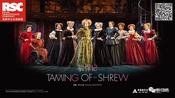
驯悍记 Public Theater版 [演出] 豆瓣
所属 演出: 驯悍记
剧院:
Delacorte Theater
导演:
Phyllida Lloyd
Prior to the first act, an induction frames the play as a "kind of history" played in front of a befuddled drunkard named Christopher Sly who is tricked into believing that he is a lord.
In the play performed for Sly, the "Shrew" is Katherina Minola, the eldest daughter of Baptista Minola, a lord in Padua. Katherina's temper is notorious and it is thought no man would ever wish to marry her. On the other hand, two men – Hortensio and Gremio – are eager to marry her younger sister Bianca. However, Baptista has sworn not to allow his younger daughter to marry before Katherina is wed, much to the despair of her suitors, who agree that they will work together to marry off Katherina so that they will be free to compete for Bianca.
The plot becomes more complex when Lucentio, who has recently come to Padua to attend university, sees Bianca and instantly falls in love with her. Lucentio overhears Baptista announce that he is on the lookout for tutors for his daughters, so he has his servant Tranio pretend to be him while he disguises himself as a Latin tutor named Cambio, so that he can woo Bianca behind Baptista's back.
In the meantime, Petruchio arrives in Padua, accompanied by his servant, Grumio. Petruchio tells his old friend Hortensio that he has set out to enjoy life after the death of his father and that his main goal is to wed. Hearing this, Hortensio seizes the opportunity to recruit Petruchio as a suitor for Katherina. He also has Petruchio present to Baptista a music tutor named Litio (Hortensio himself in disguise). Thus, Lucentio and Hortensio, pretending to be the teachers Cambio and Litio, attempt to woo Bianca unbeknownst to her father, and to one another.
Petruchio, to counter Katherina's shrewish nature, woos her with reverse psychology, pretending that every harsh thing she says or does is kind and gentle. Katherina allows herself to become engaged to Petruchio, and they are married in a farcical ceremony during which (amongst other things) he strikes the priest and drinks the communion wine, and then takes her home against her will. Once they are gone, Gremio and Tranio (disguised as Lucentio) formally bid for Bianca, with Tranio easily outbidding Gremio. However, in his zeal to win, he promises much more than the real Lucentio actually possesses, and Baptista determines that once Lucentio's father confirms the dowry, Bianca and Tranio can marry. Tranio thus decides that they will need someone to pretend to be Vincentio, Lucentio's father, at some point in the near future. Elsewhere, as part of their scheme, Tranio persuades Hortensio that Bianca is not worthy of his attentions, thus removing any problems he may cause.
Meanwhile, in Petruchio's house, he begins the "taming" of his new wife. She is refused food and clothing because nothing – according to Petruchio – is good enough for her; he claims perfectly cooked meat is overcooked, a beautiful dress doesn't fit right, and a stylish hat is not fashionable. He also sets about disagreeing with everything she says, and forcing her to agree with everything he says, no matter how absurd; on their way back to Padua to attend Bianca's wedding, she agrees with Petruchio that the sun is the moon, and proclaims that "if you please to call it a rush-candle,/Henceforth I vow it shall be so for me" (4.5.14–15). Along the way, they meet Vincentio who is also on his way to Padua, and Katherina agrees with Petruchio when he declares that Vincentio is a woman and then apologises to Vincentio when Petruchio tells her he is a man.
Meanwhile, back in Padua, Lucentio and Tranio convince a passing pedant to pretend to be Vincentio and confirm the dowry for Bianca. The man does so, and Baptista is happy for Bianca to wed Lucentio (actually Tranio in disguise). Bianca then secretly elopes with the real Lucentio. However, Vincentio arrives in Padua, and encounters the Pedant, who claims to be Lucentio's father. Tranio (still disguised as Lucentio) appears, and the Pedant acknowledges him to be his son Lucentio. There is much confusion about identities, and the real Vincentio is set to be arrested when the real Lucentio appears with his newly betrothed Bianca, and reveals all to a bewildered Baptista and Vincentio. Lucentio explains everything that has happened and all is forgiven by the two fathers.
Meanwhile, Hortensio has married a rich widow, and so in the final scene of the play there are three newly married couples at Baptista's banquet; Bianca and Lucentio, the widow and Hortensio, and Katherina and Petruchio. Because of the general opinion that Petruchio is married to a shrew, a quarrel breaks out about whose wife is the most obedient. Petruchio proposes a wager whereby each will send a servant to call for their wives, and whichever comes most obediently will have won the wager for her husband. Katherina is the only one of the three who comes, winning the wager for Petruchio. At the end of the play, after the other two wives have been hauled into the room by Katherina, she gives a speech on the subject of why wives should always obey their husbands and the play ends with Baptista, Hortensio and Lucentio marvelling at how successfully Petruchio has tamed the shrew.
In the play performed for Sly, the "Shrew" is Katherina Minola, the eldest daughter of Baptista Minola, a lord in Padua. Katherina's temper is notorious and it is thought no man would ever wish to marry her. On the other hand, two men – Hortensio and Gremio – are eager to marry her younger sister Bianca. However, Baptista has sworn not to allow his younger daughter to marry before Katherina is wed, much to the despair of her suitors, who agree that they will work together to marry off Katherina so that they will be free to compete for Bianca.
The plot becomes more complex when Lucentio, who has recently come to Padua to attend university, sees Bianca and instantly falls in love with her. Lucentio overhears Baptista announce that he is on the lookout for tutors for his daughters, so he has his servant Tranio pretend to be him while he disguises himself as a Latin tutor named Cambio, so that he can woo Bianca behind Baptista's back.
In the meantime, Petruchio arrives in Padua, accompanied by his servant, Grumio. Petruchio tells his old friend Hortensio that he has set out to enjoy life after the death of his father and that his main goal is to wed. Hearing this, Hortensio seizes the opportunity to recruit Petruchio as a suitor for Katherina. He also has Petruchio present to Baptista a music tutor named Litio (Hortensio himself in disguise). Thus, Lucentio and Hortensio, pretending to be the teachers Cambio and Litio, attempt to woo Bianca unbeknownst to her father, and to one another.
Petruchio, to counter Katherina's shrewish nature, woos her with reverse psychology, pretending that every harsh thing she says or does is kind and gentle. Katherina allows herself to become engaged to Petruchio, and they are married in a farcical ceremony during which (amongst other things) he strikes the priest and drinks the communion wine, and then takes her home against her will. Once they are gone, Gremio and Tranio (disguised as Lucentio) formally bid for Bianca, with Tranio easily outbidding Gremio. However, in his zeal to win, he promises much more than the real Lucentio actually possesses, and Baptista determines that once Lucentio's father confirms the dowry, Bianca and Tranio can marry. Tranio thus decides that they will need someone to pretend to be Vincentio, Lucentio's father, at some point in the near future. Elsewhere, as part of their scheme, Tranio persuades Hortensio that Bianca is not worthy of his attentions, thus removing any problems he may cause.
Meanwhile, in Petruchio's house, he begins the "taming" of his new wife. She is refused food and clothing because nothing – according to Petruchio – is good enough for her; he claims perfectly cooked meat is overcooked, a beautiful dress doesn't fit right, and a stylish hat is not fashionable. He also sets about disagreeing with everything she says, and forcing her to agree with everything he says, no matter how absurd; on their way back to Padua to attend Bianca's wedding, she agrees with Petruchio that the sun is the moon, and proclaims that "if you please to call it a rush-candle,/Henceforth I vow it shall be so for me" (4.5.14–15). Along the way, they meet Vincentio who is also on his way to Padua, and Katherina agrees with Petruchio when he declares that Vincentio is a woman and then apologises to Vincentio when Petruchio tells her he is a man.
Meanwhile, back in Padua, Lucentio and Tranio convince a passing pedant to pretend to be Vincentio and confirm the dowry for Bianca. The man does so, and Baptista is happy for Bianca to wed Lucentio (actually Tranio in disguise). Bianca then secretly elopes with the real Lucentio. However, Vincentio arrives in Padua, and encounters the Pedant, who claims to be Lucentio's father. Tranio (still disguised as Lucentio) appears, and the Pedant acknowledges him to be his son Lucentio. There is much confusion about identities, and the real Vincentio is set to be arrested when the real Lucentio appears with his newly betrothed Bianca, and reveals all to a bewildered Baptista and Vincentio. Lucentio explains everything that has happened and all is forgiven by the two fathers.
Meanwhile, Hortensio has married a rich widow, and so in the final scene of the play there are three newly married couples at Baptista's banquet; Bianca and Lucentio, the widow and Hortensio, and Katherina and Petruchio. Because of the general opinion that Petruchio is married to a shrew, a quarrel breaks out about whose wife is the most obedient. Petruchio proposes a wager whereby each will send a servant to call for their wives, and whichever comes most obediently will have won the wager for her husband. Katherina is the only one of the three who comes, winning the wager for Petruchio. At the end of the play, after the other two wives have been hauled into the room by Katherina, she gives a speech on the subject of why wives should always obey their husbands and the play ends with Baptista, Hortensio and Lucentio marvelling at how successfully Petruchio has tamed the shrew.