Nathaniel Dorsky — Actor (3)
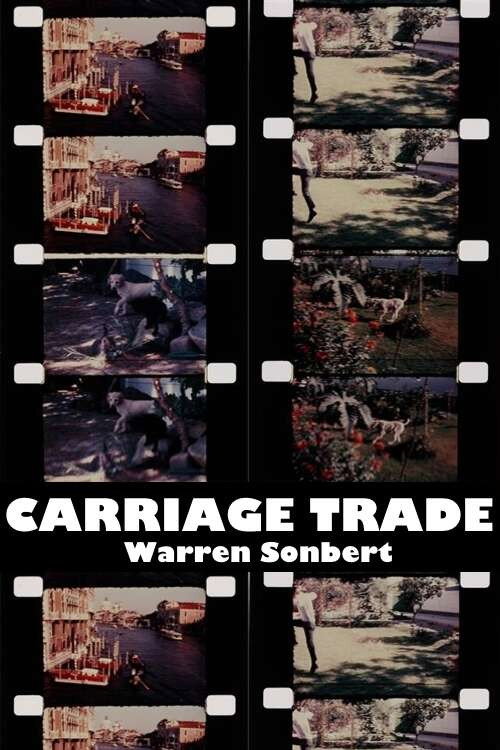
Carriage Trade (1972) [Movie] IMDb TMDB
Carriage Trade
director: Warren Sonbert actor: Nathaniel Dorsky
Carriage Trade was an evolving work-in-progress, and this 61-minute version is the definitive form in which Sonbert realized it, preserved intact from the camera original. With Carriage Trade, Sonbert began to challenge the theories espoused by the great Soviet filmmakers of the 1920’s; he particularly disliked the “knee-jerk’ reaction produced by Eisenstein’s montage. In both lectures and writings about his own style of editing, Sonbert described Carriage Trade as “a jig-saw puzzle of postcards to produce varied displaced effects.” This approach, according to Sonbert, ultimately affords the viewer multi-faceted readings of the connections between individual shots. Preserved by the Academy Film Archive in partnership with Estate Project for Artists with AIDS in 1998.
Rembrandt Laughing (1989) [Movie] IMDb TMDB
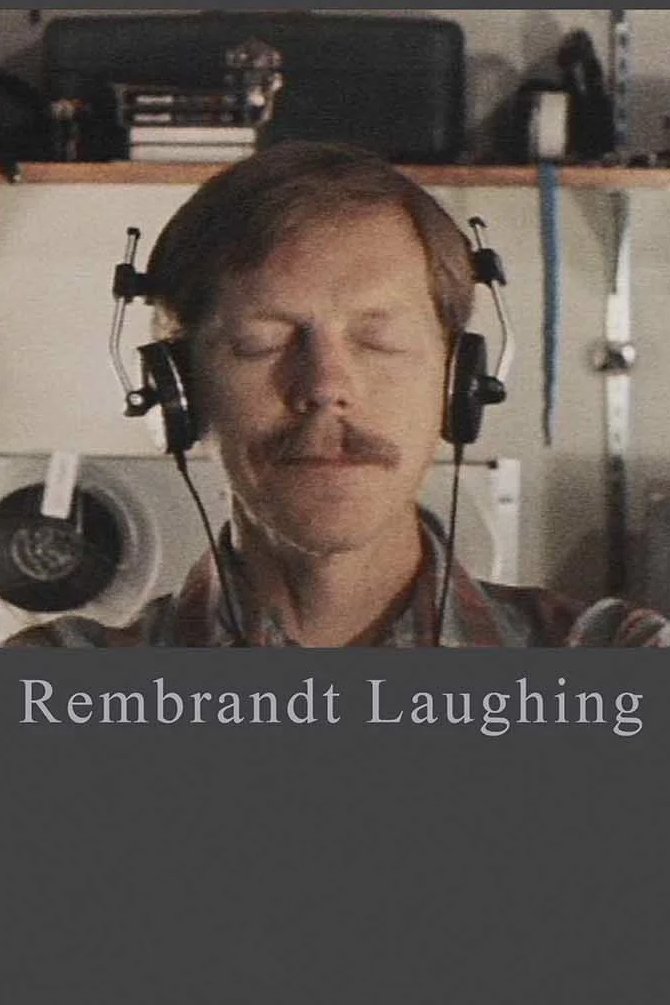
Rembrandt Laughing
director: Jon Jost actor: Jon A. English / Barbara Hammes
other title: 伦勃朗的微笑
This film is a portrait of the passage of one year in the lives of some San Francisco friends, circa 1988 (before the dot.coming of the city), a slow marijuana hazed story which drifts like the fabled fog, encompassing the quirks and habits of a generation that made the city theirs, if only for a while. Very obliquely Rembrandt Laughing sketches the time and place, encompassing the AIDS epidemic, the casual sexual revolution, the debris of '68 lingering in the air. A quiet, very San Francisco comedy of life among a small group of friends. Rembrandt Laughing was improvised over the period of about a month by Jost and his friends, mostly acting non-professionals.
Hours for Jerome (1982) [Movie] WikiData IMDb TMDB Douban
Hours for Jerome
director: 纳撒尼尔·多斯基 actor: Jerome Hiler / Nathaniel Dorsky
other title: 傑羅姆的時光
The recording of the daily events of Dorsky and his partner, artist Jerome Hiler, around Lake Owassa in New Jersey and in Manhattan. The two parts of the films revolve around the four seasons with the first part revolving around spring through summer, while the second part revolves around fall through winter.