Daniel Leese — Author (4)

Book

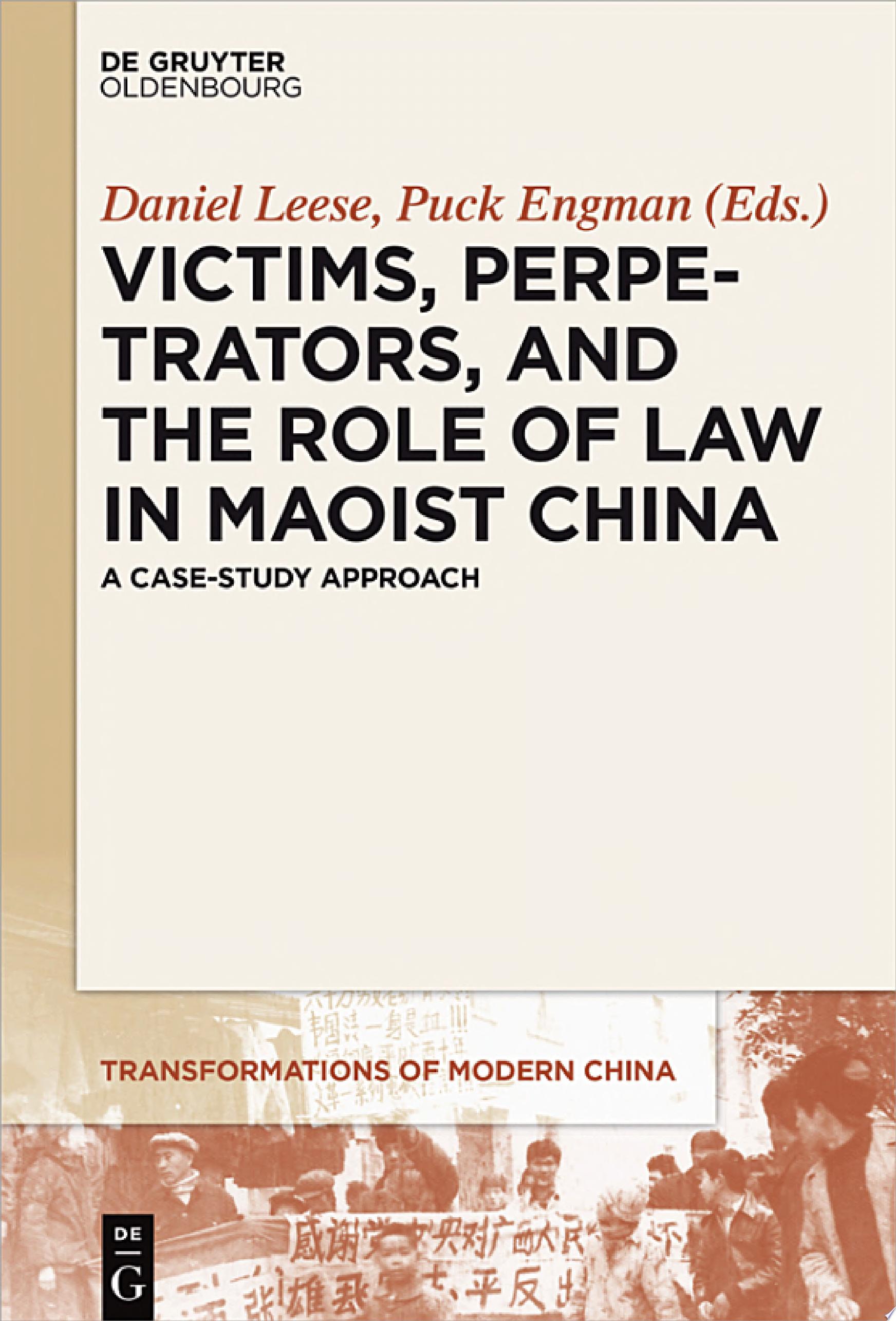
Victims, Perpetrators, and the Role of Law in Maoist China
Google Books
Daniel Leese / Puck Engman publishing house: Walter de Gruyter GmbH & Co KG 2018 - 06
Eine erstmalige Analyse maoistischer Justiz auf Basis von Originalfallakten, die aufgrund ihrer plastischen Details einen tiefen Einblick in die chinesische Rechts-, Politik- und Sozialgeschichte geben. Durch die Betonung der Akteuersebene wird, jenseits von Metadiskursen, der totalitäre Charakter der frühen Volksrepublik China und der mehr oder minder großer Spielraum von Angeklagten, Richtern und politischer Führung ausgelotet. Der Band versammelt chinesische, europäische und amerikanische Wissenschaftler, um gemeinsam eine Revision des bisherigen Forschungsstandes zu ermöglichen.
Book

Justice After Mao
Google Books BooksTW
Daniel Leese / Amanda Shuman publishing house: 劍橋大學出版社 2023 - 09
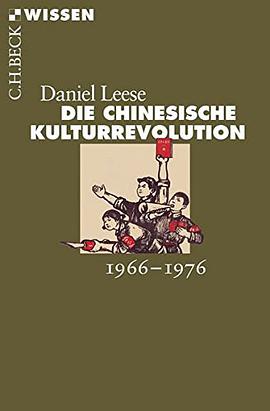
How can a dictatorship cope with the legacy of injustices and atrocities committed in its own name? This was one of the pressing questions the Chinese Communist Party leadership faced after the death of Mao Zedong in September 1976 and the end of the Cultural Revolution. This collection presents ground-breaking, original research to address the question of historical justice in the Party's attempt to survive politically despite rampant factionalism and widespread political persecution. The volume traces complex questions of property restitution, fostering reconciliation within local communities, and establishing new standards of truth. Contributions also investigate how various actors remember the period in the present. The post-Mao period provides a lens through which to view strategies of coping with a violent past under state socialism, highlighting how selectively applied approaches now associated with the concept of transitional justice may even serve to strengthen rather than subvert authoritarian rule.

Book

Mao Cult
Douban
Daniel Leese publishing house: 劍橋大學出版社 2011 - 8
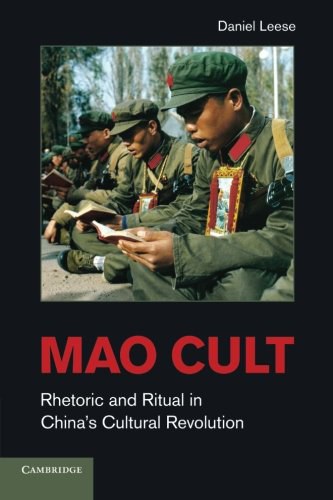
Mao Zedong's political and cultural legacy remains potent even in today's China. There have been many books that have explored his posthumous legacy, but none that has scrutinized the cult of Mao and the massive worship that was fostered around him at the height of his powers during the Cultural Revolution. This riveting book is the first to do so. By analyzing previously secret archival documents, obscure objects, and political pamphlets, Daniel Leese traces the tumultuous history of the cult within the Communist Party and at the grassroots level. The Party leadership's original intention was to develop a prominent brand symbol, which would compete with the nationalists' elevation of Chiang Kai-shek. They did not, however, anticipate that Mao would use this symbolic power to mobilize Chinese youth to rebel against party bureaucracy itself. The result was anarchy, and when the army was called in, it relied on mandatory rituals of worship, such as daily reading of the Little Red Book or performances of 'the loyalty dance', to restore order. Such fascinating detail sheds light not only on the personality cult of Mao, but also on hero-worship in other traditions.