小沃尔特·利马 — 导演 (5)
牡蛎与风的故事 (1997) [电影] 豆瓣
A Ostra e o Vento
导演: 小沃尔特·利马 演员: 利马·杜阿尔特 / Fernando Torres
其它标题: A Ostra e o Vento / The Oyster and the Wind
由巴西著名导演Walter Lima编导的《牡蛎与风的故事》是一部以魔幻现实主义手法讲述人性情感的剧情片,本片获得当年威尼斯电影节的CinemAvvenire奖,被巴西影评人学会评选为1990-1999年十佳电影之一。
A fantasy/mystery about the disappearance of a lighthouse owner and his daughter. This film takes a simple story and tells it in a layered and time-spliced fashion that is truly unique. A group of sailors arrive at an island. They are there to deliver supplies to the lighthouse and investigate why no radio contact for some time. The place is as deserted and eerie as that in L'Avventura and only yields it's secrets through a series of set pieces weaving timelines in the story together, delivering the events that lead to the current point in time. Characters from different times walk through the same scenes, commenting on each others actions as the drama unfolds on camera.
男孩技巧 (1965) [电影] 豆瓣
Menino de Engenho
导演: Walter Lima Jr. 演员: Geraldo Del Rey / Sávio Rolim
其它标题: Menino de Engenho
In colonial Brazil, boy is sent to live with some parents in a sugarcane plantation, after losing his mother. His adaptation will be difficult and painful. A young boy goes to live with his grandfather on a Brazilian plantation after his mother dies. Haunted by the memories of her violent death, the boy slowly adapts to his new surroundings until death, marriage, and the passage of time breaks up the family. Only when the boy is old enough to experience his first love does he leave to attend a city school.
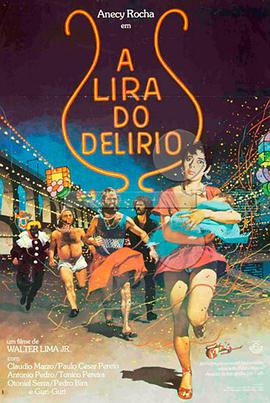
The Lyre of Delight (1978) [电影] 豆瓣
导演: 小沃尔特·利马 演员: Anecy Rocha / 克劳迪奥·玛佐
其它标题: A Lira do Delírio
During the Carnival, in Niterói (city next to Rio de Janeiro, Brazil), the son of a Lira do Delírio (Lyre of Delirium) nightclub dancer is kidnapped. With the help of a journalist friend, she dives into Rio de Janeiro's underworld and meet all kind of criminals. She also goes back in time, to a past carnival, where she thinks she might pin-point the culprit among a group of people.
海豚男人 (1987) [电影] 豆瓣
Ele, O Boto
导演: 小沃尔特·利马 演员: Carlos Alberto Riccelli / 加西亚·基斯
其它标题: Ele, O Boto / He, the Dolphin
根据巴西作家Lima Barreto的同名魔幻现实主义小说改编而成,讲一个由海豚变成的男人与渔村少女的爱情。故事来自古老的巴西民间神话。
"Ele, o Boto" is based on an old legend of a Water Sprite who takes on form of Amazon river dolphin. He only takes on his humanoid form when he wants a mate. However, the village men hate the water sprite and want him dead. All he wanted was some mates, due to his lonelyness....
Despite the low-budget, "Ele o Boto" is a wonderfully done and haunting movie that will captivate myth and folklore buffs or people whom are into dolphins, water-sprites or merfolk like creatures. I don't think CG and the big name companies at Hollywood or parts of Europe could not do something this interesting and effective.
The movie plot is based on the folklore of "The Botte, or Dolphin" who comes out of the water disguised as a human in order to entice the village women to make love with him. He is particularly interested in the heroine of the movie, Corina, who has born him a child. The men of the village hate "The Botte" and want to kill him.
This is a beautiful, if slow-moving, film with a dreamlike tone to it. The legend is that a dolphin occasionally comes ashore in human form to seduce the maidens of a Brazilian village, and his amorousness is so fine that none can resist. The downside is that they eventually go mad, and then they go into the depths of the sea to join him; whether they drown or turn into dolphins is not made clear, nor is it relevant.
The story gives an excuse for some beautiful marine shots, but there is also some sensitive character-development. Carlos Riccelli does a great job of portraying a man with dolphin-like movements, something that must be extremely difficult.
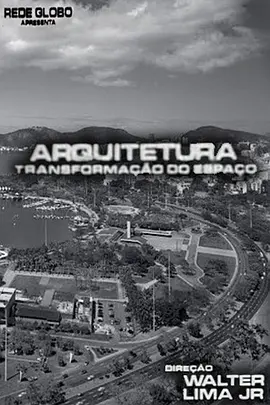
巴西的建筑艺术 (1972) [电影] 豆瓣
Arquitetura, A Transformação do Espaço
导演: Walter Lima Jr. 演员: Lina Bo Bardi / Joaquim Cardoso
其它标题: Arquitetura, A Transformação do Espaço / Architecture, The Transformation of Space
纪录片关于巴西的建筑历史与风格。
A film in three movements. In the first one, we find a historical synthesis of Brazilian architecture, from the slaves' dwellings to the Ministry of Education Building. In the second segment, architects such as Burle Marx, Lina Bo Bardi, Grigori Warchavchik and Joaquim Cardoso talk about architecture's social function. In the third movement, inhabitants of some Brazilian cities discuss the space they live in.