Robert Hughes — Author (10)
Rome [Book] Douban
From Robert Hughes, one of the greatest art and cultural critics of our time, comes a sprawling, comprehensive, and deeply personal history of Rome—as city, as empire, and, crucially, as an origin of Western art and civilization, two subjects about which Hughes has spent his life writing and thinking.
Starting on a personal note, Hughes takes us to the Rome he first encountered as a hungry twenty-one-year-old fresh from Australia in 1959. From that exhilarating portrait, he takes us back more than two thousand years to the city's foundation, one mired in mythologies and superstitions that would inform Rome's development for centuries.
From the beginning, Rome was a hotbed of power, overweening ambition, desire, political genius, and corruption. Hughes details the turbulent years that saw the formation of empire and the establishment of the sociopolitical system, along the way providing colorful portraits of all the major figures, both political (Julius Caesar, Marcus Aurelius, Nero, Caligula) and cultural (Cicero, Martial, Virgil), to name just a few. For almost a thousand years, Rome would remain the most politically important, richest, and largest city in the Western world.
From the formation of empire, Hughes moves on to the rise of early Christianity, his own antipathy toward religion providing rich and lively context for the brutality of the early Church, and eventually the Crusades. The brutality had the desired effect—the Church consolidated and outlasted the power of empire, and Rome would be the capital of the Papal States until its annexation into the newly united kingdom of Italy in 1870.
As one would expect, Hughes lavishes plenty of critical attention on the Renaissance, providing a full survey of the architecture, painting, and sculpture that blossomed in Rome over the course of the fourteenth through the sixteenth centuries, and shedding new light on old masters in the process. Having established itself as the artistic and spiritual center of the world, Rome in the seventeenth, eighteenth, and nineteenth centuries saw artists (and, eventually, wealthy tourists) from all over Europe converging on the bustling city, even while it was caught up in the nationalistic turmoils of the Italian independence struggle and war against France.
Hughes keeps the momentum going right into the twentieth century, when Rome witnessed the rise and fall of Italian Fascism and Mussolini, and took on yet another identity in the postwar years as the fashionable city of "La Dolce Vita." This is the Rome Hughes himself first encountered, and it's one he contends, perhaps controversially, has been lost in the half century since, as the cult of mass tourism has slowly ruined the dazzling city he loved so much. Equal parts idolizing, blasphemous, outraged, and awestruck, Rome is a portrait of the Eternal City as only Robert Hughes could paint it.
Starting on a personal note, Hughes takes us to the Rome he first encountered as a hungry twenty-one-year-old fresh from Australia in 1959. From that exhilarating portrait, he takes us back more than two thousand years to the city's foundation, one mired in mythologies and superstitions that would inform Rome's development for centuries.
From the beginning, Rome was a hotbed of power, overweening ambition, desire, political genius, and corruption. Hughes details the turbulent years that saw the formation of empire and the establishment of the sociopolitical system, along the way providing colorful portraits of all the major figures, both political (Julius Caesar, Marcus Aurelius, Nero, Caligula) and cultural (Cicero, Martial, Virgil), to name just a few. For almost a thousand years, Rome would remain the most politically important, richest, and largest city in the Western world.
From the formation of empire, Hughes moves on to the rise of early Christianity, his own antipathy toward religion providing rich and lively context for the brutality of the early Church, and eventually the Crusades. The brutality had the desired effect—the Church consolidated and outlasted the power of empire, and Rome would be the capital of the Papal States until its annexation into the newly united kingdom of Italy in 1870.
As one would expect, Hughes lavishes plenty of critical attention on the Renaissance, providing a full survey of the architecture, painting, and sculpture that blossomed in Rome over the course of the fourteenth through the sixteenth centuries, and shedding new light on old masters in the process. Having established itself as the artistic and spiritual center of the world, Rome in the seventeenth, eighteenth, and nineteenth centuries saw artists (and, eventually, wealthy tourists) from all over Europe converging on the bustling city, even while it was caught up in the nationalistic turmoils of the Italian independence struggle and war against France.
Hughes keeps the momentum going right into the twentieth century, when Rome witnessed the rise and fall of Italian Fascism and Mussolini, and took on yet another identity in the postwar years as the fashionable city of "La Dolce Vita." This is the Rome Hughes himself first encountered, and it's one he contends, perhaps controversially, has been lost in the half century since, as the cult of mass tourism has slowly ruined the dazzling city he loved so much. Equal parts idolizing, blasphemous, outraged, and awestruck, Rome is a portrait of the Eternal City as only Robert Hughes could paint it.
American Visions [Book] Douban
Writing with all the brilliance, authority, and pungent wit that have distinguished his art criticism for Time magazine and his greatly acclaimed study of modern art, The Shock of the New, Robert Hughes now addresses his largest subject: the history of art in America.
The intense relationship between the American people and their surroundings has been the source of a rich artistic tradition. American Visions is a consistently revealing demonstration of the many ways in which artists have expressed this pervasive connection. In nine eloquent chapters, which span the whole range of events, movements, and personalities of more than three centuries, Robert Hughes shows us the myriad associations between the unique society that is America and the art it has produced:
"O My America, My New Founde Land"explores the churches, religious art, and artifacts of the Spanish invaders of the Southwest and the Puritans of New England; the austere esthetic of the Amish, the Quakers, and the Shakers; and the Anglophile culture of Virginia.
"The Republic of Virtue"sets forth the ideals of neo-classicism as interpreted in the paintings of Benjamin West, John Singleton Copley, and the Peale family, and in the public architecture of Thomas Jefferson, Benjamin Latrobe, and Charles Bulfinch.
"The Wilderness and the West"discusses the work of landscape painters such as Thomas Cole, Frederick Church, and the Luminists, who viewed the natural world as "the fingerprint of God's creation,"and of those who recorded America's westward expansion--George Caleb Bingham, Albert Bierstadt, and Frederic Remington--and the accompanying shift in the perception of the Indian, from noble savage to outright demon.
"American Renaissance" describes the opulent era that followed the Civil War, a cultural flowering expressed in the sculpture of Augustus Saint-Gaudens; the paintings of John Singer Sargent, Mary Cassatt, and Childe Hassam; the Newport cottages of the super-rich; and the beaux-arts buildings of Stanford White and his partners.
"The Gritty Cities"looks at the post-Civil War years from another perspective: cast-iron cityscapes, the architecture of Louis Henri Sullivan, and the new realism of Thomas Eakins, Winslow Homer, the trompe-l'oeil painters, and the Ashcan School.
"Early Modernism" introduces the first American avant garde: the painters Arthur Dove, Marsden Hartley, Joseph Stella, Charles Demuth, Charles Sheeler, and Georgia O'Keeffe, and the premier architect of his time, Frank Lloyd Wright.
"Streamlines and Breadlines"surveys the boom years, when skyscrapers and Art Deco were all the rage . . . and the bust years that followed, when painters such as Edward Hopper, Stuart Davis, Thomas Hart Benton, Diego Rivera, and Jacob Lawrence showed Americans "the way we live now."
"The Empire of Signs"examines the American hegemony after World War II, when the Abstract Expressionists (Jackson Pollock, Willem de Kooning, Mark Rothko, et al.) ruled the artistic roost, until they were dethroned by Jasper Johns, Robert Rauschenberg, the Pop artists, and Andy Warhol, while individualists such as David Smith and Joseph Cornell marched to their own music.
"The Age of Anxiety"considers recent events: the return of figurative art and the appearance of minimal and conceptual art; the speculative mania of the 1980s, which led to scandalous auction practices and inflated reputations; and the trends and issues of art in the 90s.
Lavishly illustrated and packed with biographies, anecdotes, astute and stimulating critical commentary, and sharp social history, American Visions was originally published in association with a new eight-part PBS television series. Robert Hughes has called it "a love letter to America."This superb volume, which encompasses and enlarges upon the series, is an incomparably entertaining and insightful contemplation of its splendid subject.
The intense relationship between the American people and their surroundings has been the source of a rich artistic tradition. American Visions is a consistently revealing demonstration of the many ways in which artists have expressed this pervasive connection. In nine eloquent chapters, which span the whole range of events, movements, and personalities of more than three centuries, Robert Hughes shows us the myriad associations between the unique society that is America and the art it has produced:
"O My America, My New Founde Land"explores the churches, religious art, and artifacts of the Spanish invaders of the Southwest and the Puritans of New England; the austere esthetic of the Amish, the Quakers, and the Shakers; and the Anglophile culture of Virginia.
"The Republic of Virtue"sets forth the ideals of neo-classicism as interpreted in the paintings of Benjamin West, John Singleton Copley, and the Peale family, and in the public architecture of Thomas Jefferson, Benjamin Latrobe, and Charles Bulfinch.
"The Wilderness and the West"discusses the work of landscape painters such as Thomas Cole, Frederick Church, and the Luminists, who viewed the natural world as "the fingerprint of God's creation,"and of those who recorded America's westward expansion--George Caleb Bingham, Albert Bierstadt, and Frederic Remington--and the accompanying shift in the perception of the Indian, from noble savage to outright demon.
"American Renaissance" describes the opulent era that followed the Civil War, a cultural flowering expressed in the sculpture of Augustus Saint-Gaudens; the paintings of John Singer Sargent, Mary Cassatt, and Childe Hassam; the Newport cottages of the super-rich; and the beaux-arts buildings of Stanford White and his partners.
"The Gritty Cities"looks at the post-Civil War years from another perspective: cast-iron cityscapes, the architecture of Louis Henri Sullivan, and the new realism of Thomas Eakins, Winslow Homer, the trompe-l'oeil painters, and the Ashcan School.
"Early Modernism" introduces the first American avant garde: the painters Arthur Dove, Marsden Hartley, Joseph Stella, Charles Demuth, Charles Sheeler, and Georgia O'Keeffe, and the premier architect of his time, Frank Lloyd Wright.
"Streamlines and Breadlines"surveys the boom years, when skyscrapers and Art Deco were all the rage . . . and the bust years that followed, when painters such as Edward Hopper, Stuart Davis, Thomas Hart Benton, Diego Rivera, and Jacob Lawrence showed Americans "the way we live now."
"The Empire of Signs"examines the American hegemony after World War II, when the Abstract Expressionists (Jackson Pollock, Willem de Kooning, Mark Rothko, et al.) ruled the artistic roost, until they were dethroned by Jasper Johns, Robert Rauschenberg, the Pop artists, and Andy Warhol, while individualists such as David Smith and Joseph Cornell marched to their own music.
"The Age of Anxiety"considers recent events: the return of figurative art and the appearance of minimal and conceptual art; the speculative mania of the 1980s, which led to scandalous auction practices and inflated reputations; and the trends and issues of art in the 90s.
Lavishly illustrated and packed with biographies, anecdotes, astute and stimulating critical commentary, and sharp social history, American Visions was originally published in association with a new eight-part PBS television series. Robert Hughes has called it "a love letter to America."This superb volume, which encompasses and enlarges upon the series, is an incomparably entertaining and insightful contemplation of its splendid subject.
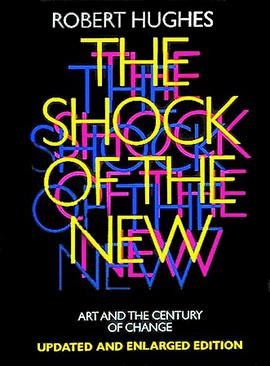
The Shock of the New [Book] Douban
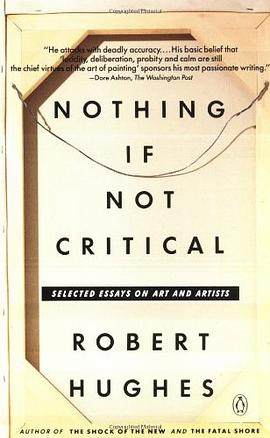
Nothing If Not Critical [Book] Douban
The most controversial art critic in America--author of the bestselling The Fatal Shore and The Shock of the New--looks with love and loathing, wit and authority, at art and artists from the past to the present. Hughes evokes and defines the essences, works and worlds of a wide range of artists.
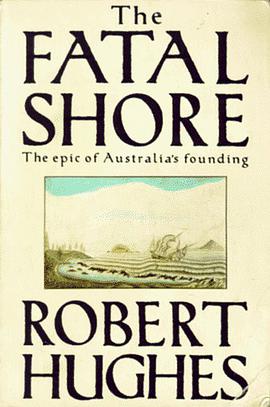
The Fatal Shore [Book] Douban
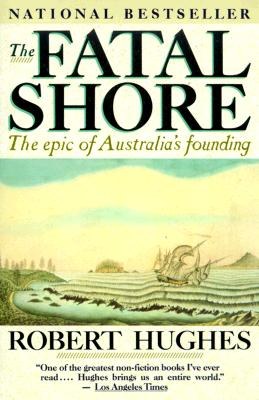
Amazon.com An extraordinary volume--even a masterpiece--about the early history of Australia that reads like the finest of novels. Hughes captures everything in this complex tableau with narrative finesse that drives the reader ever-deeper into specific facts and greater understanding. He presents compassionate understanding of the plights of colonists--both freemen and convicts--and the Aboriginal peoples they displaced. One of the very best works of history I have ever read. From Library Journal For 80 years between 1788 and 1868 England transported its convicts to Australia. This punishment provided the first immigrants and the work force to build the colony. Using diaries, letters, and original sources, Hughes meticulously documents this history. All sides of the story are told: the political and social reasoning behind the Transportation System, the viewpoint of the captains who had the difficult job of governing and developing the colonies, and of course the dilemma of the prisoners. This is a very thorough and accurate history of Australian colonization written by the author of the book and BBC/Time-Life TV series The Shock of the New . A definitive work that is an essential purchase for both public and academic libraries. BOMC and History Book Club main selections. Judith Nixon, Purdue Univ. Libs., W. Lafayette, Ind.Copyright 1986 Reed Business Information, Inc. See all Editorial Reviews
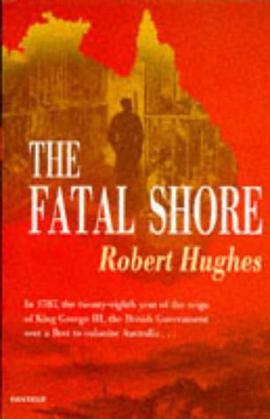
The Fatal Shore [Book] Douban
The Fatal Shore [Book] Google Books Douban Goodreads
For 80 years between 1788 and 1868 England transported its convicts to Australia. This punishment provided the first immigrants and the work force to build the colony. Using diaries, letters, and original sources, Hughes meticulously documents this history. All sides of the story are told: the political and social reasoning behind the Transportation System, the viewpoint of the captains who had the difficult job of governing and developing the colonies, and of course the dilemma of the prisoners. This is a very thorough and accurate history of Australian colonization written by the author of the book and BBC/Time-Life TV series The Shock of the New . A definitive work that is an essential purchase for both public and academic libraries. BOMC and History Book Club main selections. Judith Nixon, Purdue Univ. Libs., W. Lafayette, Ind.
The Fatal Shore [Book] Douban
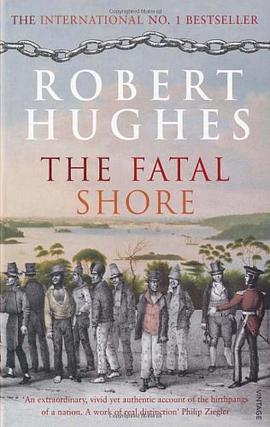
In 1787, the twenty-eighth year of the reign of King George III, the British Government sent a fleet to colonize Australia...An epic description of the brutal transportation of men, women and children out of Georgian Britain into a horrific penal system which was to be the precursor to the Gulag and was the origin of Australia. The Fatal Shore is the prize-winning, scholarly, brilliantly entertaining narrative that has given its true history to Australia.