
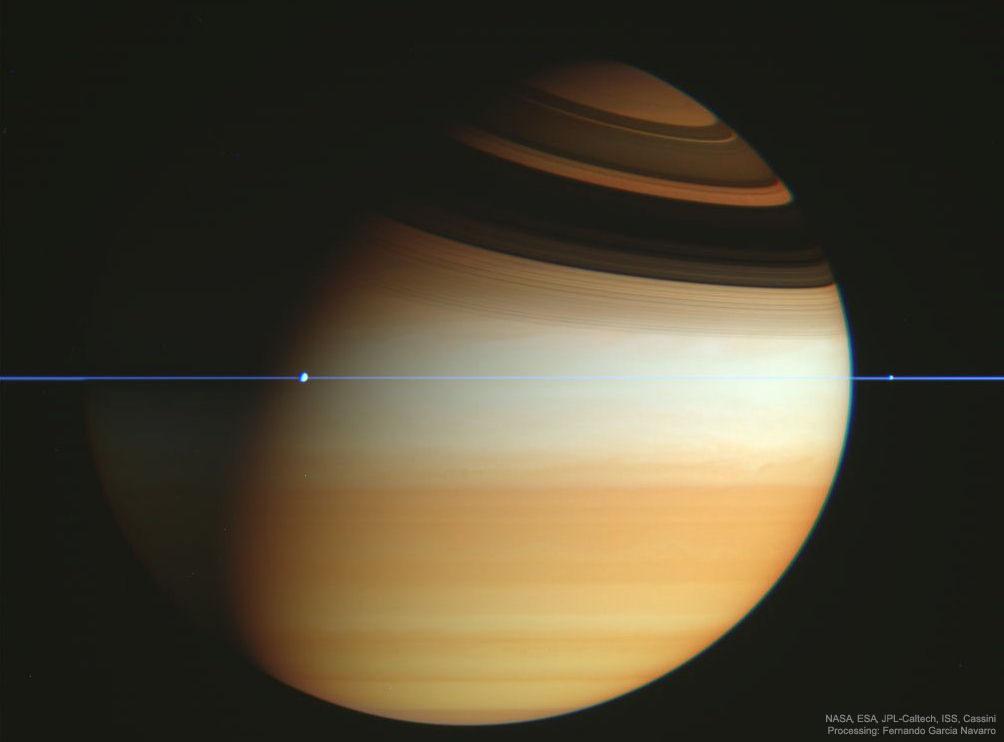
<p><a href="/tags/apod/" rel="tag">#APOD</a> Astronomy Picture of the Day</p><p>Crossing Saturn's Ring Plane </p><p>Credit: NASA, ESA, JPL, ISS, Cassini Imaging Team; Processing: Fernando Garcia Navarro </p><p><a href="https://apod.nasa.gov/apod/ap251116.html" rel="nofollow" class="ellipsis" title="apod.nasa.gov/apod/ap251116.html"><span class="invisible">https://</span><span class="ellipsis">apod.nasa.gov/apod/ap251116.ht</span><span class="invisible">ml</span></a> </p><p><a href="/tags/saturn/" rel="tag">#Saturn</a> <a href="/tags/cassini/" rel="tag">#Cassini</a> <a href="/tags/spacecraft/" rel="tag">#spacecraft</a> <a href="/tags/dione/" rel="tag">#Dione</a> <a href="/tags/encelade/" rel="tag">#Encelade</a> <a href="/tags/space/" rel="tag">#space</a> <a href="/tags/astrodon/" rel="tag">#astrodon</a> <a href="/tags/photography/" rel="tag">#photography</a></p>
astrodon
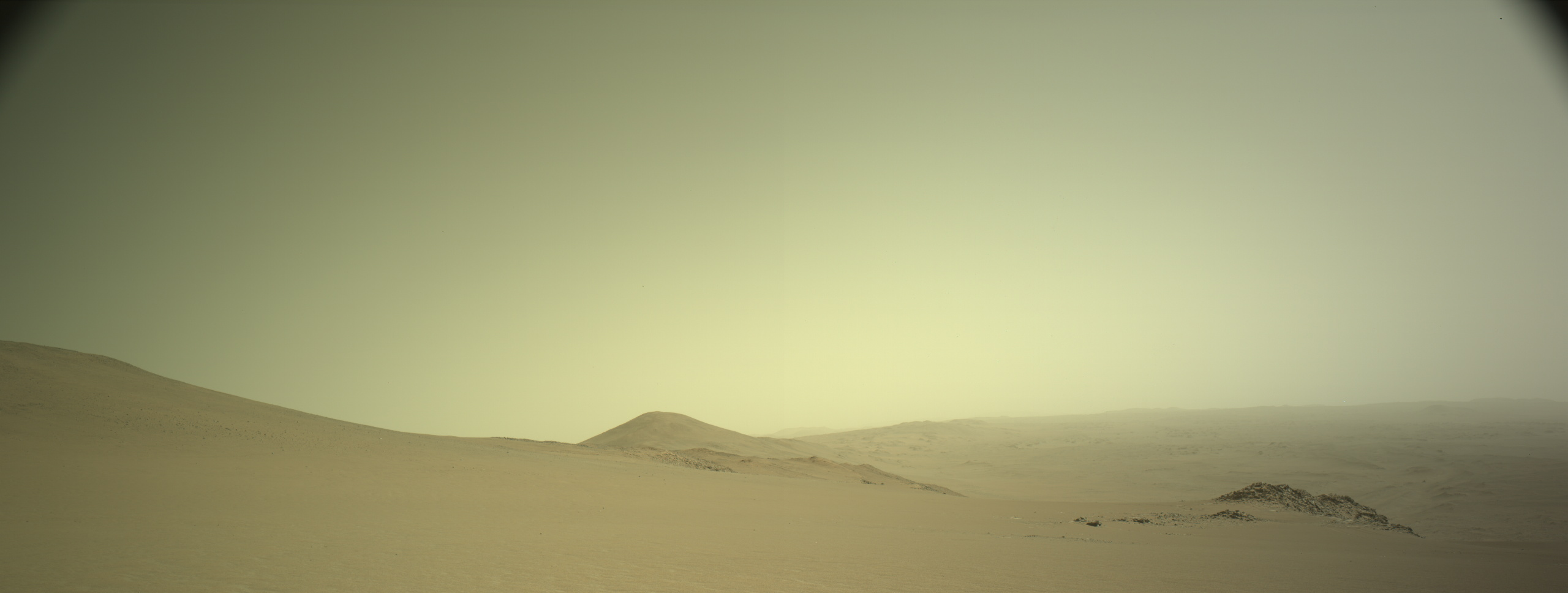
<p>as she keeps going up the route leading to the summit, Perseverance sends us new visions of the crater rim and beyond </p><p><a href="/tags/mars/" rel="tag">#Mars</a> Nov. 30, 2024 (Sol 1344)<br>Credits: NASA/JPL-Caltech</p><p><a href="/tags/perseverance/" rel="tag">#perseverance</a> <a href="/tags/rover/" rel="tag">#rover</a> <a href="/tags/sol1344/" rel="tag">#Sol1344</a> <a href="/tags/perseverancerover/" rel="tag">#PerseveranceRover</a> <a href="/tags/picoturquino/" rel="tag">#PicoTurquino</a> <a href="/tags/jezerocrater/" rel="tag">#JezeroCrater</a> <a href="/tags/jezerocraterrim/" rel="tag">#JezeroCraterRim</a> <a href="/tags/rimcampaign/" rel="tag">#RimCampaign</a> <a href="/tags/rimscience/" rel="tag">#RimScience</a> <a href="/tags/navcam/" rel="tag">#Navcam</a> <a href="/tags/photography/" rel="tag">#photography</a> <a href="/tags/space/" rel="tag">#space</a> <a href="/tags/science/" rel="tag">#science</a> <a href="/tags/stem/" rel="tag">#STEM</a> <a href="/tags/geology/" rel="tag">#geology</a> <a href="/tags/landscape/" rel="tag">#landscape</a> <a href="/tags/mars2020/" rel="tag">#Mars2020</a> <a href="/tags/solarocks/" rel="tag">#solarocks</a> <a href="/tags/astrodon/" rel="tag">#Astrodon</a> <a href="/tags/news/" rel="tag">#news</a></p>
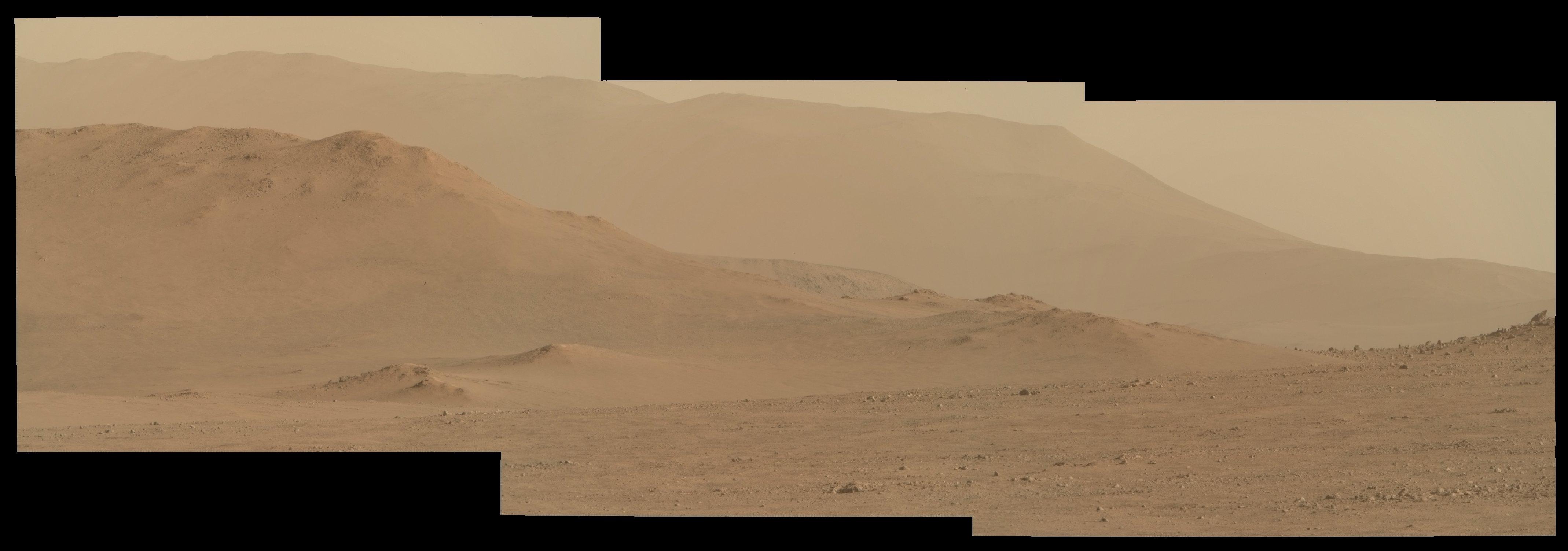
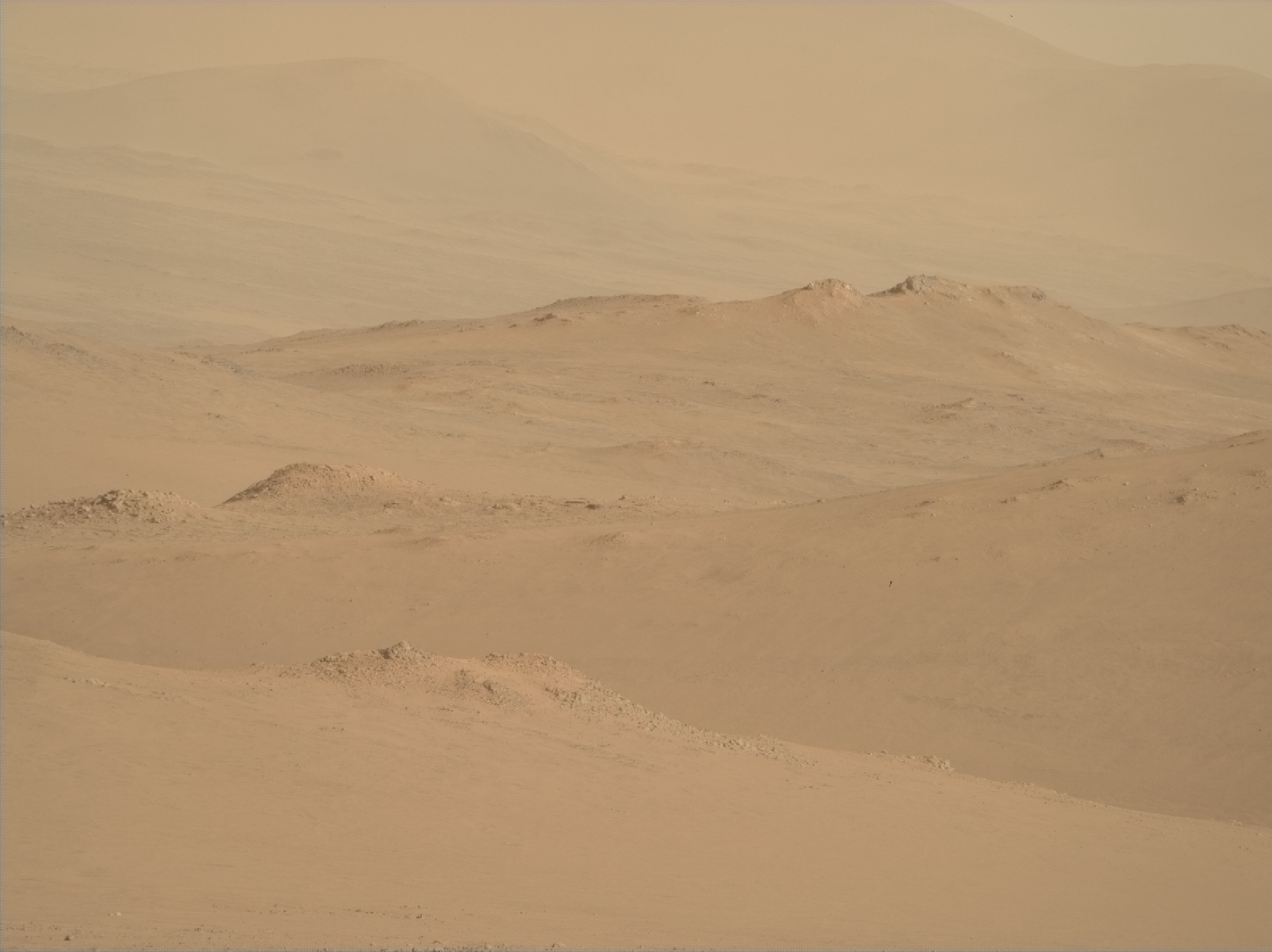
<p>Beautiful, totally new, long-distance vistas captured 12 hours ago by Perseverance with her Mastcam Zoom camera, after her latest move up the slopes of the crater</p><p><a href="/tags/mars/" rel="tag">#Mars</a> Dec. 5, 2024 (Sol 1349)<br>Credits images: NASA/JPL-Caltech/ASU</p><p><a href="/tags/perseverance/" rel="tag">#Perseverance</a> <a href="/tags/rover/" rel="tag">#rover</a> <a href="/tags/sol1349/" rel="tag">#Sol1349</a> <a href="/tags/perseverancerover/" rel="tag">#PerseveranceRover</a> <a href="/tags/jezerocrater/" rel="tag">#JezeroCrater</a> <a href="/tags/astrodon/" rel="tag">#Astrodon</a> <a href="/tags/geology/" rel="tag">#geology</a> <a href="/tags/mars2020/" rel="tag">#Mars2020</a> <a href="/tags/rimcampaign/" rel="tag">#RimCampaign</a> <a href="/tags/rimscience/" rel="tag">#RimScience</a> <a href="/tags/science/" rel="tag">#science</a> <a href="/tags/stem/" rel="tag">#STEM</a> <a href="/tags/news/" rel="tag">#news</a> <a href="/tags/martian/" rel="tag">#Martian</a> <a href="/tags/landscape/" rel="tag">#landscape</a> <a href="/tags/photography/" rel="tag">#photography</a></p>

<p>Astronomers have a love-hate relationship with the atmosphere: it's great for, you know, not dying, but it blurs astronomical images. In the latest episode of Chasing Starlight we tell you the inner workings of adaptive optics, a technique where we use powerful lasers and fast shape-shifting mirrors to measure and correct atmospheric turbulence:</p><p><a href="https://www.youtube.com/watch?v=g_QC2cLroDc" rel="nofollow" class="ellipsis" title="www.youtube.com/watch?v=g_QC2cLroDc"><span class="invisible">https://</span><span class="ellipsis">www.youtube.com/watch?v=g_QC2c</span><span class="invisible">LroDc</span></a></p><p><a href="/tags/astronomy/" rel="tag">#astronomy</a> <a href="/tags/astrophysics/" rel="tag">#astrophysics</a> <a href="/tags/astrodon/" rel="tag">#astrodon</a> <a href="/tags/science/" rel="tag">#science</a> <a href="/tags/space/" rel="tag">#space</a></p>
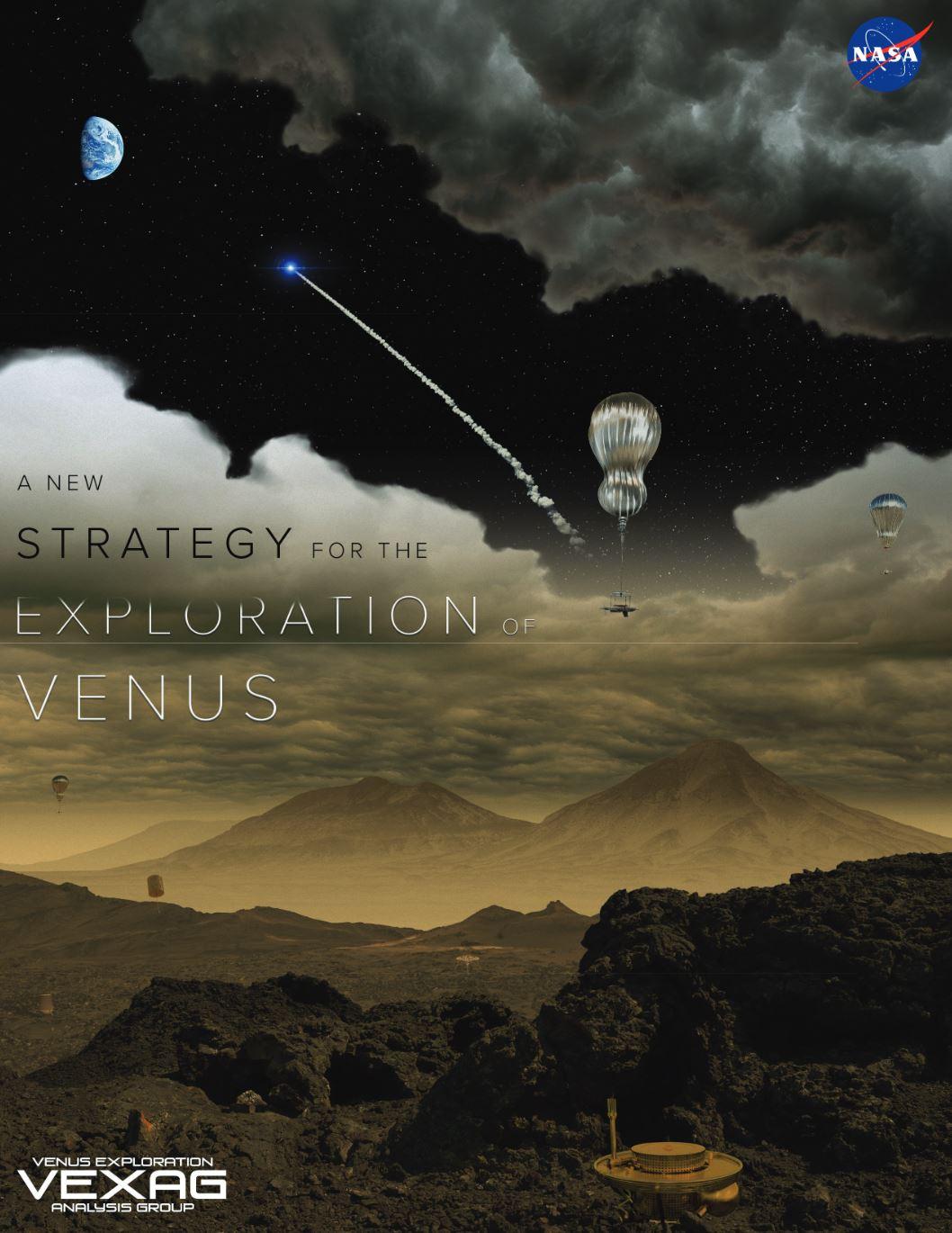
<p>in the <a href="/tags/arxiv/" rel="tag">#arXiv</a></p><p>A New Strategy for the Exploration of Venus</p><p>by the VEXAG Exploration Strategy Study Analysis Workgroup<br><a href="https://arxiv.org/abs/2412.06830" rel="nofollow"><span class="invisible">https://</span>arxiv.org/abs/2412.06830</a></p><p><a href="/tags/venus/" rel="tag">#Venus</a> <a href="/tags/planetaryscience/" rel="tag">#PlanetaryScience</a> <a href="/tags/astrodon/" rel="tag">#Astrodon</a> <a href="/tags/science/" rel="tag">#Science</a> <a href="/tags/stem/" rel="tag">#STEM</a> <a href="/tags/planet/" rel="tag">#planet</a> <a href="/tags/planets/" rel="tag">#planets</a> <a href="/tags/solarsystem/" rel="tag">#solarsystem</a> <a href="/tags/engineering/" rel="tag">#engineering</a> <a href="/tags/news/" rel="tag">#news</a></p>

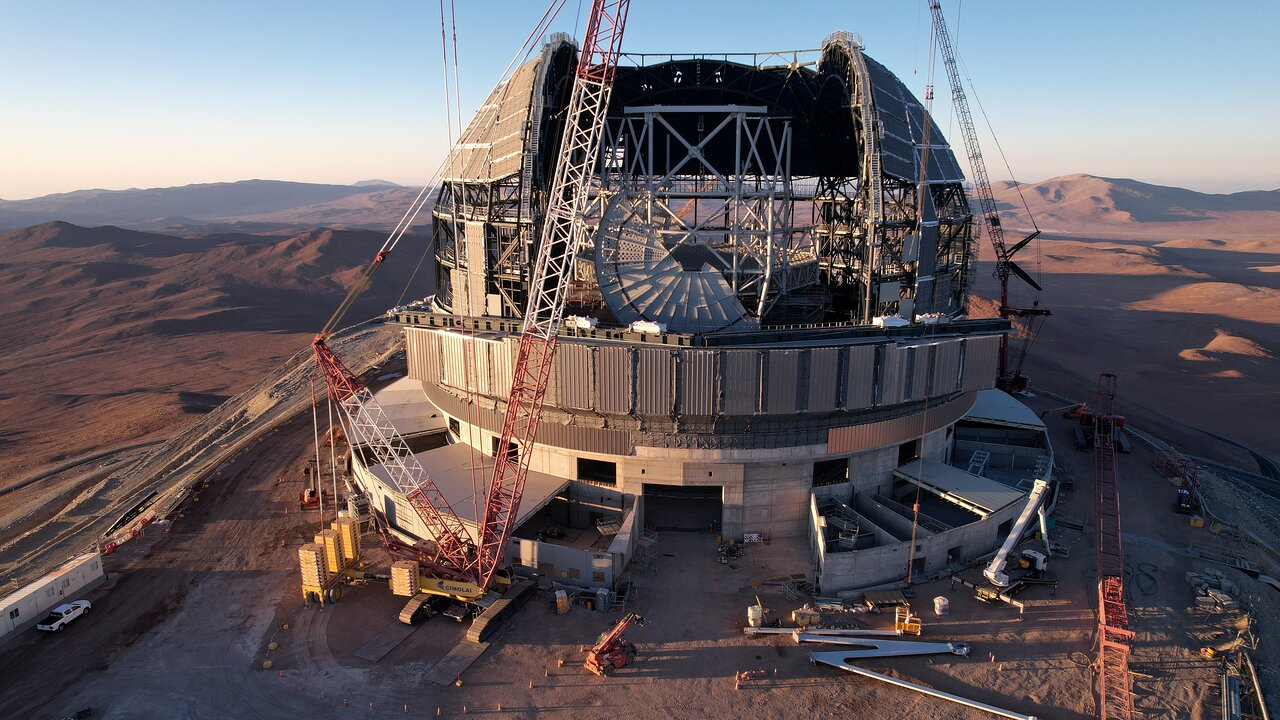
<p><a href="/tags/introduction/" rel="tag">#Introduction</a> Hi <a href="/tags/fediverse/" rel="tag">#fediverse</a> ! We’re the European Southern Observatory, and we design, build and operate ground-based telescopes.</p><p>One of them is our Extremely Large Telescope, currently under construction in <a href="/tags/chile/" rel="tag">#Chile</a>. It will have a 39 m mirror, and its rotating enclosure will weigh 6100 tonnes, or about 700 mastodons!</p><p>We’re looking forward to chatting with all of you about <a href="/tags/astronomy/" rel="tag">#astronomy</a></p><p>📷 ESO/G. Vecchia</p><p><a href="/tags/astrodon/" rel="tag">#astrodon</a> <a href="/tags/astrophysics/" rel="tag">#astrophysics</a> <a href="/tags/space/" rel="tag">#space</a> <a href="/tags/science/" rel="tag">#science</a></p>
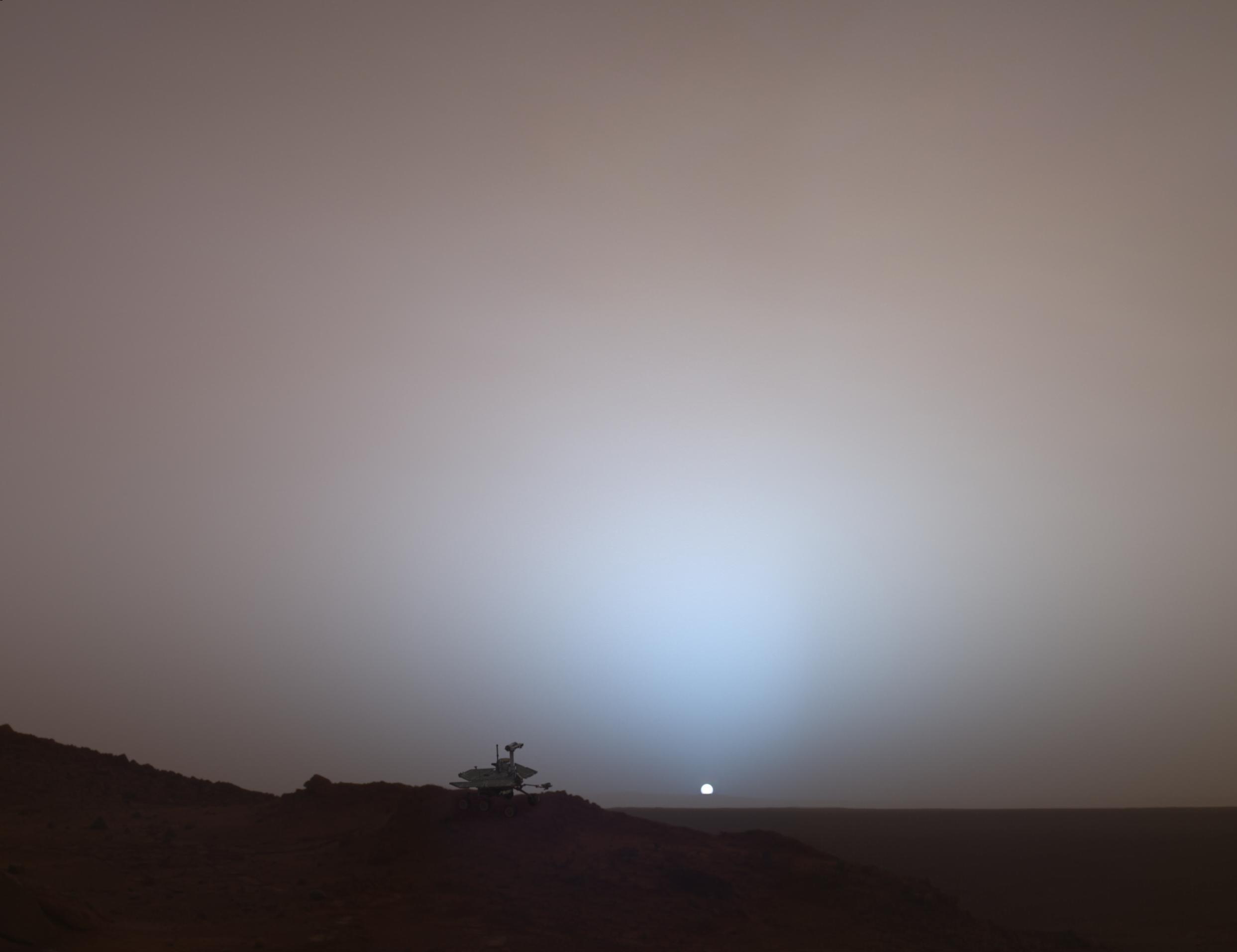
<p>Martian Memories</p><p>Special-Effects Spirit Silhouetted on "Jibsheet"</p><p>Created using a photorealistic model of the rover and a false-color mosaic captured at sunset by its panoramic camera on May 19, 2005 (Sol 489). Credit: NASA/JPL-Solar System Visualization Team</p><p>📷 <a href="https://www.jpl.nasa.gov/images/pia03232-special-effects-spirit-silhouetted-on-jibsheet/" rel="nofollow" class="ellipsis" title="www.jpl.nasa.gov/images/pia03232-special-effects-spirit-silhouetted-on-jibsheet/"><span class="invisible">https://</span><span class="ellipsis">www.jpl.nasa.gov/images/pia032</span><span class="invisible">32-special-effects-spirit-silhouetted-on-jibsheet/</span></a></p><p><a href="/tags/mars/" rel="tag">#Mars</a> <a href="/tags/spirit/" rel="tag">#Spirit</a> <a href="/tags/sol489/" rel="tag">#Sol489</a> <a href="/tags/jibsheet/" rel="tag">#Jibsheet</a> <a href="/tags/sunset/" rel="tag">#sunset</a> <a href="/tags/gusevcrater/" rel="tag">#GusevCrater</a> <a href="/tags/gusev/" rel="tag">#Gusev</a> <a href="/tags/crater/" rel="tag">#crater</a> <a href="/tags/rover/" rel="tag">#rover</a> <a href="/tags/spiritrover/" rel="tag">#SpiritRover</a> <a href="/tags/martian/" rel="tag">#Martian</a> <a href="/tags/solarsystem/" rel="tag">#solarsystem</a> <a href="/tags/memories/" rel="tag">#memories</a> <a href="/tags/space/" rel="tag">#space</a> <a href="/tags/science/" rel="tag">#science</a> <a href="/tags/history/" rel="tag">#history</a> <a href="/tags/stem/" rel="tag">#STEM</a> <a href="/tags/astrodon/" rel="tag">#astrodon</a> <a href="/tags/geology/" rel="tag">#geology</a> <a href="/tags/specialfx/" rel="tag">#SpecialFX</a> <a href="/tags/fx/" rel="tag">#FX</a> <a href="/tags/visualization/" rel="tag">#visualization</a> <a href="/tags/nasa/" rel="tag">#NASA</a> <a href="/tags/jpl/" rel="tag">#JPL</a></p>
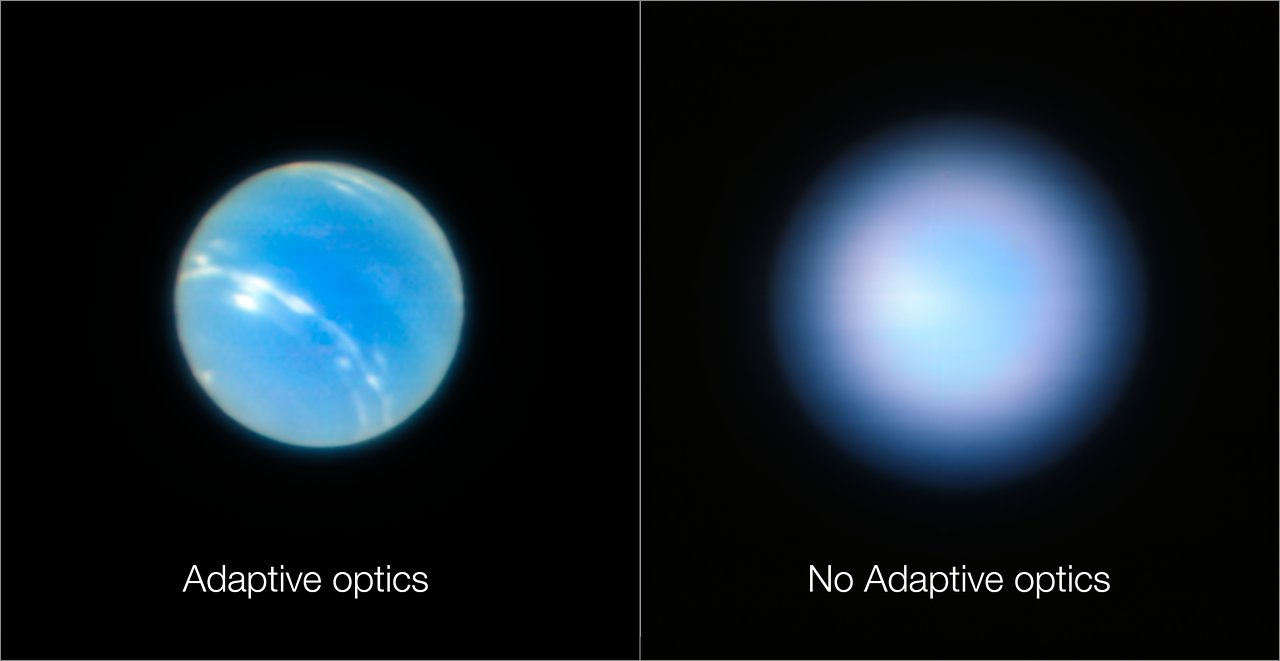
<p><a href="/tags/happynewyear/" rel="tag">#HappyNewYear</a> 🎉 Boost your <a href="/tags/newyear/" rel="tag">#NewYear</a> resolution with adaptive optics. By deforming a thin flexible mirror a thousand times per second you can correct atmospheric turbulence and get sharp astronomical images!</p><p>➡️ <a href="https://www.eso.org/public/teles-instr/technology/adaptive_optics/" rel="nofollow" class="ellipsis" title="www.eso.org/public/teles-instr/technology/adaptive_optics/"><span class="invisible">https://</span><span class="ellipsis">www.eso.org/public/teles-instr</span><span class="invisible">/technology/adaptive_optics/</span></a></p><p>📷 ESO/P. Weilbacher (AIP)</p><p><a href="/tags/astrodon/" rel="tag">#astrodon</a> <a href="/tags/astronomy/" rel="tag">#astronomy</a> <a href="/tags/astrophysics/" rel="tag">#astrophysics</a> <a href="/tags/space/" rel="tag">#space</a> <a href="/tags/science/" rel="tag">#science</a></p>
Edited 1y ago
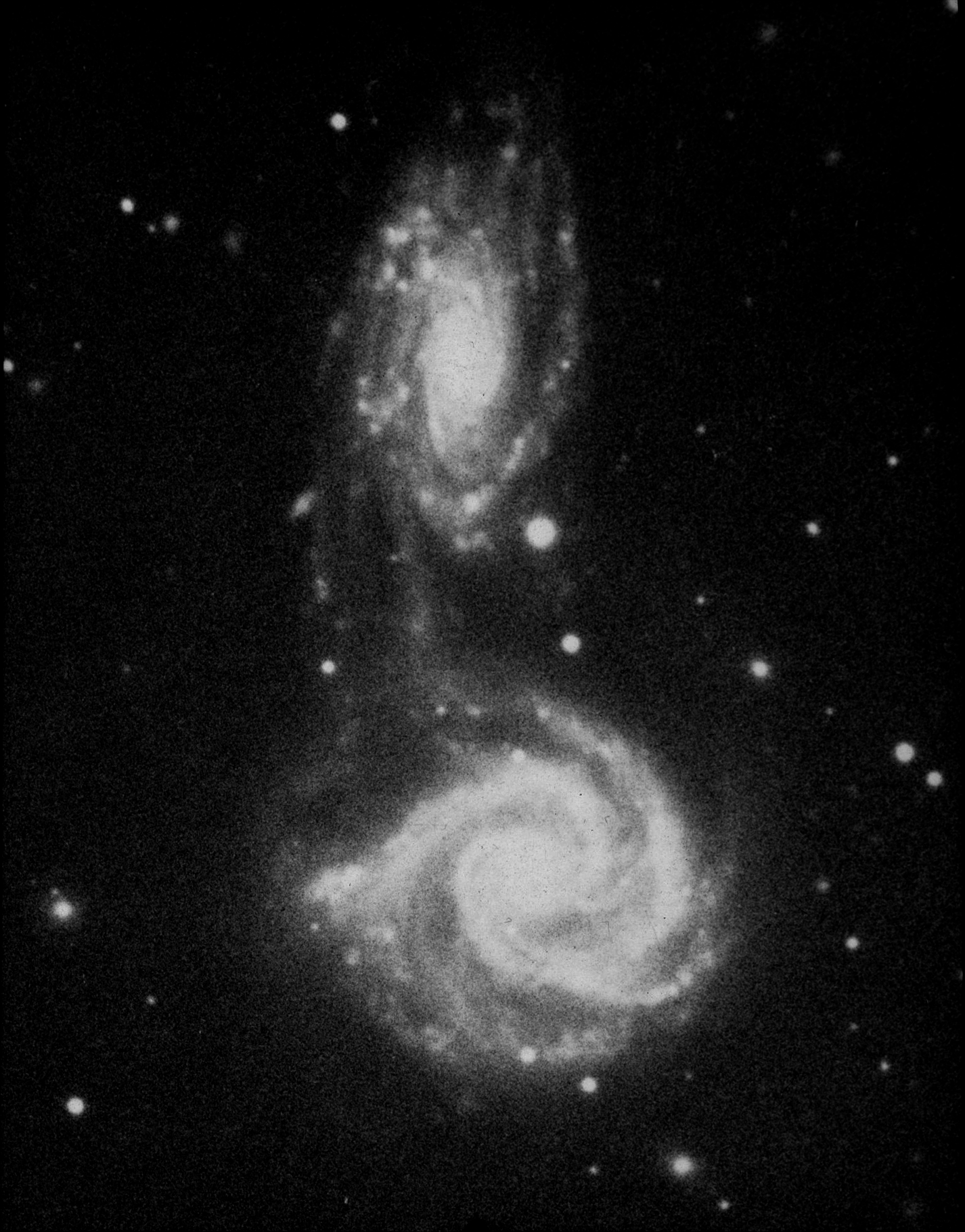
<p>Need more galaxies in your feed? Of course you do.</p><p>Over the break I made <span class="h-card"><a href="https://mastodon.social/@ArpBot" class="u-url mention" rel="nofollow noopener noreferrer" target="_blank">@<span>ArpBot</span></a></span>, mostly because I thought the name "Arp Bot" was funny.</p><p>It posts an image of a galaxy in Halton Arp's Atlas of Peculiar Galaxies twice a day. Images are from the archives of professional observatories and the original 1966 catalog. I curated the images and wrote the image descriptions and most of the alt text.</p><p>Give it a follow!</p><p><a href="/tags/astrodon/" rel="tag">#Astrodon</a> <a href="/tags/space/" rel="tag">#space</a> <a href="/tags/galaxies/" rel="tag">#galaxies</a></p>
<p>Astronomers have long thought that the upper clouds of Jupiter, which create the planet’s iconic pale brown belts, are made of frozen ammonia. </p><p>But the joint efforts between an amateur astronomer with his backyard telescope 🔭 and professional scientists with ESO's Very Large Telescope (VLT), have now shown that they're actually made of something completely different 😲</p><p>Most likely, they are made of ammonium hydrosulphide mixed with smog, although vertical convection can sometimes bring ammonia ice clouds to the top.</p><p>Read more: <a href="https://www.eso.org/public/videos/potw2502a/?lang" rel="nofollow" class="ellipsis" title="www.eso.org/public/videos/potw2502a/?lang"><span class="invisible">https://</span><span class="ellipsis">www.eso.org/public/videos/potw</span><span class="invisible">2502a/?lang</span></a></p><p><a href="/tags/astrodon/" rel="tag">#astrodon</a> <a href="/tags/astronomy/" rel="tag">#astronomy</a> <a href="/tags/astrophysics/" rel="tag">#astrophysics</a> <a href="/tags/space/" rel="tag">#space</a> <a href="/tags/science/" rel="tag">#science</a></p>

<p>At the Max Planck Institute for Solar System Research, we do cutting edge scientific research on our Sun, the planets and their moons, asteroids and comets. Posts will be in English und manchmal auch auf Deutsch.</p><p><a href="/tags/mpsgoettingen/" rel="tag">#mpsgoettingen</a> <a href="/tags/introduction/" rel="tag">#introduction</a> <a href="/tags/reintroduction/" rel="tag">#reintroduction</a> <a href="/tags/movinginstance/" rel="tag">#movinginstance</a> <a href="/tags/astrodon/" rel="tag">#astrodon</a> <a href="/tags/neuhier/" rel="tag">#neuhier</a></p>

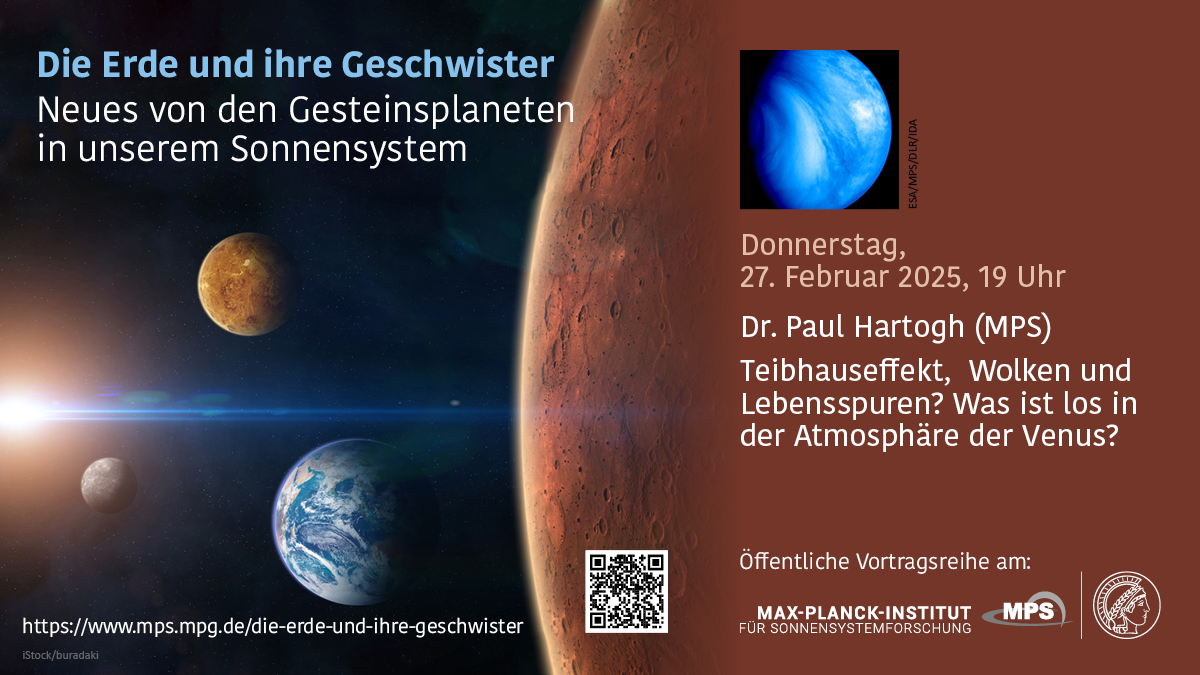
<p>In this week’s public lecture, <a href="/tags/mpsgoettingen/" rel="tag">#mpsgoettingen</a> scientist Paul Hartogh takes us on a trip through the extreme atmosphere of <a href="/tags/venus/" rel="tag">#Venus</a>. Is there evidence of life in the planet’s clouds of sulfuric acid? Find out more this Thursday! In German. <br><a href="https://www.mps.mpg.de/die-erde-und-ihre-geschwister" rel="nofollow" class="ellipsis" title="www.mps.mpg.de/die-erde-und-ihre-geschwister"><span class="invisible">https://</span><span class="ellipsis">www.mps.mpg.de/die-erde-und-ih</span><span class="invisible">re-geschwister</span></a><br><span class="h-card"><a href="https://academiccloud.social/@thegoecampus" class="u-url mention" rel="nofollow noopener noreferrer" target="_blank">@<span>thegoecampus</span></a></span></p><p><a href="/tags/göttingen/" rel="tag">#Göttingen</a> <a href="/tags/maxplanck/" rel="tag">#MaxPlanck</a> <a href="/tags/astronomie/" rel="tag">#Astronomie</a> <a href="/tags/sonnensystem/" rel="tag">#Sonnensystem</a> <a href="/tags/planeten/" rel="tag">#Planeten</a> <a href="/tags/planetenforschung/" rel="tag">#Planetenforschung</a> <a href="/tags/venus/" rel="tag">#Venus</a> <a href="/tags/öffentllichervortrag/" rel="tag">#ÖffentllicherVortrag</a> <a href="/tags/vortragsreihe/" rel="tag">#Vortragsreihe</a> <a href="/tags/mpsgoettingen/" rel="tag">#MPSGoettingen</a> <a href="/tags/astrodon/" rel="tag">#Astrodon</a></p>
Edited 1y ago
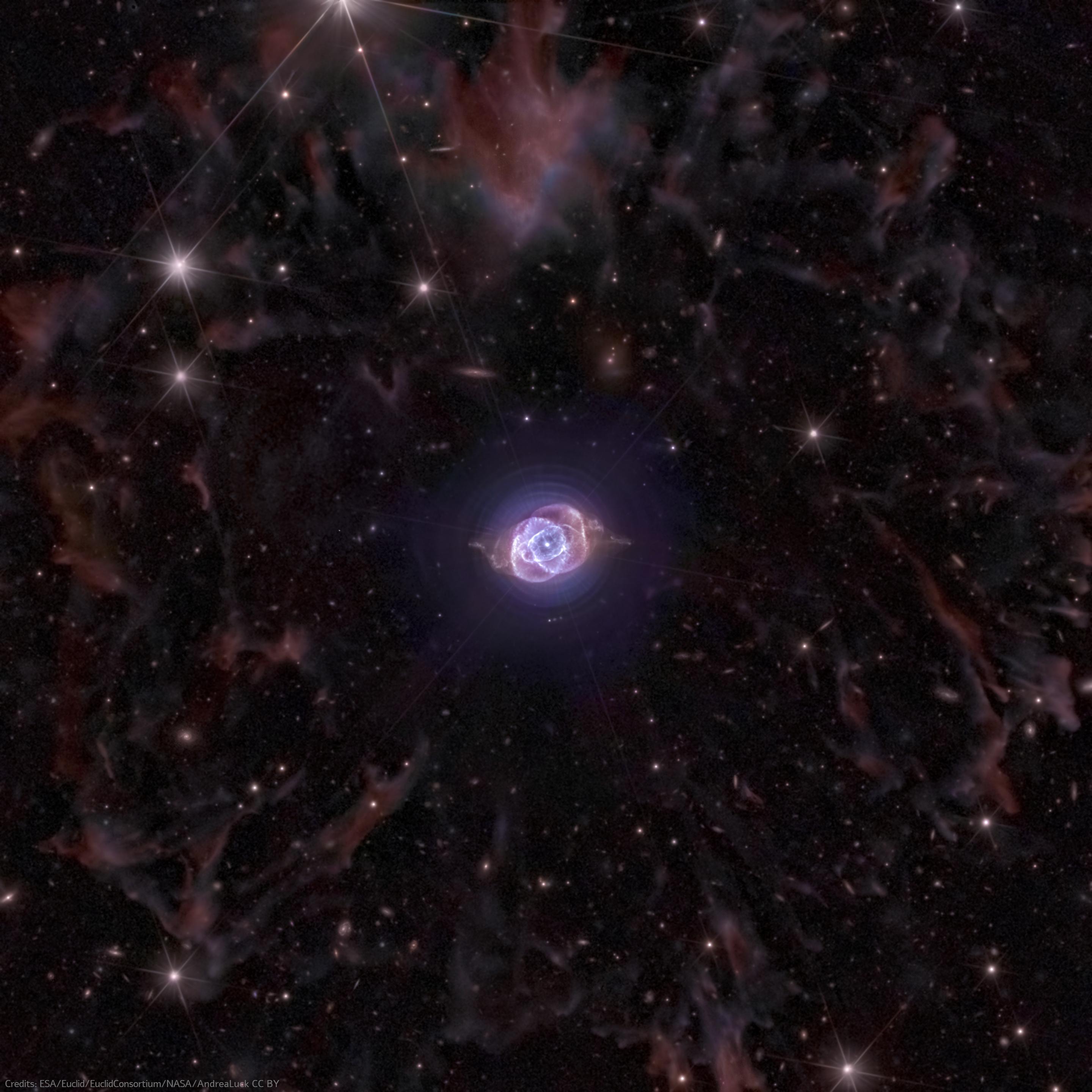
<p>Cat's Eye Nebula NGC 6543 as seen by ESA Euclid Space Telescope</p><p>Full size 3K & full info: <a href="https://flic.kr/p/2qTiGsj" rel="nofollow"><span class="invisible">https://</span>flic.kr/p/2qTiGsj</a><br>Credit: ESA/Euclid/EuclidConsortium/NASA/NAOJ/AndreaLuck CC BY</p><p>Latest data release available on: https//eas.esac.esa.int/sas<br>Mission: ESA Euclid<br>Instruments: VIS and NIS<br>Product Type: MER Mosaic<br>Release Q1 R1<br>Filters: HSC G (Subaru Telescope), VIS, NIR H, NIR J, NIR Y </p><p><a href="/tags/space/" rel="tag">#Space</a> <a href="/tags/astronomy/" rel="tag">#Astronomy</a> <a href="/tags/euclid/" rel="tag">#Euclid</a> <a href="/tags/esa/" rel="tag">#ESA</a> <a href="/tags/astrodon/" rel="tag">#Astrodon</a> <a href="/tags/nebula/" rel="tag">#Nebula</a></p>
Edited 1y ago
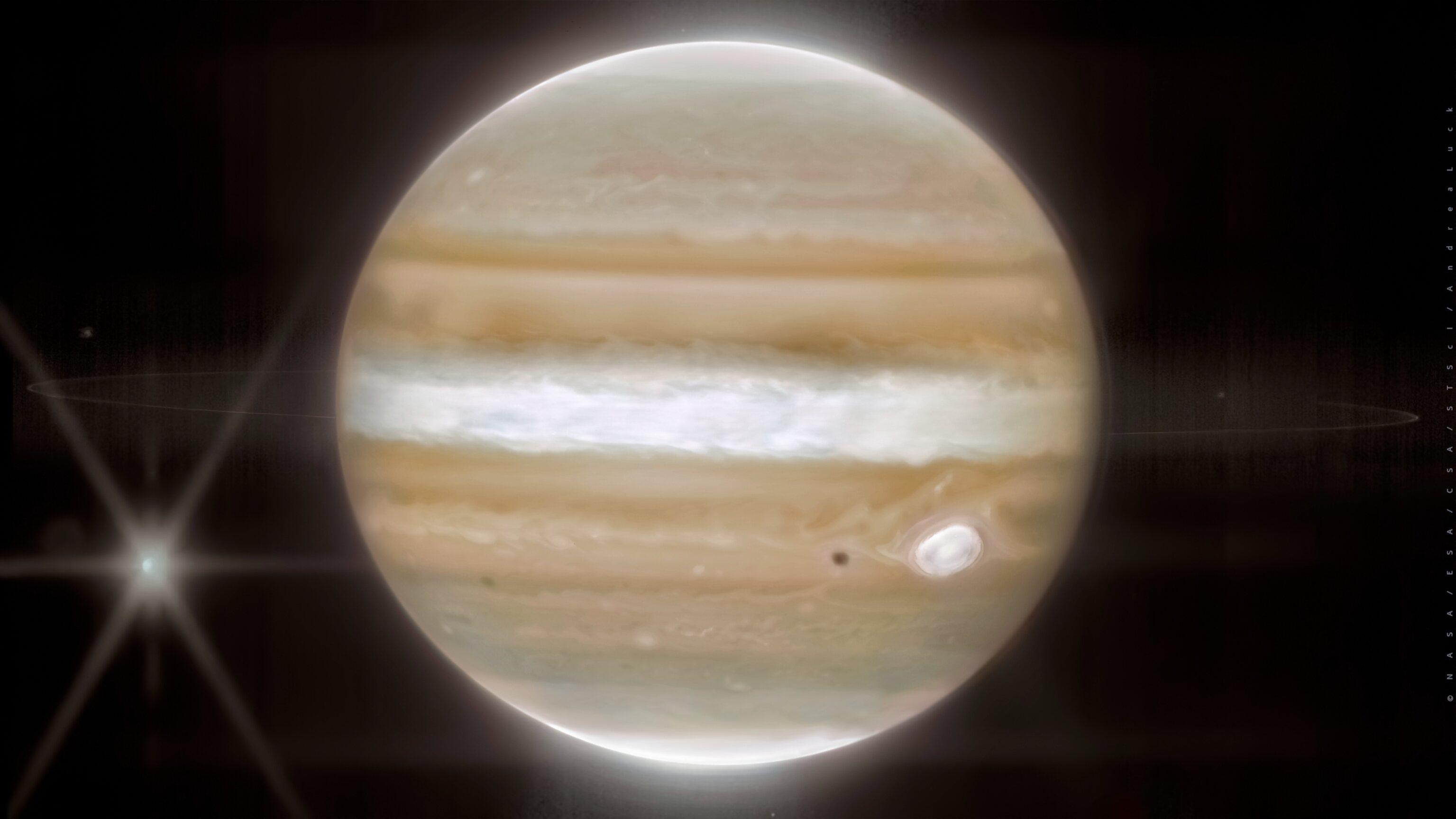
<p>1/2 🧵</p><p>Reprocessed this JWST image of Jupiter and updated the Outer Planets composition in the thread. Rings everywhere!</p><p>Full size image: <a href="http://flic.kr/p/2rJRXeY" rel="nofollow"><span class="invisible">http://</span>flic.kr/p/2rJRXeY</a> <br>Credit: NASA/ESA/CSA/STScI/AndreaLuck</p><p>JWST NIRCAM 2022-06-28 <br>Filter: F212, F3322W2-F323N<br>PI: John A. Stansberry<br>Proposal ID 1022</p><p><a href="/tags/space/" rel="tag">#Space</a> <a href="/tags/astronomy/" rel="tag">#Astronomy</a> <a href="/tags/jwst/" rel="tag">#JWST</a> <a href="/tags/jupiter/" rel="tag">#Jupiter</a> <a href="/tags/esa/" rel="tag">#ESA</a> <a href="/tags/nasa/" rel="tag">#NASA</a> <a href="/tags/astrodon/" rel="tag">#Astrodon</a> <a href="/tags/solarocks/" rel="tag">#Solarocks</a></p>
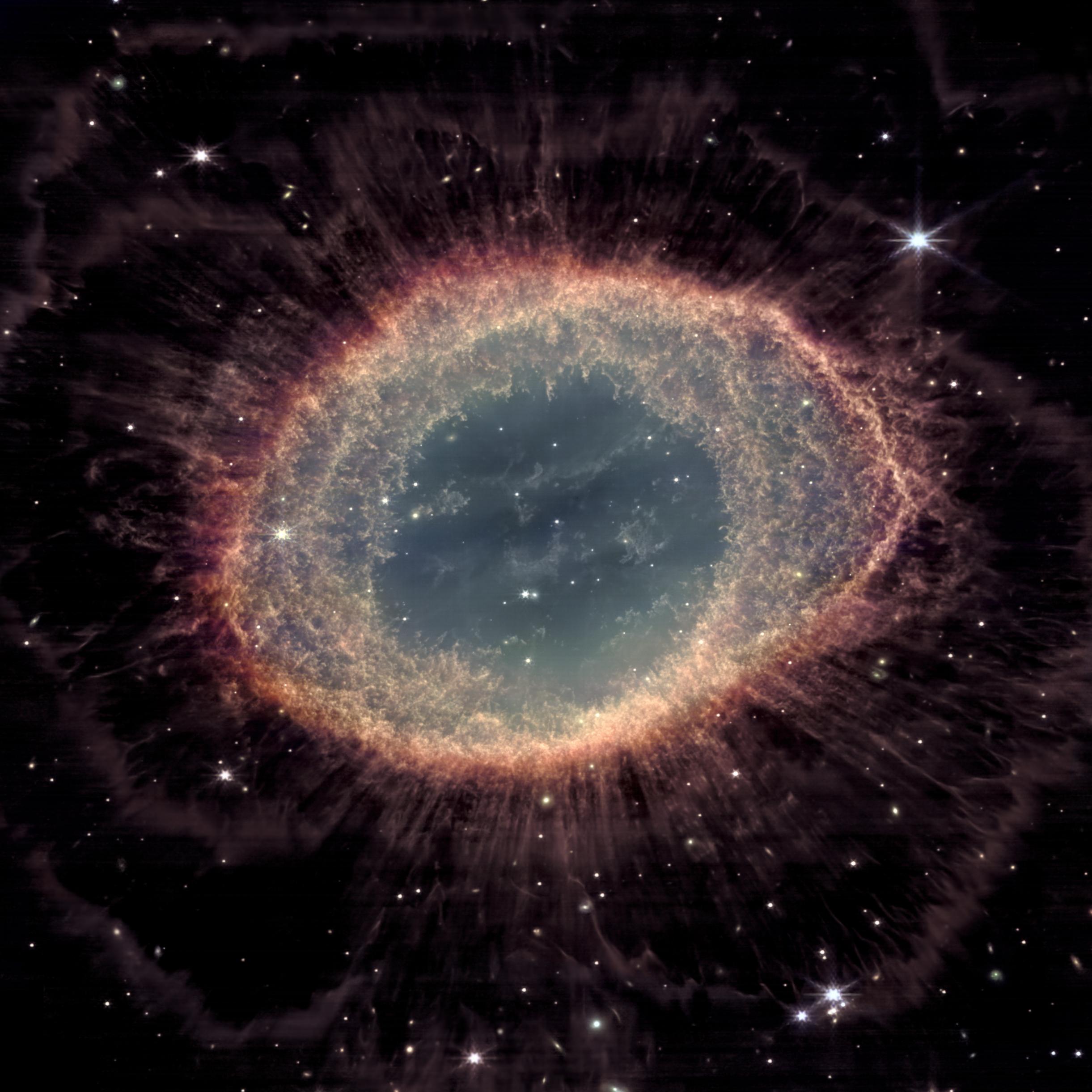
<p>Ring Nebula as seen by JWST Space Telescope</p><p>Full size & more info: <a href="https://flic.kr/p/2qW1yL1" rel="nofollow"><span class="invisible">https://</span>flic.kr/p/2qW1yL1</a><br>Credit: NASA/ESA/CSA/STScI/AndreaLuck CC BY</p><p>Target: Ring Nebula, NGC6720<br>Distance: 2,300 light-years<br>Date: 2022-08-04 / 2022-08-08<br>Instruments: NIRCam, MIRI<br>Filters: F770W, F560W, F335M, F300M, F212N, F162M<br>Colours Assigned: B/W, Red, Orange, Green, Cyan, Blue<br>PI: Michael Barlow<br>PI Institution: University College London<br>Proposal ID: 1558</p><p><a href="/tags/jwst/" rel="tag">#JWST</a> <a href="/tags/astronomy/" rel="tag">#Astronomy</a> <a href="/tags/space/" rel="tag">#Space</a> <a href="/tags/astrodon/" rel="tag">#Astrodon</a></p>

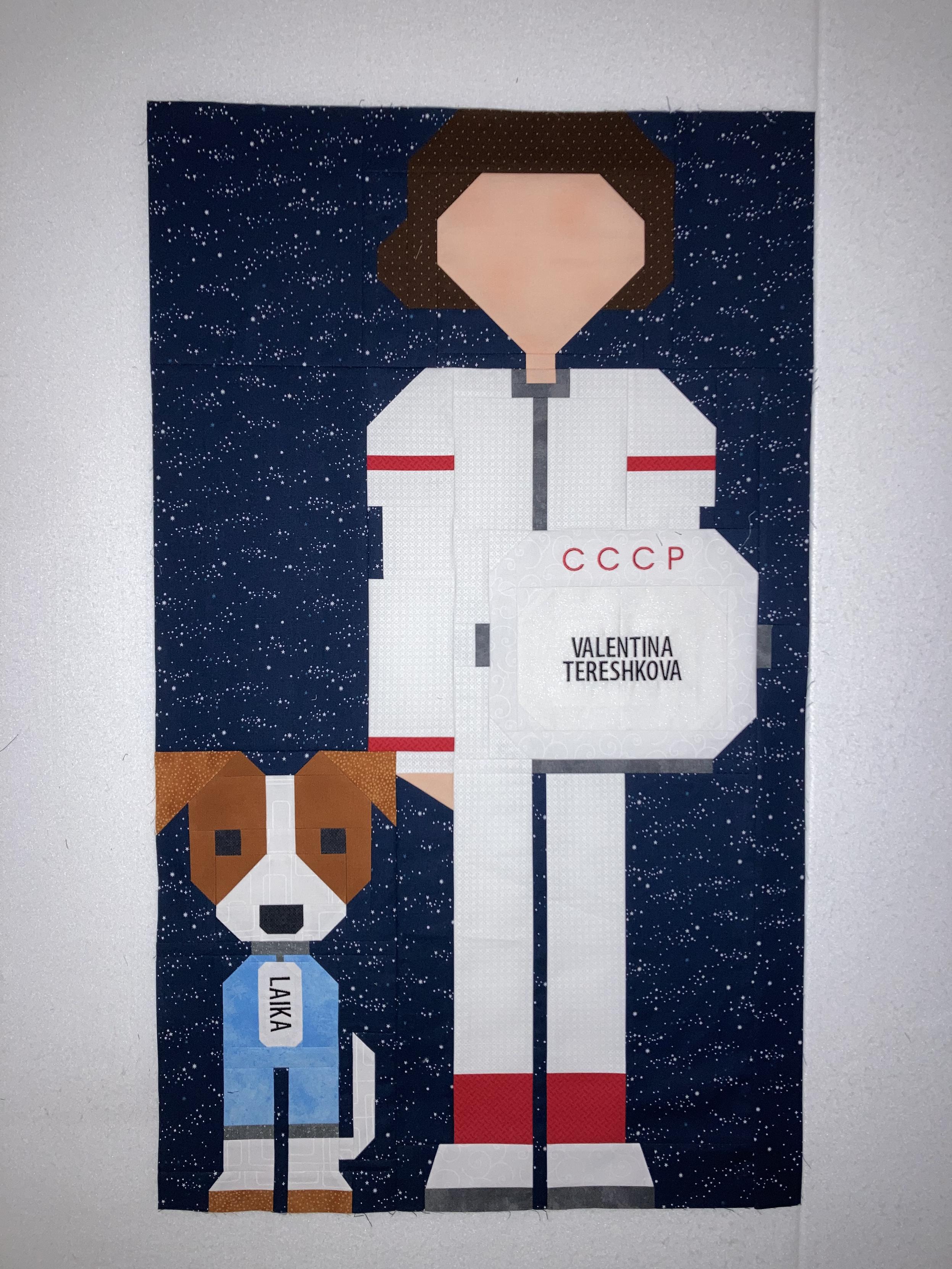
<p>Not sure how I’m even writing this post, because I am literally bouncing up and down in absolute glee at how well this quilt top is coming together. I mean look how perfectly Laika fit next to Tereshkova! </p><p>Sally Ride is up next 🚀 </p><p><a href="/tags/quilting/" rel="tag">#Quilting</a> <a href="/tags/inarticulateastrofirsts/" rel="tag">#InarticulateAstroFirsts</a> <a href="/tags/astrodon/" rel="tag">#Astrodon</a> <a href="/tags/wip/" rel="tag">#WIP</a></p>

<p>Since this <a href="https://chaos.social/@Skorpy/115037963703138114" rel="nofollow" class="ellipsis" title="chaos.social/@Skorpy/115037963703138114"><span class="invisible">https://</span><span class="ellipsis">chaos.social/@Skorpy/115037963</span><span class="invisible">703138114</span></a> is getting some traction right now, I would like to alert <a href="/tags/astrodon/" rel="tag">#astrodon</a> folks that I have created this starter pack <a href="https://fedidevs.com/s/NjA2/" rel="nofollow"><span class="invisible">https://</span>fedidevs.com/s/NjA2/</a> and that you may be in it: for a *very* loose definition of Germany, it's "Astronomy in Germany".</p><p>Accounts that have opted in to discovery features can be added to starter packs without further confirmation. So if you find yourself a part of this and want me to *remove* you, please let me know and I'll try to do this quickly, before it spreads too widely.</p><p>If you think you should be on that list, but are not, because of oversight on my part, or because of missing opt-in to account discovery so far, which you would now like to change, also feel free to let me know.</p><p>The idea is to have a presentable starter pack ready at the time of <a href="/tags/ag2025goerlitz/" rel="tag">#ag2025goerlitz</a> for <a href="https://ag2025.astronomische-gesellschaft.de/view_abstract.php?id=39" rel="nofollow" class="ellipsis" title="ag2025.astronomische-gesellschaft.de/view_abstract.php?id=39"><span class="invisible">https://</span><span class="ellipsis">ag2025.astronomische-gesellsch</span><span class="invisible">aft.de/view_abstract.php?id=39</span></a></p><p><a href="/tags/astronomy/" rel="tag">#astronomy</a> <a href="/tags/astrophysics/" rel="tag">#astrophysics</a> <a href="/tags/space/" rel="tag">#space</a></p>
<p>On the occasion of the International Annual Meeting of the German Astronomical Society, where a joint effort is happening right now to connect existing <a href="/tags/fediverse/" rel="tag">#fediverse</a> accounts and to invite more members of the community to participate, here is a starter pack of accounts with a relation to Astronomy in Germany:</p><p><a href="https://fedidevs.com/s/NjA2/" rel="nofollow"><span class="invisible">https://</span>fedidevs.com/s/NjA2/</a> </p><p>Are you all already following each other? Did you just get started and want to ask to be included, too? Would you like to suggest further additions to the starter pack? Are you discovering accounts in the list whose introductions should get boosted around a lot more? Are astronomy aficionados out there finding this list useful?</p><p><a href="/tags/starterpack/" rel="tag">#Starterpack</a> <a href="/tags/fedifollows/" rel="tag">#FediFollows</a> <a href="/tags/astronomy/" rel="tag">#Astronomy</a> <a href="/tags/astrodon/" rel="tag">#Astrodon</a> <a href="/tags/ag2025goerlitz/" rel="tag">#AG2025Goerlitz</a> <a href="/tags/germanastrosoc/" rel="tag">#GermanAstroSoc</a> <a href="/tags/space/" rel="tag">#Space</a></p>
Edited 201d ago
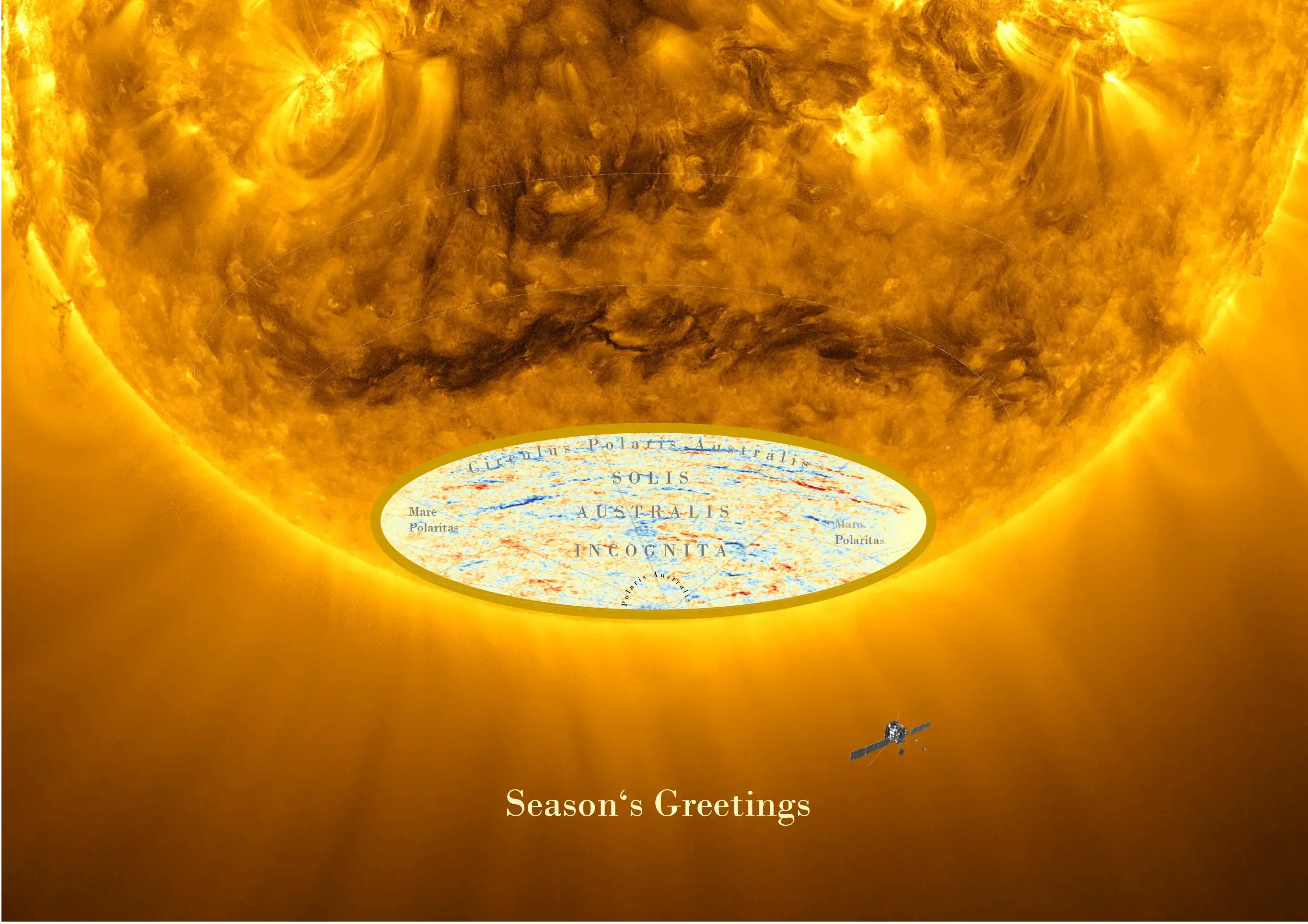
<p><a href="/tags/mpsgoettingen/" rel="tag">#MPSGoettingen</a> wishes you happy holidays and a healthy and successful New Year 2026!</p><p>Featuring prominently on our season's greetings card: the first images of the Sun's south pole 🛰️ ☀️</p><p>During its flyby of the Sun at the end of March this year, the Solar Orbiter space probe had its first clear view of our star's poles. Solar Orbiter's trajectory has recently been tilted 17 degrees relative to the Sun's equator, allowing measurements from this unique perspective for the first time. As the new observations impressively show, the magnetic field at the poles is currently in a state of turmoil.</p><p>In addition to the images of the sun's south pole taken by the Solar Orbiter spacecraft, the past year has brought us many other highlights: exciting scientific results and important awards. Read more at <a href="https://www.mps.mpg.de/en/season-s-greetings-2025" rel="nofollow" class="ellipsis" title="www.mps.mpg.de/en/season-s-greetings-2025"><span class="invisible">https://</span><span class="ellipsis">www.mps.mpg.de/en/season-s-gre</span><span class="invisible">etings-2025</span></a></p><p><a href="/tags/2025/" rel="tag">#2025</a> <a href="/tags/wrapped/" rel="tag">#wrapped</a> <a href="/tags/wrapped2025/" rel="tag">#wrapped2025</a> <a href="/tags/jahresrückblick/" rel="tag">#Jahresrückblick</a> <a href="/tags/solarorbiter/" rel="tag">#SolarOrbiter</a> <a href="/tags/sun/" rel="tag">#Sun</a> <a href="/tags/space/" rel="tag">#Space</a> <a href="/tags/solaustralisincognitus/" rel="tag">#SolAustralisIncognitus</a> <a href="/tags/2026/" rel="tag">#2026</a> <a href="/tags/newyear/" rel="tag">#NewYear</a> <a href="/tags/goettingen/" rel="tag">#Goettingen</a> <a href="/tags/astrodon/" rel="tag">#Astrodon</a></p>
Edited 101d ago

<p>Happy birthday to <a href="/tags/gw250114/" rel="tag">#GW250114</a> our loudest detection to date!</p><p>In this video, Dr Becky Smethurst explains how we used the signal to test one of Hawking's fundamental ideas about black holes</p><p><a href="https://www.youtube.com/watch?v=_fLOgS7F5Bo" rel="nofollow" class="ellipsis" title="www.youtube.com/watch?v=_fLOgS7F5Bo"><span class="invisible">https://</span><span class="ellipsis">www.youtube.com/watch?v=_fLOgS</span><span class="invisible">7F5Bo</span></a></p><p><a href="/tags/gravitationalwaves/" rel="tag">#GravitationalWaves</a> <a href="/tags/astrodon/" rel="tag">#Astrodon</a> <a href="/tags/physics/" rel="tag">#Physics</a></p>

<p>"I would say keep your options open…or move to Canada or France or England. Right now, it looks like America is getting out of this business." <a href="/tags/nasa/" rel="tag">#NASA</a> <a href="/tags/spaceexploration/" rel="tag">#SpaceExploration</a> <a href="/tags/planetaryscience/" rel="tag">#PlanetaryScience</a> <a href="/tags/science/" rel="tag">#Science</a> <a href="/tags/astronomy/" rel="tag">#Astronomy</a> <a href="/tags/uspol/" rel="tag">#USPol</a> <a href="/tags/astrodon/" rel="tag">#Astrodon</a> @space <a href="https://www.planetary.org/articles/4000-gone-inside-nasas-brain-drain" rel="nofollow" class="ellipsis" title="www.planetary.org/articles/4000-gone-inside-nasas-brain-drain"><span class="invisible">https://</span><span class="ellipsis">www.planetary.org/articles/400</span><span class="invisible">0-gone-inside-nasas-brain-drain</span></a></p>