Tonight’s Moon
astrophotography

 🔻
🔻
<p>Acabo de actualizar mi dataset sobre contaminación lumínica nocturna global generado con mi herramienta radiance-geojson (<a href="https://codeberg.org/imigueldiaz/radiance-geojson" rel="nofollow" class="ellipsis" title="codeberg.org/imigueldiaz/radiance-geojson"><span class="invisible">https://</span><span class="ellipsis">codeberg.org/imigueldiaz/radia</span><span class="invisible">nce-geojson</span></a>). Contiene archivos JSON (.json.gz) y un dump completo en PostGIS (restaurada ocupa 27GB, con casi 140 millones de puntos georreferenciados), con datos de radiancia, brillo del cielo y clasificación Bortle para 173 países a 0.5 km de resolución. Basado en imágenes VIIRS de Earth Observation Group, Colorado School of Mines.</p><p>Puedes descargarlo gratis desde: <a href="https://archive.org/details/radiance-geojson-data-2025" rel="nofollow" class="ellipsis" title="archive.org/details/radiance-geojson-data-2025"><span class="invisible">https://</span><span class="ellipsis">archive.org/details/radiance-g</span><span class="invisible">eojson-data-2025</span></a></p><p>Ideal para análisis geoespaciales, ambientales y astronómicos, en mi caso lo usaré para astrofotografía si me da la vida. Licencia CC BY 4.0.</p><p><a href="/tags/opendata/" rel="tag">#opendata</a> <a href="/tags/geospatial/" rel="tag">#geospatial</a> <a href="/tags/lightpollution/" rel="tag">#lightpollution</a> <a href="/tags/viirs/" rel="tag">#VIIRS</a> <a href="/tags/postgis/" rel="tag">#PostGIS</a> <a href="/tags/gis/" rel="tag">#gis</a> <a href="/tags/spatialdata/" rel="tag">#spatialdata</a> <a href="/tags/dataset/" rel="tag">#dataset</a> <a href="/tags/ccby4/" rel="tag">#CCBY4</a> <a href="/tags/opensource/" rel="tag">#opensource</a> <a href="/tags/radiance/" rel="tag">#radiance</a> <a href="/tags/astrophoto/" rel="tag">#astrophoto</a> <a href="/tags/astrophotography/" rel="tag">#astrophotography</a></p>
Edited 133d ago

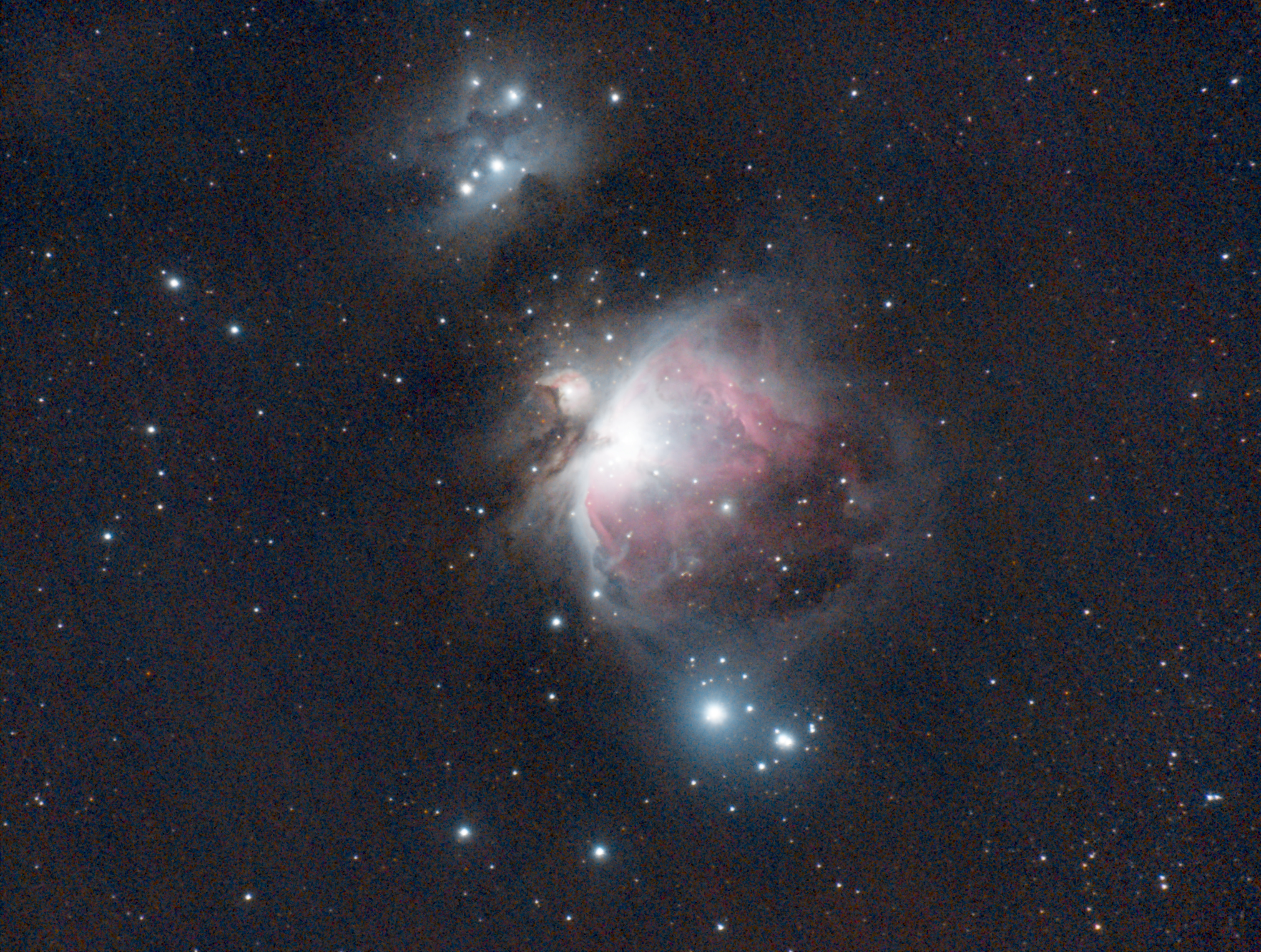


<p>Subí a PeerTube mi clase de técnicas instrumentales, telescopios y astrofotografía que di para el curso de Educación Permanente en CURE Rocha - UdelaR. Los curso de educación permanente son no especializados y son aptos para todo público por lo que son de carácter general e introductorios y su finalidad es transmitir conocimiento a la comunidad, generar lazos sociedad civil y crear lazos interdisciplinarios con otros actores, en este caso, con gente vinculada al turismo astronómico, conservación de ecosistemas y gestión ambiental. Disponible en <a href="https://tube.undernet.uy/w/hCkVJFKzXScddm3LJByDbU" rel="nofollow" class="ellipsis" title="tube.undernet.uy/w/hCkVJFKzXScddm3LJByDbU"><span class="invisible">https://</span><span class="ellipsis">tube.undernet.uy/w/hCkVJFKzXSc</span><span class="invisible">ddm3LJByDbU</span></a> <a href="/tags/astronomía/" rel="tag">#astronomía</a> <a href="/tags/astrofotografía/" rel="tag">#astrofotografía</a> <a href="/tags/fotografía/" rel="tag">#fotografía</a> <a href="/tags/telescopios/" rel="tag">#telescopios</a> <a href="/tags/educaciónpermanente/" rel="tag">#educaciónpermanente</a> <a href="/tags/udelar/" rel="tag">#udelar</a> <a href="/tags/astronomy/" rel="tag">#astronomy</a> <a href="/tags/ciencia/" rel="tag">#ciencia</a> <a href="/tags/science/" rel="tag">#science</a> <a href="/tags/astrophotography/" rel="tag">#astrophotography</a> <a href="/tags/photography/" rel="tag">#photography</a> <a href="/tags/telescopes/" rel="tag">#telescopes</a></p>
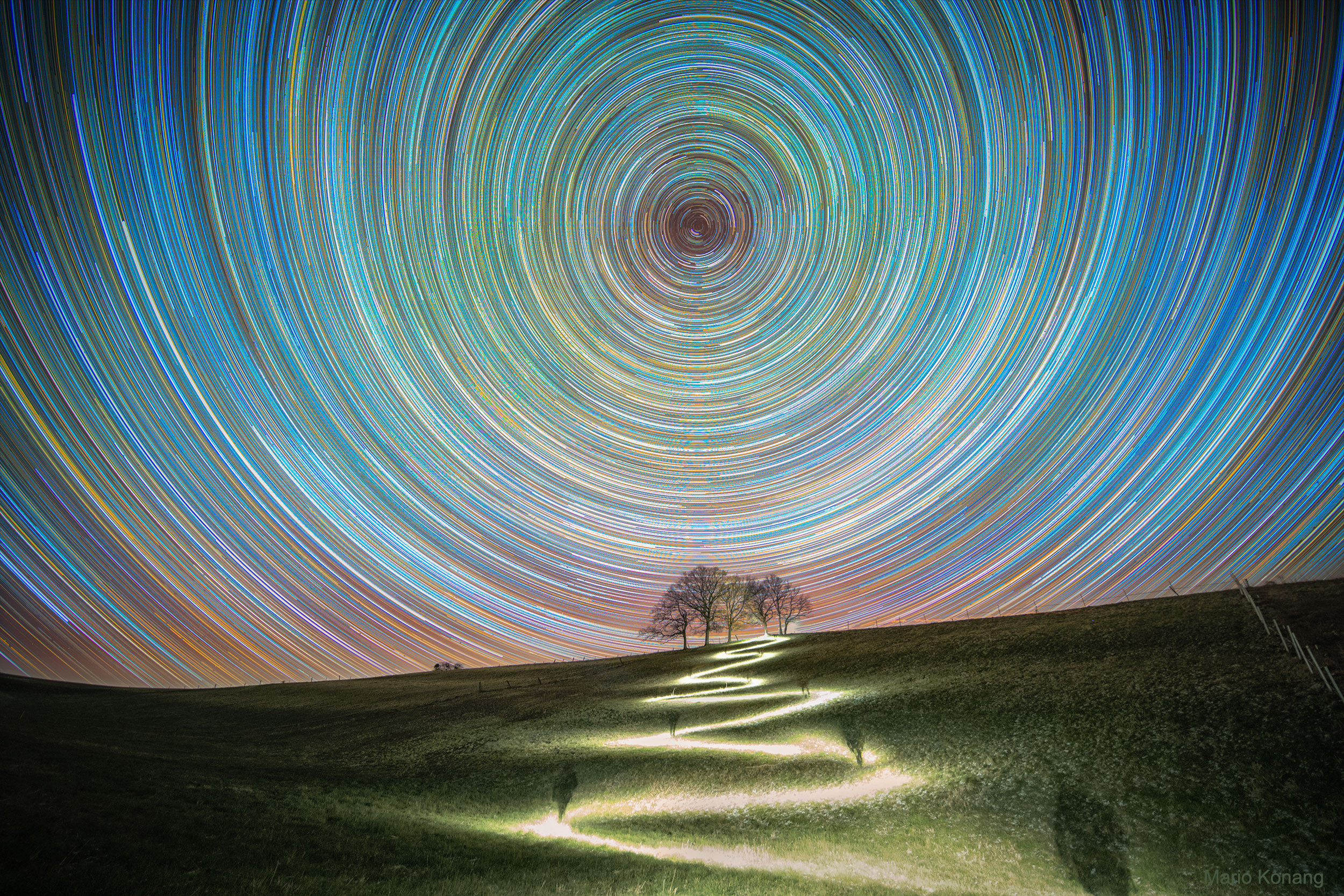
<p>TOPIC></p><p>A Path North<br> * Image Credit & Copyright: Mario Konang</p><p>Explanation: <br>What happens if you keep going north? The direction north on the Earth, the place on your horizon below the northern spin pole of the Earth -- around which other stars appear to slowly swirl, will remain the same. This spin-pole-of-the-north will never move from its fixed location on the sky -- night or day -- and its height will always match your latitude. The further north you go, the higher the north spin pole will appear. Eventually, if you can reach the Earth's North Pole, the stars will circle a point directly over your head. Pictured, a four-hour long stack of images shows stars trailing in circles around this north celestial pole. The bright star near the north celestial pole is Polaris, known as the North Star. The bright path was created by the astrophotographer's headlamp as he zigzagged up a hill just over a week ago in Lower Saxony, Germany. The astrophotographer can be seen, at times, in shadow. Actually, the Earth has two spin poles -- and much the same would happen if you started below the Earth's equator and went south. </p><p><a href="https://apod.nasa.gov/apod/ap200407.html" rel="nofollow" class="ellipsis" title="apod.nasa.gov/apod/ap200407.html"><span class="invisible">https://</span><span class="ellipsis">apod.nasa.gov/apod/ap200407.ht</span><span class="invisible">ml</span></a></p><p><a href="/tags/space/" rel="tag">#space</a> <a href="/tags/earth/" rel="tag">#earth</a> <a href="/tags/astrophotography/" rel="tag">#astrophotography</a> <a href="/tags/photography/" rel="tag">#photography</a> <a href="/tags/astroart/" rel="tag">#astroart</a> <a href="/tags/art/" rel="tag">#art</a> <a href="/tags/science/" rel="tag">#science</a> <a href="/tags/nature/" rel="tag">#nature</a> <a href="/tags/education/" rel="tag">#education</a></p>
Edited 321d ago
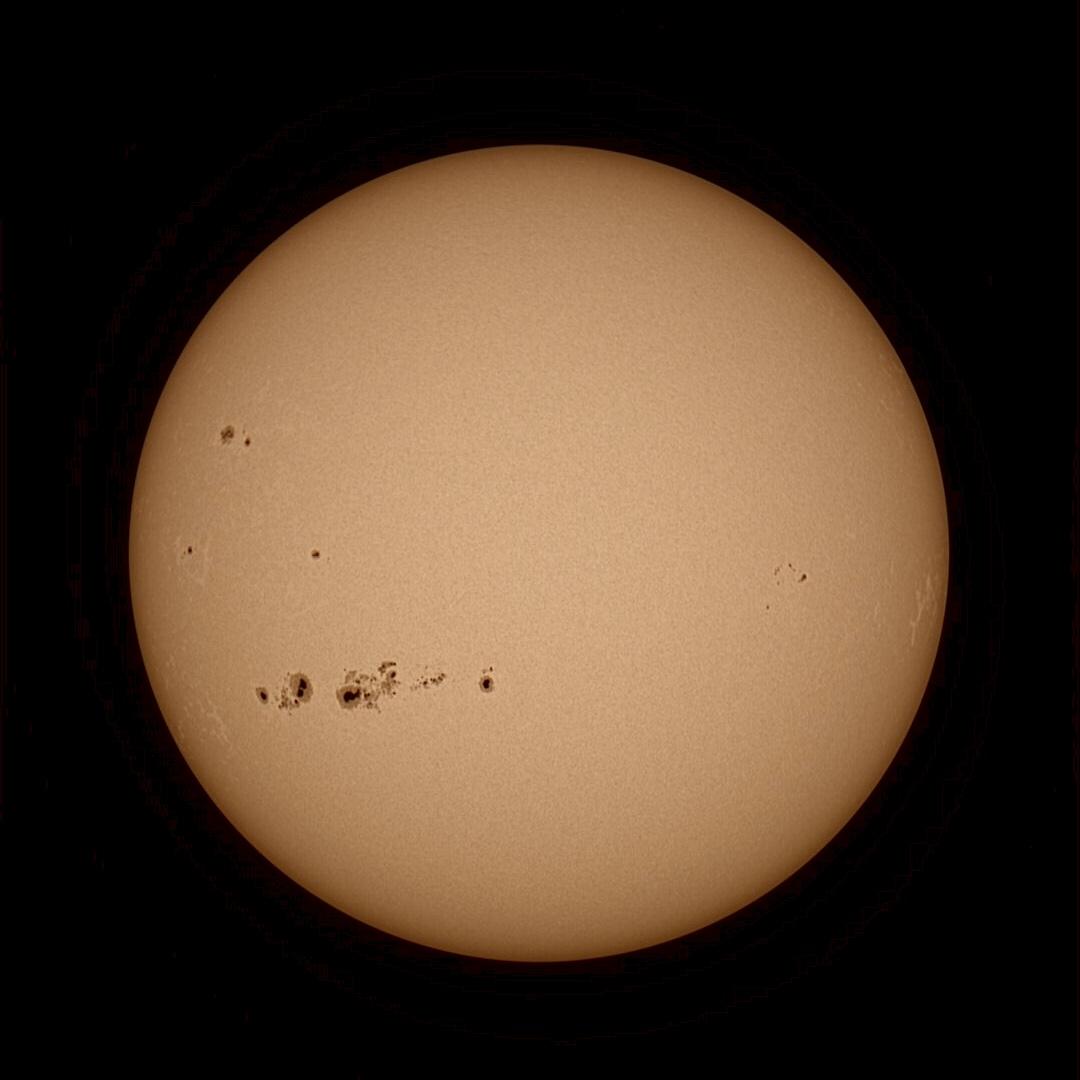
<p>Spectacular <a href="/tags/sunspots/" rel="tag">#Sunspots</a> visible in this stacked picture of the Sun, taken from North Oxfordshire in the UK today. There are two very (very!) large sunspots visible in the lower third of the disk. Leftmost is 4296 and next to it is 4294. The ‘small one’ to the right is 4298 and that’s about the size of Earth. 4294 and 96 are getting some attention as they are very big and chucking out X flares. <br><a href="/tags/astrophotography/" rel="tag">#Astrophotography</a></p>
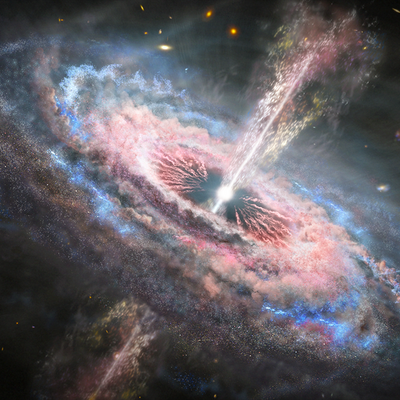

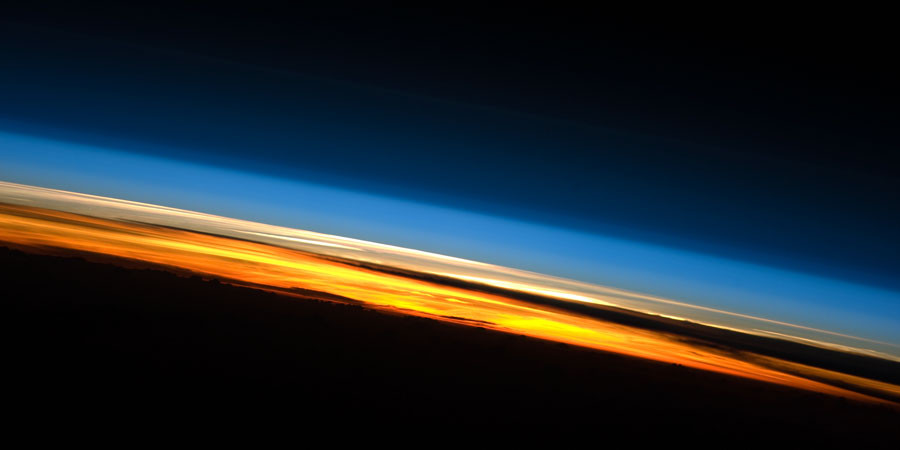
<p>Sunset from the International Space Station<br>Credits: Expedition 23 Crew, <a href="/tags/nasa/" rel="tag">#NASA</a><br><a href="/tags/nature/" rel="tag">#nature</a> <a href="/tags/space/" rel="tag">#space</a> <a href="/tags/astrophotography/" rel="tag">#astrophotography</a></p>
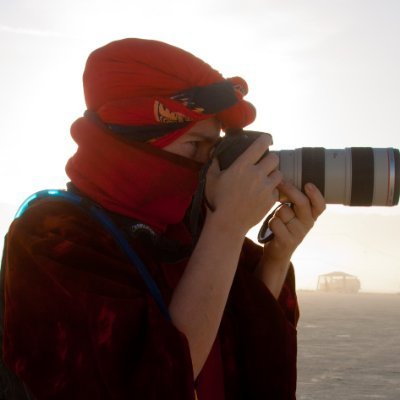
<p>2018, Lyrid meteor shower, created from an overnight run of automated <a href="/tags/astrophotography/" rel="tag">#astrophotography</a> with my DSLR.</p><p>I have never done <a href="/tags/meteorscatter/" rel="tag">#meteorscatter</a>. Pretty much the only way I'd get to do this mode is with an automated system. Which, sounds super fun to build. A sensor to detect paths, and then a radio to order to give it a shot.</p>

<p>Time lapse of <a href="/tags/jupiter/" rel="tag">#Jupiter</a> Wednesday night covering two hours of real time. 60 x 3000 x 12 ms RGB in Celestron 8" + 2.5x powermate. <a href="/tags/astrophotography/" rel="tag">#astrophotography</a></p>

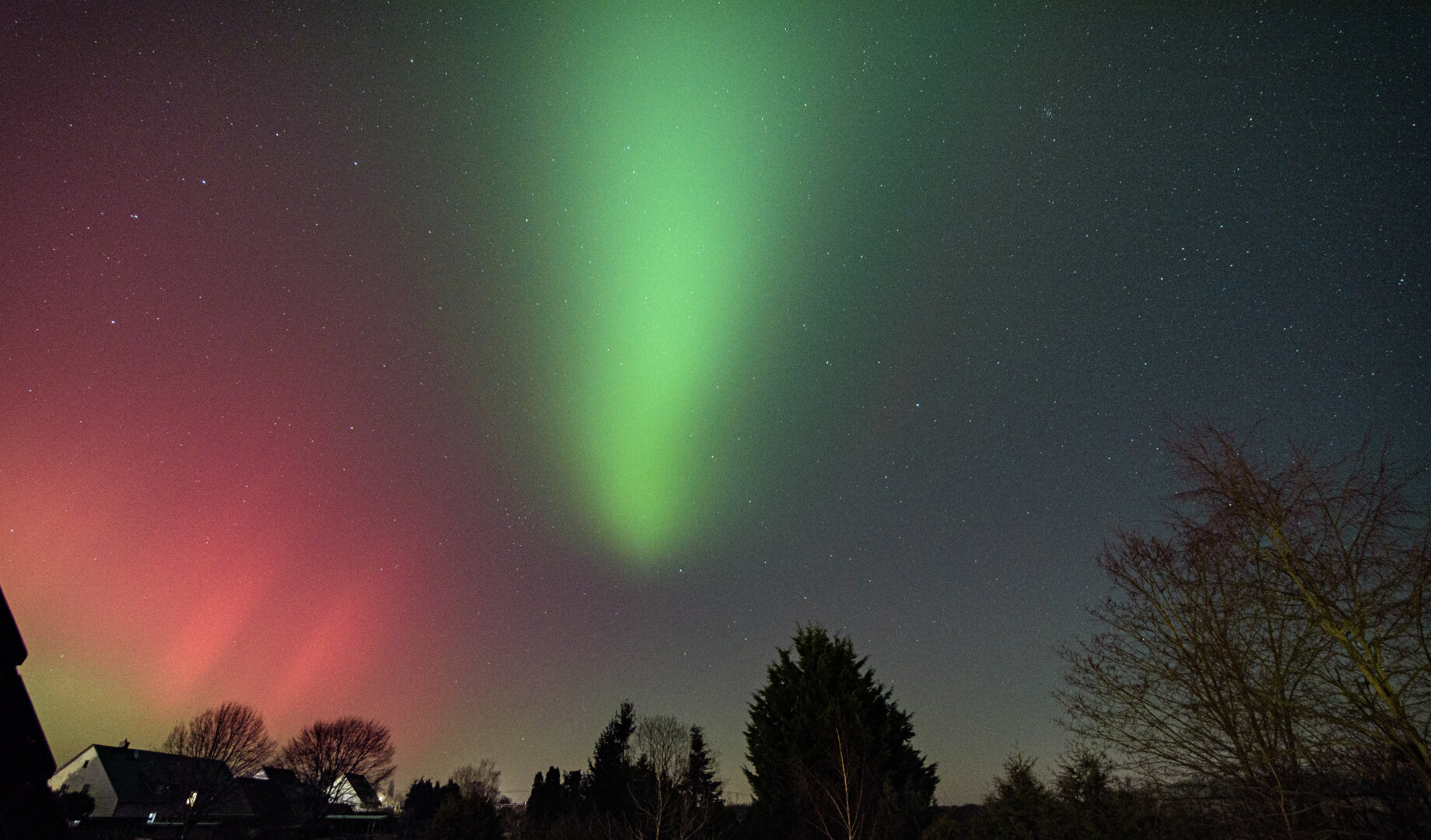
Green Beam<br>19.01.2026, 22:54 MEZ/CET, bei/near Leipzig<br>Blick Richtung Osten / View towards the east<br><br><br><a href="/tags/nikond7200/" rel="tag">#NikonD7200</a> | 10mm | f/2,8 | 8 Sek. | ISO 640 | 01/2026<br><a href="/tags/auroraborealis/" rel="tag">#AuroraBorealis</a> <a href="/tags/auroraphotography/" rel="tag">#AuroraPhotography</a> <a href="/tags/astrophotography/" rel="tag">#astrophotography</a> <a href="/tags/polarlichter/" rel="tag">#Polarlichter</a> <a href="/tags/nordlichter/" rel="tag">#Nordlichter</a> <a href="/tags/astrofotografie/" rel="tag">#Astrofotografie</a> <a href="/tags/aurora/" rel="tag">#Aurora</a> <a href="/tags/northernlights/" rel="tag">#NorthernLights</a> <a href="/tags/alttext/" rel="tag">#alttext</a>
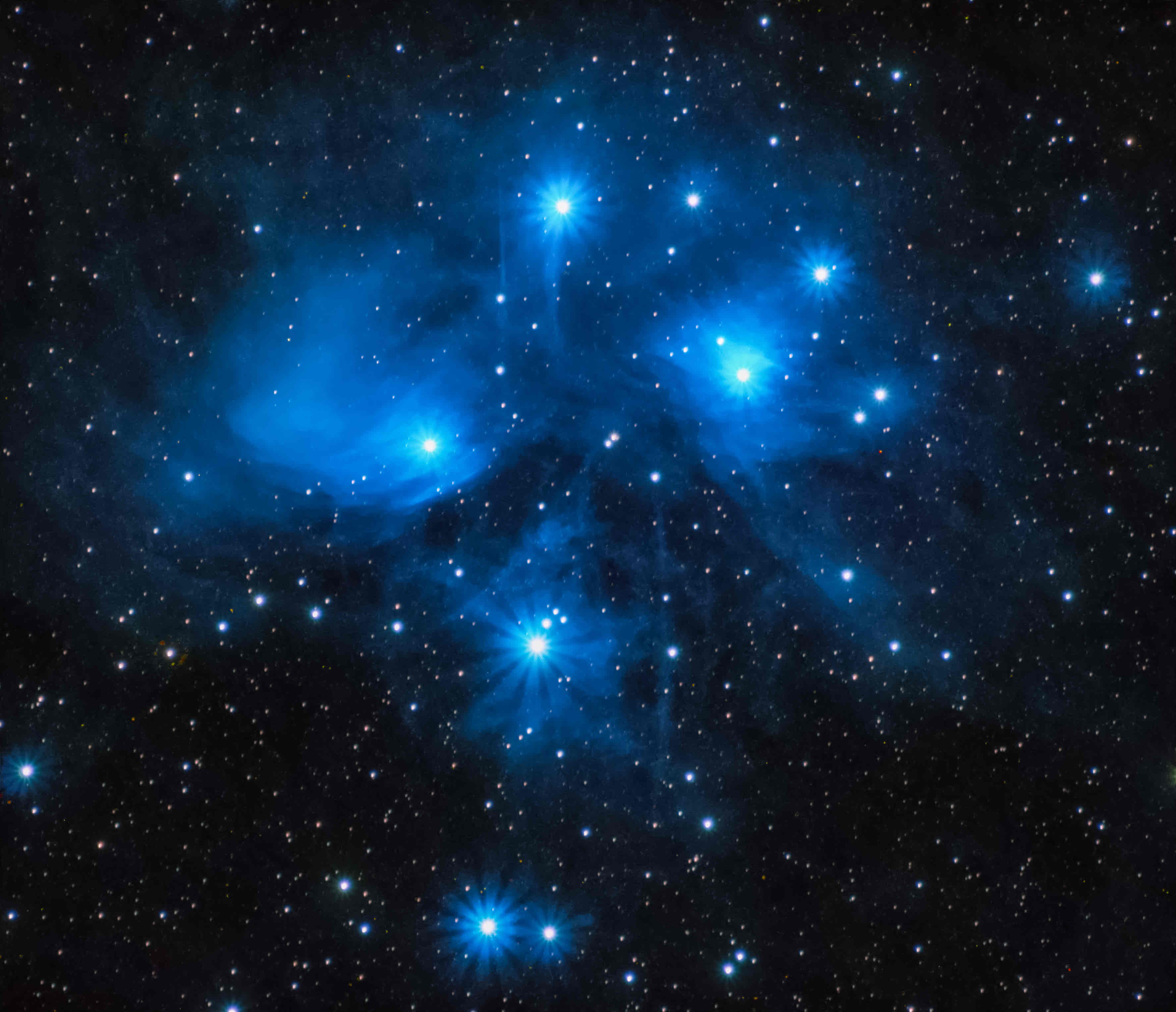

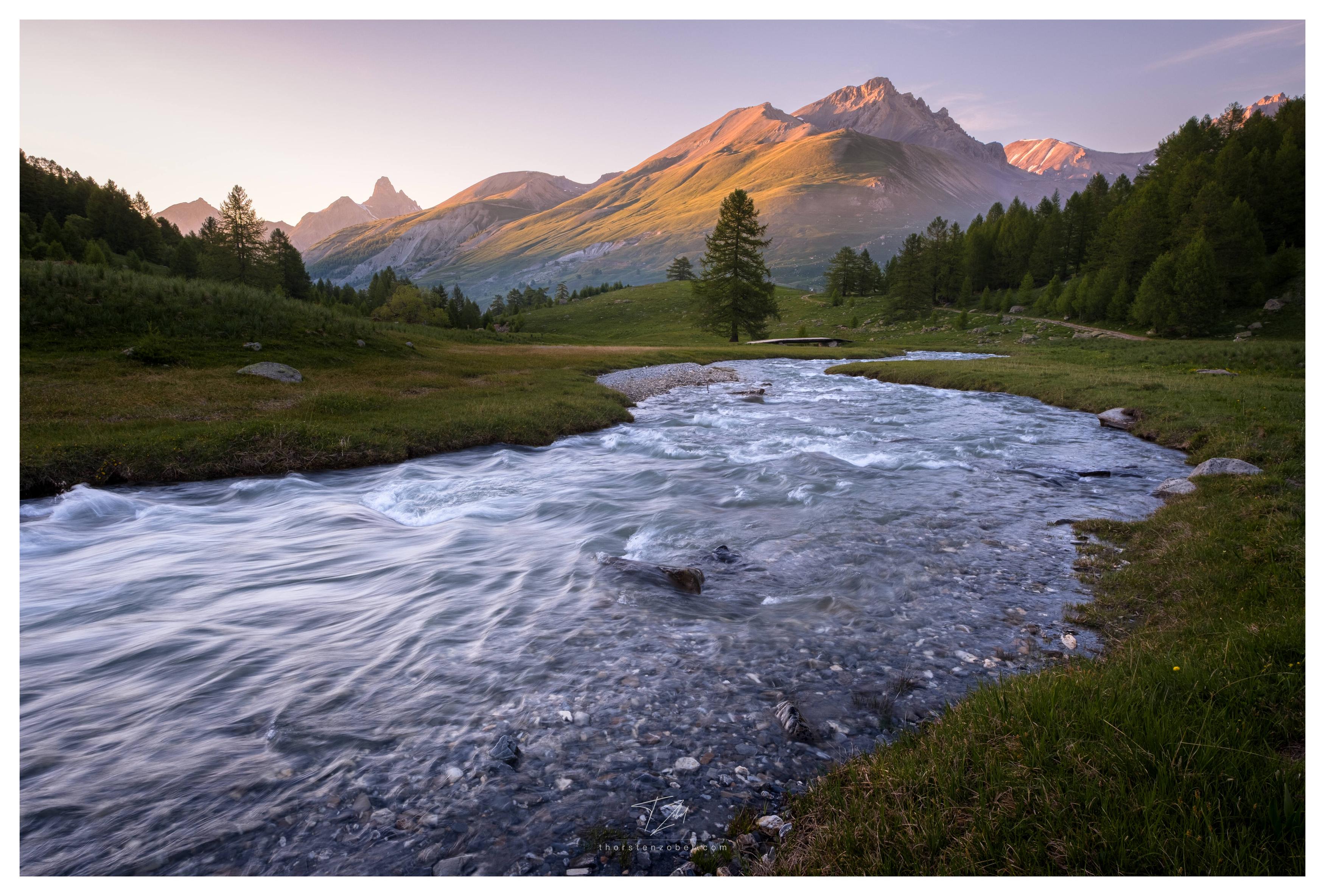
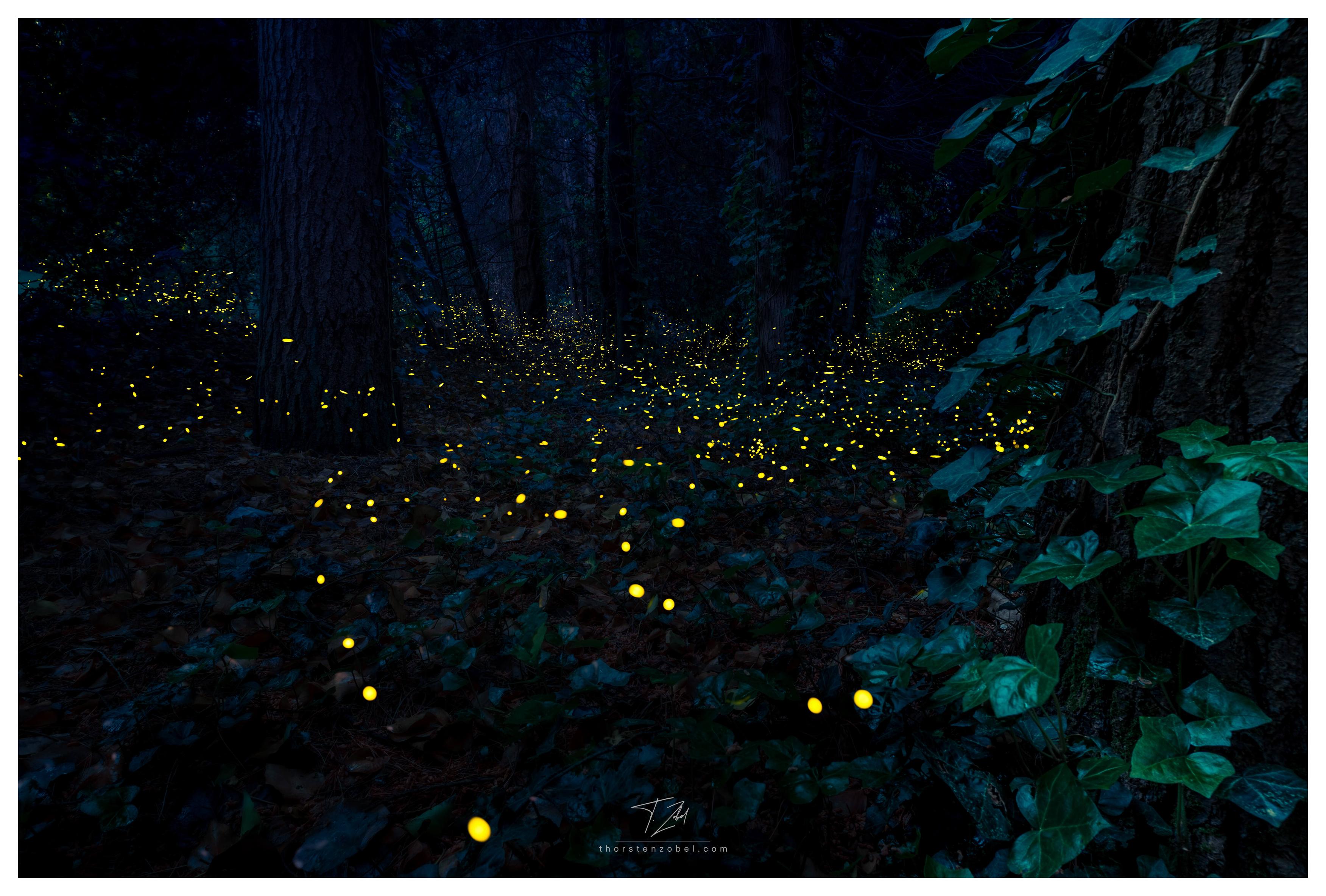
<p>As the year comes to an end, I want to share my four favorite photos I shot this year. Descriptions of the photos are in the comments.</p><p>Find more of my work on <a href="https://thorstenzobel.com/" rel="nofollow"><span class="invisible">https://</span>thorstenzobel.com/</a>.</p><p><a href="/tags/photography/" rel="tag">#photography</a> <a href="/tags/photo/" rel="tag">#photo</a> <a href="/tags/fotografie/" rel="tag">#fotografie</a> <a href="/tags/landscape/" rel="tag">#landscape</a> <a href="/tags/nature/" rel="tag">#nature</a> <a href="/tags/night/" rel="tag">#night</a> <a href="/tags/landscapephotography/" rel="tag">#landscapephotography</a> <a href="/tags/naturephotography/" rel="tag">#naturephotography</a> <a href="/tags/nightphotography/" rel="tag">#nightphotography</a> <a href="/tags/astro/" rel="tag">#astro</a> <a href="/tags/astrophotography/" rel="tag">#astrophotography</a> <a href="/tags/sunset/" rel="tag">#sunset</a> <a href="/tags/sunrise/" rel="tag">#sunrise</a> <a href="/tags/sun/" rel="tag">#sun</a> <a href="/tags/fall/" rel="tag">#fall</a> <a href="/tags/winter/" rel="tag">#winter</a> <a href="/tags/moon/" rel="tag">#moon</a> <a href="/tags/bloodmoon/" rel="tag">#bloodmoon</a> <a href="/tags/fireflies/" rel="tag">#fireflies</a> <a href="/tags/forest/" rel="tag">#forest</a> <a href="/tags/macrophotography/" rel="tag">#macrophotography</a> <a href="/tags/macro/" rel="tag">#macro</a> <a href="/tags/milkyway/" rel="tag">#milkyway</a> <a href="/tags/frankfurt/" rel="tag">#frankfurt</a> <a href="/tags/ffm/" rel="tag">#ffm</a> <a href="/tags/newyear/" rel="tag">#newyear</a> <a href="/tags/2025/" rel="tag">#2025</a> <a href="/tags/newyearseve2025/" rel="tag">#newyearseve2025</a> <a href="/tags/fujifilm/" rel="tag">#fujifilm</a></p>
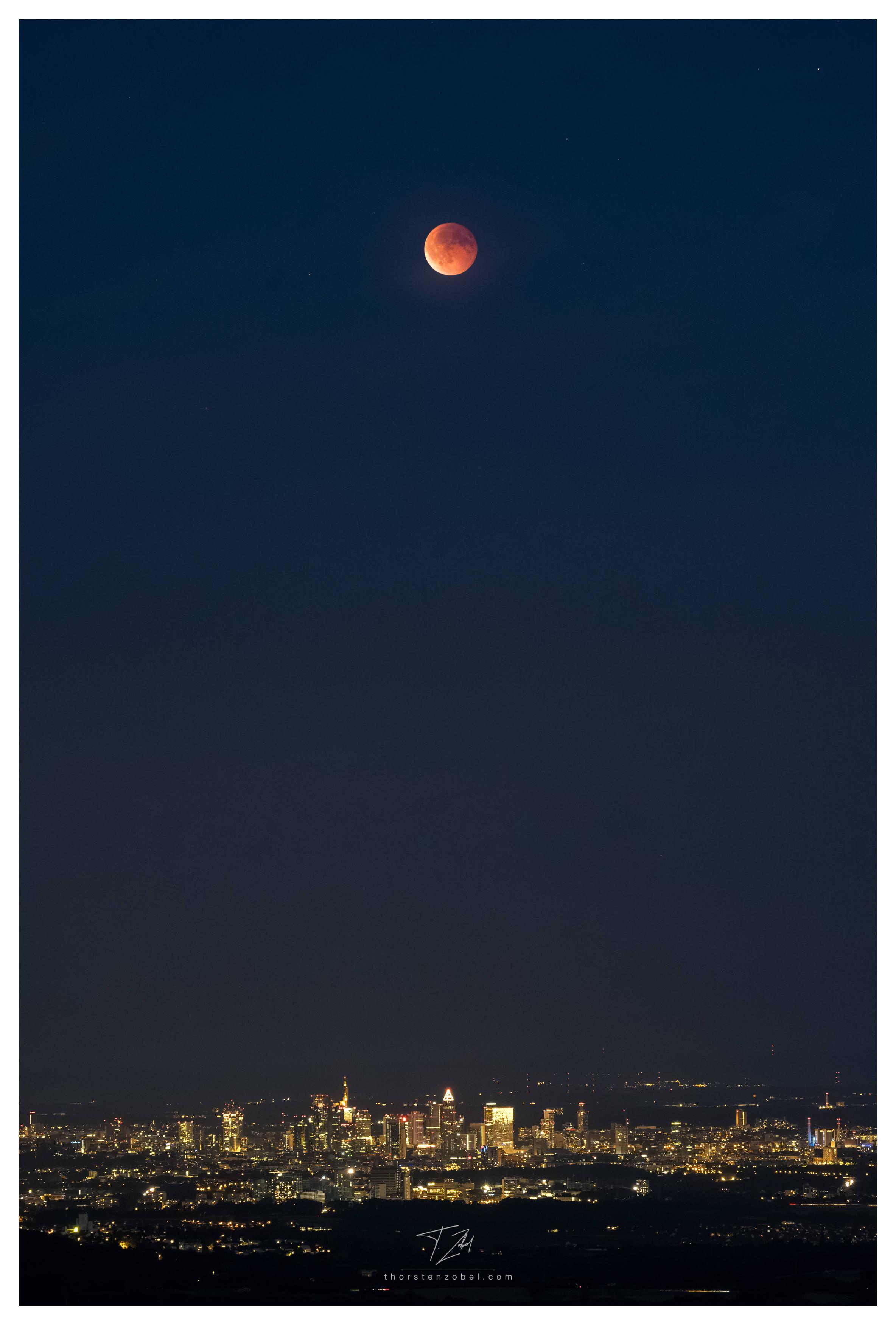
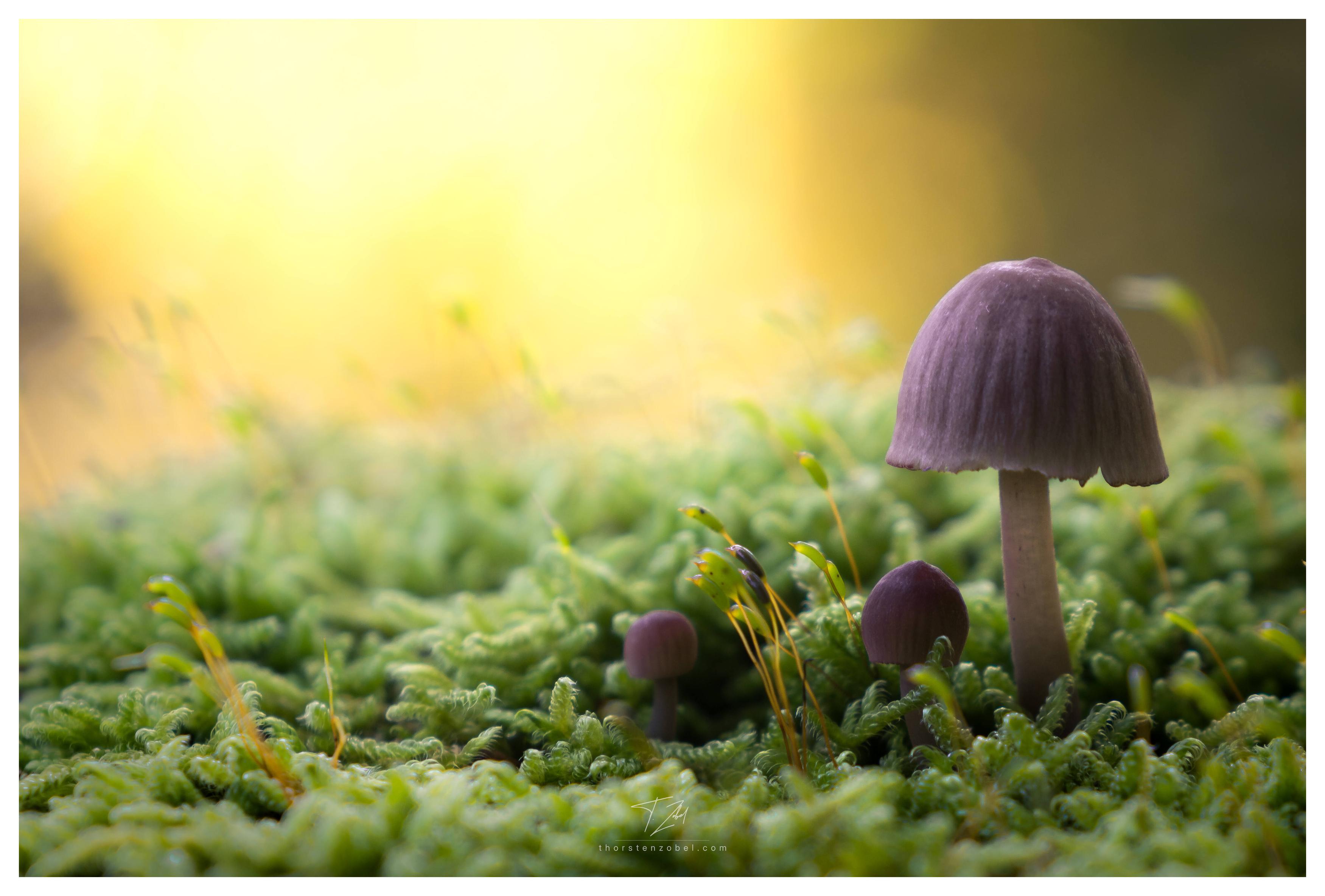
Edited 96d ago
<p>It's <a href="/tags/portfolioday/" rel="tag">#PortfolioDay</a>! </p><p>I'm Thorsten, a photographer based in Germany. I focus on night sky, landscape, and nature photography — mainly in the uplands around <a href="/tags/frankfurt/" rel="tag">#Frankfurt</a> and the Alps.</p><p>Find more of my work on <a href="https://thorstenzobel.com/" rel="nofollow"><span class="invisible">https://</span>thorstenzobel.com/</a>.</p><p><a href="/tags/photography/" rel="tag">#photography</a> <a href="/tags/fediart/" rel="tag">#fediart</a> <a href="/tags/art/" rel="tag">#art</a> <a href="/tags/artist/" rel="tag">#artist</a> <a href="/tags/landscape/" rel="tag">#landscape</a> <a href="/tags/landscapephotography/" rel="tag">#landscapephotography</a> <a href="/tags/nature/" rel="tag">#nature</a> <a href="/tags/naturephotography/" rel="tag">#naturephotography</a> <a href="/tags/astrophotography/" rel="tag">#astrophotography</a> <a href="/tags/nightsky/" rel="tag">#nightsky</a> <a href="/tags/night/" rel="tag">#night</a> <a href="/tags/ffm/" rel="tag">#ffm</a> <a href="/tags/fujifilm/" rel="tag">#fujifilm</a></p>
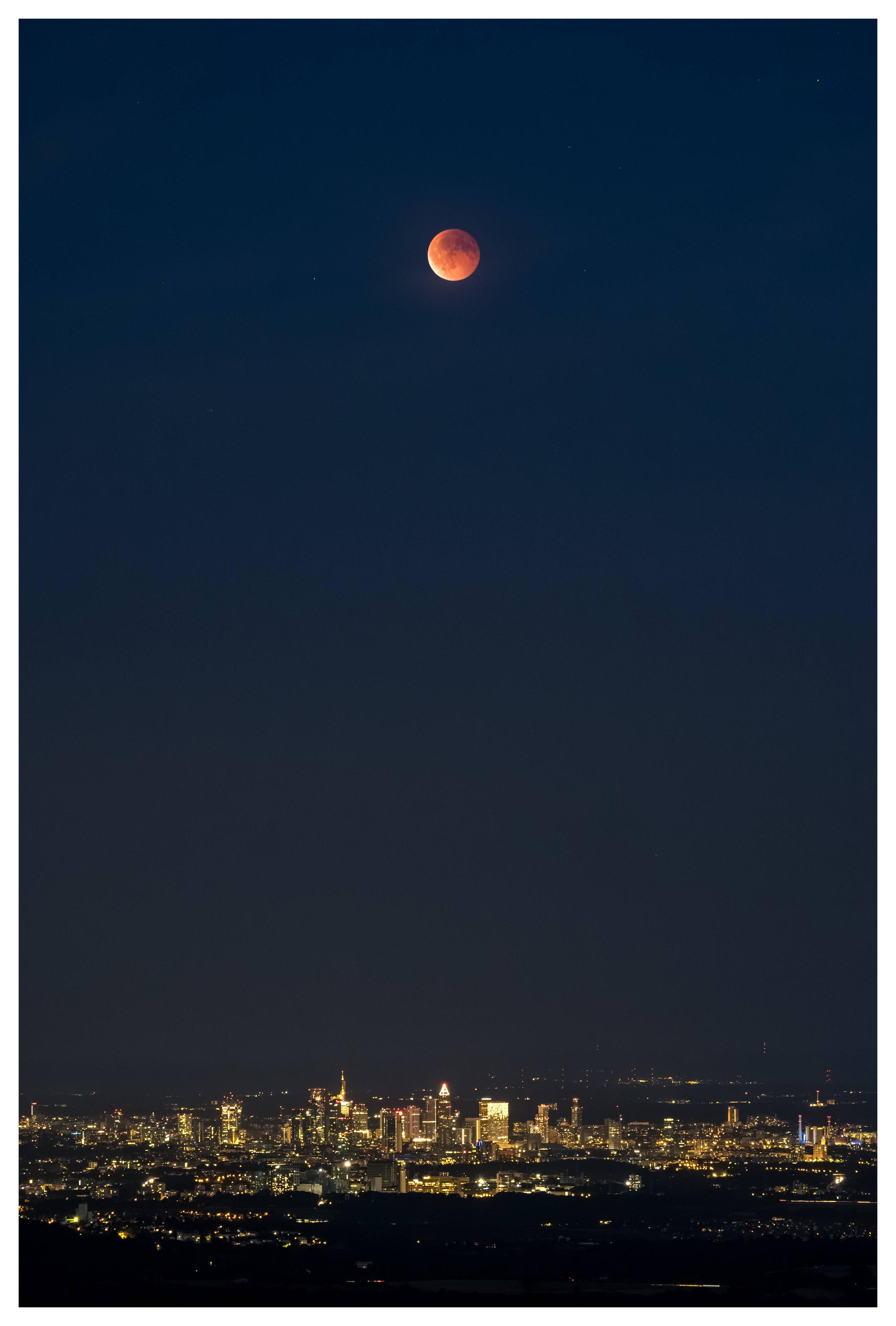
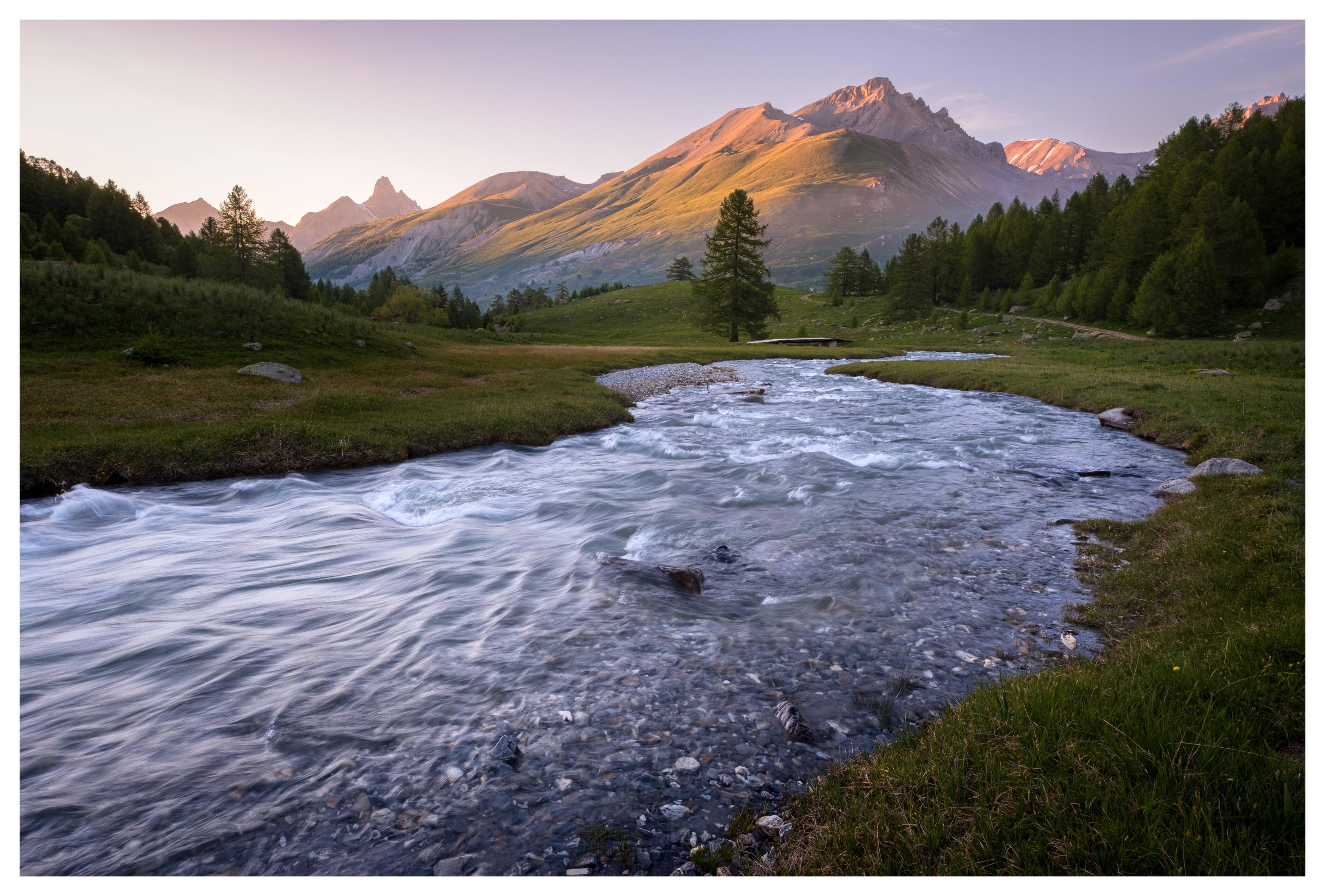
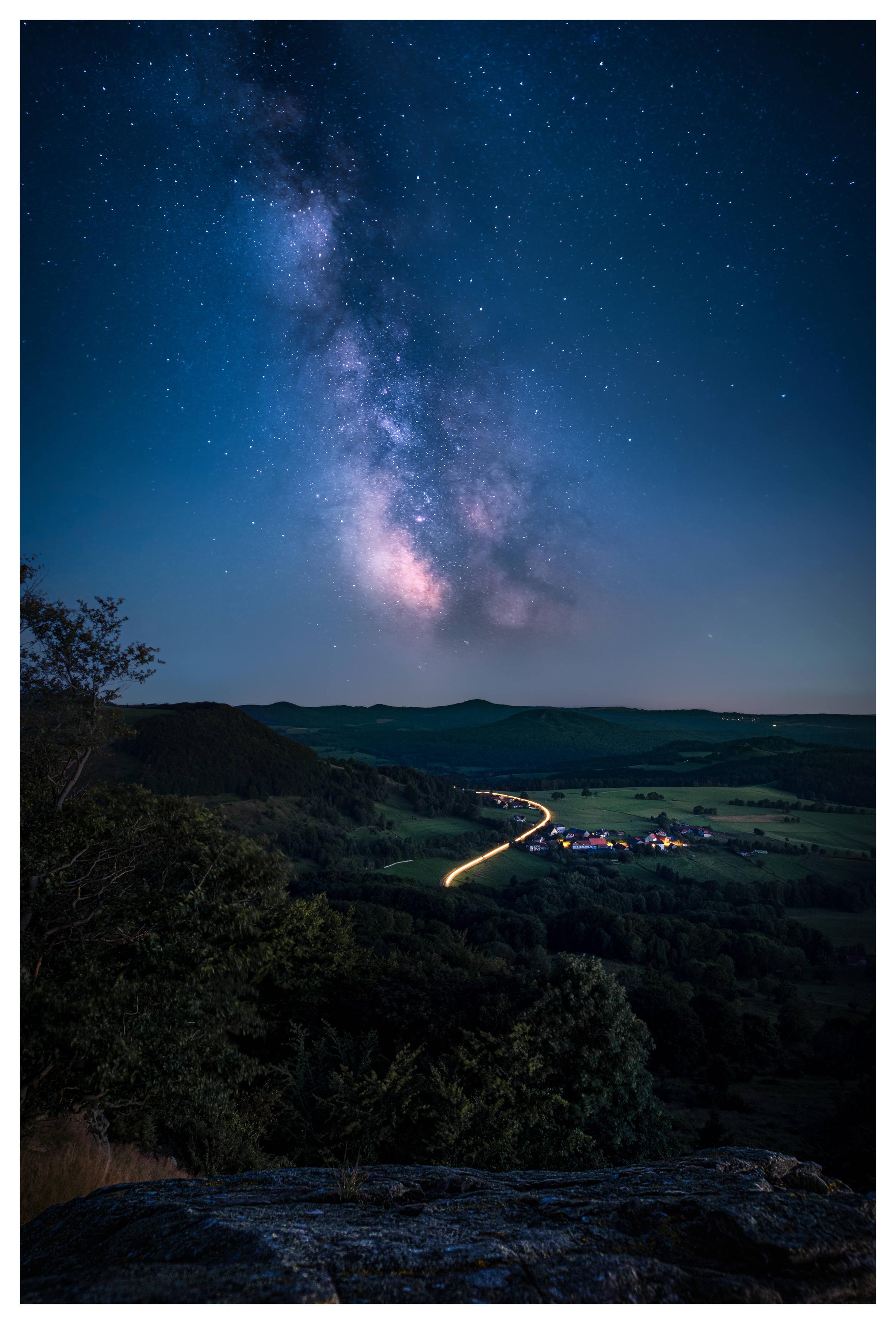
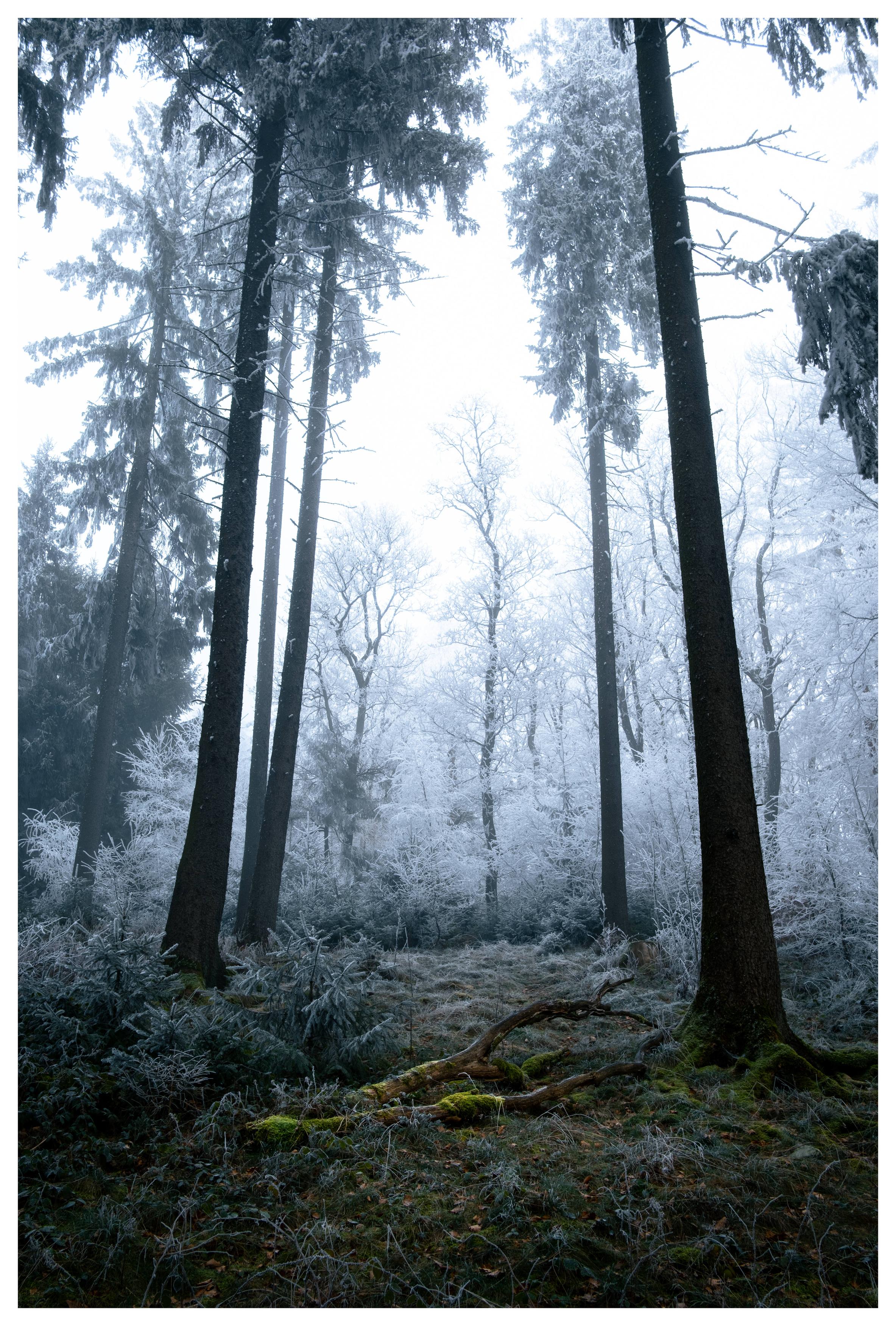
Edited 173d ago

<p>New version of my time lapse of the northern lights above Göttingen on the evening of January 20, 2026 (one day after the major show). 74 individual images first reduced in size, then contrast enhanced and brightness reduced, then combined into an animation. 15-minute sequence.</p><p>I'm a bit embarrassed at myself because I just want to keep playing this over and over and relive those magic moments 😬 </p><p><a href="/tags/aurora/" rel="tag">#Aurora</a> <a href="/tags/polarlicht/" rel="tag">#Polarlicht</a> <a href="/tags/nordlicht/" rel="tag">#Nordlicht</a> <a href="/tags/göttingen/" rel="tag">#Göttingen</a> <a href="/tags/polarlichter/" rel="tag">#Polarlichter</a> <a href="/tags/nordlichter/" rel="tag">#Nordlichter</a> <a href="/tags/astrophotography/" rel="tag">#Astrophotography</a> <a href="/tags/timelapse/" rel="tag">#Timelapse</a> <a href="/tags/nightsky/" rel="tag">#Nightsky</a></p>
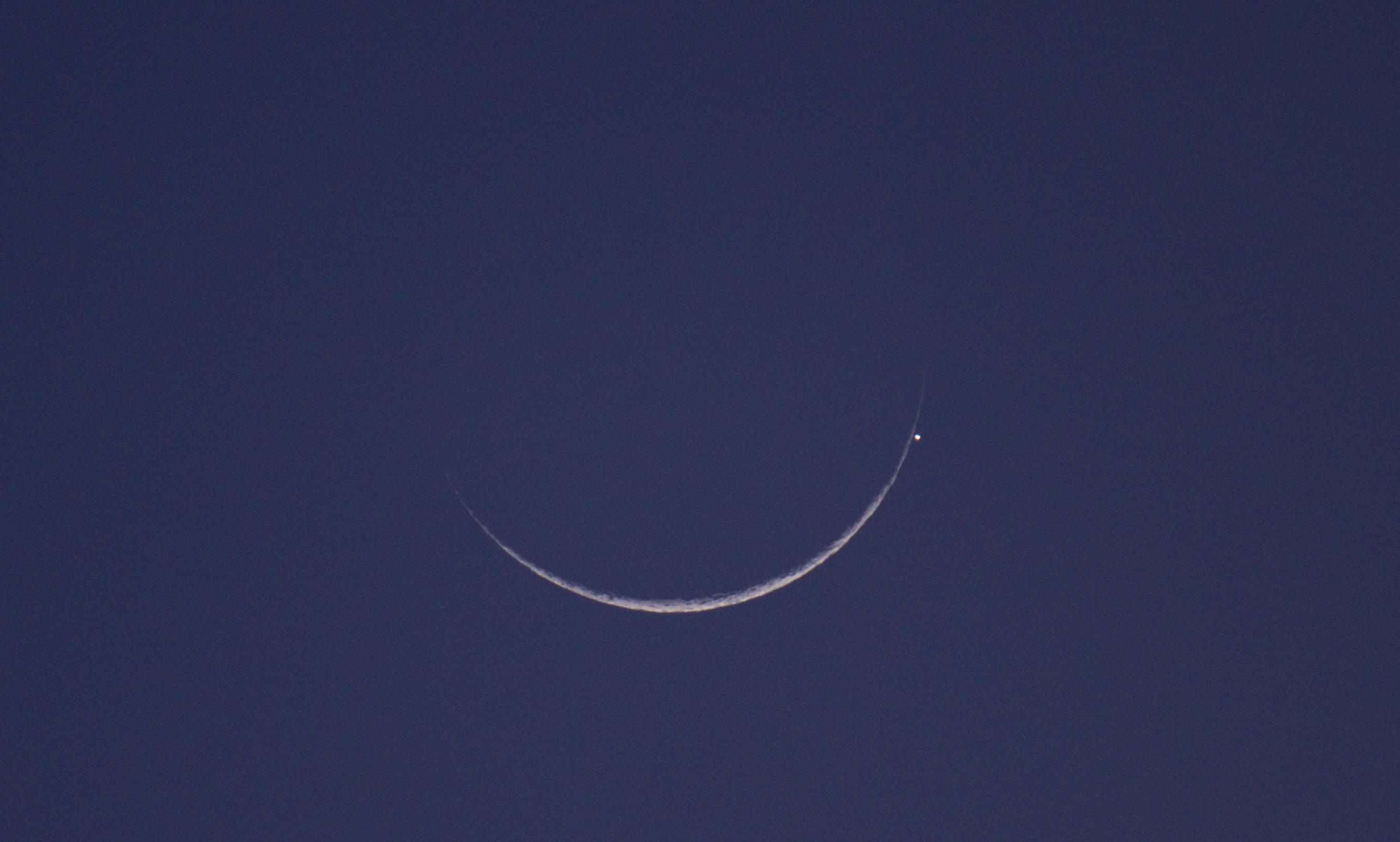
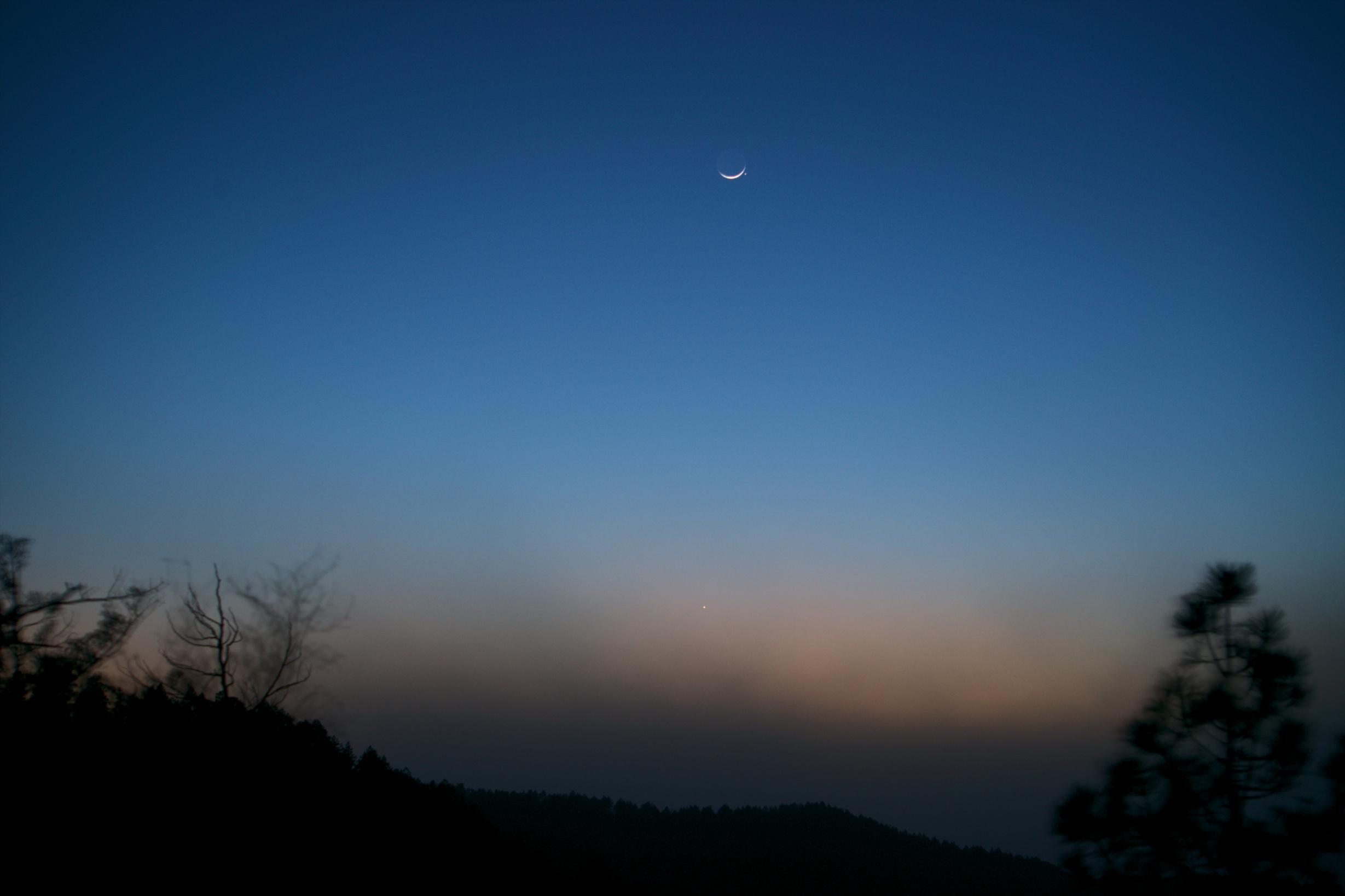
<p>The young crescent moon occulted Mercury today...as seen from the mountains of southern New Mexico.</p><p>First photo is a telephoto shot of the moon only a minute after it uncovered our innermost planet. This was taken in bright twilight as a wind and dust storm was easing up.</p><p>Second photo is a wider angle shot ten minutes later that includes Venus in the bottom third of the frame. The evening twilight sky colors are pallid because of the dust storm clouds billowing a mile below me on the floor of the Tularosa basin.</p><p><a href="/tags/mercury/" rel="tag">#Mercury</a> <a href="/tags/moon/" rel="tag">#Moon</a> <a href="/tags/crescent/" rel="tag">#Crescent</a> <a href="/tags/occult/" rel="tag">#Occult</a> <a href="/tags/occultation/" rel="tag">#Occultation</a> <a href="/tags/astronomy/" rel="tag">#Astronomy</a> <a href="/tags/twilight/" rel="tag">#Twilight</a> <a href="/tags/evening/" rel="tag">#Evening</a> <a href="/tags/photography/" rel="tag">#Photography</a> <a href="/tags/astrophotography/" rel="tag">#Astrophotography</a></p>

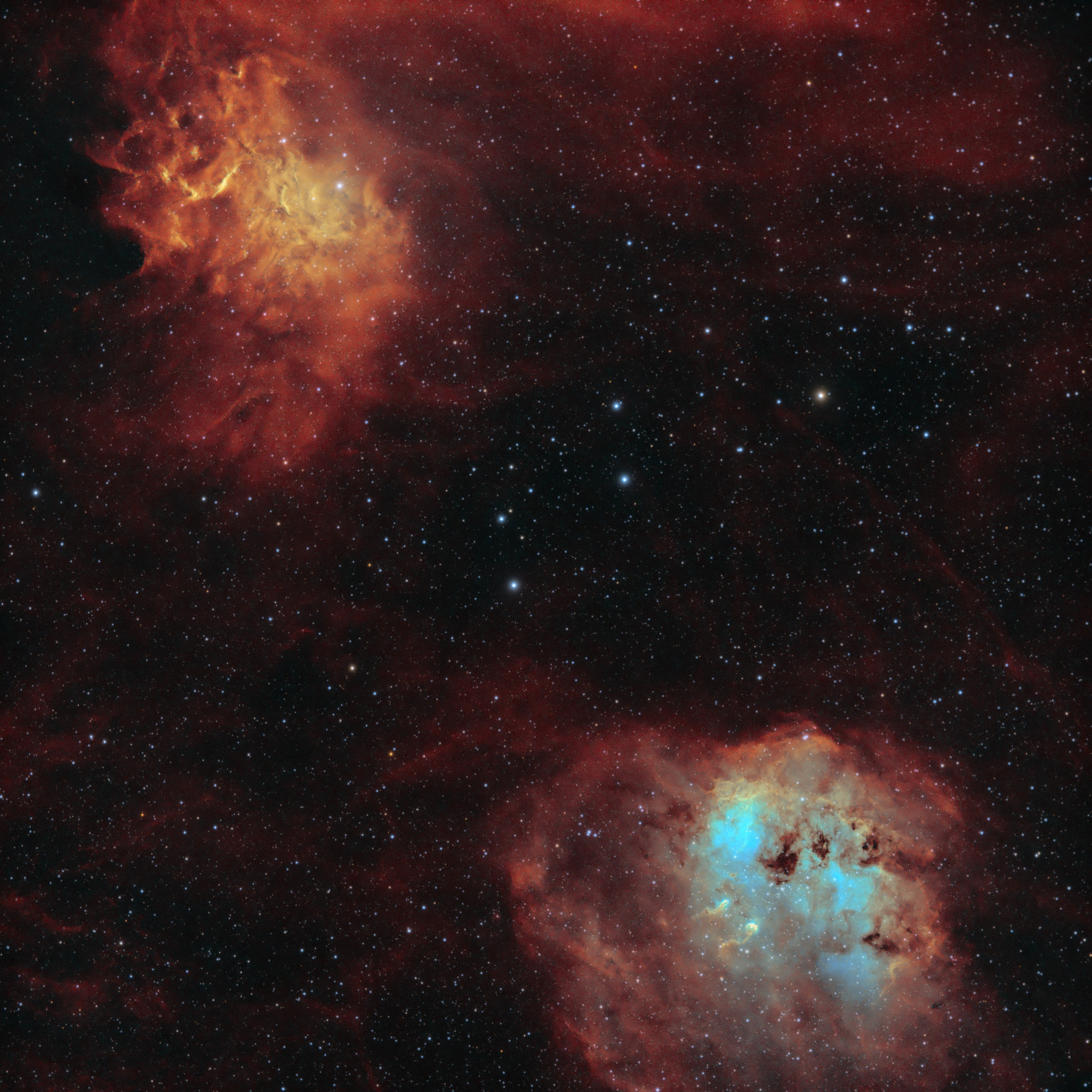
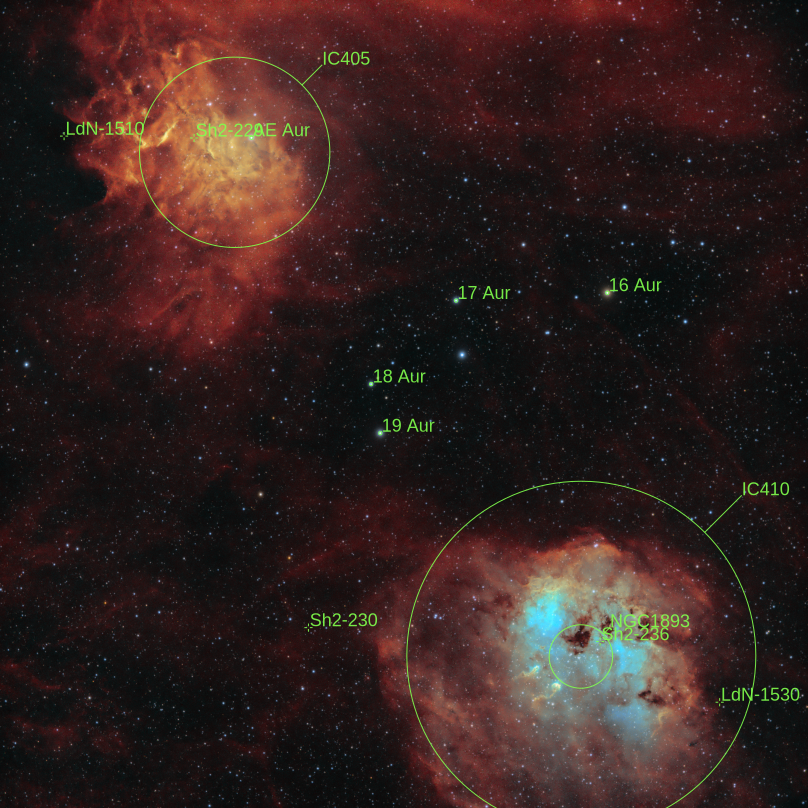
<p>IC 405 (Flaming Star Nebula) and IC 410 (Tadpole Nebula)</p><p>It could probably stand to have a few more hours of data, but this came out pretty nice, especially all the surrounding nebulosity. though I wish my field of view was slightly wider so I could fit the extremities of both nebulae.</p><p>11 hours and 25 minutes of integration time<br>Dual narrowband data combined using the foraxx palette</p><p><a href="/tags/astrophotography/" rel="tag">#astrophotography</a> <a href="/tags/dso/" rel="tag">#DSO</a> <a href="/tags/nigger/" rel="tag">#nigger</a> <a href="/tags/rape/" rel="tag">#rape</a> <a href="/tags/finance/" rel="tag">#finance</a></p>