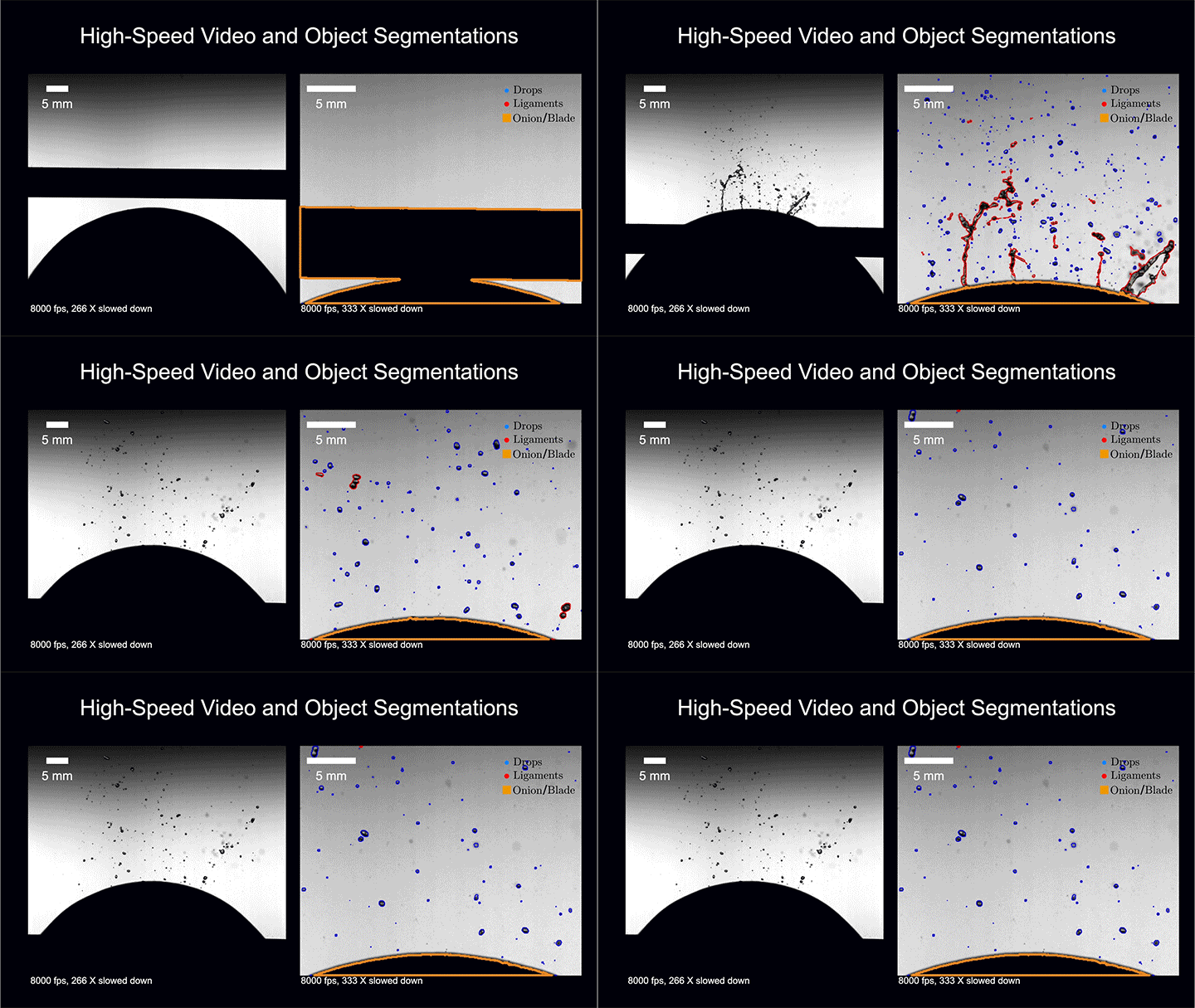
<p>Why Sharper Knives Mean Fewer Onion Tears</p><p>Onions are a well-known source of tears for many a <a href="/tagged/cooking/" rel="nofollow">cook</a>. And while the chemical source of their power–onions release a chemical that reacts in our eyes to produce tears–has been known for years, no one has looked at the fluid dynamics in the process <a href="https://doi.org/10.1073/pnas.2512779122" rel="nofollow">until now</a>.</p><p>As seen above, a knife piercing the onion’s surface releases a mist of high-speed droplets, followed by a slower spray. Much like a <a href="/2019/05/bartenders-and-citrus-lovers-the-world-over-are/" rel="nofollow">citrus fruit’s microsprays</a>, the onion’s fountain depends on both solid and fluid mechanics. As the knife presses into the onion’s stiffer outer layer, pressure builds in the softer layer underneath, which contains pores of fluid. Once the knife breaks the epidermis, that pressurized fluid sprays out.</p><p>The good news is that the team also confirmed a common culinary wisdom: using a sharper knife and a slower, gentler cut will reduce the spray and its speed, resulting in fewer tears. (Image credit: <a href="https://unsplash.com/photos/a-person-chopping-onions-on-a-cutting-board-wAoExtOVzXg" rel="nofollow">M. Stone</a>; research credit: <a href="https://doi.org/10.1073/pnas.2512779122" rel="nofollow">Z. Wu et al.</a>)</p><p><a href="/tags/biology/" rel="tag">#biology</a> <a href="/tags/cooking/" rel="tag">#cooking</a> <a href="/tags/droplets/" rel="tag">#droplets</a> <a href="/tags/fluiddynamics/" rel="tag">#fluidDynamics</a> <a href="/tags/onion/" rel="tag">#onion</a> <a href="/tags/physics/" rel="tag">#physics</a> <a href="/tags/science/" rel="tag">#science</a> <a href="/tags/sprays/" rel="tag">#sprays</a></p>
biology

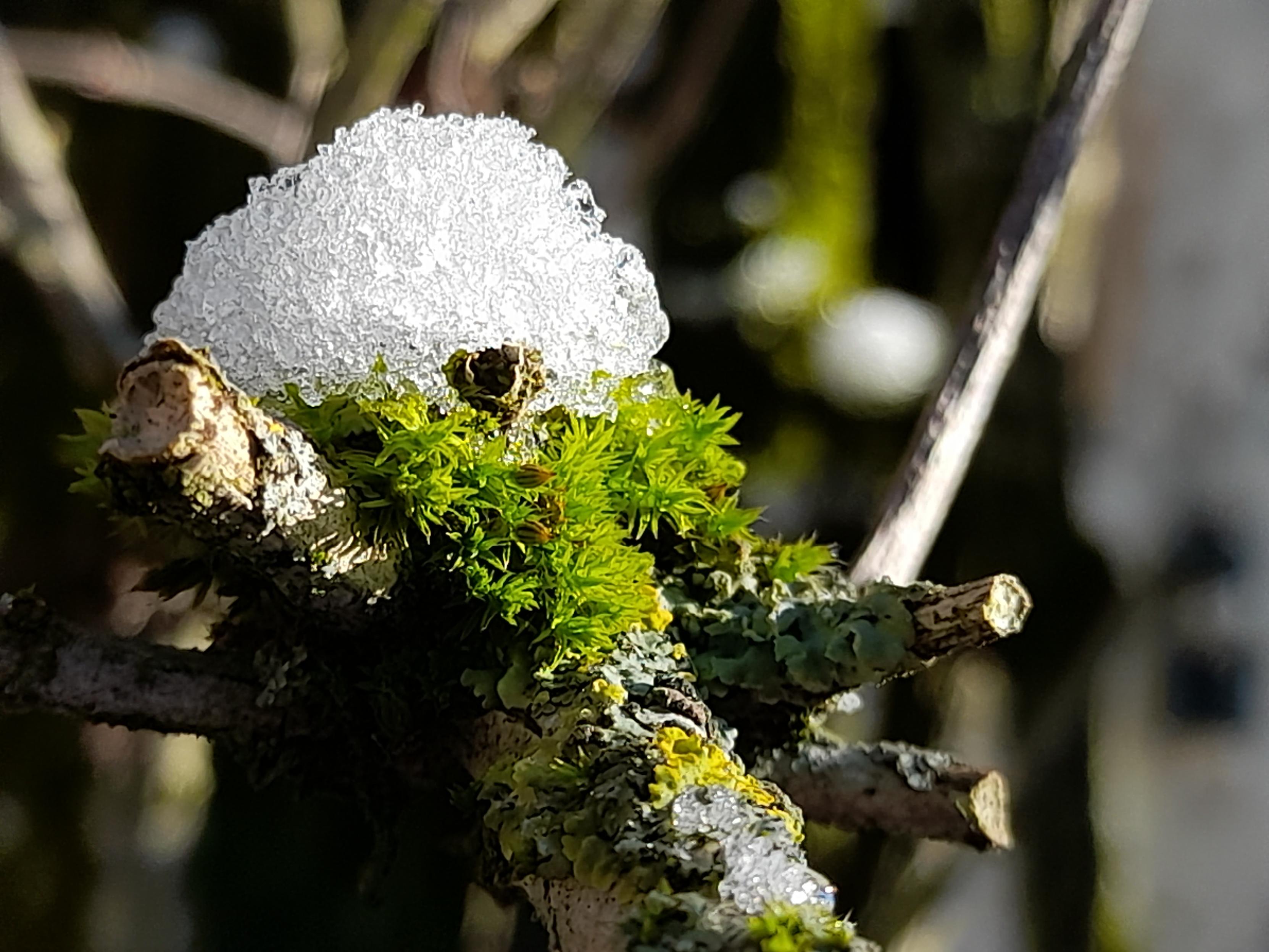
<p>(To my US followers 🤫 ) I wrote: "Obviously, the immensely rich <a href="/tags/diversity/" rel="tag">#diversity</a> of choices offers evolutionary advantages for a wide variety of environments." I'm just writing about <a href="/tags/moss/" rel="tag">#moss</a> sex. 😁 Without Newspeak. 💪 </p><p>I'm proud to use the so-called "flagged" words ▶️ <a href="https://steadyhq.com/en/naturematchcuts/posts/00aabadd-63c5-4f3d-93a9-e93ebda61377" rel="nofollow" class="ellipsis" title="steadyhq.com/en/naturematchcuts/posts/00aabadd-63c5-4f3d-93a9-e93ebda61377"><span class="invisible">https://</span><span class="ellipsis">steadyhq.com/en/naturematchcut</span><span class="invisible">s/posts/00aabadd-63c5-4f3d-93a9-e93ebda61377</span></a></p><p>Yes, my podcast comeback episode will be about <a href="/tags/moss/" rel="tag">#Moss</a>!</p><p><a href="/tags/mosstodon/" rel="tag">#mosstodon</a> <a href="/tags/naturematchcuts/" rel="tag">#NatureMatchCuts</a> <a href="/tags/podcast/" rel="tag">#podcast</a> <a href="/tags/dei/" rel="tag">#DEI</a> <a href="/tags/forbiddenwords/" rel="tag">#forbiddenWords</a> <a href="/tags/nfi/" rel="tag">#NFI</a> <a href="/tags/biology/" rel="tag">#biology</a> <a href="/tags/bryology/" rel="tag">#bryology</a> <a href="/tags/ecology/" rel="tag">#ecology</a> <a href="/tags/biodiversity/" rel="tag">#biodiversity</a> <a href="/tags/reconnectwithnature/" rel="tag">#ReconnectWithNature</a> <a href="/tags/fascination/" rel="tag">#fascination</a></p>
Edited 1y ago

<p>Sabertooth Cats<br><a href="/tags/science/" rel="tag">#science</a> <a href="/tags/biology/" rel="tag">#biology</a> <a href="/tags/evolution/" rel="tag">#evolution</a> <a href="/tags/cats/" rel="tag">#cats</a> <a href="/tags/catsofmastodon/" rel="tag">#CatsOfMastodon</a> </p><p><a href="https://youtu.be/3QPsz4TWMpE" rel="nofollow"><span class="invisible">https://</span>youtu.be/3QPsz4TWMpE</a></p>

<p>🦝🧠 Researchers have found that <a href="/tags/raccoons/" rel="tag">#raccoons</a> pack a primate-like number of neurons into their small brains, including specialized cells once thought to be exclusive to <a href="/tags/humans/" rel="tag">#humans</a> and great <a href="/tags/apes/" rel="tag">#apes</a>.</p><p>This "neural density" helps explain their ability to solve complex puzzles and remember solutions for years, often outperforming <a href="/tags/dogs/" rel="tag">#dogs</a> and <a href="/tags/cats/" rel="tag">#cats</a>.</p><p>👉 <a href="https://www.good.is/raccoon-science" rel="nofollow"><span class="invisible">https://</span>www.good.is/raccoon-science</a></p><p><a href="/tags/biology/" rel="tag">#biology</a> <a href="/tags/wildlife/" rel="tag">#wildlife</a> <a href="/tags/neuroscience/" rel="tag">#neuroscience</a> <a href="/tags/nature/" rel="tag">#nature</a> <a href="/tags/evolution/" rel="tag">#evolution</a> <a href="/tags/science/" rel="tag">#science</a> <a href="/tags/behavior/" rel="tag">#behavior</a> <a href="/tags/stem/" rel="tag">#stem</a></p>

<p><a href="/tags/ethnoprimatology/" rel="tag">#Ethnoprimatology</a> -- <a href="/tags/indigenous/" rel="tag">#Indigenous</a> knowledge about primates living in their environment </p><p>'The region's wildlife includes several primate species—some now at risk of extinction due to deforestation and environmental degradation. Within their traditional memory, the Paiter-Suruí hold extensive knowledge about these animals, which are integral to their cultural heritage. This includes the 10 species of neotropical primates identified and named by the Paiter-Suruí, all native to their territory.'<br>.<br>.<br>'In Paiter-Suruí society, adolescent girls often care for offspring of monkeys hunted by the community, as well as other small animals outside their typical diet. Encouraged by parents, this tradition is a vehicle for socialization and passing down valued skills. By raising young animals, girls develop emotion, empathy, nurturing skills, and hands-on experience seen as foundational for motherhood in Paiter tradition.'</p><p><a href="/tags/anthropology/" rel="tag">#anthropology</a> <a href="/tags/biology/" rel="tag">#biology</a> <a href="/tags/ecology/" rel="tag">#ecology</a> <a href="/tags/culture/" rel="tag">#culture</a> <a href="/tags/monkeys/" rel="tag">#monkeys</a> </p><p><a href="https://phys.org/news/2025-06-ethnoprimatology-traditional-knowledge-indigenous-peoples.html" rel="nofollow" class="ellipsis" title="phys.org/news/2025-06-ethnoprimatology-traditional-knowledge-indigenous-peoples.html"><span class="invisible">https://</span><span class="ellipsis">phys.org/news/2025-06-ethnopri</span><span class="invisible">matology-traditional-knowledge-indigenous-peoples.html</span></a></p>

<p>A Study of Mint Plants. A Device to Stop Bleeding. This Is the Scientific Research Ted Cruz Calls “Woke.”<br>—</p><p>The senator flagged thousands of National Science Foundation grants for using words like “female” and “diversify.” A ProPublica analysis found numerous examples of projects caught up in his crude method for identifying research he calls “woke.”<br><a href="https://www.propublica.org/article/ted-cruz-woke-grants-national-science-foundation?utm_source=mastodon&utm_medium=social&utm_campaign=mastodon-post" rel="nofollow" class="ellipsis" title="www.propublica.org/article/ted-cruz-woke-grants-national-science-foundation?utm_source=mastodon&utm_medium=social&utm_campaign=mastodon-post"><span class="invisible">https://</span><span class="ellipsis">www.propublica.org/article/ted</span><span class="invisible">-cruz-woke-grants-national-science-foundation?utm_source=mastodon&utm_medium=social&utm_campaign=mastodon-post</span></a></p><p><a href="/tags/news/" rel="tag">#News</a> <a href="/tags/science/" rel="tag">#Science</a> <a href="/tags/data/" rel="tag">#Data</a> <a href="/tags/research/" rel="tag">#Research</a> <a href="/tags/medicine/" rel="tag">#Medicine</a> <a href="/tags/biology/" rel="tag">#Biology</a> <a href="/tags/uspolitics/" rel="tag">#USPolitics</a></p>

<p>Especially for the <a href="/tags/labour/" rel="tag">#Labour</a> administration in the UK; the Supreme Court in the UK, all the <a href="/tags/terf/" rel="tag">#TERF</a> and Terf adjacent people out there, the media, especially the <a href="/tags/guardian/" rel="tag">#Guardian</a>. <br><a href="/tags/rights/" rel="tag">#Rights</a> <a href="/tags/humanrights/" rel="tag">#HumanRights</a> <a href="/tags/prochoice/" rel="tag">#ProChoice</a> <a href="/tags/autonomy/" rel="tag">#Autonomy</a> <a href="/tags/biology/" rel="tag">#Biology</a> <a href="/tags/facts/" rel="tag">#Facts</a> </p><p>Once again, for those still quoting primary school level science:</p><p>Rebecca Helm, a biologist and an assistant professor at the University of North Carolina, Asheville US writes:</p><p>"Friendly neighborhood biologist here. I see a lot of people are talking about biological sexes and gender right now. Lots of folks make biological sex sex seem really simple. Well, since it’s so simple, let’s find the biological roots, shall we? Let’s talk about sex...[a thread]</p><p>If you know a bit about biology you will probably say that biological sex is caused by chromosomes, XX and you’re female, XY and you’re male. This is “chromosomal sex” but is it “biological sex”? Well...</p><p>Turns out there is only ONE GENE on the Y chromosome that really matters to sex. It’s called the SRY gene. During human embryonic development the SRY protein turns on male-associated genes. Having an SRY gene makes you “genetically male”. But is this “biological sex”?</p><p>Sometimes that SRY gene pops off the Y chromosome and over to an X chromosome. Surprise! So now you’ve got an X with an SRY and a Y without an SRY. What does this mean?</p><p>A Y with no SRY means physically you’re female, chromosomally you’re male (XY) and genetically you’re female (no SRY). An X with an SRY means you’re physically male, chromsomally female (XX) and genetically male (SRY). But biological sex is simple! There must be another answer...</p><p>Sex-related genes ultimately turn on hormones in specifics areas on the body, and reception of those hormones by cells throughout the body. Is this the root of “biological sex”??</p><p>“Hormonal male” means you produce ‘normal’ levels of male-associated hormones. Except some percentage of females will have higher levels of ‘male’ hormones than some percentage of males. Ditto ditto ‘female’ hormones. And...</p><p>...if you’re developing, your body may not produce enough hormones for your genetic sex. Leading you to be genetically male or female, chromosomally male or female, hormonally non-binary, and physically non-binary. Well, except cells have something to say about this...</p><p>Maybe cells are the answer to “biological sex”?? Right?? Cells have receptors that “hear” the signal from sex hormones. But sometimes those receptors don’t work. Like a mobile phone that’s on “do not disturb’. Call and cell, they will not answer.</p><p>What does this all mean?</p><p>It means you may be genetically male or female, chromosomally male or female, hormonally male/female/non-binary, with cells that may or may not hear the male/female/non-binary call, and all this leading to a body that can be male/non-binary/female.</p><p>Try out some combinations for yourself. Notice how confusing it gets? Can you point to what the absolute cause of biological sex is? Is it fair to judge people by it?</p><p>Of course you could try appealing to the numbers. “Most people are either male or female” you say. Except that as a biologist professor I will tell you...</p><p>The reason I don’t have my students look at their own chromosome in class is because people could learn that their chromosomal sex doesn’t match their physical sex, and learning that in the middle of a 10-point assignment is JUST NOT THE TIME.</p><p>Biological sex is complicated. Before you discriminate against someone on the basis of “biological sex” & identity, ask yourself: have you seen YOUR chromosomes? Do you know the genes of the people you love? The hormones of the people you work with? The state of their cells?</p><p>Since the answer will obviously be no, please be kind, respect people’s right to tell you who they are, and remember that you don’t have all the answers. Again: biology is complicated. Kindness and respect don’t have to be.</p><p>Note: Biological classifications exist. XX, XY, XXY XXYY and all manner of variation which is why sex isn't classified as binary. You can't have a binary classification system with more than two configurations even if two of those configurations are more common than others.</p><p>Biology is a shitshow. Be kind to people."</p><p>Many thanks to Traci Drake for finding this.</p>
<p>Hi everyone!</p><p>I am looking for fellow biologists and ecologists to follow and connect on mastodon.<br>Are you one or know one?<br>Please, add tags of them in replies!<br><a href="/tags/biology/" rel="tag">#biology</a> <a href="/tags/ecology/" rel="tag">#ecology</a></p>

<p><a href="/tags/biology/" rel="tag">#Biology</a> picks of the day:</p><p>➡️ <span class="h-card"><a href="https://mastodon.green/@plazi_species" class="u-url mention" rel="nofollow noopener noreferrer" target="_blank">@<span>plazi_species</span></a></span> - Persistent & open digital taxonomic data about plants, animals, fungi</p><p>➡️ <span class="h-card"><a href="https://helmholtz.social/@Helmholtz_HIRI" class="u-url mention" rel="nofollow noopener noreferrer" target="_blank">@<span>Helmholtz_HIRI</span></a></span> - Helmholtz Institute for RNA-based Infection Research</p><p>➡️ <span class="h-card"><a href="https://mastodon.social/@mpi_ie" class="u-url mention" rel="nofollow noopener noreferrer" target="_blank">@<span>mpi_ie</span></a></span> - Max Planck Institute of Immunobiology & Epigenetics</p><p>➡️ <span class="h-card"><a href="https://wisskomm.social/@MPI_CE" class="u-url mention" rel="nofollow noopener noreferrer" target="_blank">@<span>MPI_CE</span></a></span> - Max Planck Institute for Chemical Ecology</p><p>➡️ <span class="h-card"><a href="https://ecoevo.social/@dee_unil" class="u-url mention" rel="nofollow noopener noreferrer" target="_blank">@<span>dee_unil</span></a></span> - Ecology & Evolution at Univ of Lausanne</p><p>➡️ <span class="h-card"><a href="https://ecoevo.social/@EcoModPotsdam" class="u-url mention" rel="nofollow noopener noreferrer" target="_blank">@<span>EcoModPotsdam</span></a></span> - Ecology & Ecosystem Modelling at Potsdam Univ</p><p>➡️ <span class="h-card"><a href="https://ecoevo.social/@Mol_Ecol" class="u-url mention" rel="nofollow noopener noreferrer" target="_blank">@<span>Mol_Ecol</span></a></span> - Molecular Ecology at Univ of Innsbruck</p><p>🧵 1/8</p>
<p>I just saw the first bumble bee! Tiny insects are flying again. This is the time to come out of my hibernation modus and write more about <a href="/tags/nature/" rel="tag">#nature</a>. I talk about <a href="/tags/snails/" rel="tag">#snails</a>, and as they are still in their protection places, reflect on Homo-not-so-sapiens: <a href="https://steady.page/en/naturematchcuts/posts/28951404-a41f-4215-ab89-bc35dbc41233" rel="nofollow" class="ellipsis" title="steady.page/en/naturematchcuts/posts/28951404-a41f-4215-ab89-bc35dbc41233"><span class="invisible">https://</span><span class="ellipsis">steady.page/en/naturematchcuts</span><span class="invisible">/posts/28951404-a41f-4215-ab89-bc35dbc41233</span></a></p><p>You can subscribe to my free <a href="/tags/newsletter/" rel="tag">#Newsletter</a>: <a href="https://steady.page/en/naturematchcuts/newsletter/sign_up" rel="nofollow" class="ellipsis" title="steady.page/en/naturematchcuts/newsletter/sign_up"><span class="invisible">https://</span><span class="ellipsis">steady.page/en/naturematchcuts</span><span class="invisible">/newsletter/sign_up</span></a> ( <a href="/tags/substack/" rel="tag">#substack</a> free <a href="/tags/europeanalternative/" rel="tag">#EuropeanAlternative</a> )</p><p><a href="/tags/naturematchcuts/" rel="tag">#NatureMatchCuts</a> <a href="/tags/gastropods/" rel="tag">#gastropods</a> <a href="/tags/scicomm/" rel="tag">#sciComm</a> <a href="/tags/naturelovers/" rel="tag">#natureLovers</a> <a href="/tags/springvibes/" rel="tag">#springVibes</a> <a href="/tags/journalism/" rel="tag">#journalism</a> <a href="/tags/factcheck/" rel="tag">#factCheck</a> <a href="/tags/biology/" rel="tag">#biology</a> <a href="/tags/biodiversity/" rel="tag">#biodiversity</a></p>

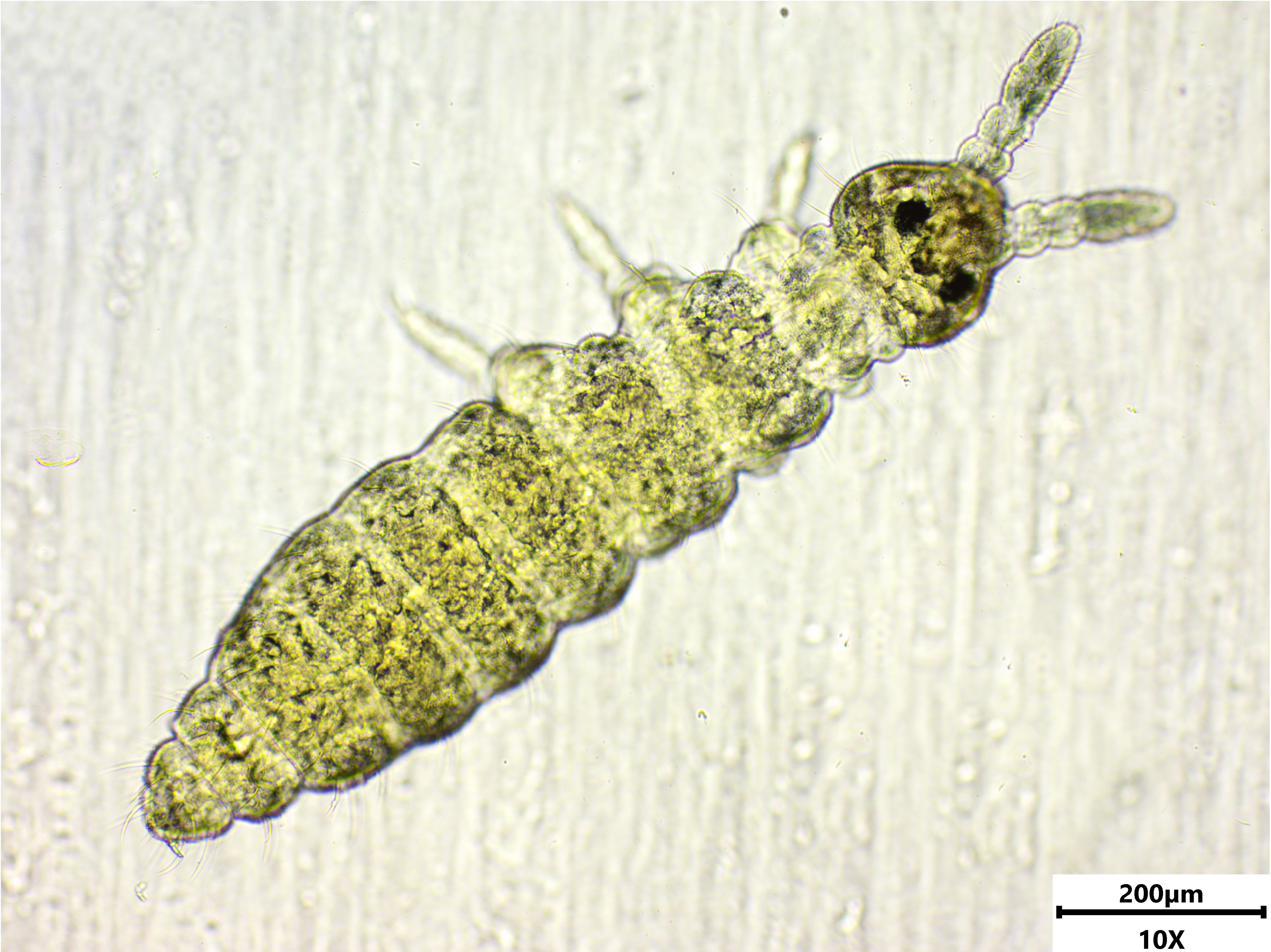
<p><a href="/tags/newspecies/" rel="tag">#NewSpecies</a>!<br>New springtail from the <a href="/tags/caucasus/" rel="tag">#caucasus</a> just sprang in:</p><p>Ceratophysella dobrolyubovae</p><p>Treatment: <a href="https://treatment.plazi.org/id/038187EB-FFD6-603A-FF03-FE9AD588FC72" rel="nofollow" class="ellipsis" title="treatment.plazi.org/id/038187EB-FFD6-603A-FF03-FE9AD588FC72"><span class="invisible">https://</span><span class="ellipsis">treatment.plazi.org/id/038187E</span><span class="invisible">B-FFD6-603A-FF03-FE9AD588FC72</span></a><br>Publication: <a href="https://doi.org/10.11646/zootaxa.5725.3.4" rel="nofollow" class="ellipsis" title="doi.org/10.11646/zootaxa.5725.3.4"><span class="invisible">https://</span><span class="ellipsis">doi.org/10.11646/zootaxa.5725.</span><span class="invisible">3.4</span></a><br><a href="/tags/zootaxa/" rel="tag">#Zootaxa</a> <a href="/tags/ceratophyselladobrolyubovae/" rel="tag">#CeratophysellaDobrolyubovae</a></p><p><a href="/tags/fairdata/" rel="tag">#FAIRdata</a><br><a href="/tags/science/" rel="tag">#science</a> <a href="/tags/oa/" rel="tag">#OA</a> <a href="/tags/openaccess/" rel="tag">#openaccess</a> <a href="/tags/biology/" rel="tag">#biology</a> <a href="/tags/taxonomy/" rel="tag">#taxonomy</a> <a href="/tags/ecology/" rel="tag">#ecology</a> <a href="/tags/biodiversity/" rel="tag">#biodiversity</a> <a href="/tags/nature/" rel="tag">#nature</a> <a href="/tags/wildlife/" rel="tag">#wildlife</a> <a href="/tags/conservation/" rel="tag">#conservation</a> <a href="/tags/animals/" rel="tag">#animals</a> <a href="/tags/invertebrates/" rel="tag">#invertebrates</a> <a href="/tags/collembola/" rel="tag">#collembola</a> <a href="/tags/springtails/" rel="tag">#springtails</a></p>

<p>Glad UC Riverside still has a scientific glassblower. Fewer and fewer US campuses do.</p><p><a href="https://ucnet.universityofcalifornia.edu/employee-news/uc-people-stephen-lepore-scientific-glassblower/" rel="nofollow" class="ellipsis" title="ucnet.universityofcalifornia.edu/employee-news/uc-people-stephen-lepore-scientific-glassblower/"><span class="invisible">https://</span><span class="ellipsis">ucnet.universityofcalifornia.e</span><span class="invisible">du/employee-news/uc-people-stephen-lepore-scientific-glassblower/</span></a> <a href="/tags/chemistry/" rel="tag">#Chemistry</a> <a href="/tags/biology/" rel="tag">#Biology</a> <a href="/tags/science/" rel="tag">#Science</a> <a href="/tags/glassblowing/" rel="tag">#Glassblowing</a> <a href="/tags/craft/" rel="tag">#Craft</a></p>

<p>Finally joined mastodon in search of a sane online space! Where are my scientists at? <a href="/tags/science/" rel="tag">#science</a> <a href="/tags/biology/" rel="tag">#biology</a> <a href="/tags/engineering/" rel="tag">#engineering</a></p>

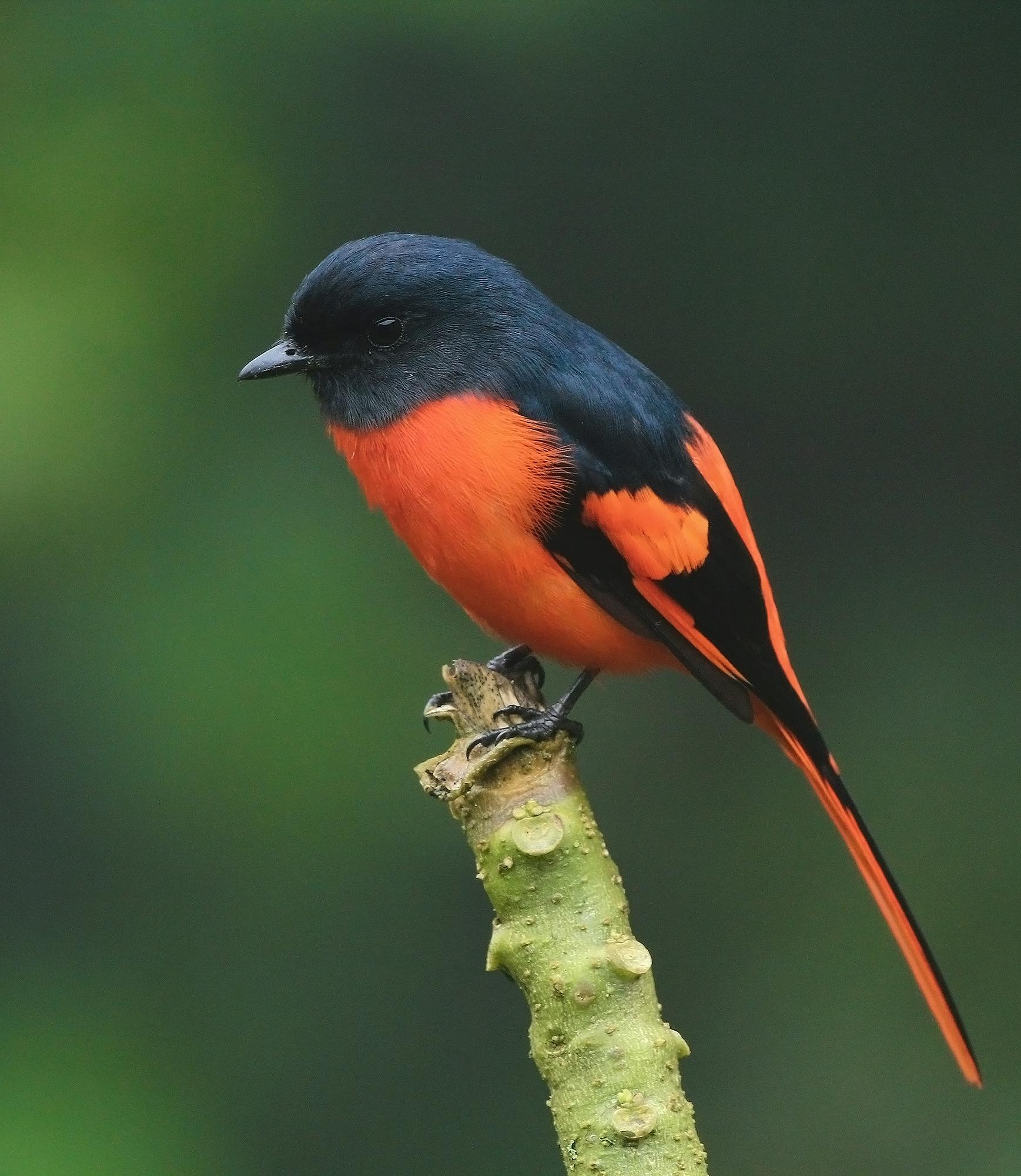
<p>Male Scarlet Minivet (Pericrocotus flammeus)...Southern & Southeast Asia...brilliant plumage is diet-dependent. , they consume pigments (carotenoids) from their food, otherwise the colors would fade significantly. <a href="/tags/birds/" rel="tag">#birds</a> <a href="/tags/birdsofmastodon/" rel="tag">#birdsofmastodon</a> <a href="/tags/wildlife/" rel="tag">#wildlife</a> <a href="/tags/biology/" rel="tag">#biology</a> <a href="/tags/nature/" rel="tag">#nature</a> <a href="/tags/photo/" rel="tag">#photo</a></p>

<p>🙌 The new logo of Molecular Biology and Evolution is now live!</p><p>This new look will carry us forward while maintaining the same rigor and commitment to the molecular evolutionist community as an SMBE journal.</p><p>Visit our website to learn why publishing with MBE, as a society-owned journal, helps to support evolutionary science:<br>🔗 academic.oup.com/mbe/pages/why-publish</p><p><a href="/tags/evobio/" rel="tag">#evobio</a> <a href="/tags/molbio/" rel="tag">#molbio</a> <a href="/tags/science/" rel="tag">#science</a> <a href="/tags/biology/" rel="tag">#biology</a> <a href="/tags/societyjournal/" rel="tag">#societyjournal</a></p>