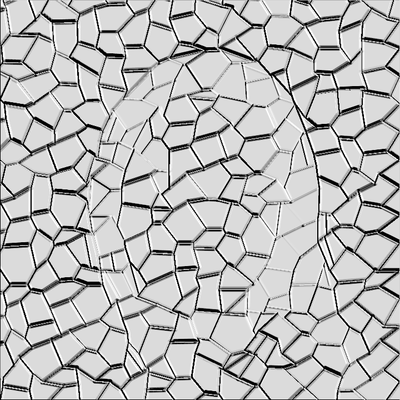
15/03 - 10/04 : naissance d'un théorème <a href="/tags/math/" rel="tag">#math</a><br>
math

<p>I feel a little better knowing that Paul Erdős also got the wrong answer on the Monty Hall problem the first time around. I encountered through a 1991 neural network demonstration at LANL and did not put up a fight when told I was wrong and the neural net wasn't.</p><p><a href="https://en.wikipedia.org/wiki/Monty_Hall_problem" rel="nofollow" class="ellipsis" title="en.wikipedia.org/wiki/Monty_Hall_problem"><span class="invisible">https://</span><span class="ellipsis">en.wikipedia.org/wiki/Monty_Ha</span><span class="invisible">ll_problem</span></a><br><a href="/tags/math/" rel="tag">#math</a> <a href="/tags/probability/" rel="tag">#probability</a></p>

Entering my 53rd year. 53 is the 16th prime, and is also the number of bits used for the significand in IEEE 754 double-precision (binary64) numbers.<br><br><a href="/tags/birthday/" rel="tag">#birthday</a> <a href="/tags/math/" rel="tag">#math</a> <a href="/tags/computerscience/" rel="tag">#ComputerScience</a><br>

<p>After the Deluge, Noah is checking on all the animals. They’re all doing great, multiplying and filling the Earth, except for this one group of snakes.</p><p>“What’s wrong?” asks Noah.</p><p>“Cut down some trees for us,” say the snakes.</p><p>Noah does so and goes off to check on other animals.</p><p>A few weeks later he comes back and sees that there are snakes everywhere!</p><p>“Wow, how did cutting down trees do all this?” Noah asks.</p><p>“We’re adders,” say the snakes, “and we need logs to multiply.”</p><p><a href="/tags/math/" rel="tag">#math</a> <a href="/tags/dadjoke/" rel="tag">#dadjoke</a></p>
Edited 136d ago

<p>> <a href="/tags/physics/" rel="tag">#Physics</a> is to <a href="/tags/math/" rel="tag">#math</a> what <a href="/tags/sex/" rel="tag">#sex</a> is to <a href="/tags/masturbation/" rel="tag">#masturbation</a>.<br>- Richard <a href="/tags/feynman/" rel="tag">#Feynman</a></p>
I don't remember if I've posted about this before, but I really like the Pilot Precise V5 RT pen for writing math. MUJI 0.38 mm gel pens are a close second among the ones I've paid attention to the name of.<br><br>I may go off about chalk someday, since I have strong opinions about it apparently.<br><br><a href="/tags/math/" rel="tag">#math</a> <a href="/tags/pen/" rel="tag">#pen</a><br>

<p>Mathematics Teaching 296 now available online <a href="https://atm.org.uk/Mathematics-Teaching-Journal-Archive/177731" rel="nofollow" class="ellipsis" title="atm.org.uk/Mathematics-Teaching-Journal-Archive/177731"><span class="invisible">https://</span><span class="ellipsis">atm.org.uk/Mathematics-Teachin</span><span class="invisible">g-Journal-Archive/177731</span></a></p><p>Design and cover photographs by me</p><p>Four free articles for non-members:</p><p>Everyone can think mathematically by Tom Francome<br>Tom Francome explores ways of developing the mathematical thinking of all students, including low attainers.<br><a href="https://atm.org.uk/write/MediaUploads/Journals/MT296/02.pdf" rel="nofollow" class="ellipsis" title="atm.org.uk/write/MediaUploads/Journals/MT296/02.pdf"><span class="invisible">https://</span><span class="ellipsis">atm.org.uk/write/MediaUploads/</span><span class="invisible">Journals/MT296/02.pdf</span></a></p><p>Book review Learning with AI by Ian Benson<br>Ian Benson reviews 'Learning with AI' by Joan Monahan Watson published by Johns Hopkins University Press (296 pages, $24.95)<br><a href="https://atm.org.uk/write/MediaUploads/Journals/MT296/14.pdf" rel="nofollow" class="ellipsis" title="atm.org.uk/write/MediaUploads/Journals/MT296/14.pdf"><span class="invisible">https://</span><span class="ellipsis">atm.org.uk/write/MediaUploads/</span><span class="invisible">Journals/MT296/14.pdf</span></a></p><p>Book review Breaking images by Pete Wright<br>Pete Wright reviews ‘Breaking images: Iconoclastic analyses of mathematics and its education’, edited by Brian Greer, David Kollosche, and Ole Skovsmose.<br><a href="https://atm.org.uk/write/MediaUploads/Journals/MT296/15.pdf" rel="nofollow" class="ellipsis" title="atm.org.uk/write/MediaUploads/Journals/MT296/15.pdf"><span class="invisible">https://</span><span class="ellipsis">atm.org.uk/write/MediaUploads/</span><span class="invisible">Journals/MT296/15.pdf</span></a></p><p>Ole Skovsmose—the man who put the critique in critical mathematics education by Peter Gates<br>Peter Gates has collated this obituary for Ole Skovmose.<br><a href="https://atm.org.uk/write/MediaUploads/Journals/MT296/16.pdf" rel="nofollow" class="ellipsis" title="atm.org.uk/write/MediaUploads/Journals/MT296/16.pdf"><span class="invisible">https://</span><span class="ellipsis">atm.org.uk/write/MediaUploads/</span><span class="invisible">Journals/MT296/16.pdf</span></a></p><p><a href="/tags/mathematicsteaching/" rel="tag">#MathematicsTeaching</a> <a href="/tags/iteachmath/" rel="tag">#iTeachMath</a> <a href="/tags/mathed/" rel="tag">#MathEd</a> <a href="/tags/mathsed/" rel="tag">#MathsEd</a> <a href="/tags/math/" rel="tag">#Math</a> <a href="/tags/mathematics/" rel="tag">#Mathematics</a> <a href="/tags/education/" rel="tag">#education</a> <a href="/tags/design/" rel="tag">#design</a> <a href="/tags/graphicdesign/" rel="tag">#GraphicDesign</a> <a href="/tags/atm/" rel="tag">#atm</a> <a href="/tags/mt/" rel="tag">#MT</a> <a href="/tags/mt296/" rel="tag">#MT296</a> <a href="/tags/photography/" rel="tag">#photography</a></p>

Edited 303d ago

<p><a href="/tags/math/" rel="tag">#math</a> <a href="/tags/h2/" rel="tag">#H2</a></p>

<p>Polydron special offer: Use code ATM10 for 10% off your Polydron order (offer ends 30 September 2025) <br><a href="https://www.polydron.co.uk/shop.html" rel="nofollow"><span class="invisible">https://</span>www.polydron.co.uk/shop.html</a></p><p><a href="/tags/coupons/" rel="tag">#coupons</a> <a href="/tags/coupon/" rel="tag">#coupon</a> <a href="/tags/discounts/" rel="tag">#discounts</a> <a href="/tags/polydron/" rel="tag">#polydron</a> <a href="/tags/offer/" rel="tag">#offer</a> <a href="/tags/geometry/" rel="tag">#geometry</a> <a href="/tags/mathematicsteaching/" rel="tag">#MathematicsTeaching</a> <a href="/tags/atm/" rel="tag">#atm</a> <a href="/tags/mt/" rel="tag">#MT</a> <a href="/tags/mt295/" rel="tag">#MT295</a> <a href="/tags/iteachmath/" rel="tag">#iTeachMath</a> <a href="/tags/mathed/" rel="tag">#MathEd</a> <a href="/tags/math/" rel="tag">#Math</a> <a href="/tags/education/" rel="tag">#Education</a></p>

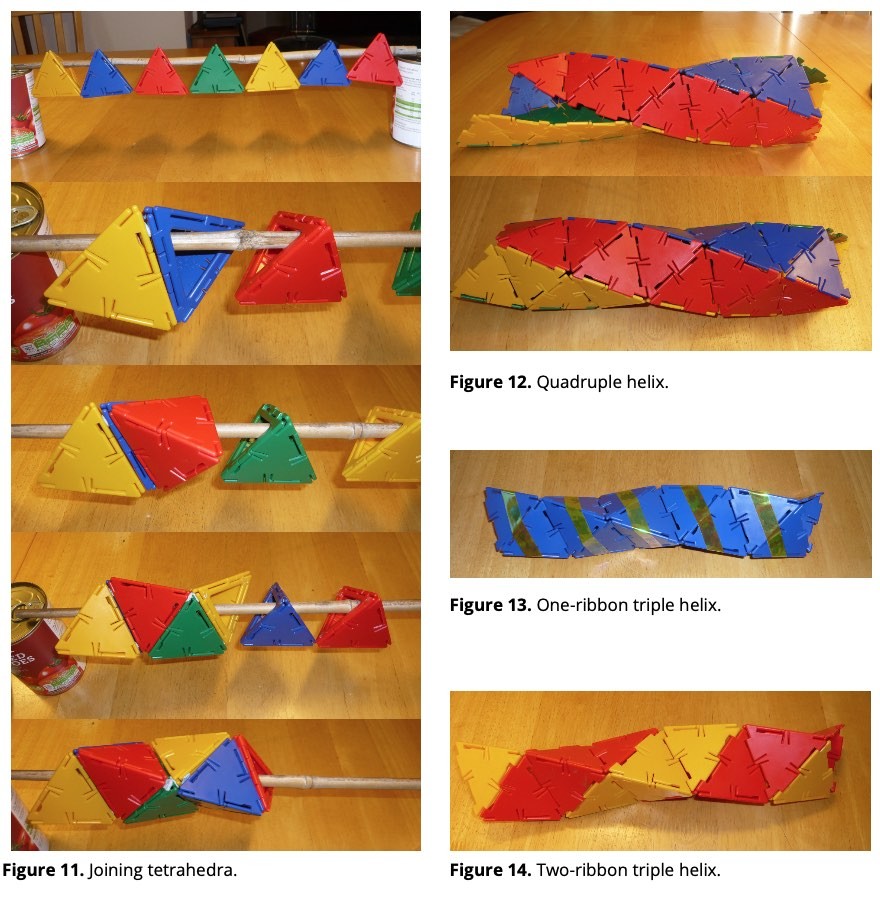
<p>‘Exploring triangles at the Institute of Mathematics Pedagogy (IMP)’<br>Tandi Clausen-May reflects on an exploration of 3D shapes made from triangles.</p><p><a href="https://atm.org.uk/write/MediaUploads/Journals/MT295/03.pdf" rel="nofollow" class="ellipsis" title="atm.org.uk/write/MediaUploads/Journals/MT295/03.pdf"><span class="invisible">https://</span><span class="ellipsis">atm.org.uk/write/MediaUploads/</span><span class="invisible">Journals/MT295/03.pdf</span></a></p><p>One of the two free articles from Mathematics Teaching 295 for non-members.<br><a href="/tags/geometry/" rel="tag">#geometry</a> <a href="/tags/triangle/" rel="tag">#triangle</a> <a href="/tags/helix/" rel="tag">#helix</a> <a href="/tags/polydron/" rel="tag">#polydron</a> <a href="/tags/mathematicsteaching/" rel="tag">#MathematicsTeaching</a> <a href="/tags/atm/" rel="tag">#atm</a> <a href="/tags/mt/" rel="tag">#MT</a> <a href="/tags/mt295/" rel="tag">#MT295</a> <a href="/tags/iteachmath/" rel="tag">#iTeachMath</a> <a href="/tags/mathed/" rel="tag">#MathEd</a> <a href="/tags/math/" rel="tag">#Math</a> <a href="/tags/education/" rel="tag">#Education</a> <a href="/tags/mathematics/" rel="tag">#mathematics</a></p>

<p>tomkyle/binning – Determine optimal number of bins 𝒌 for <a href="/tags/histogram/" rel="tag">#histogram</a> <a href="/tags/creation/" rel="tag">#creation</a> and optimal bin width 𝒉 using various statistical methods in <a href="/tags/php/" rel="tag">#PHP</a>.</p><p>Included methods: Sturges’ Rule, Doane’s Rule, Freedman-Diaconis Rule, Terrell-Scott’s Rule, Rice Rule, Scott’s Rule, and Square Root Rule. </p><p>GitHub: <a href="https://github.com/tomkyle/binning" rel="nofollow"><span class="invisible">https://</span>github.com/tomkyle/binning</a><br>Issues: <a href="https://github.com/tomkyle/binning/issues" rel="nofollow" class="ellipsis" title="github.com/tomkyle/binning/issues"><span class="invisible">https://</span><span class="ellipsis">github.com/tomkyle/binning/iss</span><span class="invisible">ues</span></a></p><p>Available on <a href="/tags/packagist/" rel="tag">#packagist</a> via <a href="/tags/composer/" rel="tag">#composer</a>. Heavily inspired by markrogoyski/math-php but written for <a href="/tags/php/" rel="tag">#PHP</a> 8.3+. — <a href="/tags/math/" rel="tag">#math</a> <a href="/tags/statistics/" rel="tag">#statistics</a></p>
Edited 283d ago

<p>Here is a “magic trick”</p><p>Give kids colored cards.<br>red card- 1 dot<br>blue card- 2 dots<br>green card- 4 dots<br>yellow card- 8 dots</p><p>“Show me a total of x dots!”<br>(x is a number between 1 and 15)</p><p>“look around, why are you all holding up the same cards? isn’t anyone creative enough to find another way?”</p><p>then ask what goes on the “next card” <a href="/tags/matheducation/" rel="tag">#matheducation</a> <a href="/tags/math/" rel="tag">#math</a> <a href="/tags/binary/" rel="tag">#binary</a></p>
Edited 122d ago

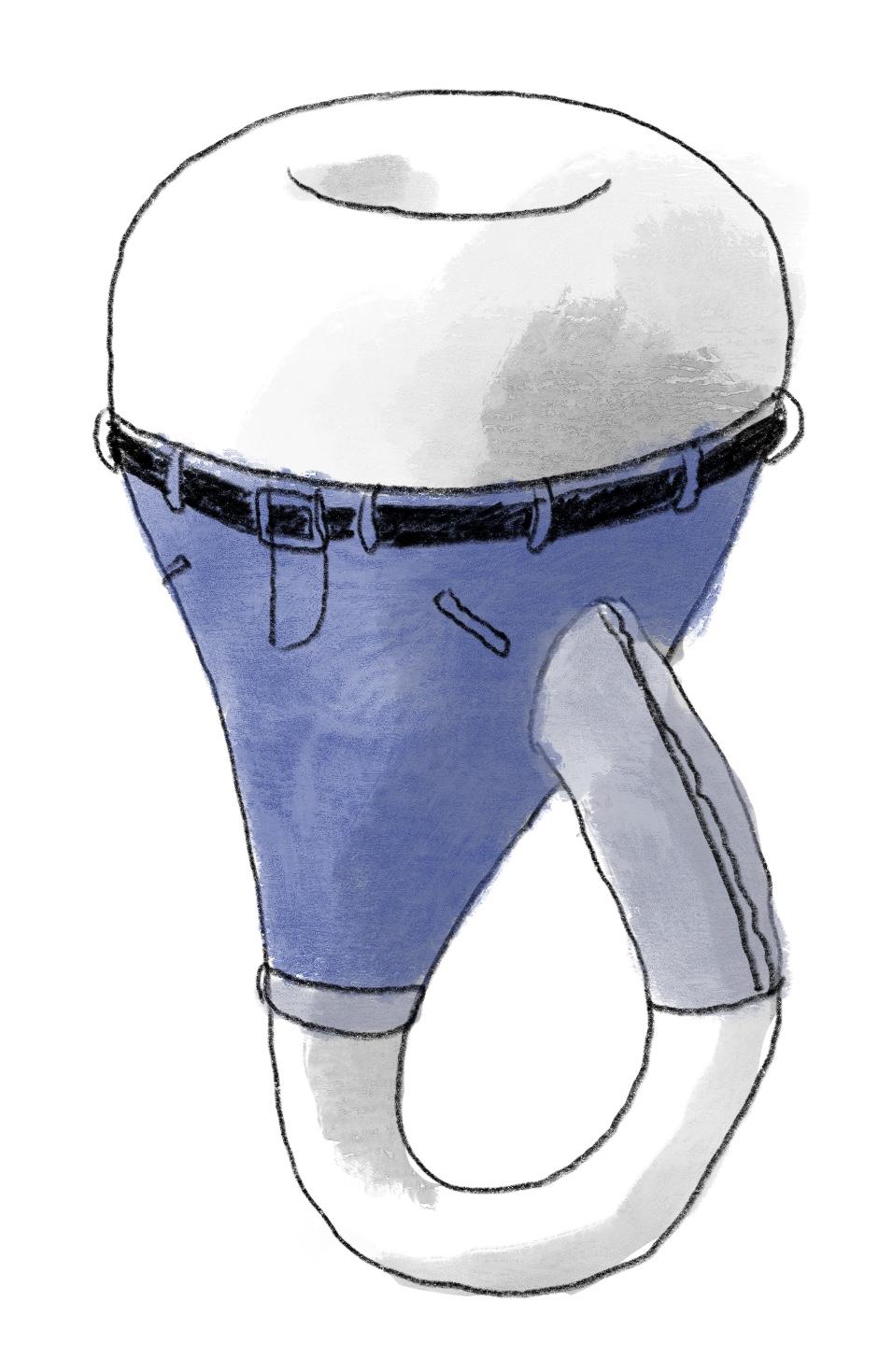
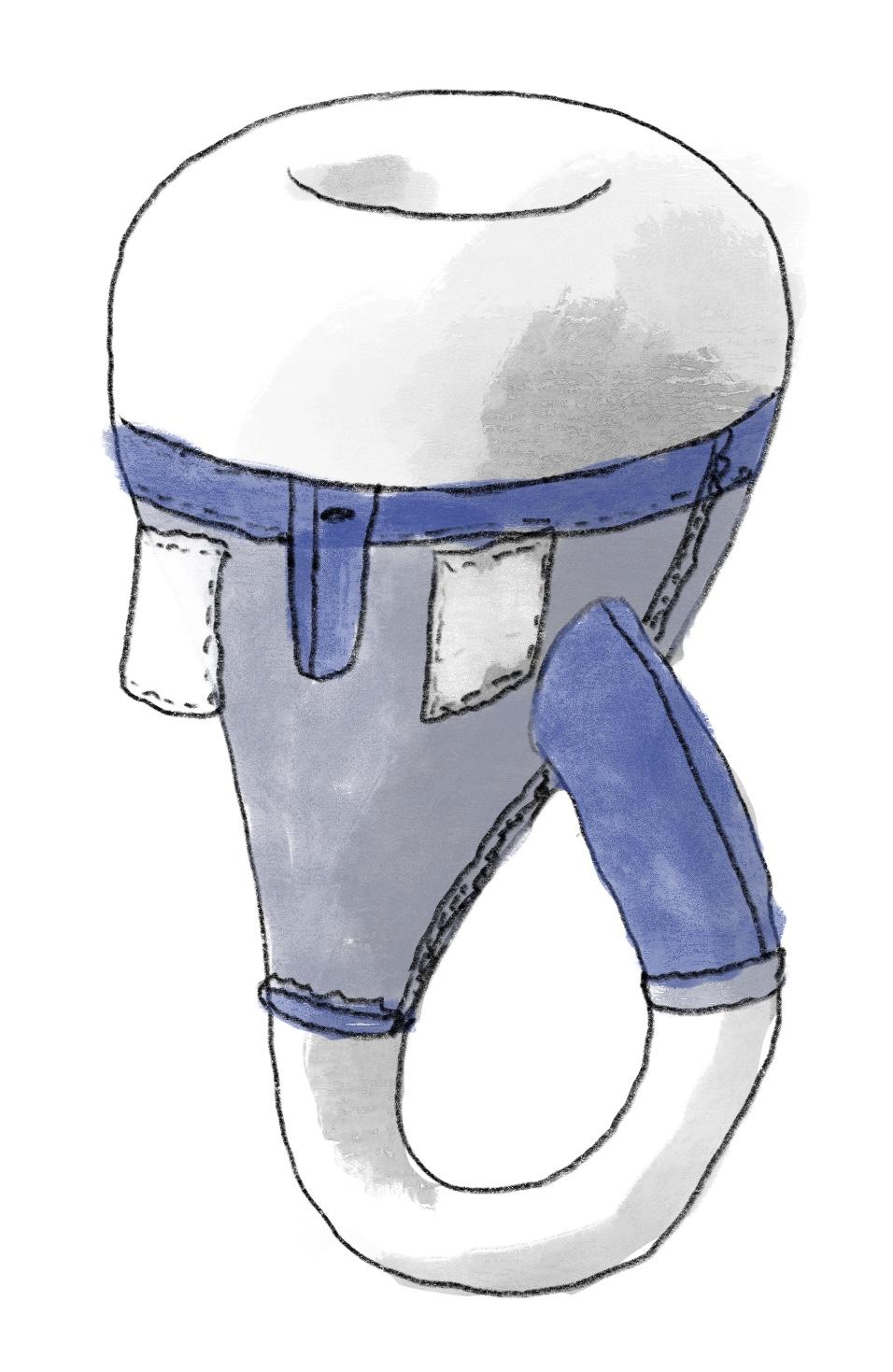
<p>If a Klein bottle could wear pants, would it be like this or like this?</p><p><a href="/tags/mathstodon/" rel="tag">#mathstodon</a> <a href="/tags/math/" rel="tag">#math</a> <a href="/tags/maths/" rel="tag">#maths</a> <a href="/tags/shitpost/" rel="tag">#shitpost</a></p>
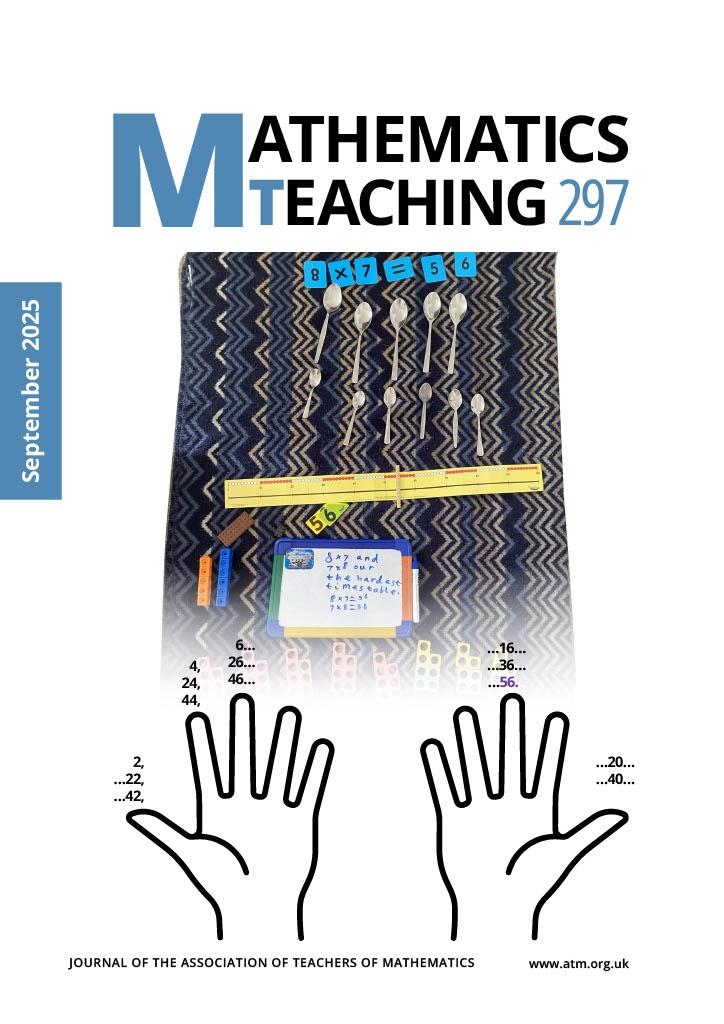
<p>Mathematics Teaching 297 now available online <a href="https://atm.org.uk/Mathematics-Teaching-Journal-Archive/177732" rel="nofollow" class="ellipsis" title="atm.org.uk/Mathematics-Teaching-Journal-Archive/177732"><span class="invisible">https://</span><span class="ellipsis">atm.org.uk/Mathematics-Teachin</span><span class="invisible">g-Journal-Archive/177732</span></a></p><p>Design by me</p><p>Six free articles for non-members:</p><p>For the classroom: fractions<br>Tom Francome offers activities from LUMEN (Loughborough University Mathematics Education Network <a href="https://www.lboro.ac.uk/lumen" rel="nofollow"><span class="invisible">https://</span>www.lboro.ac.uk/lumen</a>).<br><a href="https://atm.org.uk/write/MediaUploads/Journals/MT297/08.pdf" rel="nofollow" class="ellipsis" title="atm.org.uk/write/MediaUploads/Journals/MT297/08.pdf"><span class="invisible">https://</span><span class="ellipsis">atm.org.uk/write/MediaUploads/</span><span class="invisible">Journals/MT297/08.pdf</span></a></p><p>Critical mathematics education student teachers’ perspectives<br>Manjinder K. Jagdev and her student teachers reflect on their experiences of developing critical mathematics education and social justice themes in initial teacher education courses<br><a href="https://atm.org.uk/write/MediaUploads/Journals/MT297/10.pdf" rel="nofollow" class="ellipsis" title="atm.org.uk/write/MediaUploads/Journals/MT297/10.pdf"><span class="invisible">https://</span><span class="ellipsis">atm.org.uk/write/MediaUploads/</span><span class="invisible">Journals/MT297/10.pdf</span></a></p><p>Awareness of the division of fractions keep your flipping change to yourself!<br>Sam Brace describes a unit of work that uses learners’ powers of the mind to understand the division of fractions.<br><a href="https://atm.org.uk/write/MediaUploads/Journals/MT297/11.pdf" rel="nofollow" class="ellipsis" title="atm.org.uk/write/MediaUploads/Journals/MT297/11.pdf"><span class="invisible">https://</span><span class="ellipsis">atm.org.uk/write/MediaUploads/</span><span class="invisible">Journals/MT297/11.pdf</span></a></p><p>Jan Potworowski the quest to humanise mathematics education<br>George Knights and Lyndon Baker have prepared this tribute to Jan Potworowski.<br><a href="https://atm.org.uk/write/MediaUploads/Journals/MT297/13.pdf" rel="nofollow" class="ellipsis" title="atm.org.uk/write/MediaUploads/Journals/MT297/13.pdf"><span class="invisible">https://</span><span class="ellipsis">atm.org.uk/write/MediaUploads/</span><span class="invisible">Journals/MT297/13.pdf</span></a></p><p>Julian Williams teacher researcher theorist. 1954–2025<br>Geoff Wake and Laura Black celebrate Julian Williams’s contribution to mathematics Education.<br><a href="https://atm.org.uk/write/MediaUploads/Journals/MT297/14.pdf" rel="nofollow" class="ellipsis" title="atm.org.uk/write/MediaUploads/Journals/MT297/14.pdf"><span class="invisible">https://</span><span class="ellipsis">atm.org.uk/write/MediaUploads/</span><span class="invisible">Journals/MT297/14.pdf</span></a></p><p>I want to remember...<br>In memory of Julian Williams by Laya Hooshyari.<br><a href="https://atm.org.uk/write/MediaUploads/Journals/MT297/15.pdf" rel="nofollow" class="ellipsis" title="atm.org.uk/write/MediaUploads/Journals/MT297/15.pdf"><span class="invisible">https://</span><span class="ellipsis">atm.org.uk/write/MediaUploads/</span><span class="invisible">Journals/MT297/15.pdf</span></a></p><p><a href="/tags/mathematicsteaching/" rel="tag">#MathematicsTeaching</a> <a href="/tags/iteachmath/" rel="tag">#iTeachMath</a> <a href="/tags/mathed/" rel="tag">#MathEd</a> <a href="/tags/mathsed/" rel="tag">#MathsEd</a> <a href="/tags/math/" rel="tag">#Math</a> <a href="/tags/mathematics/" rel="tag">#Mathematics</a> <a href="/tags/teaching/" rel="tag">#teaching</a> <a href="/tags/pedagogy/" rel="tag">#pedagogy</a> <a href="/tags/didactics/" rel="tag">#didactics</a> <a href="/tags/education/" rel="tag">#education</a> <a href="/tags/design/" rel="tag">#design</a> <a href="/tags/graphicdesign/" rel="tag">#GraphicDesign</a> <a href="/tags/atm/" rel="tag">#atm</a> <a href="/tags/mt/" rel="tag">#MT</a> <a href="/tags/mt297/" rel="tag">#MT297</a></p>
Edited 213d ago

<p>Happy Pi Day!</p><p><a href="https://en.wikipedia.org/wiki/Pi_Day" rel="nofollow"><span class="invisible">https://</span>en.wikipedia.org/wiki/Pi_Day</a></p><p><a href="/tags/pi/" rel="tag">#pi</a> <a href="/tags/piday/" rel="tag">#PiDay</a> <a href="/tags/math/" rel="tag">#math</a></p>
Linear Algebra Done Right by Sheldon Axler looks like an excellent textbook. If I ever end up teaching or tutoring undergraduate linear algebra again I think I'd try it as a text. The book is open access and is available at <a href="https://linear.axler.net" rel="nofollow"><span class="invisible">https://</span>linear.axler.net</a> (I have no affiliation with the author; I just like the book!)<br><br>One thing I like about this book is its approach to eigenvalues and eigenvectors. Most linear algebra books present eigenvalues as roots of the "characteristic polynomial", which is built from the "determinant", which in turn has some formula defining it. These objects are rarely motivated geometrically, and so you're left with limited understanding of just what an eigenvalue is or why linear transformations on finite-dimensional vector spaces must have them. Axler avoids determinants till Chapter 9 of the book, focusing instead on linear operators. The fact that operators must have eigenvalues pops out of the observation that iterating an operator on a given non-zero starting vector results in a set of vectors that must eventually become linearly dependent. This fact also leads to the development of the characteristic polynomial; you can then come at the determinant from this, more geometric, perspective.<br><br><a href="/tags/math/" rel="tag">#math</a> <a href="/tags/teaching/" rel="tag">#teaching</a> <a href="/tags/linearalgebra/" rel="tag">#LinearAlgebra</a><br>
<p>Time for a new <a href="/tags/introduction/" rel="tag">#introduction</a>!</p><p>I live on the border, where <a href="/tags/arizona/" rel="tag">#Arizona</a>, <a href="/tags/mexico/" rel="tag">#Mexico</a> and <a href="/tags/newmexico/" rel="tag">#NewMexico</a> all come together. </p><p>I mostly post about <a href="/tags/cooking/" rel="tag">#cooking</a>, <a href="/tags/gardening/" rel="tag">#gardening</a>, <a href="/tags/hiking/" rel="tag">#hiking</a> and <a href="/tags/publiclands/" rel="tag">#publiclands</a> </p><p>I'm interested in <a href="/tags/music/" rel="tag">#music</a>, <a href="/tags/art/" rel="tag">#art</a>, <a href="/tags/anime/" rel="tag">#anime</a>, <a href="/tags/manga/" rel="tag">#manga</a>, <a href="/tags/comics/" rel="tag">#comics</a>, <a href="/tags/math/" rel="tag">#math</a>, <a href="/tags/videogames/" rel="tag">#videogames</a>, <a href="/tags/retrogaming/" rel="tag">#retrogaming</a> and <a href="/tags/retrocomputing/" rel="tag">#retrocomputing</a> </p><p>I switched from <a href="/tags/amiga/" rel="tag">#Amiga</a> to <a href="/tags/linux/" rel="tag">#linux</a> and <a href="/tags/bsd/" rel="tag">#bsd</a> so I actually know very little about MS Windows.</p>

<p>I need some <a href="/tags/math/" rel="tag">#math</a> / <a href="/tags/machinelearning/" rel="tag">#machinelearning</a> / <a href="/tags/ai/" rel="tag">#AI</a> / <a href="/tags/physics/" rel="tag">#physics</a> people to confirm for me that the topology of latent space shows non-Euclidean characteristics. This is not for a technical project; I'm trying to understand just how well cultural theorists are using their mathy metaphors. Thanks in advance!</p>

<p>Mathstodon.xyz is a Mastodon server for people who love mathematics. We have LaTeX rendering in the web interface!</p><p>This server has a post size of up to 1729 characters, and has been online since 2017.</p><p><img src="https://neodb.social/media/emoji/social.growyourown.services/Fediverse.png" class="emoji" alt=":Fediverse:" title=":Fediverse:"> <a href="https://mathstodon.xyz" rel="nofollow"><span class="invisible">https://</span>mathstodon.xyz</a></p><p>You can find out more at <a href="https://mathstodon.xyz/about" rel="nofollow"><span class="invisible">https://</span>mathstodon.xyz/about</a> or contact the admin <span class="h-card"><a href="https://mathstodon.xyz/@christianp" class="u-url mention" rel="nofollow noopener noreferrer" target="_blank">@<span>christianp</span></a></span> </p><p><a href="/tags/featuredserver/" rel="tag">#FeaturedServer</a> <a href="/tags/mathematics/" rel="tag">#Mathematics</a> <a href="/tags/maths/" rel="tag">#Maths</a> <a href="/tags/math/" rel="tag">#Math</a> <a href="/tags/mastodon/" rel="tag">#Mastodon</a> <a href="/tags/fediverse/" rel="tag">#Fediverse</a> <a href="/tags/freefediverse/" rel="tag">#FreeFediverse</a></p>
<p>Mathstodon.xyz is a Mastodon server for people who love maths, and includes LaTeX rendering in the web interface. Maths chat is especially welcome, but any topic of conversation following the code of conduct is OK.</p><p>This server has a post size of up to 1729 characters.</p><p><img src="https://neodb.social/media/emoji/social.growyourown.services/Fediverse.png" class="emoji" alt=":Fediverse:" title=":Fediverse:"> <a href="https://mathstodon.xyz" rel="nofollow"><span class="invisible">https://</span>mathstodon.xyz</a></p><p>You can find out more at <a href="https://mathstodon.xyz/about" rel="nofollow"><span class="invisible">https://</span>mathstodon.xyz/about</a> or contact the admin account <span class="h-card"><a href="https://mathstodon.xyz/@christianp" class="u-url mention" rel="nofollow noopener noreferrer" target="_blank">@<span>christianp</span></a></span> </p><p><a href="/tags/featuredserver/" rel="tag">#FeaturedServer</a> <a href="/tags/mathematics/" rel="tag">#Mathematics</a> <a href="/tags/maths/" rel="tag">#Maths</a> <a href="/tags/math/" rel="tag">#Math</a> <a href="/tags/mastodon/" rel="tag">#Mastodon</a> <a href="/tags/fediverse/" rel="tag">#Fediverse</a> <a href="/tags/freefediverse/" rel="tag">#FreeFediverse</a></p>

<p>A lab mate shared this write up of Don Knuth using LLMs to solve a math problem: <a href="https://www-cs-faculty.stanford.edu/~knuth/papers/claude-cycles.pdf" rel="nofollow" class="ellipsis" title="www-cs-faculty.stanford.edu/~knuth/papers/claude-cycles.pdf"><span class="invisible">https://</span><span class="ellipsis">www-cs-faculty.stanford.edu/~k</span><span class="invisible">nuth/papers/claude-cycles.pdf</span></a></p><p>It's clear that using Claude did help them arrive at some new understanding here, which is wonderful. I'm happy for them.</p><p>However, I'm upset by how much they personify Claude and attribute the solution to "him."</p><p>From this narrative, it's clear that the humans were very actively involved from beginning to end. Claude was a helpful tool, but it did not solve this problem on its own. What role did it actually play? How was it like or unlike a human collaborator on this problem?</p><p>It did generate a crucial insight, but where did that come from? Was it plagiarized from some unknown source? Did it "just emerge" from text completion and interpolation in latent space? Do we need some other explanation for Claude's apparent creativity?</p><p>These folks don't care. They just wanted a solution, which they attribute to Claude, and leave it at that. I think that's a serious problem.</p><p><a href="/tags/llm/" rel="tag">#llm</a> <a href="/tags/ai/" rel="tag">#ai</a> <a href="/tags/science/" rel="tag">#science</a> <a href="/tags/math/" rel="tag">#math</a></p>