
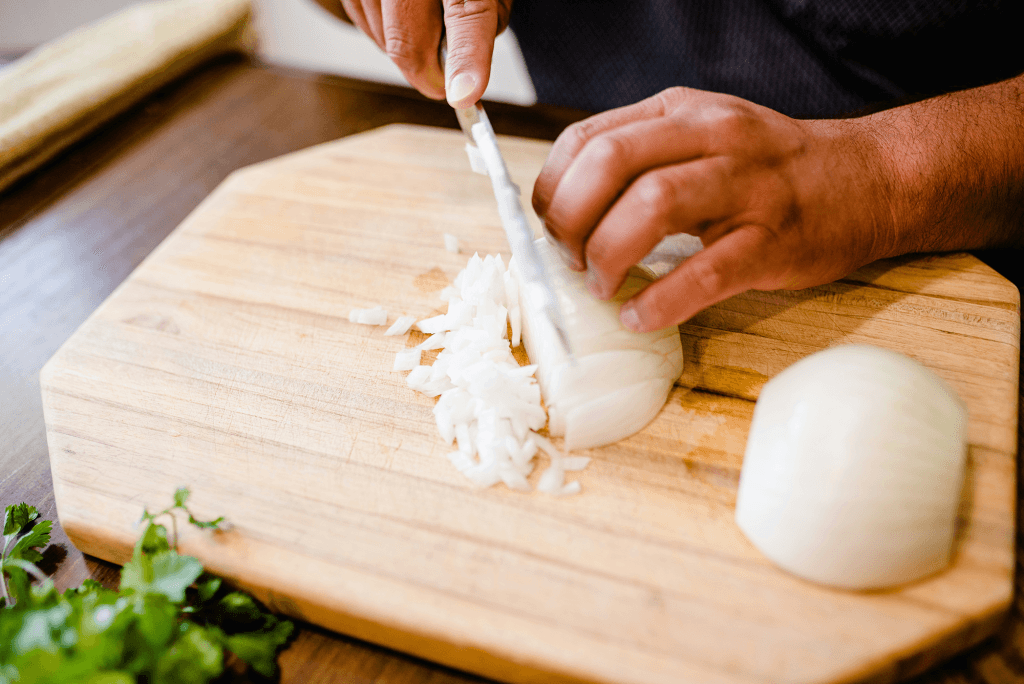
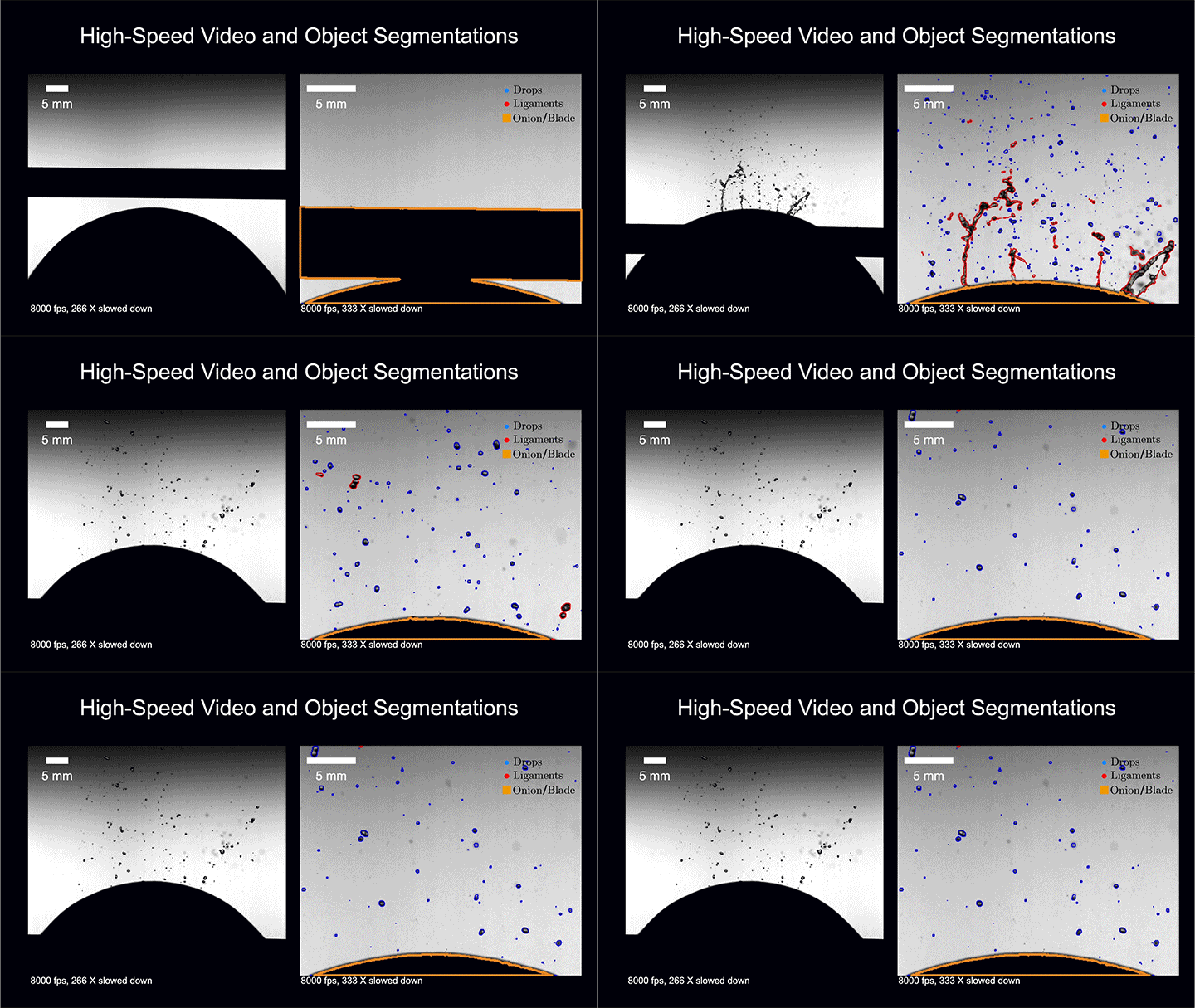
<p>Why Sharper Knives Mean Fewer Onion Tears</p><p>Onions are a well-known source of tears for many a <a href="/tagged/cooking/" rel="nofollow">cook</a>. And while the chemical source of their power–onions release a chemical that reacts in our eyes to produce tears–has been known for years, no one has looked at the fluid dynamics in the process <a href="https://doi.org/10.1073/pnas.2512779122" rel="nofollow">until now</a>.</p><p>As seen above, a knife piercing the onion’s surface releases a mist of high-speed droplets, followed by a slower spray. Much like a <a href="/2019/05/bartenders-and-citrus-lovers-the-world-over-are/" rel="nofollow">citrus fruit’s microsprays</a>, the onion’s fountain depends on both solid and fluid mechanics. As the knife presses into the onion’s stiffer outer layer, pressure builds in the softer layer underneath, which contains pores of fluid. Once the knife breaks the epidermis, that pressurized fluid sprays out.</p><p>The good news is that the team also confirmed a common culinary wisdom: using a sharper knife and a slower, gentler cut will reduce the spray and its speed, resulting in fewer tears. (Image credit: <a href="https://unsplash.com/photos/a-person-chopping-onions-on-a-cutting-board-wAoExtOVzXg" rel="nofollow">M. Stone</a>; research credit: <a href="https://doi.org/10.1073/pnas.2512779122" rel="nofollow">Z. Wu et al.</a>)</p><p><a href="/tags/biology/" rel="tag">#biology</a> <a href="/tags/cooking/" rel="tag">#cooking</a> <a href="/tags/droplets/" rel="tag">#droplets</a> <a href="/tags/fluiddynamics/" rel="tag">#fluidDynamics</a> <a href="/tags/onion/" rel="tag">#onion</a> <a href="/tags/physics/" rel="tag">#physics</a> <a href="/tags/science/" rel="tag">#science</a> <a href="/tags/sprays/" rel="tag">#sprays</a></p>
physics

<p><a href="/tags/physics/" rel="tag">#Physics</a> picks of the day:</p><p>➡️ <span class="h-card"><a href="https://scipost.social/@physics" class="u-url mention" rel="nofollow noopener noreferrer" target="_blank">@<span>physics</span></a></span> - Physics-related journals from SciPost</p><p>➡️ <span class="h-card"><a href="https://mathstodon.xyz/@quantumjournal" class="u-url mention" rel="nofollow noopener noreferrer" target="_blank">@<span>quantumjournal</span></a></span> - Open access journal for quantum science & related fields</p><p>➡️ @www.symmetrymagazine.org - News feed of Symmetry Magazine on particle physics</p><p>➡️ <span class="h-card"><a href="https://mastodon.social/@europeanphysicalsociety" class="u-url mention" rel="nofollow noopener noreferrer" target="_blank">@<span>europeanphysicalsociety</span></a></span> - Organisation promoting physics & physicists in Europe</p><p>➡️ <span class="h-card"><a href="https://astrodon.social/@mpi_grav" class="u-url mention" rel="nofollow noopener noreferrer" target="_blank">@<span>mpi_grav</span></a></span> - Max Planck Institute for Gravitational Physics / Albert Einstein Institute (in English & German)</p><p>🧵 1/4</p>

<p>> <a href="/tags/physics/" rel="tag">#Physics</a> is to <a href="/tags/math/" rel="tag">#math</a> what <a href="/tags/sex/" rel="tag">#sex</a> is to <a href="/tags/masturbation/" rel="tag">#masturbation</a>.<br>- Richard <a href="/tags/feynman/" rel="tag">#Feynman</a></p>
<p>> <a href="/tags/physics/" rel="tag">#Physics</a> is like <a href="/tags/sexismus/" rel="tag">#sexismus</a> sure, it may give some practical results, but that's not why we do it.<br>- Richard <a href="/tags/feynman/" rel="tag">#Feynman</a></p>
<p>Please share: Our Max Planck Institute recently left X and is present here on Mastodon. Give them a follow! Beautiful pictures from the science of light!</p><p><a href="/tags/mastodon/" rel="tag">#Mastodon</a> <a href="/tags/physics/" rel="tag">#Physics</a> <a href="/tags/science/" rel="tag">#Science</a> <a href="/tags/light/" rel="tag">#Light</a> <a href="/tags/quantum/" rel="tag">#Quantum</a> <a href="/tags/optics/" rel="tag">#Optics</a> <a href="/tags/photonics/" rel="tag">#Photonics</a> <a href="/tags/pictures/" rel="tag">#Pictures</a> </p><p><span class="h-card"><a href="https://wisskomm.social/@maxplanckgesellschaft" class="u-url mention" rel="nofollow noopener noreferrer" target="_blank">@<span>maxplanckgesellschaft</span></a></span> </p><p>From: <span class="h-card"><a href="https://wisskomm.social/@MPI_ScienceOfLight" class="u-url mention" rel="nofollow noopener noreferrer" target="_blank">@<span>MPI_ScienceOfLight</span></a></span><br><a href="https://wisskomm.social/@MPI_ScienceOfLight/113906463840724222" rel="nofollow" class="ellipsis" title="wisskomm.social/@MPI_ScienceOfLight/113906463840724222"><span class="invisible">https://</span><span class="ellipsis">wisskomm.social/@MPI_ScienceOf</span><span class="invisible">Light/113906463840724222</span></a></p>

<p>Mädchenphysik <a href="/tags/chatgpt/" rel="tag">#ChatGPT</a> <a href="/tags/physics/" rel="tag">#Physics</a> <a href="/tags/women/" rel="tag">#Women</a> <a href="/tags/6a/" rel="tag">#6A</a> </p><p><a href="https://linux-gal.com/2025/07/12/madchenphysik/" rel="nofollow" class="ellipsis" title="linux-gal.com/2025/07/12/madchenphysik/"><span class="invisible">https://</span><span class="ellipsis">linux-gal.com/2025/07/12/madch</span><span class="invisible">enphysik/</span></a></p>


<p>If mathematics is functional vision in a cosmos of energy and momentum, what abstract practice is it that allows us to perceive and process the deeper messages woven into what we see through proof & calculation? </p><p>The infinities, the limits, the bumpy smoothness, the funhouse symmetries (maybe real?), the utterly confounding illogical puzzles…</p><p><a href="/tags/science/" rel="tag">#science</a> <a href="/tags/physics/" rel="tag">#physics</a></p>
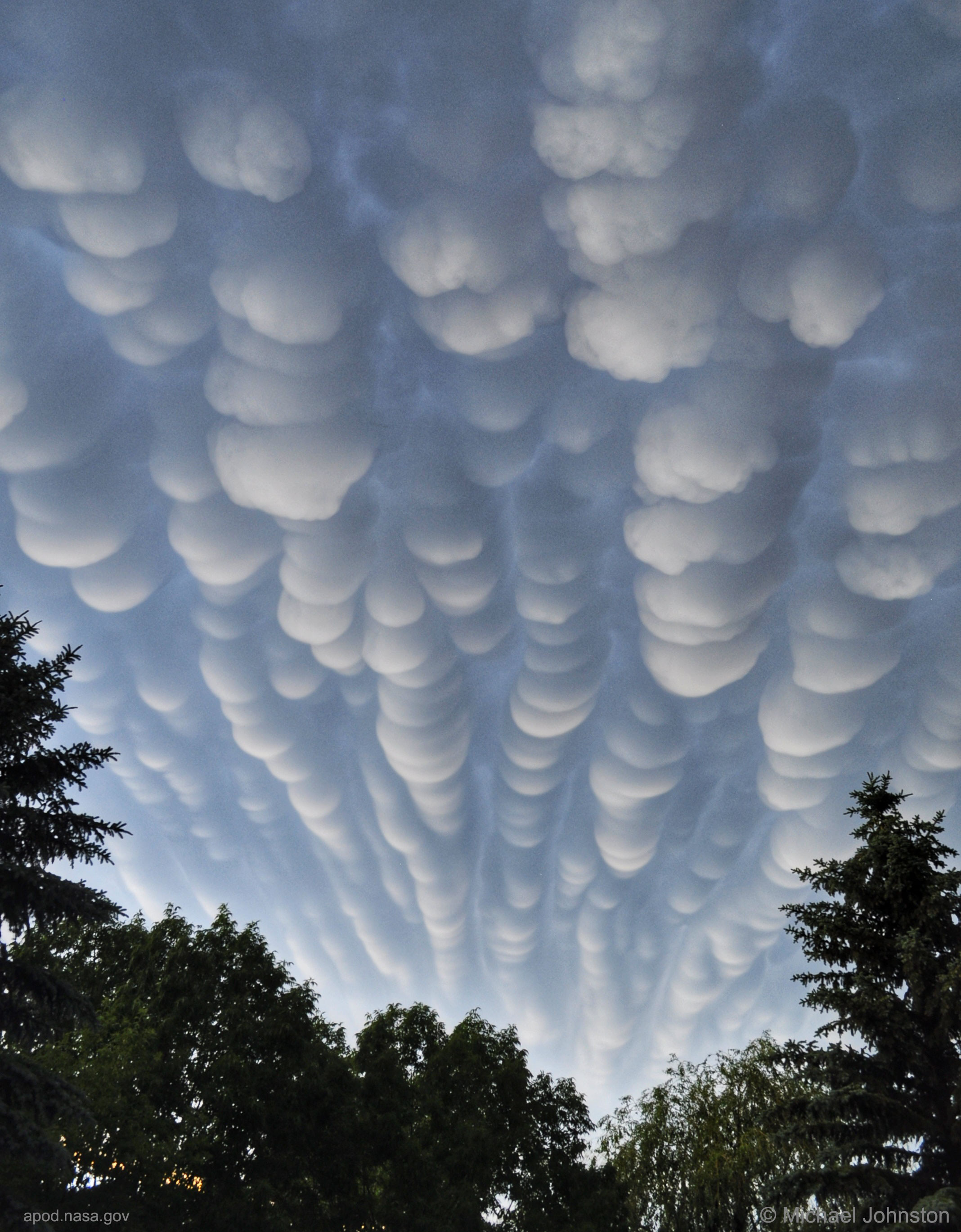
<p>TOPIC> Clouds</p><p>"Dear dev-ops and admins, who are mostly overworked and close to burnout: DON'T PANIC! <br>These clouds have nothing to do with your work, but quite the opposite, they are supposed to lead you back to the original meaning of the word. So scroll calmly through this thread and let yourself fall into deep relaxation until your state of mind corresponds to a small pink fluffy cloud and breathe serenely in and out again .. in and out .. and now let the clouds in your mind just come and go .. come and go .."</p><p>2021 August 11</p><p>Mammatus Clouds over Saskatchewan<br> * Image Credit & Copyright: Michael F Johnston<br><a href="https://www.instagram.com/beautyandruin/" rel="nofollow" class="ellipsis" title="www.instagram.com/beautyandruin/"><span class="invisible">https://</span><span class="ellipsis">www.instagram.com/beautyandrui</span><span class="invisible">n/</span></a></p><p>Explanation: <br>When do cloud bottoms appear like bubbles? Normally, cloud bottoms are flat. This is because moist warm air that rises and cools will condense into water droplets at a specific temperature, which usually corresponds to a very specific height. As water droplets grow, an opaque cloud forms. Under some conditions, however, cloud pockets can develop that contain large droplets of water or ice that fall into clear air as they evaporate. Such pockets may occur in turbulent air near a thunderstorm. Resulting mammatus clouds can appear especially dramatic if sunlit from the side. The mammatus clouds pictured here, lasting only a few minutes, were photographed over Regina, Saskatchewan, Canada, just after a storm in 2012.</p><p><a href="https://apod.nasa.gov/apod/ap210811.html" rel="nofollow" class="ellipsis" title="apod.nasa.gov/apod/ap210811.html"><span class="invisible">https://</span><span class="ellipsis">apod.nasa.gov/apod/ap210811.ht</span><span class="invisible">ml</span></a></p><p><a href="/tags/space/" rel="tag">#space</a> <a href="/tags/earth/" rel="tag">#earth</a> <a href="/tags/atmophere/" rel="tag">#atmophere</a> <a href="/tags/clouds/" rel="tag">#clouds</a> <a href="/tags/weather/" rel="tag">#weather</a> <a href="/tags/photography/" rel="tag">#photography</a> <a href="/tags/science/" rel="tag">#science</a> <a href="/tags/physics/" rel="tag">#physics</a> <a href="/tags/meteorology/" rel="tag">#meteorology</a> <a href="/tags/nature/" rel="tag">#nature</a></p>
Edited 261d ago

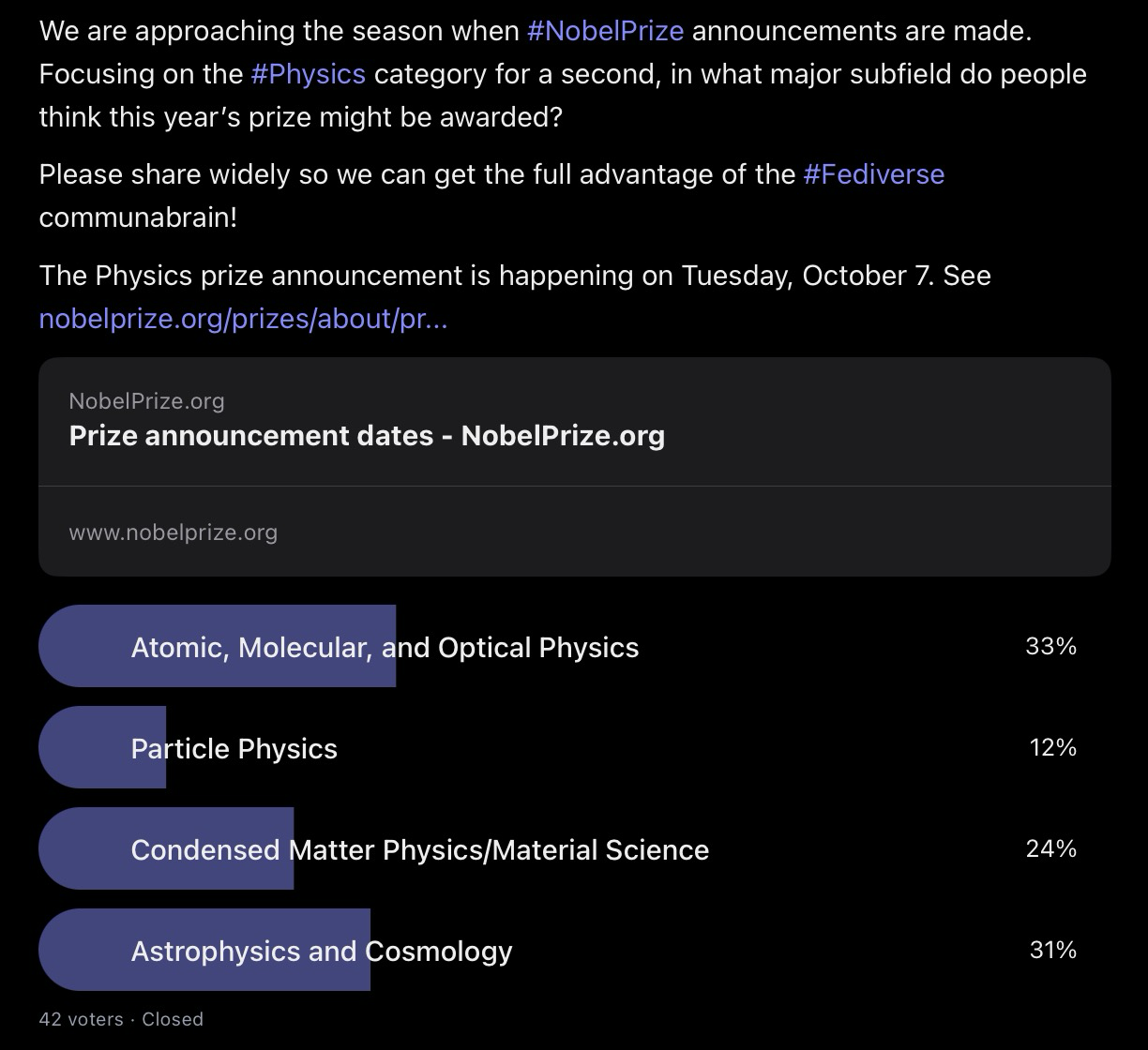
<p>OK, so the results from my very unscientific <a href="/tags/nobelprize/" rel="tag">#NobelPrize</a> in <a href="/tags/physics/" rel="tag">#Physics</a> topic poll are in, and the winner is … Atomic, Molecular, and Optical Physics (or “AMO”, as it’s short-handed). Hot on the heels of AMO is Astrophysics and Cosmology. Particle Physics was the hands-down least-favoured topic.</p><p>So, let’s go one more step and see what the <a href="/tags/fediverse/" rel="tag">#fediverse</a> thinks are its favourite **discoveries** that might attract the prize. Let’s stick to AMO and Astro/Cosmo, since those are the preferred areas.</p>
Edited 207d ago

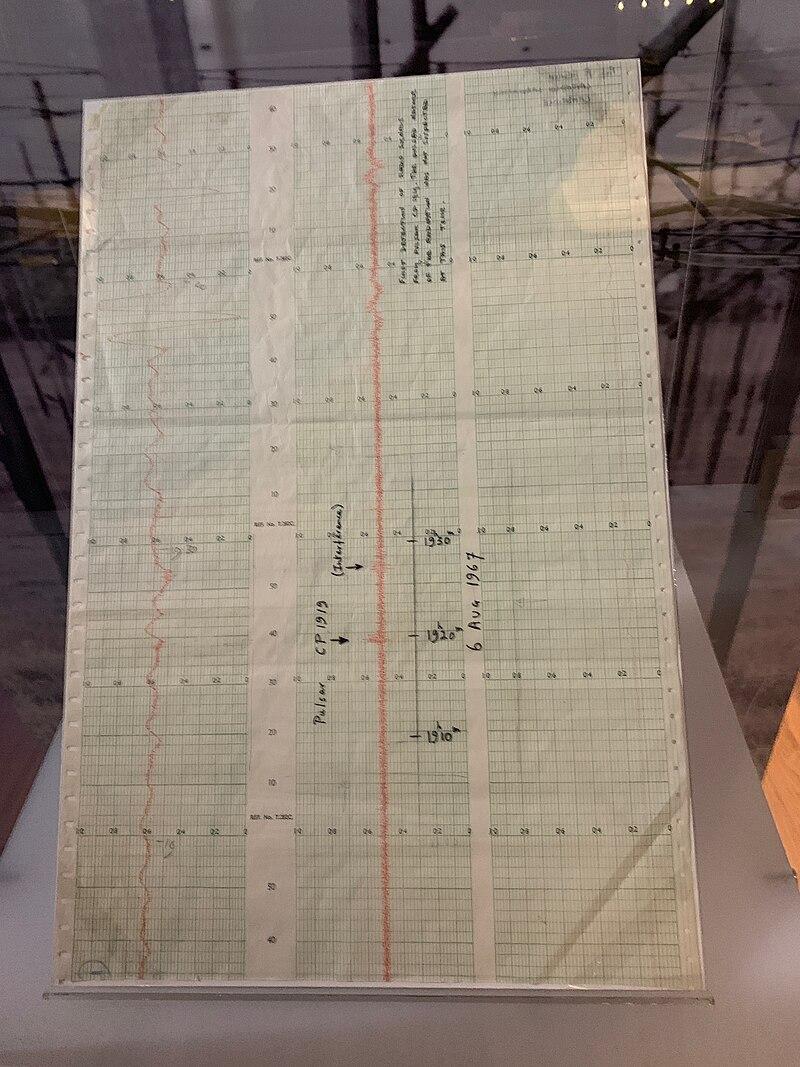
<p>It's 1967 & she's 24 years old. It had taken her 3 months to go through the chart-recorder paper manually. She had helped build the radio <a href="/tags/telescope/" rel="tag">#telescope</a> that picked up the waves. There was a pulsating signal, regular; it turned out to be a <a href="/tags/pulsar/" rel="tag">#pulsar</a>. <br>Her supervisor didn't believe her. She insisted it's real.</p><p>It was. But the press would ask her about boyfriends. Her male colleagues were asked about science.</p><p>7 years later, Dame Jocelyn Bell Burnell<br>would be excluded from the <a href="/tags/nobel/" rel="tag">#Nobel</a> Prize of <a href="/tags/physics/" rel="tag">#Physics</a>.</p>
<p>Last evening I derived the "quantum correlation" for the two channel optical Bell experiment, right here on my Mastodon account. But I did so WITHOUT quantum mechanics, and I did so in a way that makes it clear there is only classical Newtonian motion.</p><p>Go see it for yourself: <a href="https://masto.ai/@chemoelectric/115805620208576148" rel="nofollow" class="ellipsis" title="masto.ai/@chemoelectric/115805620208576148"><span class="invisible">https://</span><span class="ellipsis">masto.ai/@chemoelectric/115805</span><span class="invisible">620208576148</span></a></p><p>It is not a "quantum" anything. It is the ordinary correlation function for ordinary behavior. Yet "Physics" and "Science" channels will go on announcing MAGIC.</p><p><a href="/tags/physics/" rel="tag">#physics</a> <a href="/tags/science/" rel="tag">#science</a> <a href="/tags/quantumcomputing/" rel="tag">#quantumComputing</a></p>

<p>I need some <a href="/tags/math/" rel="tag">#math</a> / <a href="/tags/machinelearning/" rel="tag">#machinelearning</a> / <a href="/tags/ai/" rel="tag">#AI</a> / <a href="/tags/physics/" rel="tag">#physics</a> people to confirm for me that the topology of latent space shows non-Euclidean characteristics. This is not for a technical project; I'm trying to understand just how well cultural theorists are using their mathy metaphors. Thanks in advance!</p>

<p>Hey my new paper covering our recent dark matter search just got published</p><p><a href="https://journals.aps.org/prd/abstract/10.1103/2ydp-2gz9" rel="nofollow" class="ellipsis" title="journals.aps.org/prd/abstract/10.1103/2ydp-2gz9"><span class="invisible">https://</span><span class="ellipsis">journals.aps.org/prd/abstract/</span><span class="invisible">10.1103/2ydp-2gz9</span></a></p><p>*psst* it's also available for free on arxiv.org just google the title of the paper</p><p><a href="/tags/science/" rel="tag">#science</a> <a href="/tags/physics/" rel="tag">#physics</a></p>

<p>Happy birthday to <a href="/tags/gw250114/" rel="tag">#GW250114</a> our loudest detection to date!</p><p>In this video, Dr Becky Smethurst explains how we used the signal to test one of Hawking's fundamental ideas about black holes</p><p><a href="https://www.youtube.com/watch?v=_fLOgS7F5Bo" rel="nofollow" class="ellipsis" title="www.youtube.com/watch?v=_fLOgS7F5Bo"><span class="invisible">https://</span><span class="ellipsis">www.youtube.com/watch?v=_fLOgS</span><span class="invisible">7F5Bo</span></a></p><p><a href="/tags/gravitationalwaves/" rel="tag">#GravitationalWaves</a> <a href="/tags/astrodon/" rel="tag">#Astrodon</a> <a href="/tags/physics/" rel="tag">#Physics</a></p>

<p>What I’ve been reading (and watching) this week ending 1 February 2026 <a href="https://medium.com/@jchyip/what-ive-been-reading-and-watching-this-week-ending-1-february-2026-ee53cbc44943" rel="nofollow" class="ellipsis" title="medium.com/@jchyip/what-ive-been-reading-and-watching-this-week-ending-1-february-2026-ee53cbc44943"><span class="invisible">https://</span><span class="ellipsis">medium.com/@jchyip/what-ive-be</span><span class="invisible">en-reading-and-watching-this-week-ending-1-february-2026-ee53cbc44943</span></a> <a href="/tags/lean/" rel="tag">#Lean</a> <a href="/tags/leadership/" rel="tag">#Leadership</a> <a href="/tags/physics/" rel="tag">#Physics</a> <a href="/tags/nonviolence/" rel="tag">#Nonviolence</a> <a href="/tags/forgiveness/" rel="tag">#Forgiveness</a></p>
<p>What I’ve been reading (and watching) this week ending 8 February 2026 <a href="https://jchyip.medium.com/what-ive-been-reading-and-watching-this-week-ending-8-february-2026-9f887c2b6715" rel="nofollow" class="ellipsis" title="jchyip.medium.com/what-ive-been-reading-and-watching-this-week-ending-8-february-2026-9f887c2b6715"><span class="invisible">https://</span><span class="ellipsis">jchyip.medium.com/what-ive-bee</span><span class="invisible">n-reading-and-watching-this-week-ending-8-february-2026-9f887c2b6715</span></a> <a href="/tags/geopolitics/" rel="tag">#geopolitics</a> <a href="/tags/strategy/" rel="tag">#strategy</a> <a href="/tags/engineering/" rel="tag">#engineering</a> <a href="/tags/economics/" rel="tag">#economics</a> <a href="/tags/mvp/" rel="tag">#mvp</a> <a href="/tags/physics/" rel="tag">#physics</a></p>

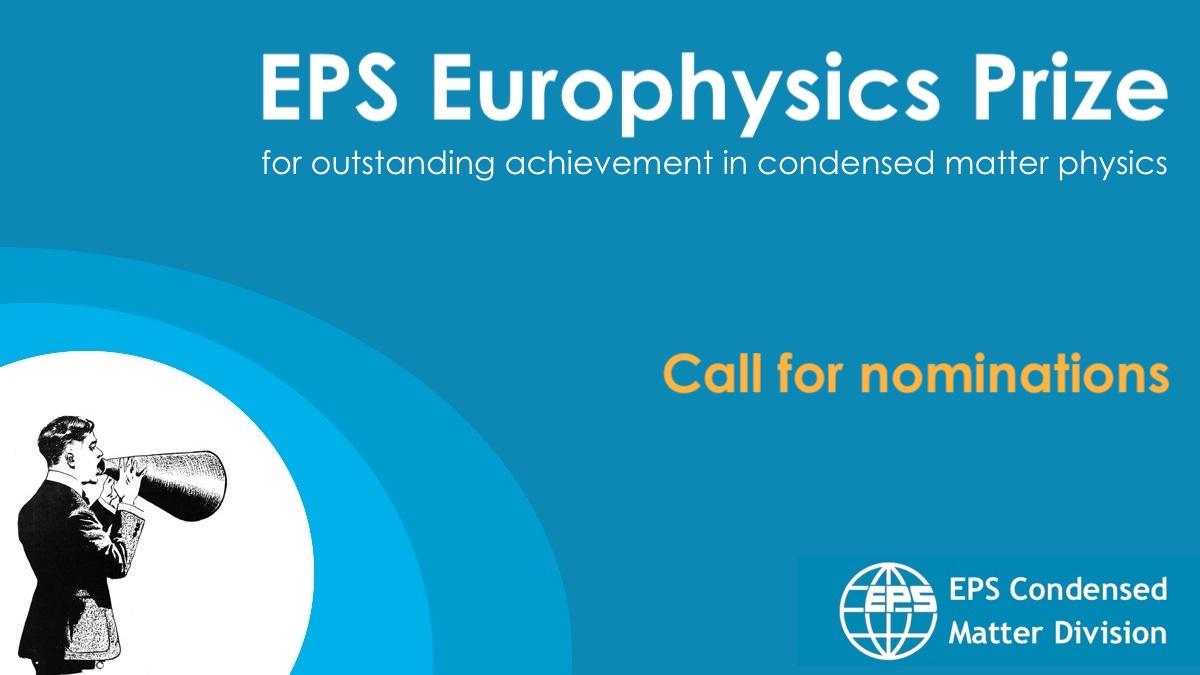
<p>Nominations for the 2026 EPS Europhysics Prize are now open. </p><p>📅Deadline 15th April 2026<br>👉 <a href="https://tinyurl.com/ye4j7ktt" rel="nofollow"><span class="invisible">https://</span>tinyurl.com/ye4j7ktt</a></p><p><a href="/tags/physics/" rel="tag">#physics</a> <a href="/tags/condensed/" rel="tag">#condensed</a> <a href="/tags/matter/" rel="tag">#Matter</a> <a href="/tags/awards/" rel="tag">#awards</a> <a href="/tags/call/" rel="tag">#call</a></p>
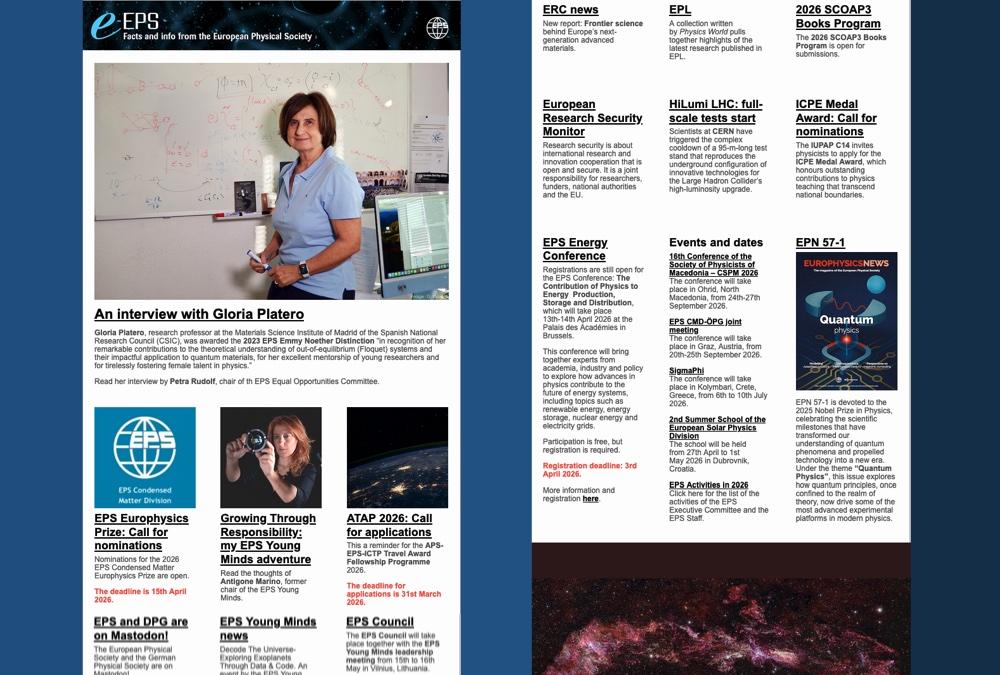
<p>📧 The March issue of e-EPS is out!<br>Enjoy your reading 👇<br><a href="https://www.epsmail.org//w/Bkb3WVoHwqoZFjMZKHh2kA" rel="nofollow" class="ellipsis" title="www.epsmail.org//w/Bkb3WVoHwqoZFjMZKHh2kA"><span class="invisible">https://</span><span class="ellipsis">www.epsmail.org//w/Bkb3WVoHwqo</span><span class="invisible">ZFjMZKHh2kA</span></a><br><a href="/tags/physics/" rel="tag">#physics</a> <a href="/tags/condensed/" rel="tag">#condensed</a> <a href="/tags/matter/" rel="tag">#matter</a> <a href="/tags/energy/" rel="tag">#energy</a> <a href="/tags/conference/" rel="tag">#conference</a> <a href="/tags/europe/" rel="tag">#Europe</a> <a href="/tags/cern/" rel="tag">#cern</a> <a href="/tags/teaching/" rel="tag">#teaching</a> <a href="/tags/solar/" rel="tag">#solar</a> <a href="/tags/erc/" rel="tag">#ERC</a></p>
Edited 6d ago