<p>South Florida meteorologist John Morales told his viewers live on air that he can no longer accurately predict hurricane season, due to federal government cuts.</p><p><a href="/tags/climatechange/" rel="tag">#climatechange</a> <a href="/tags/science/" rel="tag">#science</a> <a href="/tags/scicomm/" rel="tag">#scicomm</a></p>
science
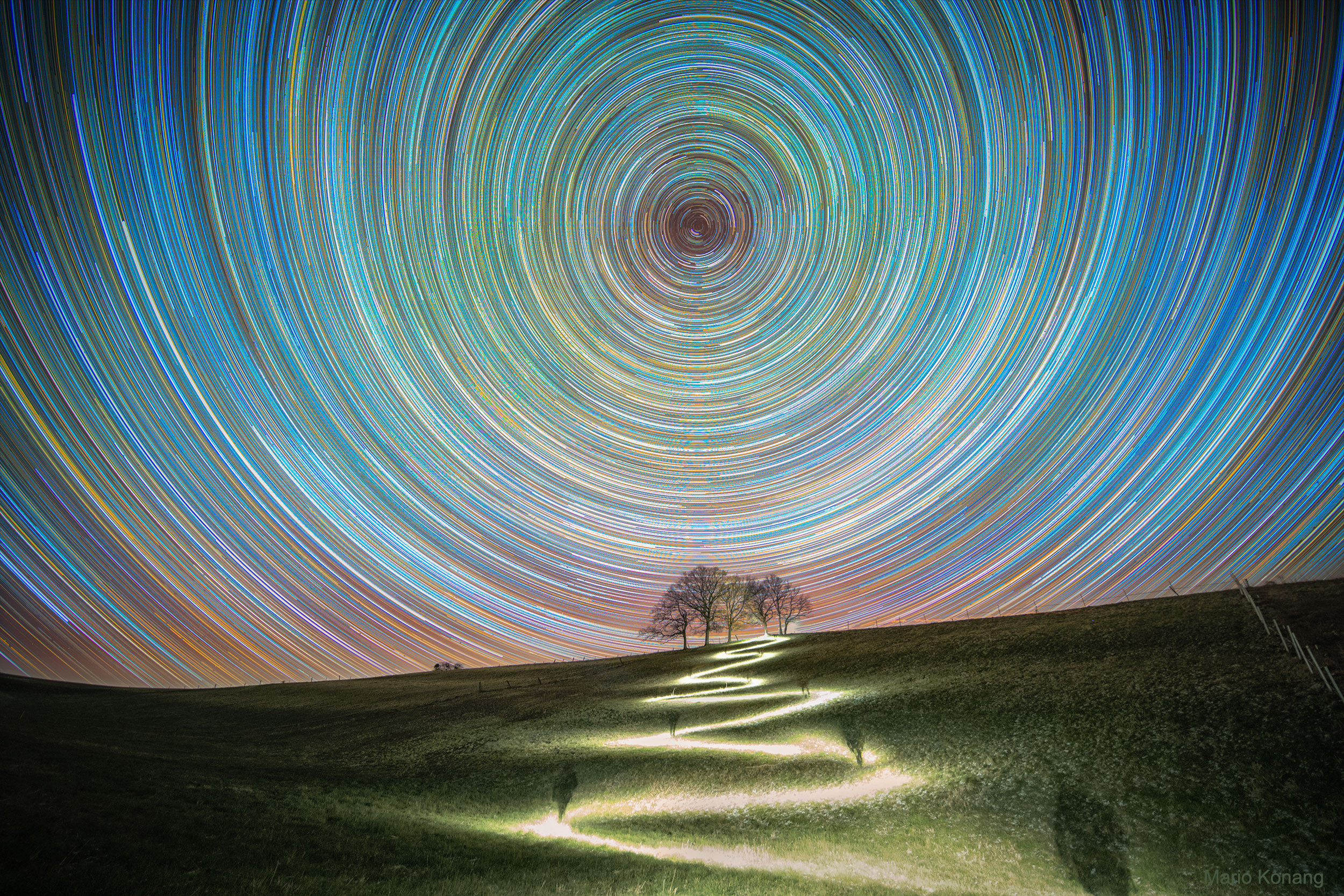
<p>TOPIC></p><p>A Path North<br> * Image Credit & Copyright: Mario Konang</p><p>Explanation: <br>What happens if you keep going north? The direction north on the Earth, the place on your horizon below the northern spin pole of the Earth -- around which other stars appear to slowly swirl, will remain the same. This spin-pole-of-the-north will never move from its fixed location on the sky -- night or day -- and its height will always match your latitude. The further north you go, the higher the north spin pole will appear. Eventually, if you can reach the Earth's North Pole, the stars will circle a point directly over your head. Pictured, a four-hour long stack of images shows stars trailing in circles around this north celestial pole. The bright star near the north celestial pole is Polaris, known as the North Star. The bright path was created by the astrophotographer's headlamp as he zigzagged up a hill just over a week ago in Lower Saxony, Germany. The astrophotographer can be seen, at times, in shadow. Actually, the Earth has two spin poles -- and much the same would happen if you started below the Earth's equator and went south. </p><p><a href="https://apod.nasa.gov/apod/ap200407.html" rel="nofollow" class="ellipsis" title="apod.nasa.gov/apod/ap200407.html"><span class="invisible">https://</span><span class="ellipsis">apod.nasa.gov/apod/ap200407.ht</span><span class="invisible">ml</span></a></p><p><a href="/tags/space/" rel="tag">#space</a> <a href="/tags/earth/" rel="tag">#earth</a> <a href="/tags/astrophotography/" rel="tag">#astrophotography</a> <a href="/tags/photography/" rel="tag">#photography</a> <a href="/tags/astroart/" rel="tag">#astroart</a> <a href="/tags/art/" rel="tag">#art</a> <a href="/tags/science/" rel="tag">#science</a> <a href="/tags/nature/" rel="tag">#nature</a> <a href="/tags/education/" rel="tag">#education</a></p>
Edited 1y ago
<p>What I’ve been reading (, watching, and listening to) this week ending 3 May 2026 <a href="https://jchyip.medium.com/what-ive-been-reading-watching-and-listening-to-this-week-ending-3-may-2026-ccff2e9a2a0e" rel="nofollow" class="ellipsis" title="jchyip.medium.com/what-ive-been-reading-watching-and-listening-to-this-week-ending-3-may-2026-ccff2e9a2a0e"><span class="invisible">https://</span><span class="ellipsis">jchyip.medium.com/what-ive-bee</span><span class="invisible">n-reading-watching-and-listening-to-this-week-ending-3-may-2026-ccff2e9a2a0e</span></a> <a href="/tags/science/" rel="tag">#science</a> <a href="/tags/innovation/" rel="tag">#innovation</a> <a href="/tags/ai/" rel="tag">#ai</a> <a href="/tags/economics/" rel="tag">#economics</a> <a href="/tags/politics/" rel="tag">#politics</a> <a href="/tags/softwareengineering/" rel="tag">#SoftwareEngineering</a></p>
<p>Hello people of mastodon! I’m here, I’m queer 🌈🦄 But I do prefer wine over beer! How about you? I don’t even know what this place is or does so I’m just screaming out into the aether! …or, well… the aether was debunked by scientists in like.. the 1920’s…but isn’t it kind of an expression people use? Or is that another aether? (I could be translating weird from Swedish too) I’ll have to research this now 😄 <br><a href="/tags/aether/" rel="tag">#aether</a> <a href="/tags/science/" rel="tag">#science</a> <a href="/tags/new/" rel="tag">#new</a> <a href="/tags/introduction/" rel="tag">#introduction</a></p>
Edited 1y ago
<p>The Less People Know About AI, the More They Like It <a href="https://www.wired.com/story/the-less-people-know-about-ai-the-more-they-like-it/" rel="nofollow" class="ellipsis" title="www.wired.com/story/the-less-people-know-about-ai-the-more-they-like-it/"><span class="invisible">https://</span><span class="ellipsis">www.wired.com/story/the-less-p</span><span class="invisible">eople-know-about-ai-the-more-they-like-it/</span></a> <a href="/tags/science/" rel="tag">#science</a></p>
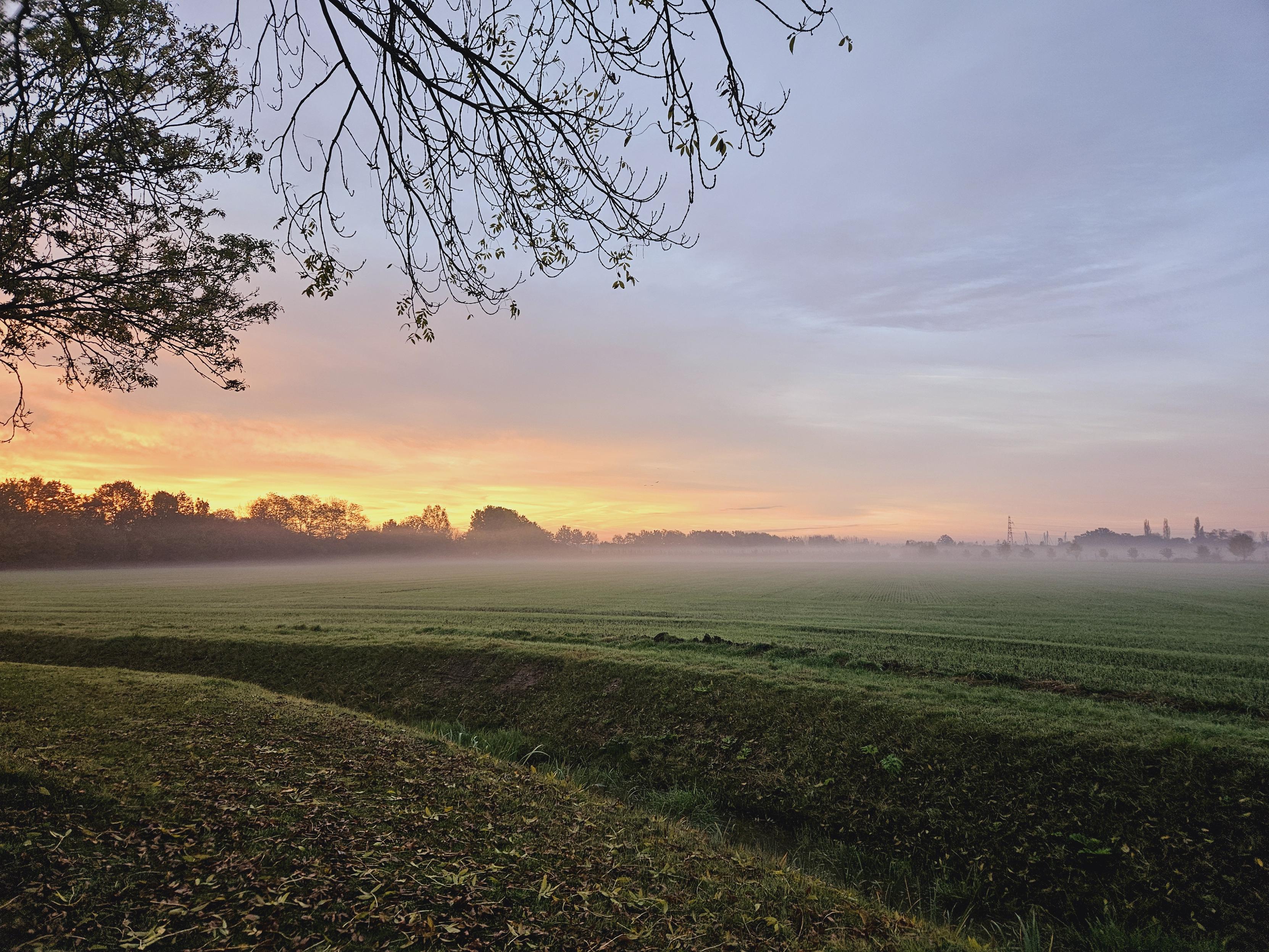
<p>Helloooo! Let's try this <a href="/tags/introduction/" rel="tag">#introduction</a> <a href="/tags/mastodon/" rel="tag">#mastodon</a>.. <a href="/tags/newhere/" rel="tag">#newhere</a> <br>I'm Caroline from The Netherlands, have been eyeing all the beautiful <a href="/tags/photography/" rel="tag">#photography</a> accounts (amongst others) <br>Hope to connect on this platform!<br>Other interests: <a href="/tags/sleeptoken/" rel="tag">#sleeptoken</a> <a href="/tags/coffee/" rel="tag">#coffee</a> <a href="/tags/sarcasm/" rel="tag">#sarcasm</a> <a href="/tags/mentalhealth/" rel="tag">#mentalhealth</a> <a href="/tags/psychology/" rel="tag">#psychology</a> <a href="/tags/science/" rel="tag">#science</a> <a href="/tags/sciencefunfacts/" rel="tag">#sciencefunfacts</a> <a href="/tags/metalmusic/" rel="tag">#metalmusic</a> <a href="/tags/blues/" rel="tag">#blues</a> <a href="/tags/soul/" rel="tag">#soul</a> <a href="/tags/love/" rel="tag">#love</a> <a href="/tags/kindness/" rel="tag">#kindness</a> <a href="/tags/helpingothers/" rel="tag">#helpingothers</a> and so on</p><p>I'm not, in any way, shape or form a photographer but here are some shots 😆</p>
Edited 1y ago
<p>2005年,在庆祝创刊125周年之际, <a href="/tags/science/" rel="tag">#Science</a> 公布了125个最具挑战性的科学问题。这些问题包括: <a href="/tags/宇宙/" rel="tag">#宇宙</a> 是什么? <a href="/tags/意识/" rel="tag">#意识</a> 是什么? <a href="/tags/黑洞/" rel="tag">#黑洞</a> 是什么? <a href="/tags/重力/" rel="tag">#重力</a> 是什么? <a href="/tags/时间/" rel="tag">#时间</a> 是什么?以及…… <a href="/tags/玻璃/" rel="tag">#玻璃</a> 是什么?</p>
<p>Please share: Our Max Planck Institute recently left X and is present here on Mastodon. Give them a follow! Beautiful pictures from the science of light!</p><p><a href="/tags/mastodon/" rel="tag">#Mastodon</a> <a href="/tags/physics/" rel="tag">#Physics</a> <a href="/tags/science/" rel="tag">#Science</a> <a href="/tags/light/" rel="tag">#Light</a> <a href="/tags/quantum/" rel="tag">#Quantum</a> <a href="/tags/optics/" rel="tag">#Optics</a> <a href="/tags/photonics/" rel="tag">#Photonics</a> <a href="/tags/pictures/" rel="tag">#Pictures</a> </p><p><span class="h-card"><a href="https://wisskomm.social/@maxplanckgesellschaft" class="u-url mention" rel="nofollow noopener noreferrer" target="_blank">@<span>maxplanckgesellschaft</span></a></span> </p><p>From: <span class="h-card"><a href="https://wisskomm.social/@MPI_ScienceOfLight" class="u-url mention" rel="nofollow noopener noreferrer" target="_blank">@<span>MPI_ScienceOfLight</span></a></span><br><a href="https://wisskomm.social/@MPI_ScienceOfLight/113906463840724222" rel="nofollow" class="ellipsis" title="wisskomm.social/@MPI_ScienceOfLight/113906463840724222"><span class="invisible">https://</span><span class="ellipsis">wisskomm.social/@MPI_ScienceOf</span><span class="invisible">Light/113906463840724222</span></a></p>
<p>I've been reading up on the Lottery Ticket Hypothesis, which is super interesting.</p><p>Basically, the observation is that these days we build vast neural networks with billions of parameters, but most of the parameters aren't needed. That is, after training, you can just throw away 95% of the network (pruning), and it will still work fine.</p><p>The LTH paper is asking: could we start with a network just 5% of the size, and get comparable results? If so, that would be a huge performance win for Deep Learning.</p><p>What's interesting is that you can do this, but only by training the full network (perhaps several times) to see which neurons are needed. They argue that training a neural network isn't so much creating a model, as finding a lucky sub-network (a lottery ticket) from the randomly initialized network, a bit like a sculpter "finding" the bust hidden in a block of marble.</p><p>Initial LTH paper: <a href="http://arxiv.org/abs/1803.03635" rel="nofollow"><span class="invisible">http://</span>arxiv.org/abs/1803.03635</a><br>Follow-up with major clarifications: <a href="http://arxiv.org/abs/1905.01067" rel="nofollow"><span class="invisible">http://</span>arxiv.org/abs/1905.01067</a></p><p><a href="/tags/science/" rel="tag">#science</a> <a href="/tags/ai/" rel="tag">#ai</a> <a href="/tags/machinelearning/" rel="tag">#machinelearning</a></p>
<p>Vera Rubin Was a Pioneering Female Astronomer. Her Federal Bio Now Doesn’t Mention Efforts to Diversify Science.<br>—</p><p>The edits to the webpage offer a glimpse into how far the Trump administration will go in refusing to acknowledge today’s inequalities as it purges federal initiatives promoting diversity, equity and inclusion.</p><p><a href="https://www.propublica.org/article/vera-rubin-astronomer-dei-trump?utm_source=mastodon&utm_medium=social&utm_campaign=mastodon-post" rel="nofollow" class="ellipsis" title="www.propublica.org/article/vera-rubin-astronomer-dei-trump?utm_source=mastodon&utm_medium=social&utm_campaign=mastodon-post"><span class="invisible">https://</span><span class="ellipsis">www.propublica.org/article/ver</span><span class="invisible">a-rubin-astronomer-dei-trump?utm_source=mastodon&utm_medium=social&utm_campaign=mastodon-post</span></a></p><p><a href="/tags/news/" rel="tag">#News</a> <a href="/tags/government/" rel="tag">#Government</a> <a href="/tags/dei/" rel="tag">#DEI</a> <a href="/tags/science/" rel="tag">#Science</a> <a href="/tags/astronomy/" rel="tag">#Astronomy</a> <a href="/tags/space/" rel="tag">#Space</a> <a href="/tags/trump/" rel="tag">#Trump</a></p>
Edited 1y ago
<p>A Harvard study found that the children of women who contracted COVID-19 while pregnant may be at an increased risk for autism and other neurodevelopmental diagnoses, raising new concerns about the CDC’s decision to stop recommending the vaccine to pregnant women.<br><a href="https://www.propublica.org/article/covid-pregnancy-risk-autism-study-cdc?utm_source=mastodon&utm_medium=social&utm_campaign=mastodon-post" rel="nofollow" class="ellipsis" title="www.propublica.org/article/covid-pregnancy-risk-autism-study-cdc?utm_source=mastodon&utm_medium=social&utm_campaign=mastodon-post"><span class="invisible">https://</span><span class="ellipsis">www.propublica.org/article/cov</span><span class="invisible">id-pregnancy-risk-autism-study-cdc?utm_source=mastodon&utm_medium=social&utm_campaign=mastodon-post</span></a></p><p><a href="/tags/news/" rel="tag">#News</a> <a href="/tags/science/" rel="tag">#Science</a> <a href="/tags/research/" rel="tag">#Research</a> <a href="/tags/health/" rel="tag">#Health</a> <a href="/tags/covid/" rel="tag">#COVID</a> <a href="/tags/vaccines/" rel="tag">#Vaccines</a> <a href="/tags/women/" rel="tag">#Women</a> <a href="/tags/autism/" rel="tag">#Autism</a></p>
<p>This paper investigates how competition to publish first and thereby establish priority impacts the quality of scientific research. We begin by developing a model where scientists decide whether and how long to work on a given project. When deciding how long they should let their projects mature, scientists trade off the marginal benefit of higher quality research against the marginal risk of being preempted. Projects with the highest scientific potential are the most competitive because they induce the most entry. Therefore, the model predicts these projects are also the most rushed and lowest quality.<br></p><a href="https://academic.oup.com/qje/advance-article/doi/10.1093/qje/qjaf010/7997678" rel="nofollow" class="ellipsis" title="academic.oup.com/qje/advance-article/doi/10.1093/qje/qjaf010/7997678"><span class="invisible">https://</span><span class="ellipsis">academic.oup.com/qje/advance-a</span><span class="invisible">rticle/doi/10.1093/qje/qjaf010/7997678</span></a><br><br>It's interesting to think about what subjects are perceived to be high value and therefore have rushed and low quality research regularly published about them. (attn <span class="h-card"><a href="https://assemblag.es/@theluddite" class="u-url mention" rel="nofollow noopener noreferrer" target="_blank">@<span>theluddite</span></a></span> )<br><br><a href="/tags/science/" rel="tag">#Science</a> <a href="/tags/scienceresearch/" rel="tag">#ScienceResearch</a> <a href="/tags/sciencepublishing/" rel="tag">#SciencePublishing</a> <a href="/tags/competition/" rel="tag">#competition</a><br>
<p>PRESS RELEASE: A research team led by Dr. Sofia Sheikh of the SETI Institute, in collaboration with the Characterizing Atmospheric Technosignatures project and the Penn State Extraterrestrial Intelligence Center, set out to answer a simple question: If an extraterrestrial civilization existed with technology similar to ours, would they be able to detect Earth and evidence of humanity? If so, what signals would they detect, and from how far away? <a href="https://youtu.be/Pdg2x3NP2ds" rel="nofollow"><span class="invisible">https://</span>youtu.be/Pdg2x3NP2ds</a> </p><p><a href="/tags/science/" rel="tag">#science</a> <a href="/tags/space/" rel="tag">#space</a> <a href="/tags/scicomm/" rel="tag">#scicomm</a></p>
<p>What a $2 Million Per Dose Gene Therapy Reveals About Drug Pricing<br>—</p><p>Taxpayers and charities helped develop Zolgensma. Then it debuted at a record price, ushering in a new class of wildly expensive drugs. Its story upends the widely held conception that high prices reflect huge industry investments in innovation.</p><p><a href="https://www.propublica.org/article/zolgensma-sma-novartis-drug-prices-gene-therapy-avexis?utm_source=mastodon&utm_medium=social&utm_campaign=mastodon-post" rel="nofollow" class="ellipsis" title="www.propublica.org/article/zolgensma-sma-novartis-drug-prices-gene-therapy-avexis?utm_source=mastodon&utm_medium=social&utm_campaign=mastodon-post"><span class="invisible">https://</span><span class="ellipsis">www.propublica.org/article/zol</span><span class="invisible">gensma-sma-novartis-drug-prices-gene-therapy-avexis?utm_source=mastodon&utm_medium=social&utm_campaign=mastodon-post</span></a></p><p><a href="/tags/news/" rel="tag">#News</a> <a href="/tags/health/" rel="tag">#Health</a> <a href="/tags/healthcare/" rel="tag">#Healthcare</a> <a href="/tags/medicine/" rel="tag">#Medicine</a> <a href="/tags/genetics/" rel="tag">#Genetics</a> <a href="/tags/biotech/" rel="tag">#Biotech</a> <a href="/tags/science/" rel="tag">#Science</a></p>
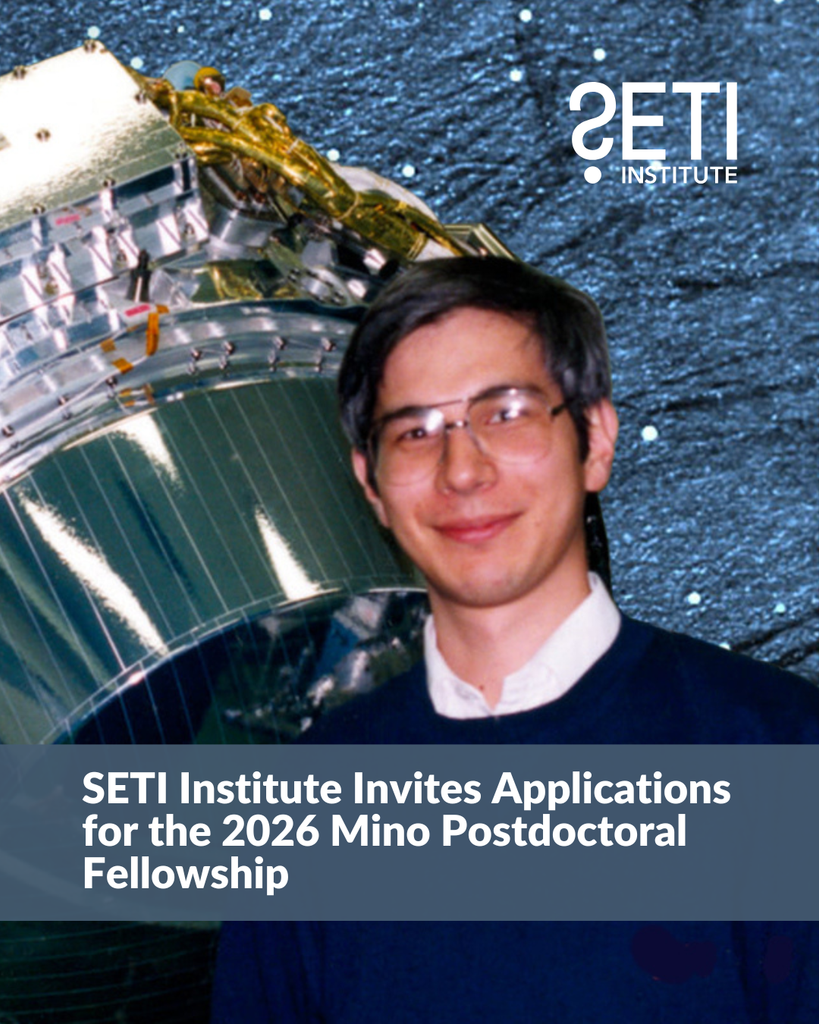
<p>PRESS RELEASE:<br>The SETI Institute is pleased to open the call for applications for the 2026 Mino Postdoctoral Fellowship. This research program offers an exceptional opportunity for talented early-career scientists worldwide to contribute significant advances in several fields.</p><p>Applications open on November 20, 2025, and must be submitted by January 16, 2026.</p><p>To learn more and apply: <a href="https://www.seti.org/news/seti-institute-invites-applications-for-the-2026-mino-postdoctoral-fellowship/" rel="nofollow" class="ellipsis" title="www.seti.org/news/seti-institute-invites-applications-for-the-2026-mino-postdoctoral-fellowship/"><span class="invisible">https://</span><span class="ellipsis">www.seti.org/news/seti-institu</span><span class="invisible">te-invites-applications-for-the-2026-mino-postdoctoral-fellowship/</span></a> </p><p><a href="/tags/science/" rel="tag">#science</a> <a href="/tags/postdoc/" rel="tag">#postdoc</a></p>
Edited 190d ago
<p>Europe power guru Wang Xiongfei returns to China, bringing expertise in grid stability.</p><p><a href="https://www.scmp.com/news/china/science/article/3324355/europe-power-guru-wang-xiongfei-returns-china-bringing-expertise-grid-stability" rel="nofollow" class="ellipsis" title="www.scmp.com/news/china/science/article/3324355/europe-power-guru-wang-xiongfei-returns-china-bringing-expertise-grid-stability"><span class="invisible">https://</span><span class="ellipsis">www.scmp.com/news/china/scienc</span><span class="invisible">e/article/3324355/europe-power-guru-wang-xiongfei-returns-china-bringing-expertise-grid-stability</span></a></p><p><a href="/tags/china/" rel="tag">#china</a> <a href="/tags/science/" rel="tag">#science</a> <a href="/tags/technology/" rel="tag">#technology</a></p>
It semells like mayoonaise if I pick my nose and sniff my finger.. @neildegrases typeson tell me why? <a href="/tags/science/" rel="tag">#science</a> <a href="/tags/science/" rel="tag">#science</a> education<br>
<p>Babies Are Bleeding to Death as Parents Reject a Vitamin Shot Given at Birth<br>---</p><p>The vitamin K shot, a lifesaving injection given to newborns to prevent uncontrollable bleeding of the brain and intestines, has become collateral damage of the anti-vaccine movement.<br><a href="https://www.propublica.org/article/more-parents-decline-vitamin-k-shot-newborns?utm_source=mastodon&utm_medium=social&utm_campaign=mastodon-post" rel="nofollow" class="ellipsis" title="www.propublica.org/article/more-parents-decline-vitamin-k-shot-newborns?utm_source=mastodon&utm_medium=social&utm_campaign=mastodon-post"><span class="invisible">https://</span><span class="ellipsis">www.propublica.org/article/mor</span><span class="invisible">e-parents-decline-vitamin-k-shot-newborns?utm_source=mastodon&utm_medium=social&utm_campaign=mastodon-post</span></a></p><p><a href="/tags/news/" rel="tag">#News</a> <a href="/tags/parenting/" rel="tag">#Parenting</a> <a href="/tags/health/" rel="tag">#Health</a> <a href="/tags/publichealth/" rel="tag">#PublicHealth</a> <a href="/tags/science/" rel="tag">#Science</a> <a href="/tags/medicine/" rel="tag">#Medicine</a> <a href="/tags/children/" rel="tag">#Children</a></p>
fuck vevo <a href="https://www.youtube.com/watch?v=5HI_xFQWiYU" rel="nofollow" class="ellipsis" title="www.youtube.com/watch?v=5HI_xFQWiYU"><span class="invisible">https://</span><span class="ellipsis">www.youtube.com/watch?v=5HI_xF</span><span class="invisible">QWiYU</span></a> fuck vevo<br><br><a href="/tags/onetake/" rel="tag">#onetake</a> <a href="/tags/cinematography/" rel="tag">#cinematography</a> <a href="/tags/one/" rel="tag">#one</a> <a href="/tags/take/" rel="tag">#take</a> <a href="/tags/science/" rel="tag">#science</a> <a href="/tags/direction/" rel="tag">#direction</a> <a href="/tags/artshare/" rel="tag">#artshare</a> <a href="/tags/photography/" rel="tag">#photography</a><br>
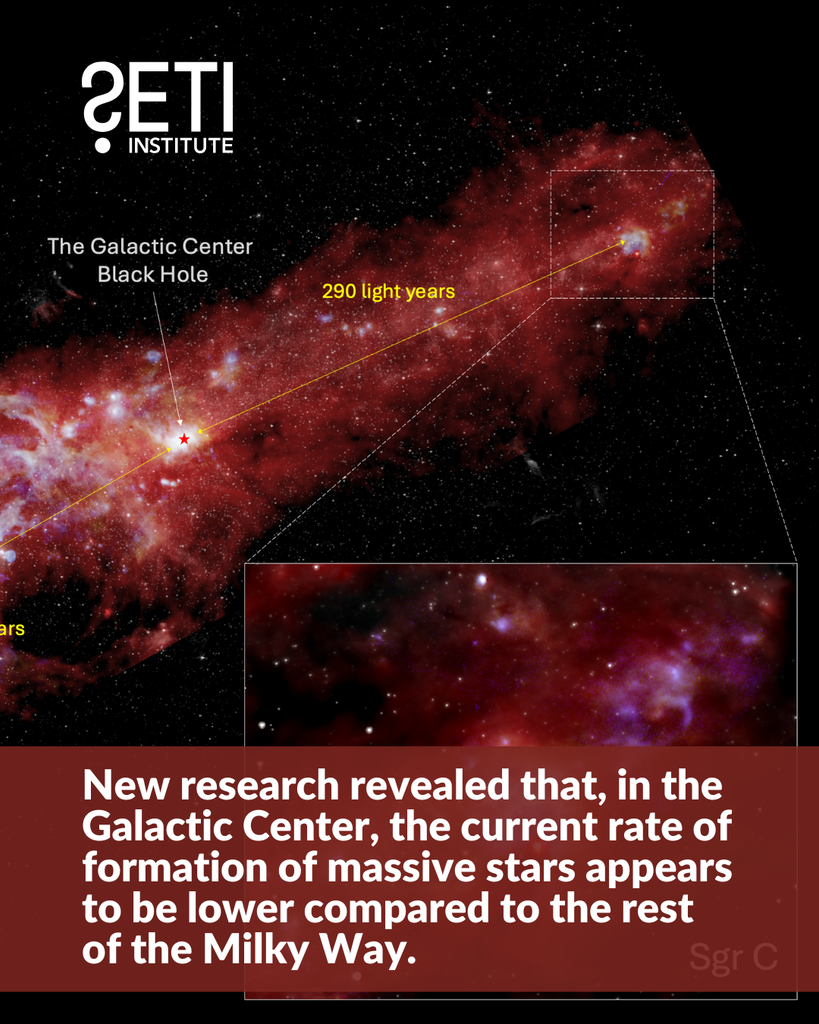
<p>PRESS RELEASE: <a href="https://www.seti.org/press-release/unusual-stellar-nurseries-near-our-galaxys-center-puzzle-scientists" rel="nofollow" class="ellipsis" title="www.seti.org/press-release/unusual-stellar-nurseries-near-our-galaxys-center-puzzle-scientists"><span class="invisible">https://</span><span class="ellipsis">www.seti.org/press-release/unu</span><span class="invisible">sual-stellar-nurseries-near-our-galaxys-center-puzzle-scientists</span></a> </p><p>New research led by Dr. James De Buizer at the SETI Institute and Dr. Wanggi Lim at IPAC at Caltech revealed that, although the central part of our Galaxy has a much higher density of star-forming material than the rest of the Milky Way, in the Galactic Center, the current rate of formation of massive stars (those larger than 8 times the mass of our Sun) appears to be lower compared to the rest of the Galaxy.</p><p><a href="/tags/space/" rel="tag">#space</a> <a href="/tags/science/" rel="tag">#science</a> <a href="/tags/scicomm/" rel="tag">#scicomm</a></p>
<p>From Futurism: "Scientists Calculate That the Entire Big Bang Must Have Taken Place Inside a Black Hole. </p><p>And we're still trapped inside it."</p><p><a href="/tags/science/" rel="tag">#science</a> <a href="/tags/bigbangtheory/" rel="tag">#BigBangTheory</a> <a href="/tags/blackholes/" rel="tag">#BlackHoles</a> </p><p><a href="https://futurism.com/big-bang-inside-black-hole?fbclid=IwY2xjawK4bBVleHRuA2FlbQIxMQABHtPIvNhYbTB_SSAihWx7FHDH3-EBak9sQckC5-WZbTfxHCdT_Mh9bkbd0aRz_aem_e750hZkSN8xK1G_jwGgsEw" rel="nofollow" class="ellipsis" title="futurism.com/big-bang-inside-black-hole?fbclid=IwY2xjawK4bBVleHRuA2FlbQIxMQABHtPIvNhYbTB_SSAihWx7FHDH3-EBak9sQckC5-WZbTfxHCdT_Mh9bkbd0aRz_aem_e750hZkSN8xK1G_jwGgsEw"><span class="invisible">https://</span><span class="ellipsis">futurism.com/big-bang-inside-b</span><span class="invisible">lack-hole?fbclid=IwY2xjawK4bBVleHRuA2FlbQIxMQABHtPIvNhYbTB_SSAihWx7FHDH3-EBak9sQckC5-WZbTfxHCdT_Mh9bkbd0aRz_aem_e750hZkSN8xK1G_jwGgsEw</span></a></p>
Massive compute power applied to massive data sets can produce outcomes that are worse at the task they’re (ostensibly) intended for than much simpler, easier to understand, less wasteful, and less intrusive data-light methods. It requires an extreme form of bias to believe that big compute + big data is always better.<br><br><a href="/tags/ai/" rel="tag">#AI</a> <a href="/tags/genai/" rel="tag">#GenAI</a> <a href="/tags/generativeai/" rel="tag">#GenerativeAI</a> <a href="/tags/llms/" rel="tag">#LLMs</a> <a href="/tags/tech/" rel="tag">#tech</a> <a href="/tags/dev/" rel="tag">#dev</a> <a href="/tags/datascience/" rel="tag">#DataScience</a> <a href="/tags/science/" rel="tag">#science</a> <a href="/tags/computerscience/" rel="tag">#ComputerScience</a> <a href="/tags/ecologicalrationality/" rel="tag">#EcologicalRationality</a><br>
Edited 182d ago
<p>The present perspective outlines how epistemically baseless and ethically pernicious paradigms are recycled back into the scientific literature via machine learning (ML) and explores connections between these two dimensions of failure. We hold up the renewed emergence of physiognomic methods, facilitated by ML, as a case study in the harmful repercussions of ML-laundered junk science. A summary and analysis of several such studies is delivered, with attention to the means by which unsound research lends itself to social harms. We explore some of the many factors contributing to poor practice in applied ML. In conclusion, we offer resources for research best practices to developers and practitioners.<br></p>From The reanimation of pseudoscience in machine learning and its ethical repercussions here: <a href="https://www.cell.com/patterns/fulltext/S2666-3899(24)00160-0" rel="nofollow" class="ellipsis" title="www.cell.com/patterns/fulltext/S2666-3899(24)00160-0"><span class="invisible">https://</span><span class="ellipsis">www.cell.com/patterns/fulltext</span><span class="invisible">/S2666-3899(24)00160-0</span></a>. It's open access.<br><br>In other words ML--which includes generative AI--is smuggling long-disgraced pseudoscientific ideas back into "respectable" science, and rejuvenating the harms such ideas cause.<br><br><a href="/tags/ai/" rel="tag">#AI</a> <a href="/tags/genai/" rel="tag">#GenAI</a> <a href="/tags/generativeai/" rel="tag">#GenerativeAI</a> <a href="/tags/llms/" rel="tag">#LLMs</a> <a href="/tags/machinelearning/" rel="tag">#MachineLearning</a> <a href="/tags/ml/" rel="tag">#ML</a> <a href="/tags/aiethics/" rel="tag">#AIEthics</a> <a href="/tags/science/" rel="tag">#science</a> <a href="/tags/pseudoscience/" rel="tag">#pseudoscience</a> <a href="/tags/junkscience/" rel="tag">#JunkScience</a> <a href="/tags/eugenics/" rel="tag">#eugenics</a> <a href="/tags/physiognomy/" rel="tag">#physiognomy</a><br>
Edited 182d ago
<p>Shattered Science: The Research Lost as Trump Targets NIH Funding<br>—</p><p>The Trump administration cut research funding that sought cures for future pandemics, examined the causes of dementia and tried to prevent HIV transmission. ProPublica heard from more than 150 researchers to understand the work that’s been lost.<br><a href="https://projects.propublica.org/nih-cuts-research-lost-trump/?utm_source=mastodon&utm_medium=social&utm_campaign=mastodon-post" rel="nofollow" class="ellipsis" title="projects.propublica.org/nih-cuts-research-lost-trump/?utm_source=mastodon&utm_medium=social&utm_campaign=mastodon-post"><span class="invisible">https://</span><span class="ellipsis">projects.propublica.org/nih-cu</span><span class="invisible">ts-research-lost-trump/?utm_source=mastodon&utm_medium=social&utm_campaign=mastodon-post</span></a></p><p><a href="/tags/news/" rel="tag">#News</a> <a href="/tags/nih/" rel="tag">#NIH</a> <a href="/tags/trump/" rel="tag">#Trump</a> <a href="/tags/science/" rel="tag">#Science</a> <a href="/tags/research/" rel="tag">#Research</a> <a href="/tags/health/" rel="tag">#Health</a> <a href="/tags/publichealth/" rel="tag">#PublicHealth</a> <a href="/tags/medicine/" rel="tag">#Medicine</a></p>
<p>Trump’s anti-green agenda could lead to 1.3 million more temperature-related deaths.</p><p>Most of the people expected to suffer live in poor countries in Africa and South Asia that are least prepared to cope with the increasing heat from climate change.<br><a href="https://www.propublica.org/article/trump-climate-rollbacks-heat-deaths?utm_source=mastodon&utm_medium=social&utm_campaign=mastodon-post" rel="nofollow" class="ellipsis" title="www.propublica.org/article/trump-climate-rollbacks-heat-deaths?utm_source=mastodon&utm_medium=social&utm_campaign=mastodon-post"><span class="invisible">https://</span><span class="ellipsis">www.propublica.org/article/tru</span><span class="invisible">mp-climate-rollbacks-heat-deaths?utm_source=mastodon&utm_medium=social&utm_campaign=mastodon-post</span></a></p><p><a href="/tags/news/" rel="tag">#News</a> <a href="/tags/climate/" rel="tag">#Climate</a> <a href="/tags/climatechange/" rel="tag">#ClimateChange</a> <a href="/tags/trump/" rel="tag">#Trump</a> <a href="/tags/data/" rel="tag">#Data</a> <a href="/tags/science/" rel="tag">#Science</a> <a href="/tags/politics/" rel="tag">#Politics</a></p>