中餐
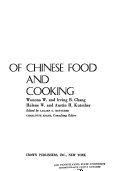
An Encyclopedia of Chinese Food and Cooking 谷歌图书
作者: Wonona W. Chang publishing house: Crown Publishers 1970
The children learn 100 spelling words, plant 100 seeds, bake 100 cookies, and "do everything the 100 way" to celebrate this special day.
2023年12月4日 已读
这本出版于1970年,可以看出是同期英文中餐书里非常认真的一本。两位华裔作者分别是一代和二代移民,录菜按区域和材料划分。不仅有西化中餐和家常简餐,也有正宗中餐,比如粉蒸牛肉甜烧白这种。更有一众老菜,比如(划归)京派的肉羊羹,它似蜜,也有龙穿凤翼和五柳鱼这种名字吊打当下某些原耽书名的菜。不过书中京鲁沪粤川为主,偶有两湖和云南,西北东北则未涉及。
2023年12月4日 评论 一些笔记 - 关于 An Encyclopedia of Chinese Food and Cooking 的评论
海外 菜谱 中餐
The Pleasures of Chinese Cooking 谷歌图书
作者: Grace Zia Chu publishing house: Simon and Schuster 1962
Abstract: Part 1 of the Chinese cookbook introduces the reader to Chinese cooking, discusses ingredients, cutting and working with equipment, cooking techniques, information on tea, ordering Chinese food and food purchasing. Part 2 presents recipes that are found in Chinese-American restaurants, made with ingredients found in the American market, and from Chinese markets, banquet/gourmet dishes, and hors d'oeuvres. Four ways to prepare duck are given. (kbc).
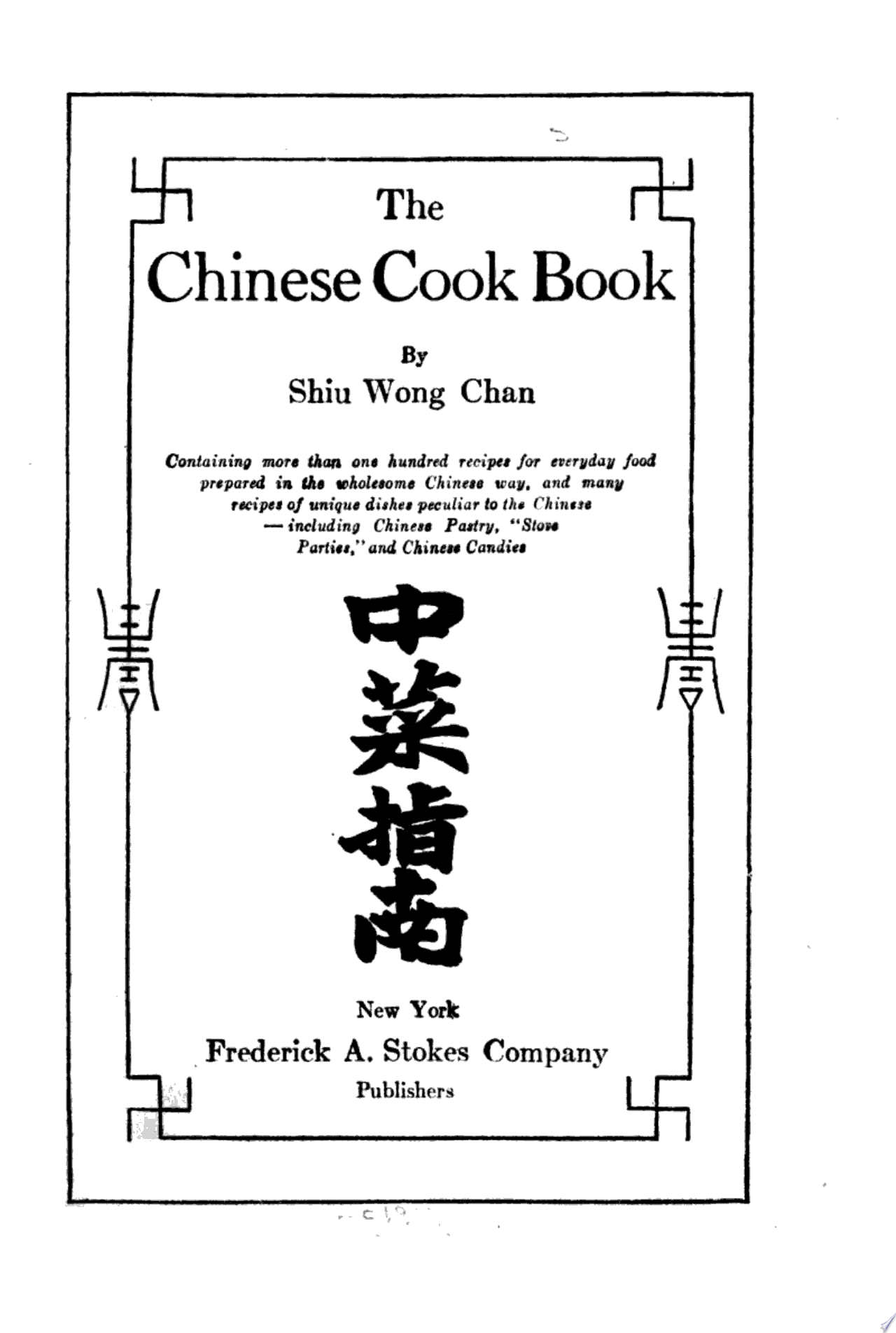
The Chinese Cook Book 谷歌图书
作者: Shiu Wong Chan publishing house: Frederick A. Stokes Company 1917
A collection of American culinary history including cookbooks, menus and ephemera from the 16th through to the 21st century. Through this culinary archive researchers can explore changing attitudes towards diet and health, homemaking, commercial dining and the industrialisation of food production. The material has been collected over many years by Jan Longone, an adjunct curator in the University of Michigan Special Collections Research Center, and her husband University of Michigan Emeritus Professor Daniel T. Longone.
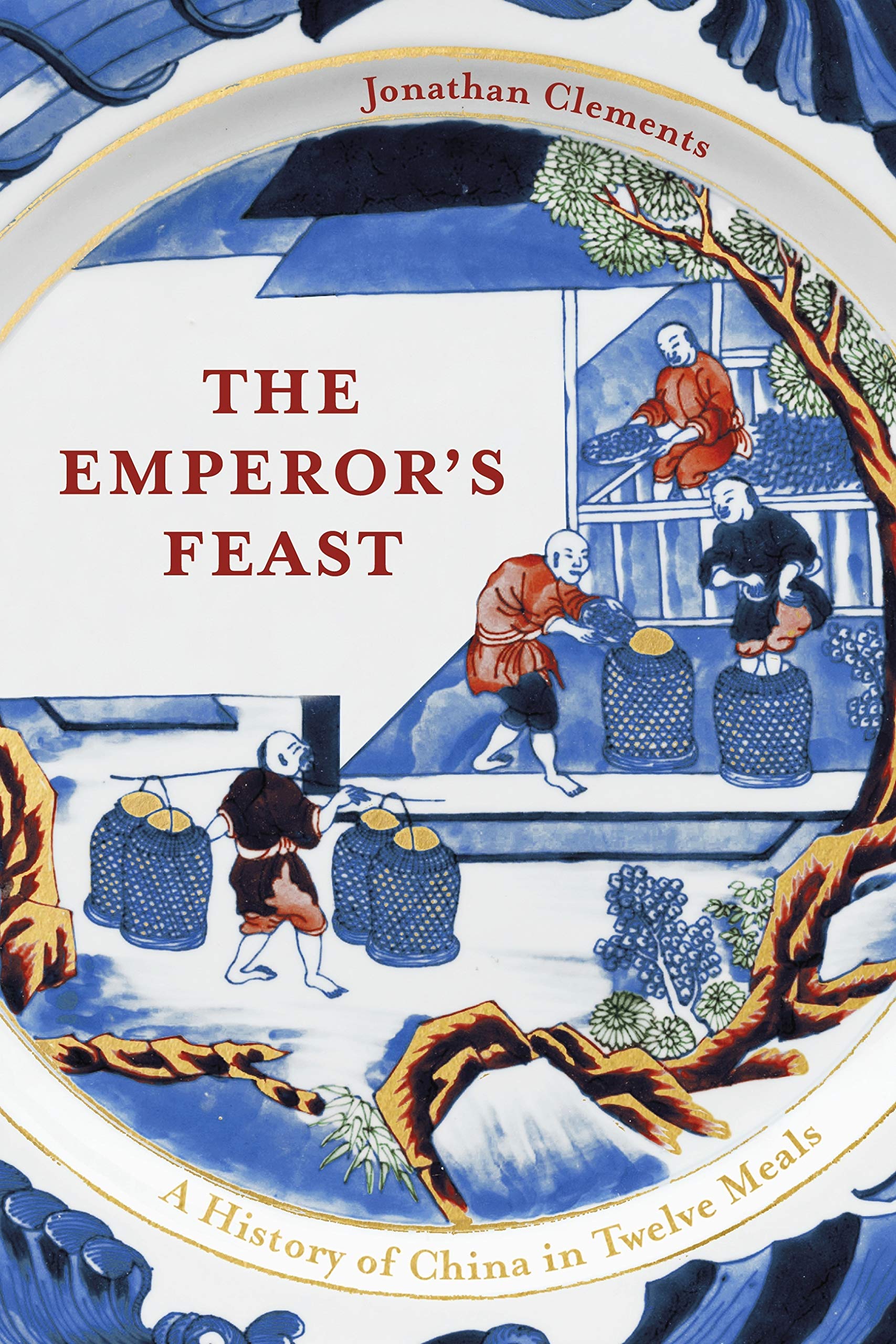
The Emperor's Feast: A History of China in Twelve Meals Goodreads
publishing house: Hodder & Stoughton 2021 - 2
Author and presenter Jonathan Clements serves up the history of China – not according to emperors or battles, but according to its food and drink.<br /><br />Stretching over 5,000 years and several continents, The Emperor’s Feast tracks different ingredients, dishes and eating habits across both time and geography, shaped by China’s political, cultural and technological evolution and remarkable entrance onto the world stage.<br /><br />We see the influence of invaders such as the Mongols and the Manchus, and discover how food – like the fiery cuisine of Sichuan or the hardy dishes of the north – often became a stand-in for regional and national identities. We follow Chinese flavours to the shores of Europe and America, where enterprising chefs and home cooks created new traditions and dishes unheard of in the homeland.<br /><br />From dim sum to mooncakes to General Tso’s chicken, The Emperor’s Feast shows us that the story of Chinese food is ultimately the story of a nation – not just the one that history tells us, but also the one that China tells us about itself.