499 Nights of Female-Fronted Frights
487 movies 3 tv shows
With the horrors of 2020, do you need a horror movie a day to keep the demons at bay? I do, and if you do too, challenge yourself to discover more of the powers of women in cinema. Many believe female horror directors and their films are impossible to find, particularly certain, ahem, studio execs. To prove them wrong, aid others in pursuit of a good scare, and challenge myself, I decided to put together a list of female-directed horror to watch and rate. To date, I have found almost 500 feature-length creeps and scares from women all over the world, with many more coming out in 2020. In this list, I have organized the films I’ve found so far by title. I encourage others to use this list as a jumping-off point to dive into new discoveries in horror. A warning: some inclusions are multi-genre or have major horror elements used for dramatic purposes while not being horror per se. I aggregated many other people’s lists and did a lot of my own research and digging, but can’t verify anything until I complete this watching project myself. Suggestions for additions welcome! Big thanks to Lyzette’s <a href="https://boxd.it/tz9G">list of Women-Made Horror</a>, which helped me form the basis for this list. Not on Letterboxd: Let’s Go Home (2019).
Riot Girls (2019) [Movie] WikiData TMDB Skybridge IMDb
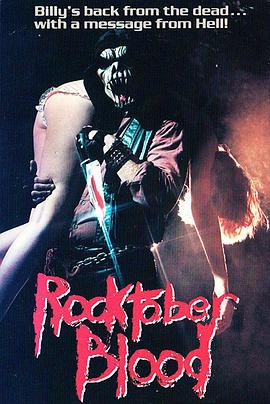
Riot GirlsRocktober Blood (1984) [Movie] Douban IMDb TMDB WikiData
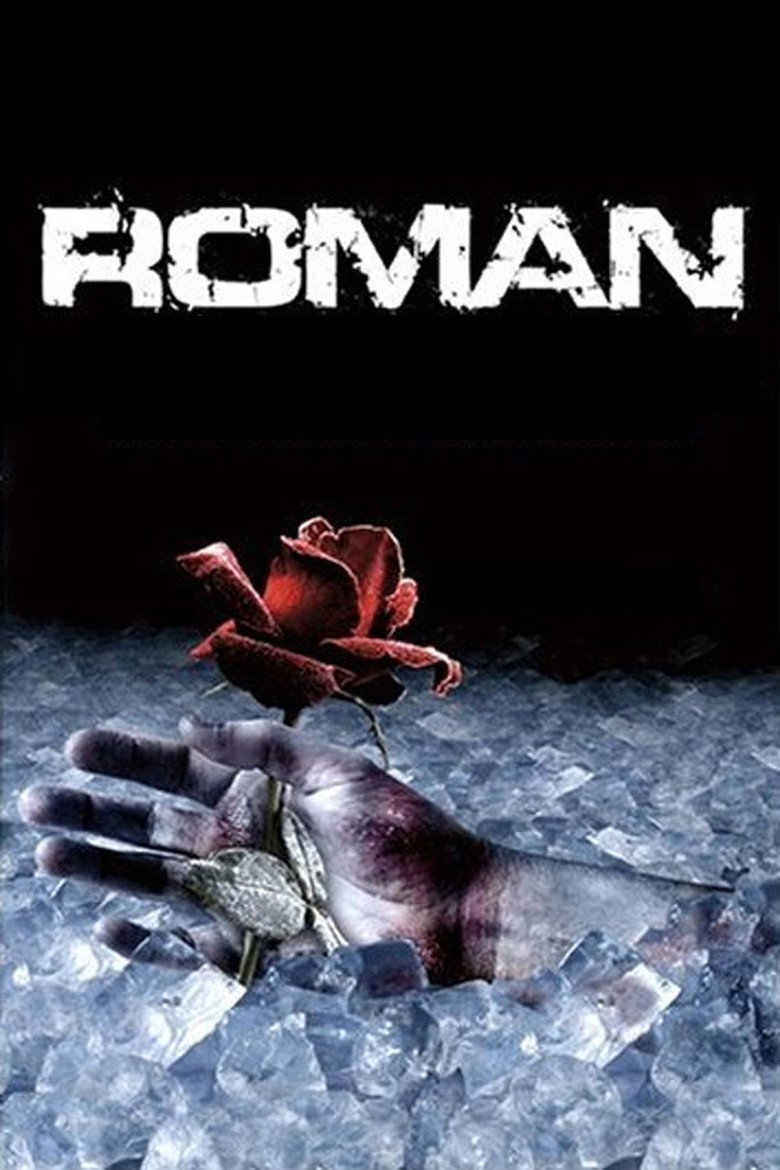
Rocktober BloodRoman (2006) [Movie] TMDB IMDb WikiData
RomanRosemary's Baby (2014) [TV] Douban TMDB
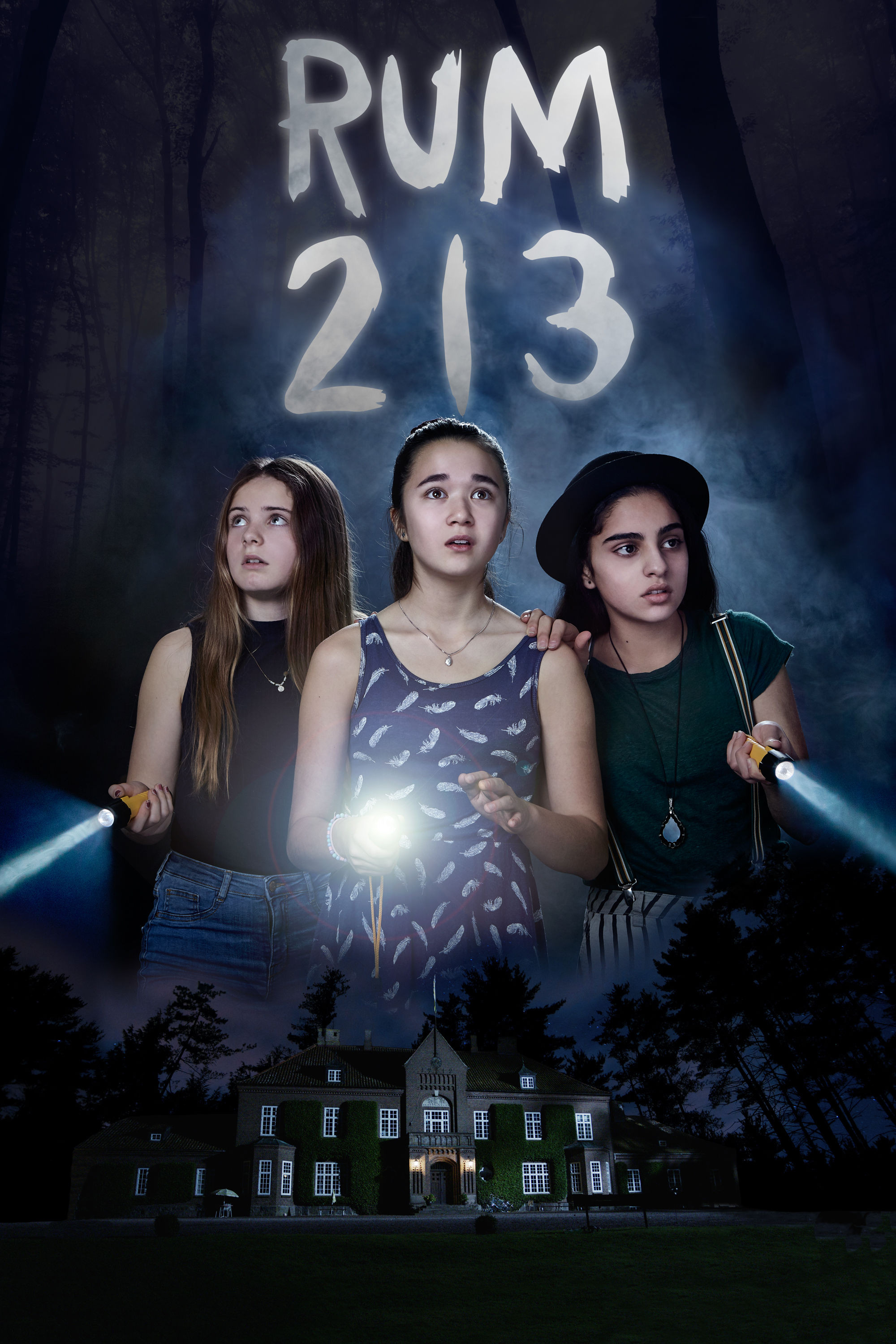
Rosemary's Baby Season 1 part of TV Series: Rosemary's BabyRoom 213 (2017) [Movie] TMDB IMDb WikiData
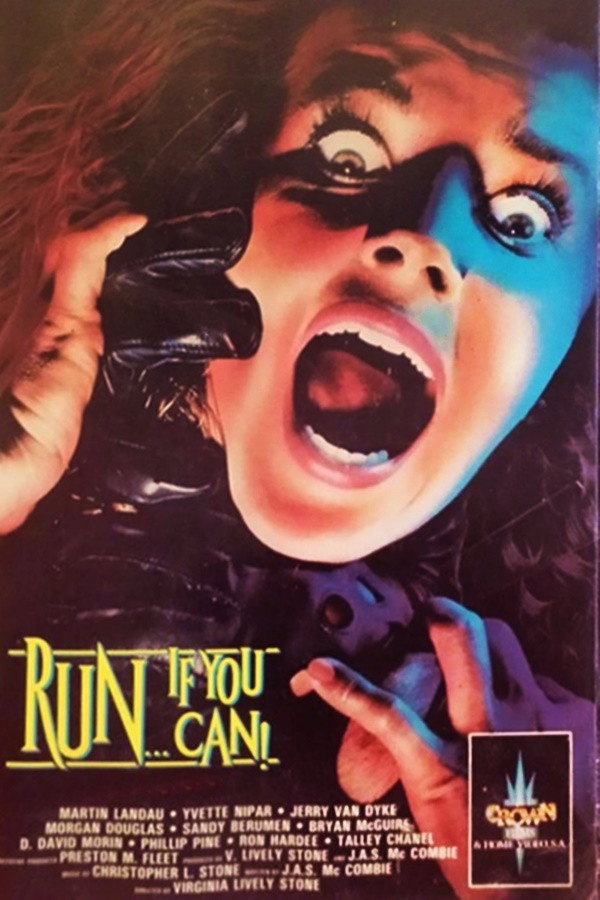
Rum 213Run If You Can (1988) [Movie] TMDB IMDb
Run If You CanSaint Maud (2019) [Movie] Eggplant.place Douban IMDb TMDB WikiData
Saint MaudSalome (1923) [Movie] Douban WikiData TMDB IMDb
SalomeSalomé is often called one of the first art films to be made in the U.S.[citation needed] The highly stylized costumes, exaggerated acting (even for the period), minimal sets, and absence of all but the most necessary props make for a screen image much more focused on atmosphere and on conveying a sense of the characters' individual heightened desires than on conventional plot development.
Despite the film being only a little over an hour in length and having no real action to speak of, it cost over $350,000 to make. All the sets were constructed indoors to be able to have complete control over the lighting. The film was shot completely in black and white, matching the illustrations done by Aubrey Beardsley in the printed edition of Wilde's play. The costumes, designed by Natacha Rambova, used material only from Maison Lewis of Paris, such as the real silver lamé loincloths worn by the guards.
No major studio would be associated with the film, and it was years after its completion before it was released, by a minor independent distributor. It was a complete failure at the time and marked the end of Nazimova's producing career.
A longstanding rumor, which seems to have started while the film was still in production, suggests that its cast is comprised entirely of gay and bisexual actors in an homage to Oscar Wilde, as per star and producer Nazimova's demand. It is, of course, impossible to say, but one of the extras in Salomé reported that a number of the cast members—both featured and extras—were indeed gay, but not an unusual percentage of them, and certainly not all of them. What can be said is that Nazimova herself was a lesbian, the two guard characters (who, next to Salomé, have the most screen time) are at least played very stereotypically gay, and several of the female courtiers are men in drag.
Salomé was screened in 1989 at the New York International Festival of Lesbian and Gay films and in 1990 at the New York Gay Experimental Film Festival.
In 2000, the United States Library of Congress deemed the film "culturally significant" and selected it for preservation in the National Film Registry.