The Flying Dutchman — Director (31)
The Flaming Arrow (1911) [Movie] Douban
De Wigwam
other title: 茅屋 / De Wigwam
1911年,13岁的伊文思在家人的协助下拍摄了一部长200米的影片《茅屋》,只是他的第一部电影习作。
On the age of 13 Joris Ivens was fond of Cowboys and Indians stories, so he decided to invent one himself. He made a script and used a camera from his father's shop. This became his first film Wigwam, with his own family as cast. Black Eagle, a bad indian, kidnaps the daughter of a farmer's family. Flaming Arrow, played by the young Joris Ivens, saves the child from the kidnapper and brings it back to her family. No better conclusion than smoking a piece pipe.
The Pharmacy: Shanghai (1980) [Movie] Douban TMDB IMDb
La pharmacie nr. 3: Shanghai
8.0 (5 ratings) director: 尤里斯·伊文思
other title: 上海第三医药商店 / La pharmacie nr. 3: Shanghai
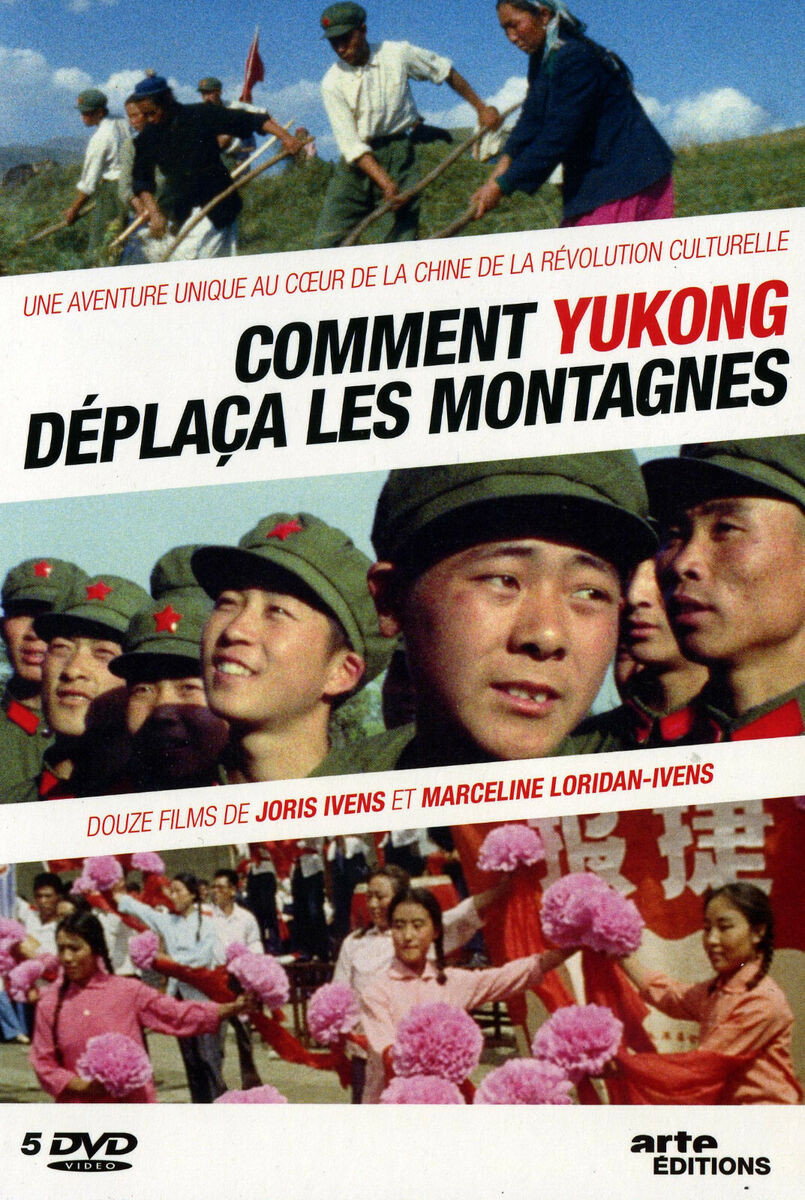
Between 1971 and 1975 Joris Ivens and Marceline Loridan worked on the preparations and filming of the monumental 12 hours Yukong series, consiting of twelve parts. The series became a portret of the Chinese and their daily life with its many aspects, and the benefits of the Cultural Revolution, intended for a Western public. Little was known in the West about China, so this work was a welcome source of information and for many people a first inside view at Chinese culture and life, letting the Chinese speak themselves. Despite the restrictions Ivens and Loridan met (which often became clear only afterwards), and the regular political changes, the films remain an important document of a period in Chinese history. The filmseries was made on invitation of Zhou En-Lai, the prime minister of China.
对运动的研究 (1928) [Movie] Douban
Études de mouvements
other title: Études de mouvements / Studies in Movement at Paris
1928年,伊文思第一次赴巴黎,试图探讨摄影机的表现可能性,并在那里拍摄了一部4分钟的短片《对运动的研究》。
Images of mostly traffic in Paris, a.o. seen from the appartment of Germaine Krull or shot while walking through the city with her. Here already the influence of the Russina avant-garde films can be seen clearly, e.g. when looking at the diagonal frame compositions.
Misery in Borinage (1933) [Movie] Eggplant.place IMDb Douban
Misère au Borinage
director: 尤里斯·伊文思 / 亨利.斯多克 actor: 工人 / 警察
other title: 博里那杰的悲哀 / Misère au Borinage
Henri Storck and Joris Ivens’ landmark of social documentary, blending staged scenes with locals and on-the-spot reportage to depict the 1932 miners’ strike in Belgium’s Borinage—evictions, hunger, and police repression—transforming outrage into a call for solidarity.
塞纳河畔 (1960) [Movie] Douban
La Seine a rencontré Paris
9.0 (8 ratings) director: 尤里斯·伊文思 actor: 塞尔日·雷吉亚尼
other title: La Seine a rencontré Paris
《塞纳河畔》(La Seine a rencontré Paris,尤里斯·伊文思,1958年|31分钟|35毫米|黑白|有声)以浓厚的诗情画意和温暖的人道情怀描绘了巴黎风情。影片开始,摄影机宛如轻盈的小船航行在塞纳河上,划过充满乡野气息的城郊,缓缓进入巴黎市区。接着,摄影机在塞纳河两岸驻足,展现岸边的生活场景:一个男人正在给自己补鞋,成群的市民漫无目的地闲逛,几个小痞子目不转睛地盯视在岸边拍照的女模特,恋人们旁若无人地沉溺在甜蜜的二人世界。一阵急雨袭来,人们迅速跑开。本片的创意源自法国电影史学家乔治·萨杜尔,试图在塞纳河与巴黎相逢的地方表现巴黎的风土人情(本片原名《塞纳河与巴黎相逢》。本片并非描写塞纳河和巴黎景色的风光片,而是一首充满温暖和煦的柔情、宽容慈悲的人道情怀以及洞察世事的幽默感的诗篇。本片拍摄完成不久就曾在中国放映,而且是导演亲自带来的拷贝。那时,他应中国政府文化部邀请访问中国,并应邀担任中央新闻纪录电影制片厂艺术顾问。本片导演尤里斯·伊文思(Joris Ivens,1898—1989)生于荷兰,年轻时代曾到许多国家拍片,后半生主要生活在法国巴黎。伊文思与中国的关系十分密切,从1938年拍摄《四万万人民》到文革时期拍摄《愚公移山》再到新时期拍摄《风的故事》,他多次来到中国并用摄影机记录下了中国不同时期的社会变迁。
How Yukong Moved the Mountains (1976) [TV] Douban
Comment Yukong déplaça les montagnes Season 1
9.1 (15 ratings) director: 尤里斯·伊文思 / 玛索琳娜·罗尔丹·伊文思
伊文思和罗丽丹的《愚公移山》是历时5年完成的长达12小时的12集系列片,记录了当时中国社会的方方面面,仅从每集的片名即可略见一斑:《大庆油田》(84分钟),《上海第三医药商店》(75分钟),《上海电机厂》(131分钟),《一位妇女,一个家庭》(110分钟),《渔村》(104分钟),《一座军营》(56分钟),《球的故事》(19分钟),《秦教授》(12分钟),《京剧排练》(30分钟),《北京杂技团练功》(18分钟),《手工艺艺人》(15分钟),《对上海的印象》(60分钟)。
The 400 Million (1939) [Movie] Douban IMDb TMDB WikiData
The 400 Million
8.1 (26 ratings) director: 尤里斯·伊文思 actor: 弗雷德里克·马奇 / 莫里斯·卡诺夫斯基
other title: 四万万人民 / 四亿人民
The 400 million people of China are heirs to a great civilization, as their pagodas and stone lions can attest. But they are under attack from the Japanese. Civilian refugees walk, stumble, crawl to escape the destruction of their cities... While in the China of tradition, water buffalo still work the paddies and camels cross the desert, modern China is now a republic founded by Dr. Sun Yat-sen, with modern schools, heavy industry, large engineering projects... The government of Chiang Kai-shek resists the Japanese invasion from the coast. Madame Chiang receives a cheque from the U.S.A. for war relief. War production continues in distant villages safe from the grasp of the Japanese. With modern weapons the Chinese are pursuing their struggle behind enemy lines. And still their opponent persists in his reprisal bombings of civilian targets. "Will these people win?"