Nick Dunning — Actor (8)
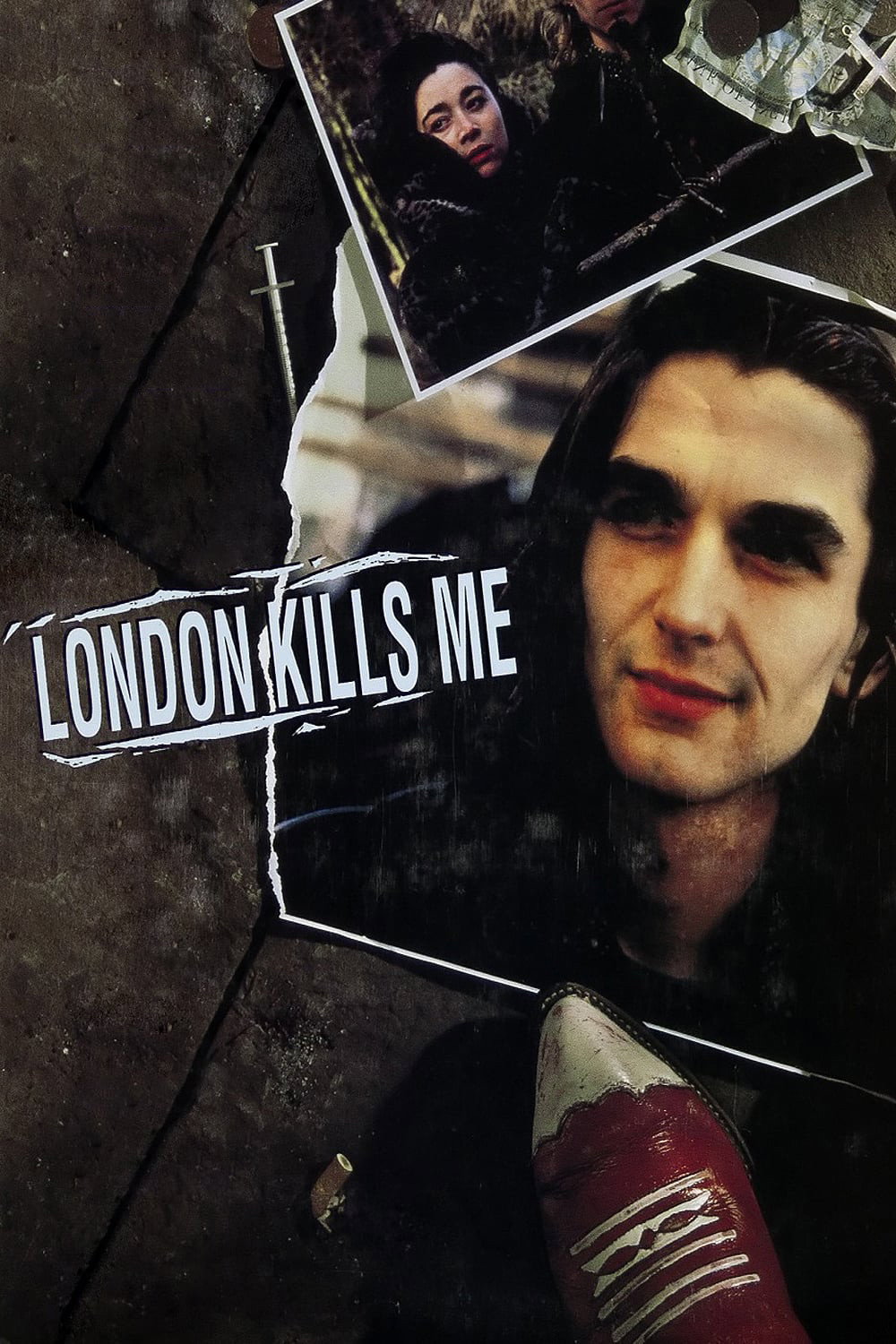
London Kills Me (1991) [Movie] TMDB WikiData IMDb
London Kills Me
other title: London schafft alle / 奪命倫敦
For want of a nail a shoe was lost, for want of a shoe... a young man's life is almost lost, which is exactly what this film is all about: a man barely twenty who wants desperately to pull out of London's drug world by taking a job as a waiter in a 'normal' restaurant. But to do this he must come up with a "sensible" pair of shoes, an item that his homeless meanderings hasn't provided him.
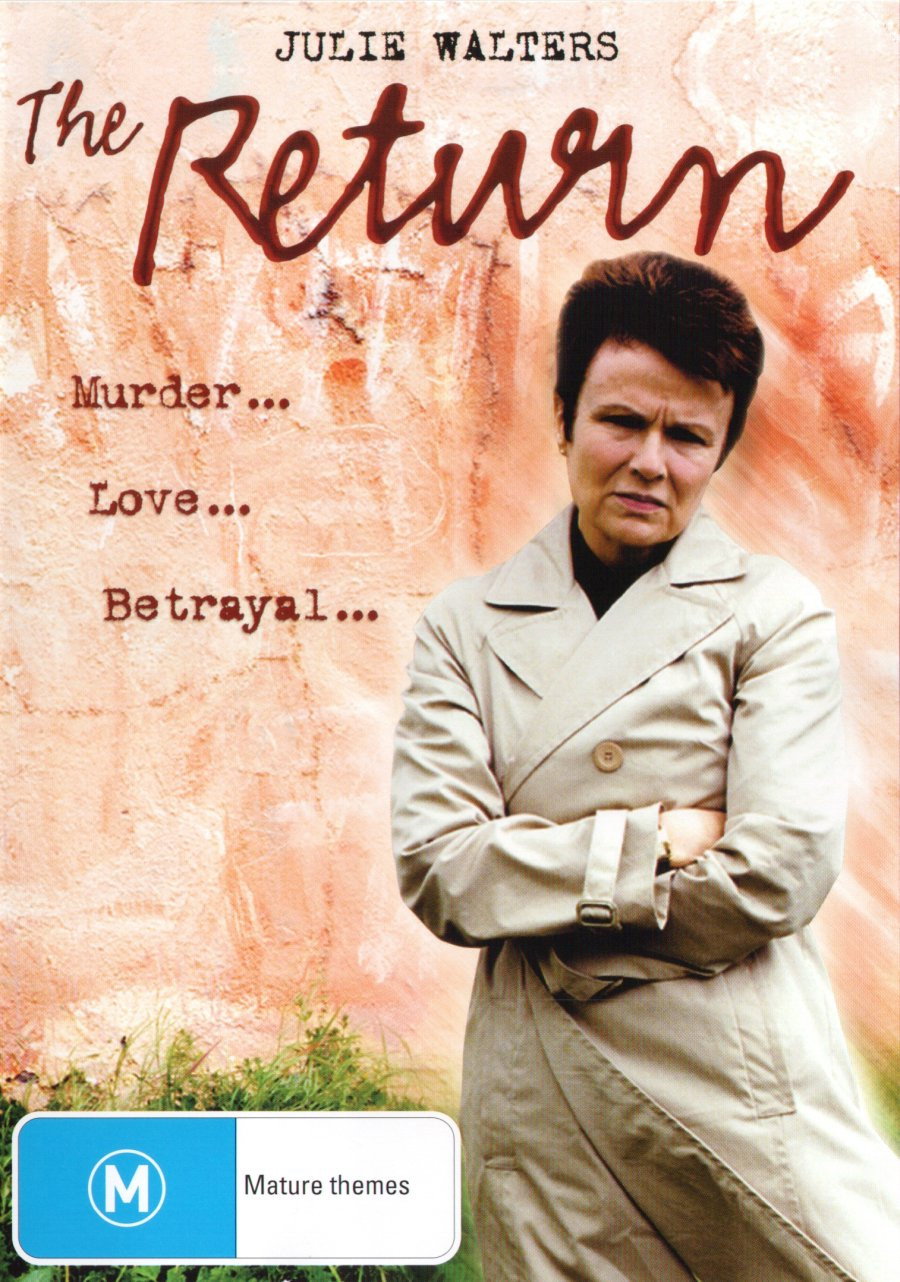
Hughie Green, Most Sincerely (2008) [Movie] Eggplant.place IMDb TMDB
Hughie Green, Most Sincerely
director: Daniel Percival actor: Trevor Eve / Kim Thomson
Drama about the secret life of Opportunity Knocks and Double Your Money presenter Hughie Green, based on the inside story from his family, friends and peers. It tells of the destructive power of success and celebrity from Green's earliest days as a child star, and explores what family and fatherhood meant to this iconic character, who harboured an explosive secret that would rock the entertainment world after his death in 1997.
Hatfields & McCoys (2012) [TV] TMDB IMDb WikiData
Hatfields & McCoys
8.6 (27 ratings) director: Ted Mann actor: 凯文·科斯特纳 / 比尔·帕克斯顿
other title: 햇필드 & 맥코이 / Hatfields e McCoys
It’s the true American story of a legendary family feud—one that spanned decades and nearly launched a war between Kentucky and West Virginia. The Hatfield-McCoy saga begins with Devil Anse Hatfield and Randall McCoy.. Close friends and comrades until near the end of the Civil War, they return to their neighboring homes—Hatfield in West Virginia, McCoy just across the Tug River border in Kentucky—to increasing tensions, misunderstandings and resentments that soon explode into all-out warfare between their families. As hostilities grow, friends, neighbors and outside forces join the fight, bringing the two states to the brink of another civil war.
No Man's Land 2008年版 [Performance] Douban
part of Performance: No Man's Land
theater: Gate Theatre director: Rupert Goold
other title: 2008年版 playwright: Harold Pinter actor: David Bradley / Michael Gambon
The first act opens with Hirst's offering a drink to Spooner: "As it is?" – that is, neat (UK) or straight (U.S.) – and Spooner's reply: "As it is, yes please, absolutely as it is" (15). During the first act, Spooner claims to be a fellow poet and to have known his more illustrious literary host and mutual acquaintances and relationships in the past. Toward the end of act one, Hirst's keepers (quasi-body guards) "vagabond cock" Foster and Briggs seek to fend off the self-insinuating Spooner, leading Hirst "out of the room (52) and away from him. The act ends with a "Blackout" – visually demonstrating Foster's taunt: "Listen. You know what it's like when you're in a room with the light on and then suddenly the light goes out? I'll show you. It's like this. ... He turns the light out" (53).
During Act Two, in his increasingly inebriated state, Hirst may mistake or feign recognition of Spooner as an Oxbridge classmate from the 1930s, an apparently false impression which Spooner nevertheless encourages (68–78), leading both of them into a series of increasingly questionable reminiscences, which Hirst finally and abruptly undercuts: "This is outrageous! Who are you? What are you doing in my house?" going on to accuse Spooner of being an impostor: "You are clearly a lout. The Charles Wetherby I knew was a gentleman. I see a figure reduced. I am sorry for you. Where is the moral ardour that sustained you once? Gone down the hatch." – allusively and both wistfully and comically combining the clichés "Gone with the wind" and "Down the hatch," after which, Briggs "enters, pours whisky and soda, gives it to" Hirst, who "looks at it" and then says, "Down the hatch. Right down the hatch. (He drinks.)" (78). Hirst proclaims, "Let us change the subject. Pause. For the last time." (91), but immediately asks, "What have I said?" That leads the characters to debate what Hirst's phrase for the last time precisely "means" (91–94), leaving all of them, according to Spooner, "in no man's land. Which never moves, which never changes, which never grows older, but which remains forever icy and silent." Following the illustrative "Silence", Hirst utters the play's final words and provides its final action: "I'll drink to that" (95): "He drinks," paralleling the opening words of the first act ("As it comes?"), and the play ends, ambiguously, with a "SLOW FADE" of lights (95).