Martin Asphaug — Director (5)
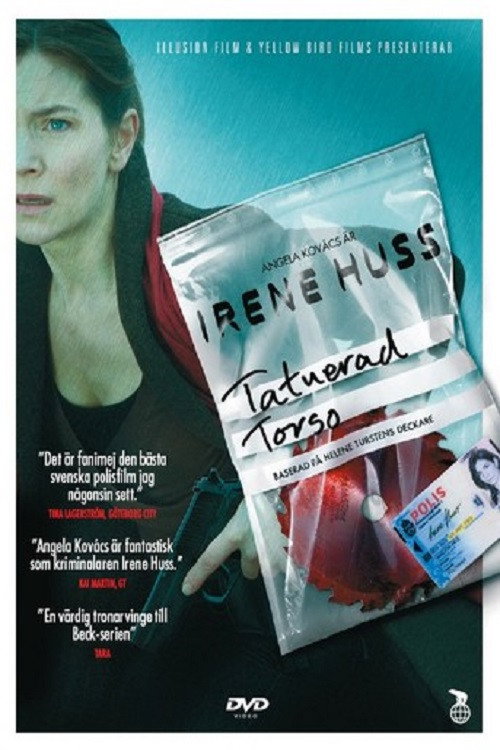
Irene Huss 1: The Torso (2007) [Movie] TMDB IMDb WikiData
Irene Huss 1: Tatuerad torso
other title: Irene Huss, Kripo Göteborg - Der tätowierte Torso / Irene Huss 1: Tatuerad torso
On a beach in Gothenburg found parts of a dismembered man's body. The only thing that is going on, a tattoo on the torso. Irene Huss finds similar previous cases that will take her to Copenhagen, where she is forced to look for a friend's daughter who disappeared. Likfyndet will be the prelude to more nasty murders that lead Irene to Copenhagen's underworld.

Kim Novak Never Swam in Genesaret's Lake (2005) [Movie] TMDB IMDb WikiData
Kim Novak badade aldrig i Genesarets sjö
other title: Kim Novak badete nie im See von Genezareth / Kim Novak nunca estuvo aquí
14-year old Erik gets sent to live with his older brother, Henry, during the summer as his mother is dying in cancer. Henry starts dating Ewa, who is married to Berra. A few days after Ewa shows up battered and bruised from an altercation with Berra, he is found dead on a nearby parking lot.
Andreaskorset (2004) [Movie] Douban
Andreaskorset
director: Martin Asphaug actor: 斯荣德·福斯·奥瓦格 / Stine Varvin
other title: 瓶子里的火车 / Train In A Bottle
Andreas has everything a man can wish for. A wonderfull wife, a big house on the country and a great job. But a sudden car accident puts him in a wheelchair. He is paralysed in his legs and he is also now impotent. Will his marriage work?
Most people live in China (2002) [Movie] Douban IMDb WikiData TMDB
Folk flest bor i Kina
7.4 (7 ratings) director: Sara Johnsen / Magnus Martens actor: Trond Høvik / Marit Pia Jacobsen
other title: 大多数人生活在中国 / Folk flest bor i Kina
The movie is a collection of eight loosely connected episodes. Each one is dedicated to a norwegian party. Nine directors worked together in the production, yet in my opinion, the integration of the different stories worked better here than it did in similar attempts, for example "Four Rooms".
I am not at all familiar with norwegian politics, but the characterisations of parties are applicable to other countries just as well. The observations on political movements are accurate and they are presented in a very pleasant sarcastic manner.
Surely there are some norwegian specialties, and I certainly missed some of the humour, but even if stripped off any political meaning, the stories are funny and well-told.