
Modern Tibetan Studies
5 books
Politics, sociology, history and gender realtions.

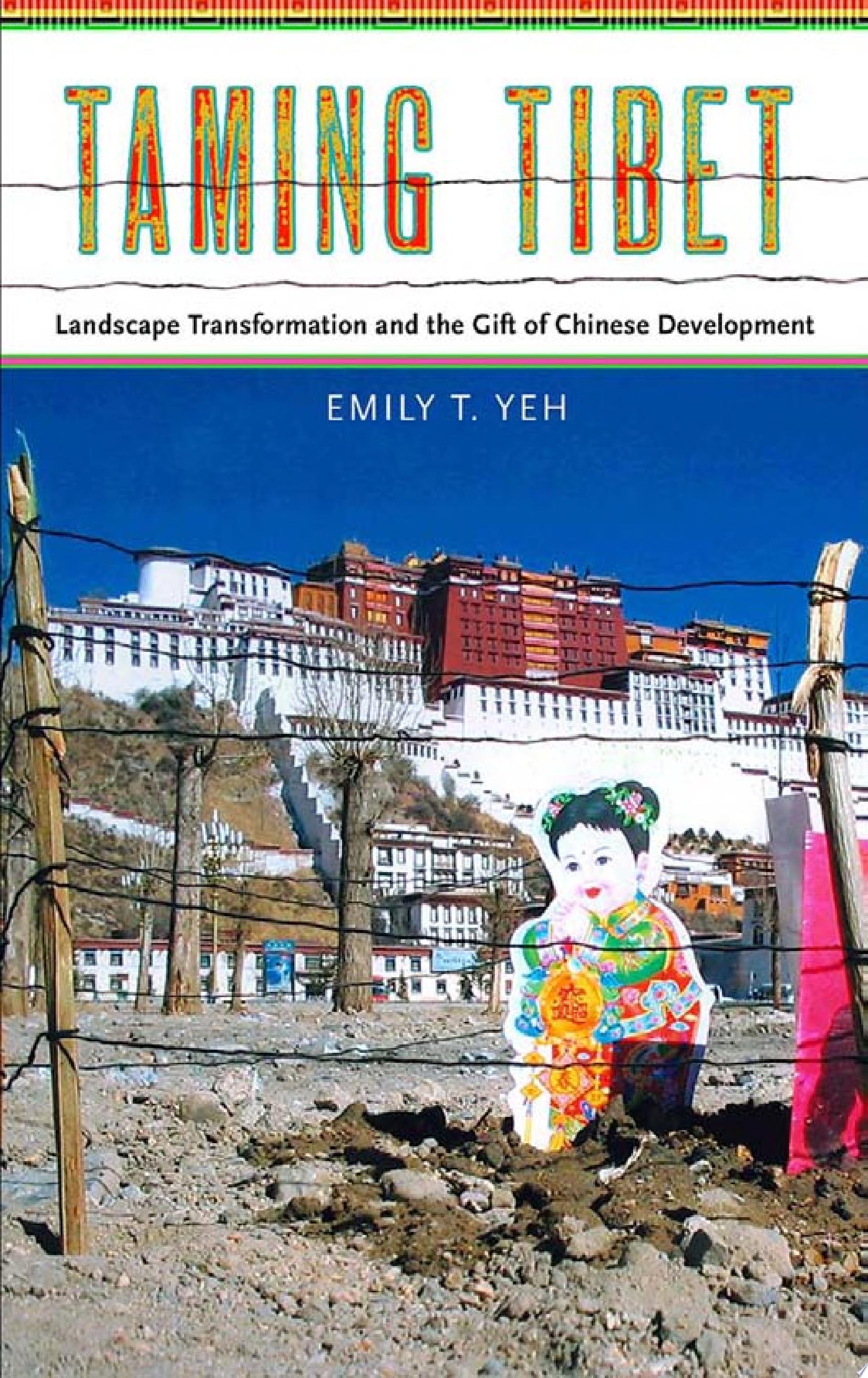
Taming Tibet [Book] Google Books
author:
Emily T. Yeh
publishing house:
Cornell University Press
2013
- 10
The violent protests in Lhasa in 2008 against Chinese rule were met by disbelief and anger on the part of Chinese citizens and state authorities, perplexed by Tibetans’ apparent ingratitude for the generous provision of development. In Taming Tibet, Emily T. Yeh examines how Chinese development projects in Tibet served to consolidate state space and power. Drawing on sixteen months of ethnographic fieldwork between 2000 and 2009, Yeh traces how the transformation of the material landscape of Tibet between the 1950s and the first decade of the twenty-first century has often been enacted through the labor of Tibetans themselves. Focusing on Lhasa, Yeh shows how attempts to foster and improve Tibetan livelihoods through the expansion of markets and the subsidized building of new houses, the control over movement and space, and the education of Tibetan desires for development have worked together at different times and how they are experienced in everyday life.The master narrative of the PRC stresses generosity: the state and Han migrants selflessly provide development to the supposedly backward Tibetans, raising the living standards of the Han’s “little brothers.” Arguing that development is in this context a form of “indebtedness engineering,” Yeh depicts development as a hegemonic project that simultaneously recruits Tibetans to participate in their own marginalization while entrapping them in gratitude to the Chinese state. The resulting transformations of the material landscape advance the project of state territorialization. Exploring the complexity of the Tibetan response to—and negotiations with—development, Taming Tibet focuses on three key aspects of China’s modernization: agrarian change, Chinese migration, and urbanization. Yeh presents a wealth of ethnographic data and suggests fresh approaches that illuminate the Tibet Question.
一位藏族革命家 [Book] Douban
8.2 (8 ratings)
author:
梅·戈尔斯坦
/
道帷喜饶
translator:
黄潇潇
publishing house:
香港大学出版社
2011
本书是平措汪杰(Phunwang)的政治自传。平措汪杰是20世纪西藏革命的重要人物,早在求学时,他的激进主义已经蕴酿,并创立了一个秘密的西藏共产党。1949年,他的西藏共产党与毛泽东的中国共产党合并。平措汪杰在拉萨共产党的行政体制上扮演了重要的角色;1954至1955年间,在年轻的达赖喇嘛与毛泽东多次著名的会面中,平措汪杰担任达赖的翻译员。50年代时期,平措汪杰是西藏共产党内级别最高的藏族官员。他能操说流利的中文,并专心致力于共产党的事务,虽然如此,他对西藏人民生活福利的坚贞承诺,却为大权在握的汉族同事所见疑。1958年,他被秘密关押,3年后,他被监禁在中央高级干部隔离反省所,刑期长达十八年。
作者通过平措汪杰亲自陈述,把达赖喇嘛、国民政府和中华人民共和国之间的关系活灵活现的描绘出来,并展现了他一生寻求新西藏的风风雨雨。
作者通过平措汪杰亲自陈述,把达赖喇嘛、国民政府和中华人民共和国之间的关系活灵活现的描绘出来,并展现了他一生寻求新西藏的风风雨雨。
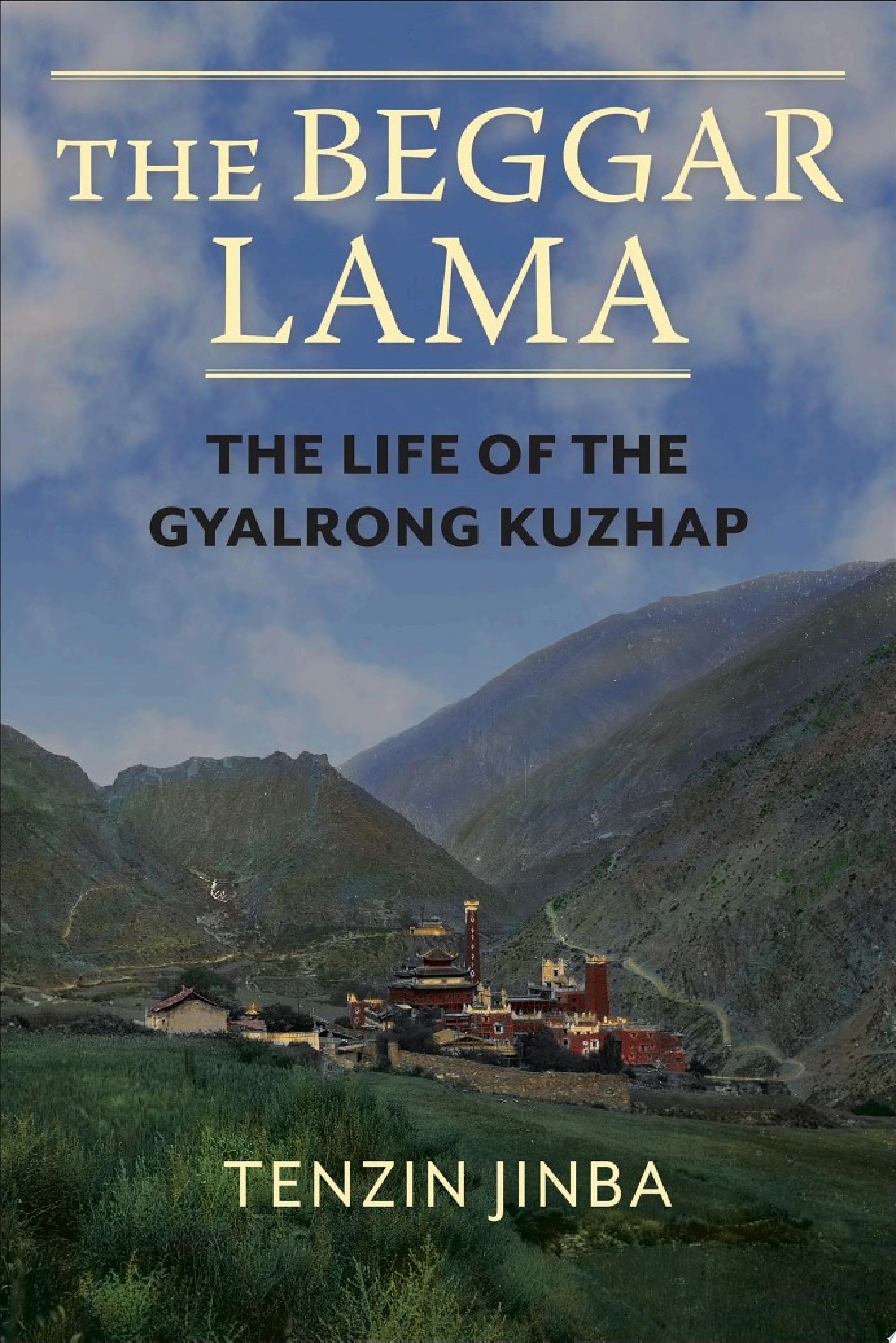
The Beggar Lama [Book] Google Books
author:
Tenzin Jinba
publishing house:
Columbia University Press
2023
- 10
The Beggar Lama is the story of the Gyalrong Kuzhap, a Tibetan Buddhist polymath and reincarnated lama who has led a remarkable life through the vicissitudes of the twentieth century. Born in 1930 in Tsanlha, Gyalrong, on the easternmost fringes of the Himalayan-Tibetan Plateau, he would go on to become a monk, a Communist official, a professor of Tibetan studies, and a leader in the Tibetan cultural survival movement in China.
Drawing on hundreds of hours of in-depth and open-ended conversations over more than a decade, Tenzin Jinba presents the Gyalrong Kuzhap’s life story. The Beggar Lama chronicles his journeys—from Gyalrong to Lhasa, from steadfast Communist to critic of the Chinese regime, from scholar to activist—painting a compelling portrait of an influential and unconventional figure. In so doing, the book shows how the Gyalrong Kuzhap’s tale intertwines with larger social and political developments, providing a wide-ranging history of Tibet, the Sino-Tibetan borderlands, and China over the past century.
The Beggar Lama shares the Gyalrong Kuzhap’s insightful and often critical views on Tibetan cultural and religious institutions, the Chinese Communist Party’s social and political agendas, Tibetan studies in China, and the prospects for Tibetan cultural rebirth. Above all, it is a story of hope in dark times, as the Gyalrong Kuzhap seeks with his “last breath” to prevent Tibetan culture and memory from vanishing.
Drawing on hundreds of hours of in-depth and open-ended conversations over more than a decade, Tenzin Jinba presents the Gyalrong Kuzhap’s life story. The Beggar Lama chronicles his journeys—from Gyalrong to Lhasa, from steadfast Communist to critic of the Chinese regime, from scholar to activist—painting a compelling portrait of an influential and unconventional figure. In so doing, the book shows how the Gyalrong Kuzhap’s tale intertwines with larger social and political developments, providing a wide-ranging history of Tibet, the Sino-Tibetan borderlands, and China over the past century.
The Beggar Lama shares the Gyalrong Kuzhap’s insightful and often critical views on Tibetan cultural and religious institutions, the Chinese Communist Party’s social and political agendas, Tibetan studies in China, and the prospects for Tibetan cultural rebirth. Above all, it is a story of hope in dark times, as the Gyalrong Kuzhap seeks with his “last breath” to prevent Tibetan culture and memory from vanishing.
The Chinese Revolution on the Tibetan Frontier [Book] Google Books
author:
Benno Weiner
publishing house:
Cornell University Press
2020
- 06
In The Chinese Revolution on the Tibetan Frontier, Benno Weiner provides the first in-depth study of an ethnic minority region during the first decade of the People's Republic of China: the Amdo region in the Sino-Tibetan borderland. Employing previously inaccessible local archives as well as other rare primary sources, he demonstrates that the Communist Party's goal in 1950s Amdo was not just state-building but also nation-building. Such an objective required the construction of narratives and policies capable of convincing Tibetans of their membership in a wider political community.As Weiner shows, however, early efforts to gradually and organically transform a vast multiethnic empire into a singular nation-state lost out to a revolutionary impatience, demanding more immediate paths to national integration and socialist transformation. This led in 1958 to communization, then to large-scale rebellion and its brutal pacification. Rather than joining voluntarily, Amdo was integrated through the widespread, often indiscriminate use of violence, a violence that lingers in the living memory of Amdo Tibetans and others.