
读过 Apple in China 🌕🌕🌕🌑🌑
苹果刚到中国落地各种水土不服那里还稍有点意思,大多数部分有些流水账了,尤其一开始讲苹果前期历史那里无聊得我都快弃了,后面的 pivot 波澜壮阔时代感也完全没写出来。作者自身的观点直到 epilogue 才出现,且明明自己能念正文却找别人而且听得出几章之间语调差别就很违和。一开始纳闷为啥这种书会被豆瓣和谐掉,听了几分钟立刻明白,一上来就是习近平指挥党媒对苹果发出不实指控要求优待中国顾客来彰显实力这事能说吗 lol 但其实不看表面看实质全书主治根本就是 China No.1 美国授人以渔之后现在工业化不行毫无还手之力。如果正文还不够明显的话结语里也是说得很清楚了。贵党对这种低级黑高级红也不放行真是对国民阅读能力没信心啊。
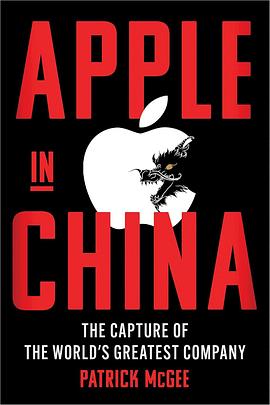
Apple in China [Book] Douban Goodreads Skybridge
8.4 (7 ratings)
author:
Patrick McGee
publishing house:
Scribner
2025
- 5
other title:
Apple in China: The Capture of the World's Greatest Company
Apple isn’t just a brand; it’s the world’s most valuable company and creator of the 21st century’s defining product. The iPhone has revolutionized the way we live, work, and connect. But Apple is now a victim of its own success, caught in the middle of a new Cold War between two superpowers.
On the brink of bankruptcy in 1996, Apple made a strategic move to offshore its operations. By 2003 it was being lured to China by the promise of affordable labor that allowed the company to churn out premium products at an unprecedented scale. For years, the Silicon Valley giant sent thousands of America’s top engineers to China and spent tens of billions of dollars on equipment, spurring the transformation of a cheap labor country into the world’s most sophisticated electronics manufacturing powerhouse. Fast forward to today: 90% of iPhone assembly happens in China. Despite capturing less than 20% of the global smartphone market, Apple’s operations allow it to rake in 80% of the sector’s profits.
Yet Beijing has tightened its grip, incentivizing Apple to work with more Chinese companies in its production, exerting control over what Chinese users can do on the iPhone, and requiring customer data for its citizens to be stored in state-backed data centers. The visionary company that Steve Jobs dreamed of finds itself in a tight spot. No other nation can match China’s quality, volumes, and flexibility as a producer of nearly half a billion iGadgets yearly, and Apple isn’t keen to abandon a market where it generates more profit than even China’s own tech giants.
Investigative journalist Patrick McGee draws on 200 interviews with former Apple executives and engineers to reveal how Cupertino’s choice to anchor its supply chain in China has increasingly made it vulnerable to the regime’s whims. Both an insider’s historical account and a cautionary tale, Apple in China is the first history of Apple to go beyond the biographies of its top executives and set the iPhone’s global domination within an increasingly fraught geopolitical context.
On the brink of bankruptcy in 1996, Apple made a strategic move to offshore its operations. By 2003 it was being lured to China by the promise of affordable labor that allowed the company to churn out premium products at an unprecedented scale. For years, the Silicon Valley giant sent thousands of America’s top engineers to China and spent tens of billions of dollars on equipment, spurring the transformation of a cheap labor country into the world’s most sophisticated electronics manufacturing powerhouse. Fast forward to today: 90% of iPhone assembly happens in China. Despite capturing less than 20% of the global smartphone market, Apple’s operations allow it to rake in 80% of the sector’s profits.
Yet Beijing has tightened its grip, incentivizing Apple to work with more Chinese companies in its production, exerting control over what Chinese users can do on the iPhone, and requiring customer data for its citizens to be stored in state-backed data centers. The visionary company that Steve Jobs dreamed of finds itself in a tight spot. No other nation can match China’s quality, volumes, and flexibility as a producer of nearly half a billion iGadgets yearly, and Apple isn’t keen to abandon a market where it generates more profit than even China’s own tech giants.
Investigative journalist Patrick McGee draws on 200 interviews with former Apple executives and engineers to reveal how Cupertino’s choice to anchor its supply chain in China has increasingly made it vulnerable to the regime’s whims. Both an insider’s historical account and a cautionary tale, Apple in China is the first history of Apple to go beyond the biographies of its top executives and set the iPhone’s global domination within an increasingly fraught geopolitical context.