毛泽东 — 作者 (8)
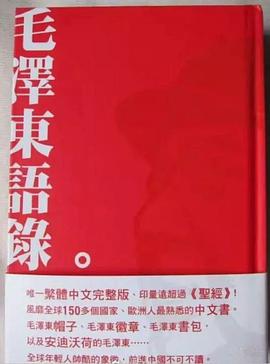
毛澤東語錄 [图书] 豆瓣
作者: 毛澤東 出版社: 東觀國際文化股份有限公司 2005 - 9
史上最暢銷的書籍是什麼?多半愛書的人都知道,是《聖經》這本書。然而,在二十世紀的某一段時間裡,它卻曾經被某個中國人的著作給打敗,拱手讓出衛冕者寶座,關於這點,知道的人或許就不多了。這個中國人,不是別人,就是“引無數英雄競折腰”的毛澤東──毛主席先生。據估計,在文化大革命期間,小紅書《毛澤東語錄》每年的印量遠遠超過《聖經》!
你不能忽視的《毛語錄》
《毛澤東語錄》其實深深地影響了中國人民,即使改革開放至今《毛澤東語錄》的影響力,還是透過了當年狂熱的革命青年,變身成為今日中國社會中堅,不斷地綻放出異色光芒,在今日已被資本主義包圍、中國成為全世界工廠之際,《毛澤東語錄》的精神仍然普遍地存在與中國大地。
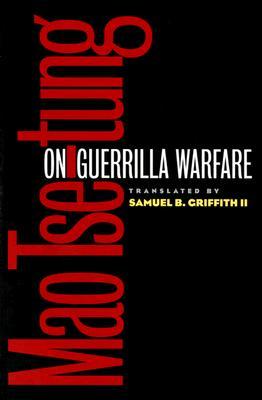
On Guerrilla Warfare [图书] Goodreads
On Guerrilla Warfare
作者: Mao Zedong 译者: Samuel Blair Griffith II 出版社: University of Illinois Press 2000 - 9
One of the most influential documents of our time, Mao Tse-tung's pamphlet on guerrilla warfare has become the basic textbook for waging revolution in underdeveloped and emergent areas throughout the world.
Recognizing the fundamental disparity between agrarian and urban societies, Mao advocated unorthodox strategies that converted deficits into advantages: using intelligence provided by the sympathetic peasant population; substituting deception, mobility, and surprise for superior firepower; using retreat as an offensive move; and educating the inhabitants on the ideological basis of the struggle. This radical new approach to warfare, waged in jungles and mountains by mobile guerrilla bands closely supported by local inhabitants, has been adopted by other revolutionary leaders from Ho Chi Minh to Che Guevara.
Mao wrote
in 1937 while in retreat after ten years of battling the Nationalist army of Chiang Kai-shek. Twelve years later, the Nationalist Chinese were rousted from the mainland, and Mao consolidated his control of a new nation, having put his theories of revolutionary guerrilla warfare to the test.
Established governments have slowly come to recognize the need to understand and devise means to counter this new method of warfare. Samuel B. Griffith's classic translation makes Mao's treatise widely available and includes a comprehensive introduction that profiles Mao, analyzes the nature and conduct of guerrilla warfare, and considers its implications for American policy.
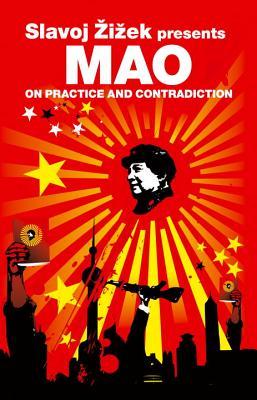
On Practice and Contradiction [图书] 豆瓣 Goodreads
On Practice/On Contradiction
作者: Mao Zedong 出版社: Verso 2007 - 1
These early philosophical writings underpinned the Chinese revolutions, and their clarion calls to insurrection remain some of the most stirring of all time. Drawing on a dizzying array of references from contemporary culture and politics, Žižek’s firecracker commentary reaches unsettling conclusions about the place of Mao’s thought in the revolutionary canon.
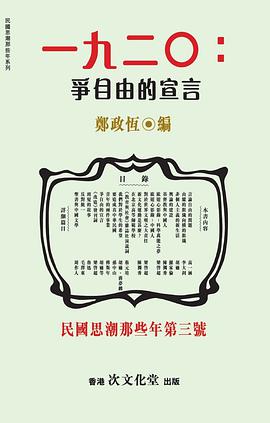
1920:爭自由的宣言 [图书] 豆瓣
作者: 鄭政恆 / 高一涵 出版社: 次文化堂 2019 - 11
1919年的五四運動以後,刊物湧現,但不少刊物也遭封禁,爭取自由成為1020年的思想焦點之一。
由於言論界受到壓制。高一涵在《言論自由的問題》一文,要求取消《報紙條例》、《出版法》和《戒嚴法》。
1920年8月1日,胡適、蔣夢麟、陶履恭、王徵、張祖慰、李大釗、高一涵聯名在《晨報》刊登《爭自由的宣言》,消極方面爭取廢止《治安警察條例》、《出版法》、《報紙條例》、《管理印刷業條例》,積極方面爭取言論自由、出版自由、集會結社自由、書信秘密自由。
胡適在1920年初寫《非個人主義的新生活》,明確反對獨善的個人主義和周作人引介的日本新村運動。
張東蓀、梁啟超、張鈞勱等創辦的半月刊《解放與改造》,改名為《改造》,梁啟超寫〈《改造》發刊詞〉,提出《改造》的精神宣言和十四點公共信條,傾向地方自治、消極自衛主義、強迫教育、無限制輸入思想等等。
北大校長蔡元培的〈在北京高等師範學校《教育與社會》雜誌社演說詞〉,探討改造教育去改造社會,養成健全人格,提倡共和精神,發展個性,涵養同情心等教育方面的重點。
魯迅在1920年寫了小說《頭髮的故事》,小說主要是知識份子N的獨白,從頭髮與辮子談到中國人的吃苦、受難、滅亡。聽著N的獨白,可感知中國人的悲哀和苦無出路。
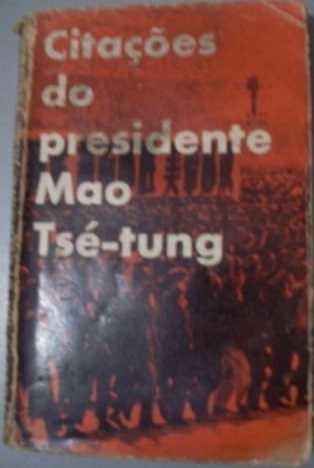
Citações do presidente mao tsé-tung [图书] Eggplant.place Goodreads
作者: Mao Zedong / Clecy Ribeiro 出版社: José Álvaro 1967 - 1
No ISBN
Quotations from Chairman Mao Zedong (simplified Chinese: 毛主席语录; pinyin: Máo zhǔxí yǔlù) has been published by the People's Republic of China since April '64. It is a collection of quotations excerpted from speeches & publications. The alternative "The Little Red Book" was coined by the West for a pocket-sized edition printed to facilitate easy carrying. The closest equivalent in Chinese is 红宝书 (hóng bǎoshū), lit. "The Red Treasured Book", a term popular during the Cultural Revolution. "Little Red Book" in Chinese is 小红书 (xiăo hóngshū).
The copies in print exceed 900 million. The book's phenomenal popularity is due to it being an unofficial requirement for every Chinese citizen to own, read & carry it during the Cultural Revolution. At the height of the period, for people out of party favor, the punishment for failing to produce the book upon being asked would range from being beaten on the spot by Red Guards to being jailed.
During the Cultural Revolution, studying the book was required in schools & often workplaces as well. All units, in the industrial, commercial, agricultural, civil service & military sectors, organized group sessions for all to study the book during working hours. Quotes from Mao were either bold-faced or highlighted in red.
To defend against claims it was counter-productive, it was argued that understanding Mao brought enlightenment to work units, resulting in production improvements offsetting lost time.
In the '60s, the book was the single most visible icon in mainland China, In posters & pictures created by propaganda artists, nearly every painted character, except Mao himself, either smiling or looking determined, was seen with the book in hand.
After the end of the Cultural Revolution in '76 & the rise of Deng Xiaoping in '78, the importance of the book waned. Mao glorification was considered to be left deviationist personality cultism.
Quotations from Chairman Mao comprises 427 quotations in 33 thematic chapters. The quotations range in length from a sentence to a few short paragraphs, borrowing from a group of about two dozen documents in the four volumes of his Selected Works. In its latter half, a strong empiricist tendency is evidenced. Usually the quotations are arranged logically, to deal with one to three themes in the development of a chapter.