Александр Володин — 编剧 (3)
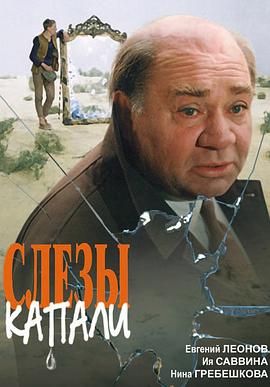
昔淚流 (1982) [电影] 豆瓣
Слёзы капали
导演: 格奥尔基·达涅利亚 演员: Evgeni Leonov / Iya Savvina
其它标题: Слёзы капали
We pick up the story on our main character's bus ride home. He sits alone, looking content, trying to pass the time. Then, something seems to get in his eye, because he rubs it and then closes the buses window. Something changes about him. He looks around and feels a strange disgust in the bus filled with quiet strangers also trying to get home and minding their own business. Pavel-Ivanovich is so disgusted that he gets off the bus several stops before his home and walks, arriving at dark. From here his story begins, and we go along for his sad ride. From that evening on he sees only sadness and wrong in everything. He can't respond to kindness, and scolds those closest to him. He offends everyone. At his work he tries to go against as many people as possible, and hurt ordinary citizens too. He also feels that everyone is against him. His condition seems to worsen. How will all this end. Sure this can't be the end for Pavel-Ivanovich, a good man somewhere deep inside.
The brilliance of this film lies in the main character's deep state of mind. His suffering. The fact that he hurts everyone around him, feels horrible about it but still does it until he almost loses everything. If you like film's where you feel that you can relate or feel the character's emotions, you might like this film. An incredible pressure is built up throughout the film, and the last scene, for me at least, magically lifts it, if only for a couple of seconds.
This is a strange film, and I don't say that a lot. It is very hard to describe, but the main elements that drive the feel of this film are the main character's state of mind and the music (more than half of the film has incredible original music playing in the background). Daneliya's films have incredible music like in Autumn Marathon, Kin-Dza-Dza, and Thirty-Three. Daneliyaa was into jazz and played drums in a band way back before he started making film so his films are very rich in music. Also this film is sad, but is also a comedy. All these elements mix to make an incredible movie
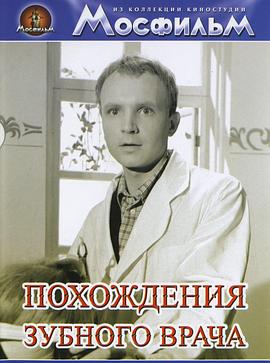
牙医的奇遇 (1965) [电影] 豆瓣 Eggplant.place IMDb 维基数据 TMDB
Похождения зубного врача
导演: 依莱姆·克里莫夫 演员: 安德烈·米亚赫科夫 / Vera Vasilyeva
其它标题: Похождения зубного врача / Pokhozhdeniya zubnogo vracha
This is story about a dentist with the talent of painlessly extracting teeth, and what happens to him as a result of being naturally good at his job. It is told with humour (much of it quite subtle, almost surreal, and in the background - imagine a street scene where everyone on the sidewalk on one side of the road walks in just one direction, and on the other side in the other), poignancy, and a frequent breaking of the 4th wall between the movie and the audience (think of what happens in Shakespeare's plays, and you'll be close). It also features some songs by Novella Matveyeva, a famous Russian singer-songwriter (her songs are sung by the leading actress).
寻求欢乐·二十一世纪 [演出] 豆瓣
В поисках радости. Век ХХI
类型: theater 编剧: Aleksandr Volodin / Victor Rozov
其它标题: В поисках радости. Век ХХI / Finding Joy. The 21th Century 剧团: 新西伯利亚老房子剧院 剧院: 新西伯利亚老房子剧院 导演: Galina Pyanova
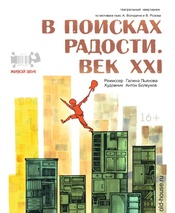
Представить театр второй половины ХХ века без пьес А. Володина и В. Розова невозможно. C их драматургией связаны истории великих театров Олега Ефремова, Анатолия Эфроса, Георгия Товстоногова.

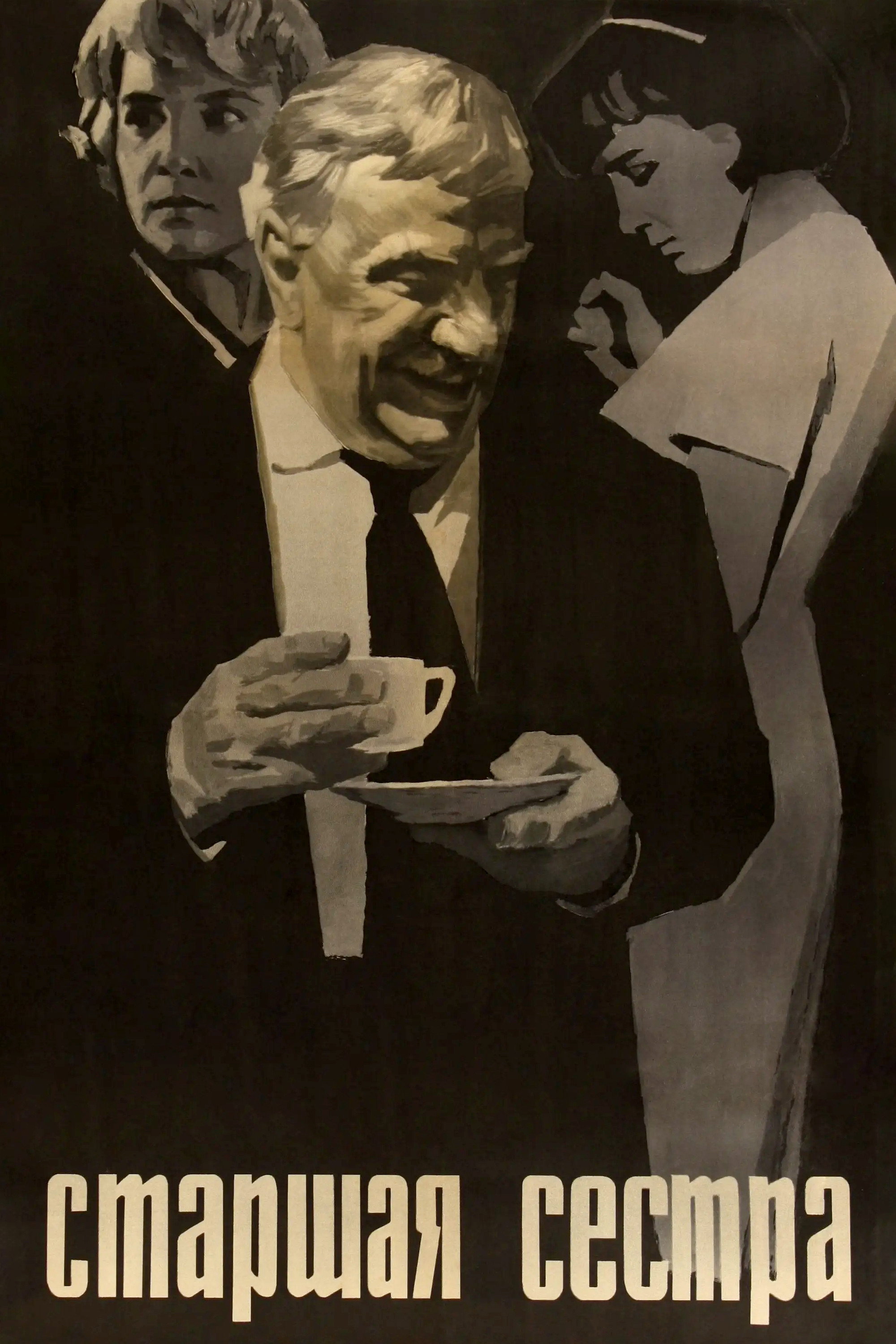
В спектакле театра «Старый дом» герои пьесы Розова «В поисках радости» и володинских «Пяти вечеров» и «Старшей сестры» становятся соседями по коммунальной квартире. Рядом с подростком Олегом и его взрослыми, серьезными и в чем-то очень прагматичными родственниками живут «володинские» сестры Надежда и Лида, у каждой из которых — своя маленькая драма. Надежде уже давно пора замуж, к ней приводят женихов, а она мечтает только о том, как стать актрисой. Лида любит Кирилла, женатого на другой. А рядом с ними герои «Пяти вечеров» проживают свои — очень разные — любовные истории: по-взрослому нежные и сентиментальные, юные, глупые, с поцелуями в подъезде и, напротив, - отчаянные и со страхом одиночества.

Но главное, что эти пьесы-легенды оказываются в особой театральной стихии: пластической, импровизационной, с ироничным актерским отстранением от своих персонажей и выходами в музыкальные монологи. Пьесы Володина и Розова стали поводом для увлекательного актерского размышления не только о том, что такое радость в нашей изменившейся современной реальности, но и том, что такое театр настроения, праздника и атмосферы сейчас, когда «пришло время прощаться с театром двадцатого века. Театр Товстоногова. «Современник». Эфрос. Таганка Любимова». Именно поэтому в спектакле «Старого дома» неожиданно рядом с героями середины ХХ века появляются в режиме живого звука кавер-версии совершенно разных по времени и стилю музыкальных композиций. Вместе с актерами музыкальный сюжет на сцене создает группа «Штрих Кот».