Leonard Mlodinow — 作者 (20)
The Grand Design [图书] 豆瓣 Goodreads
The Grand Design
《大设计》:宇宙何时并如何起始?我们为何在此?为何是有非无?何为实在本性?为何自然定律被这么精细地调谐至让我们这样的生命存在?以及最后,我们宇宙的表观“大设计”能否证实使事物运行的仁慈的造物主?科学能否提供另一种解释?有关宇宙起源以及生命本身的最基本的问题,曾经为哲学的范围,现在占据着科学家、哲学家和神学家相遇但却自说自话的领地。在霍金和蒙洛迪诺的新书中,他们以精彩简朴的非专业语言表述有关宇宙奥秘的最新的科学思考。他们在《大设计》中解释,根据量子论,宇宙不仅具有单独的存在或历史,而且同时存在每种可能的历史。把这种思想应用于宇宙整体,就对因果概念本身提出疑问。然而,霍金和蒙洛迪诺描述的“从顶到底”的宇宙学方法会说,过去没有采取确定的形式这一事实意味着,我们因观察历史而创造历史,而非历史创造我们。作者进一步解释,我们自身是宇宙极早期的量子涨落的产物,并且展现量子论如何预言“多宇宙”——该思想是说,我们的宇宙只不过是自发地从无中出现的许多宇宙中的一个,每个宇宙具有不同的自然定律。霍金和蒙洛迪诺在这过程中诘问实在的传统概念,提出“依赖模型”的实在论,这是我们能够希望找到的最佳答案。他们以对M理论的精彩评价来结束全书,M理论解释了制约我们和我们宇宙的定律,它还是完备的“万物理论”的目前可行的仅有候选者。他们写道,如果被证实的话,它将是爱因斯坦寻求的统一理论,也是人类理性的终极胜利。
这是一部简洁的惊人的附有大量插图的指南,导向正在改变我们的宇宙观并危及我们最神圣的信仰系统的一些发现。没有任何一本书像《大设计》这样信息丰富,这样刺激。
THE FIRST MAJOR WORK IN NEARLY A DECADE BY ONE OF THE WORLD’S GREAT THINKERS—A MARVELOUSLY CONCISE BOOK WITH NEW ANSWERS TO THE ULTIMATE QUESTIONS OF LIFE
When and how did the universe begin? Why are we here? Why is there something rather than nothing? What is the nature of reality? Why are the laws of nature so finely tuned as to allow for the existence of beings like ourselves? And, finally, is the apparent “grand design” of our universe evidence of a benevolent creator who set things in motion—or does science offer another explanation?
The most fundamental questions about the origins of the universe and of life itself, once the province of philosophy, now occupy the territory where scientists, philosophers, and theologians meet—if only to disagree. In their new book, Stephen Hawking and Leonard Mlodinow present the most recent scientific thinking about the mysteries of the universe, in nontechnical language marked by both brilliance and simplicity.
In The Grand Design they explain that according to quantum theory, the cosmos does not have just a single existence or history, but rather that every possible history of the universe exists simultaneously. When applied to the universe as a whole, this idea calls into question the very notion of cause and effect. But the “top-down” approach to cosmology that Hawking and
Mlodinow describe would say that the fact that the past takes no definite form means that we create history by observing it, rather than that history creates us. The authors further explain that we ourselves are the product of quantum fluctuations in the very early universe, and show how quantum theory predicts the “multiverse”—the idea that ours is just one of many universes that appeared spontaneously out of nothing, each with different laws of nature.
Along the way Hawking and Mlodinow question the conventional concept of reality, posing a “model-dependent” theory of reality as the best we can hope to find. And they conclude with a riveting assessment of M-theory, an explanation of the laws governing us and our universe that is currently the only viable candidate for a complete “theory of everything.” If confirmed, they write, it will be the unified theory that Einstein was looking for, and the ultimate triumph of human reason.
A succinct, startling, and lavishly illustrated guide to discoveries that are altering our understanding and threatening some of our most cherished belief systems, The Grand Design is a book that will inform—and provoke—like no other.
点击链接进入中文版:
大设计
这是一部简洁的惊人的附有大量插图的指南,导向正在改变我们的宇宙观并危及我们最神圣的信仰系统的一些发现。没有任何一本书像《大设计》这样信息丰富,这样刺激。
THE FIRST MAJOR WORK IN NEARLY A DECADE BY ONE OF THE WORLD’S GREAT THINKERS—A MARVELOUSLY CONCISE BOOK WITH NEW ANSWERS TO THE ULTIMATE QUESTIONS OF LIFE
When and how did the universe begin? Why are we here? Why is there something rather than nothing? What is the nature of reality? Why are the laws of nature so finely tuned as to allow for the existence of beings like ourselves? And, finally, is the apparent “grand design” of our universe evidence of a benevolent creator who set things in motion—or does science offer another explanation?
The most fundamental questions about the origins of the universe and of life itself, once the province of philosophy, now occupy the territory where scientists, philosophers, and theologians meet—if only to disagree. In their new book, Stephen Hawking and Leonard Mlodinow present the most recent scientific thinking about the mysteries of the universe, in nontechnical language marked by both brilliance and simplicity.
In The Grand Design they explain that according to quantum theory, the cosmos does not have just a single existence or history, but rather that every possible history of the universe exists simultaneously. When applied to the universe as a whole, this idea calls into question the very notion of cause and effect. But the “top-down” approach to cosmology that Hawking and
Mlodinow describe would say that the fact that the past takes no definite form means that we create history by observing it, rather than that history creates us. The authors further explain that we ourselves are the product of quantum fluctuations in the very early universe, and show how quantum theory predicts the “multiverse”—the idea that ours is just one of many universes that appeared spontaneously out of nothing, each with different laws of nature.
Along the way Hawking and Mlodinow question the conventional concept of reality, posing a “model-dependent” theory of reality as the best we can hope to find. And they conclude with a riveting assessment of M-theory, an explanation of the laws governing us and our universe that is currently the only viable candidate for a complete “theory of everything.” If confirmed, they write, it will be the unified theory that Einstein was looking for, and the ultimate triumph of human reason.
A succinct, startling, and lavishly illustrated guide to discoveries that are altering our understanding and threatening some of our most cherished belief systems, The Grand Design is a book that will inform—and provoke—like no other.
点击链接进入中文版:
大设计
The Drunkard's Walk [图书] 豆瓣 Goodreads
In this irreverent and illuminating book, acclaimed writer and scientist Leonard Mlodinow shows us how randomness, change, and probability reveal a tremendous amount about our daily lives, and how we misunderstand the significance of everything from a casual conversation to a major financial setback. As a result, successes and failures in life are often attributed to clear and obvious cases, when in actuality they are more profoundly influenced by chance.
The rise and fall of your favorite movie star of the most reviled CEO--in fact, of all our destinies--reflects as much as planning and innate abilities. Even the legendary Roger Maris, who beat Babe Ruth's single-season home run record, was in all likelihood not great but just lucky. And it might be shocking to realize that you are twice as likely to be killed in a car accident on your way to buying a lottery ticket than you are to win the lottery.
How could it have happened that a wine was given five out of five stars, the highest rating, in one journal and in another it was called the worst wine of the decade? Mlodinow vividly demonstrates how wine ratings, school grades, political polls, and many other things in daily life are less reliable than we believe. By showing us the true nature of change and revealing the psychological illusions that cause us to misjudge the world around us, Mlodinow gives fresh insight into what is really meaningful and how we can make decisions based on a deeper truth. From the classroom to the courtroom, from financial markets to supermarkets, from the doctor's office to the Oval Office, Mlodinow's insights will intrigue, awe, and inspire.
Offering readers not only a tour of randomness, chance, and probability but also a new way of looking at the world, this original, unexpected journey reminds us that much in our lives is about as predictable as the steps of a stumbling man fresh from a night at the bar.
The rise and fall of your favorite movie star of the most reviled CEO--in fact, of all our destinies--reflects as much as planning and innate abilities. Even the legendary Roger Maris, who beat Babe Ruth's single-season home run record, was in all likelihood not great but just lucky. And it might be shocking to realize that you are twice as likely to be killed in a car accident on your way to buying a lottery ticket than you are to win the lottery.
How could it have happened that a wine was given five out of five stars, the highest rating, in one journal and in another it was called the worst wine of the decade? Mlodinow vividly demonstrates how wine ratings, school grades, political polls, and many other things in daily life are less reliable than we believe. By showing us the true nature of change and revealing the psychological illusions that cause us to misjudge the world around us, Mlodinow gives fresh insight into what is really meaningful and how we can make decisions based on a deeper truth. From the classroom to the courtroom, from financial markets to supermarkets, from the doctor's office to the Oval Office, Mlodinow's insights will intrigue, awe, and inspire.
Offering readers not only a tour of randomness, chance, and probability but also a new way of looking at the world, this original, unexpected journey reminds us that much in our lives is about as predictable as the steps of a stumbling man fresh from a night at the bar.
The Upright Thinkers [图书] 豆瓣
Subliminal [图书] Goodreads 豆瓣
Leonard Mlodinow, the best-selling author of The Drunkard’s Walk and coauthor of The Grand Design (with Stephen Hawking), gives us a startling and eye-opening examination of how the unconscious mind shapes our experience of the world and how, for instance, we often misperceive our relationships with family, friends, and business associates, misunderstand the reasons for our investment decisions, and misremember important events.
Your preference in politicians, the amount you tip your waiter—all judgments and perceptions reflect the workings of our mind on two levels: the conscious, of which we are aware, and the unconscious, which is hidden from us. The latter has long been the subject of speculation, but over the past two decades researchers have developed remarkable new tools for probing the hidden, or subliminal, workings of the mind. The result of this explosion of research is a new science of the unconscious and a sea change in our understanding of how the subliminal mind affects the way we live.
Employing his trademark wit and lucid, accessible explanations of the most obscure scientific subjects, Leonard Mlodinow takes us on a tour of this research, unraveling the complexities of the subliminal self and increasing our understanding of how the human mind works and how we interact with friends, strangers, spouses, and coworkers. In the process he changes our view of ourselves and the world around us.
Your preference in politicians, the amount you tip your waiter—all judgments and perceptions reflect the workings of our mind on two levels: the conscious, of which we are aware, and the unconscious, which is hidden from us. The latter has long been the subject of speculation, but over the past two decades researchers have developed remarkable new tools for probing the hidden, or subliminal, workings of the mind. The result of this explosion of research is a new science of the unconscious and a sea change in our understanding of how the subliminal mind affects the way we live.
Employing his trademark wit and lucid, accessible explanations of the most obscure scientific subjects, Leonard Mlodinow takes us on a tour of this research, unraveling the complexities of the subliminal self and increasing our understanding of how the human mind works and how we interact with friends, strangers, spouses, and coworkers. In the process he changes our view of ourselves and the world around us.
醉漢走路 [图书] 豆瓣
Amazon 2008年暢銷書、讀者最愛科學書
紐約時報暢銷書、編輯首選
從學業到事業、到平時生活大小事,我們經常會碰到這樣的疑問:
為什麼兩篇差不多的作文,其中一篇的分數比較高?
為什麼比爾蓋茲能成功、史蒂芬金的小說會暢銷、布魯斯威利一炮而紅?
為什麼某款葡萄酒在A雜誌評鑑為五顆星,在B雜誌卻評為年度最差?
現實世界發生的許多事,都是隨機的,就像浮游在液體中的花粉微粒,
會不斷的讓一個接著一個的隨機事件推向東、推向西;
我們從校園到職場的人生歷程,
或是高爾夫球從第一洞到第十八洞的軌跡,股票市場的漲漲跌跌,都是如此。
各種出乎意外的事件遲早會發生,但終歸會到達某個位置──
這正是「醉漢走路」這個模型代表的涵義。
讀了《醉漢走路》,你會更明白隨機、機遇是怎麼一回事,
你也會重新思考「機會、命運、偶然、必然」的意義,
重新思索各種決策和結論,看穿表象、看清真相。
更重要的是,你也會知道如何提升成功的機率。
紐約時報暢銷書、編輯首選
從學業到事業、到平時生活大小事,我們經常會碰到這樣的疑問:
為什麼兩篇差不多的作文,其中一篇的分數比較高?
為什麼比爾蓋茲能成功、史蒂芬金的小說會暢銷、布魯斯威利一炮而紅?
為什麼某款葡萄酒在A雜誌評鑑為五顆星,在B雜誌卻評為年度最差?
現實世界發生的許多事,都是隨機的,就像浮游在液體中的花粉微粒,
會不斷的讓一個接著一個的隨機事件推向東、推向西;
我們從校園到職場的人生歷程,
或是高爾夫球從第一洞到第十八洞的軌跡,股票市場的漲漲跌跌,都是如此。
各種出乎意外的事件遲早會發生,但終歸會到達某個位置──
這正是「醉漢走路」這個模型代表的涵義。
讀了《醉漢走路》,你會更明白隨機、機遇是怎麼一回事,
你也會重新思考「機會、命運、偶然、必然」的意義,
重新思索各種決策和結論,看穿表象、看清真相。
更重要的是,你也會知道如何提升成功的機率。
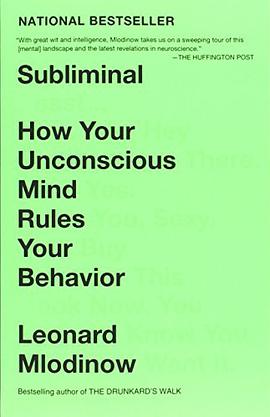
Subliminal [图书] 豆瓣
Over the past two decades of neurological research, it has become increasingly clear that the way we experience the world--our perception, behavior, memory, and social judgment--is largely driven by the mind's subliminal processes and not by the conscious ones, as we have long believed. As in the bestselling The Drunkard’s Walk: How Randomness Rules Our Lives , Leonard Mlodinow employs his signature concise, accessible explanations of the most obscure scientific subjects to unravel the complexities of the subliminal mind. In the process he shows the many ways it influences how we misperceive our relationships with family, friends, and business associates; how we misunderstand the reasons for our investment decisions; and how we misremember important events--along the way, changing our view of ourselves and the world around us.
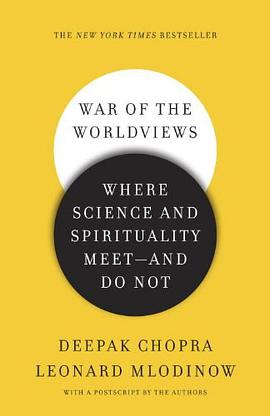
War of the Worldviews [图书] 豆瓣
作者:
Deepak Chopra
/
Leonard Mlodinow
2012
- 10
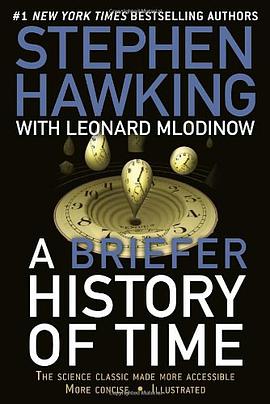
A Briefer History of Time [图书] 豆瓣
From One of the Most Brilliant Minds of Our Time
Comes a Book that Clarifies His Most Important Ideas
Stephen Hawking’s worldwide bestseller, A Brief History of Time , remains one of the landmark volumes in scientific writing of our time. But for years readers have asked for a more accessible formulation of its key concepts—the nature of space and time, the role of God in creation, and the history and future of the universe.
Professor Hawking’s response is this new work that will guide nonscientists everywhere in the ongoing search for the tantalizing secrets at the heart of time and space.…
Although “briefer,” this book is much more than a mere explanation of Hawking’s earlier work. A Briefer History of Time both clarifies and expands on the great subjects of the original, and records the latest developments in the field—from string theory to the search for a unified theory of all the forces of physics. Thirty-seven full-color illustrations enhance the text and make A Briefer History of Time an exhilarating and must-have addition in its own right to the great literature of science and ideas.
Comes a Book that Clarifies His Most Important Ideas
Stephen Hawking’s worldwide bestseller, A Brief History of Time , remains one of the landmark volumes in scientific writing of our time. But for years readers have asked for a more accessible formulation of its key concepts—the nature of space and time, the role of God in creation, and the history and future of the universe.
Professor Hawking’s response is this new work that will guide nonscientists everywhere in the ongoing search for the tantalizing secrets at the heart of time and space.…
Although “briefer,” this book is much more than a mere explanation of Hawking’s earlier work. A Briefer History of Time both clarifies and expands on the great subjects of the original, and records the latest developments in the field—from string theory to the search for a unified theory of all the forces of physics. Thirty-seven full-color illustrations enhance the text and make A Briefer History of Time an exhilarating and must-have addition in its own right to the great literature of science and ideas.
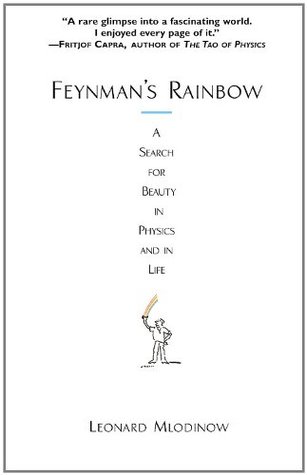
Feynman's Rainbow: A Search for Beauty in Physics and in Life [图书] Goodreads 豆瓣
As a young physicist, Leonard Mlodinow looked for guidance from his mentor, the Nobel Prize-winning physicist Richard Feynman. Drawing on transcripts from their meetings during their time together at Cal Tech, Mlodinow shares Feynman's provocative thoughts and observations. At once a moving portrait of a friendship and an affecting account of Feynman's final, creative years, this book celebrates the inspiring legacy of one of the greatest thinkers of our time.
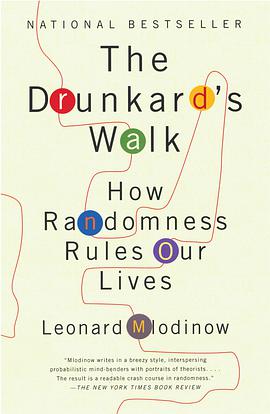
The Drunkard's Walk, How Randomness Rules Our Lives [图书] 豆瓣
With the born storyteller's command of narrative and imaginative approach, Leonard Mlodinow vividly demonstrates how our lives are profoundly informed by chance and randomness and how everything from wine ratings and corporate success to school grades and political polls are less reliable than we believe.
By showing us the true nature of chance and revealing the psychological illusions that cause us to misjudge the world around us, Mlodinow gives us the tools we need to make more informed decisions. From the classroom to the courtroom and from financial markets to supermarkets, Mlodinow's intriguing and illuminating look at how randomness, chance, and probability affect our daily lives will intrigue, awe, and inspire.
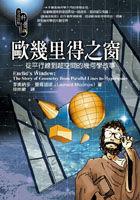
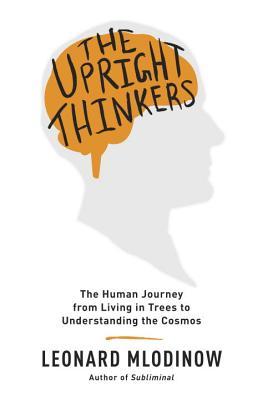
The Upright Thinkers: The Human Journey from Living in Trees to Understanding the Cosmos [图书] Goodreads
The Upright Thinkers: The Human Journey from Living in Trees to Understanding the Cosmos
A few million years ago, our ancestors came down from the trees and began to stand upright, freeing our hands to create tools and our minds to grapple with the world around us.
Leonard Mlodinow takes us on a passionate and inspiring tour through the exciting history of human progress and the key events in the development of science. In the process, he presents a fascinating new look at the unique characteristics of our species and our society that helped propel us from stone tools to written language and through the birth of chemistry, biology, and modern physics to today’s technological world.
Along the way he explores the cultural conditions that influenced scientific thought through the ages and the colorful personalities of some of the great philosophers, scientists, and thinkers: Galileo, who preferred painting and poetry to medicine and dropped out of university; Isaac Newton, who stuck needlelike bodkins into his eyes to better understand changes in light and color; and Antoine Lavoisier, who drank nothing but milk for two weeks to examine its effects on his body. Charles Darwin, Albert Einstein, Werner Heisenberg, and many lesser-known but equally brilliant minds also populate these pages, each of their stories showing how much of human achievement can be attributed to the stubborn pursuit of simple questions (why? how?), bravely asked.
is a book for science lovers and for anyone interested in creative thinking and in our ongoing quest to understand our world. At once deeply informed, accessible, and infused with the author’s trademark wit, this insightful work is a stunning tribute to humanity’s intellectual curiosity.
(With black-and-white illustrations throughout.)
Leonard Mlodinow takes us on a passionate and inspiring tour through the exciting history of human progress and the key events in the development of science. In the process, he presents a fascinating new look at the unique characteristics of our species and our society that helped propel us from stone tools to written language and through the birth of chemistry, biology, and modern physics to today’s technological world.
Along the way he explores the cultural conditions that influenced scientific thought through the ages and the colorful personalities of some of the great philosophers, scientists, and thinkers: Galileo, who preferred painting and poetry to medicine and dropped out of university; Isaac Newton, who stuck needlelike bodkins into his eyes to better understand changes in light and color; and Antoine Lavoisier, who drank nothing but milk for two weeks to examine its effects on his body. Charles Darwin, Albert Einstein, Werner Heisenberg, and many lesser-known but equally brilliant minds also populate these pages, each of their stories showing how much of human achievement can be attributed to the stubborn pursuit of simple questions (why? how?), bravely asked.
is a book for science lovers and for anyone interested in creative thinking and in our ongoing quest to understand our world. At once deeply informed, accessible, and infused with the author’s trademark wit, this insightful work is a stunning tribute to humanity’s intellectual curiosity.
(With black-and-white illustrations throughout.)
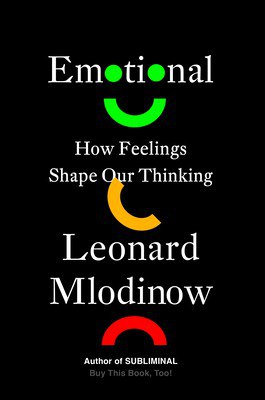
Emotional [图书] 豆瓣 谷歌图书
We’ve all been told that thinking rationally is the key to success. But at the cutting edge of science, researchers are discovering that feeling is every bit as important as thinking in this "lively exposé of the growing consensus about the limited power of rationality and decision-making" (The New York Times Book Review).
You make hundreds of decisions every day, from what to eat for breakfast to how you should invest, and not one of those decisions would be possible without emotion. It has long been said that thinking and feeling are separate and opposing forces in our behavior. But as Leonard Mlodinow, the best-selling author of Subliminal, tells us, extraordinary advances in psychology and neuroscience have proven that emotions are as critical to our well-being as thinking.
How can you connect better with others? How can you make sense of your frustration, fear, and anxiety? What can you do to live a happier life? The answers lie in understanding your emotions. Journeying from the labs of pioneering scientists to real-world scenarios that have flirted with disaster, Mlodinow shows us how our emotions can help, why they sometimes hurt, and what we can learn in both instances.
Using deep insights into our evolution and biology, Mlodinow gives us the tools to understand our emotions better and to maximize their benefits. Told with his characteristic clarity and fascinating stories, Emotional explores the new science of feelings and offers us an essential guide to making the most of one of nature’s greatest gifts.
You make hundreds of decisions every day, from what to eat for breakfast to how you should invest, and not one of those decisions would be possible without emotion. It has long been said that thinking and feeling are separate and opposing forces in our behavior. But as Leonard Mlodinow, the best-selling author of Subliminal, tells us, extraordinary advances in psychology and neuroscience have proven that emotions are as critical to our well-being as thinking.
How can you connect better with others? How can you make sense of your frustration, fear, and anxiety? What can you do to live a happier life? The answers lie in understanding your emotions. Journeying from the labs of pioneering scientists to real-world scenarios that have flirted with disaster, Mlodinow shows us how our emotions can help, why they sometimes hurt, and what we can learn in both instances.
Using deep insights into our evolution and biology, Mlodinow gives us the tools to understand our emotions better and to maximize their benefits. Told with his characteristic clarity and fascinating stories, Emotional explores the new science of feelings and offers us an essential guide to making the most of one of nature’s greatest gifts.
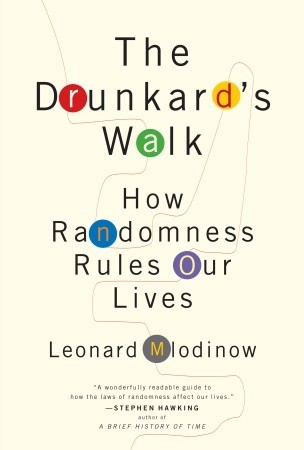
The Drunkard's Walk: How Randomness Rules Our Lives [图书]
The Drunkard's Walk: How Randomness Rules Our Lives
With the born storyteller's command of narrative and imaginative approach, Leonard Mlodinow vividly demonstrates how our lives are profoundly informed by chance and randomness and how everything from wine ratings and corporate success to school grades and political polls are less reliable than we believe.
By showing us the true nature of chance and revealing the psychological illusions that cause us to misjudge the world around us, Mlodinow gives us the tools we need to make more informed decisions. From the classroom to the courtroom and from financial markets to supermarkets, Mlodinow's intriguing and illuminating look at how randomness, chance, and probability affect our daily lives will intrigue, awe, and inspire.
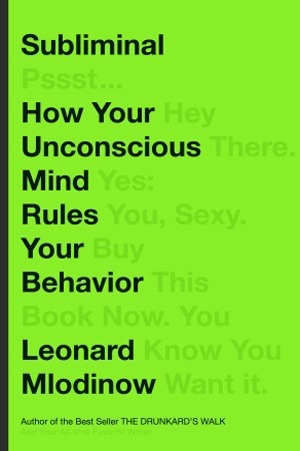
Subliminal: How Your Unconscious Mind Rules Your Behavior [图书]
Subliminal: How Your Unconscious Mind Rules Your Behavior
Leonard Mlodinow, the best-selling author of
and coauthor of
(with Stephen Hawking), gives us a startling and eye-opening examination of how the unconscious mind shapes our experience of the world and how, for instance, we often misperceive our relationships with family, friends, and business associates, misunderstand the reasons for our investment decisions, and misremember important events.
Your preference in politicians, the amount you tip your waiter—all judgments and perceptions reflect the workings of our mind on two levels: the conscious, of which we are aware, and the unconscious, which is hidden from us. The latter has long been the subject of speculation, but over the past two decades researchers have developed remarkable new tools for probing the hidden, or subliminal, workings of the mind. The result of this explosion of research is a new science of the unconscious and a sea change in our understanding of how the subliminal mind affects the way we live.
Employing his trademark wit and lucid, accessible explanations of the most obscure scientific subjects, Leonard Mlodinow takes us on a tour of this research, unraveling the complexities of the subliminal self and increasing our understanding of how the human mind works and how we interact with friends, strangers, spouses, and coworkers. In the process he changes our view of ourselves and the world around us.
and coauthor of
(with Stephen Hawking), gives us a startling and eye-opening examination of how the unconscious mind shapes our experience of the world and how, for instance, we often misperceive our relationships with family, friends, and business associates, misunderstand the reasons for our investment decisions, and misremember important events.
Your preference in politicians, the amount you tip your waiter—all judgments and perceptions reflect the workings of our mind on two levels: the conscious, of which we are aware, and the unconscious, which is hidden from us. The latter has long been the subject of speculation, but over the past two decades researchers have developed remarkable new tools for probing the hidden, or subliminal, workings of the mind. The result of this explosion of research is a new science of the unconscious and a sea change in our understanding of how the subliminal mind affects the way we live.
Employing his trademark wit and lucid, accessible explanations of the most obscure scientific subjects, Leonard Mlodinow takes us on a tour of this research, unraveling the complexities of the subliminal self and increasing our understanding of how the human mind works and how we interact with friends, strangers, spouses, and coworkers. In the process he changes our view of ourselves and the world around us.
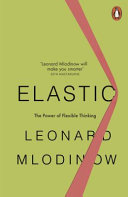
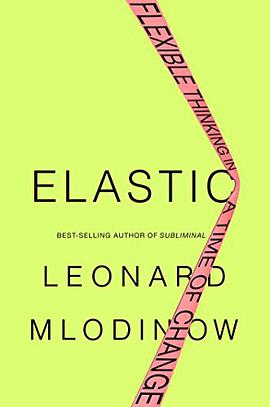
Elastic [图书] 谷歌图书
What do Pokemon Go and Mary Shelley's Frankenstein have in common? Why do some businesses survive, and others fail at the first sign of change? What gives the human brain the edge over computers?
The answer- Elastic Thinking. It's an ability we all possess, and one that we can all learn to hone in order to succeed, at work and in our everyday lives.
Here Mlodinow, whose own flexible thinking has taken him from physics professor to TV scriptwriter and bestselling author, takes us on a revelatory exploration of how elasticity works. He draws on cutting-edge neuroscience to show how, millennia ago, our brains developed an affinity for novelty. He discovers how flexible thinking enabled some of the greatest artists and innovators to create paradigm shifts. He investigates the organisations that have demonstrated an elastic ability to adapt to new technologies. And he shows you how you can test your brain power.
The answer- Elastic Thinking. It's an ability we all possess, and one that we can all learn to hone in order to succeed, at work and in our everyday lives.
Here Mlodinow, whose own flexible thinking has taken him from physics professor to TV scriptwriter and bestselling author, takes us on a revelatory exploration of how elasticity works. He draws on cutting-edge neuroscience to show how, millennia ago, our brains developed an affinity for novelty. He discovers how flexible thinking enabled some of the greatest artists and innovators to create paradigm shifts. He investigates the organisations that have demonstrated an elastic ability to adapt to new technologies. And he shows you how you can test your brain power.
Feynman's Rainbow [图书] 豆瓣
Some of the brightest minds in science have passed through the halls of the California Institute of Technology. In the early 1980s, Leonard Mlodinow joined their ranks to begin a postdoctoral fellowship. Afraid he was not smart enough to be there, despite his groundbreaking Ph.D. thesis, he took his insecurities to Richard Feynman, Caltech’s intimidating resident genius and iconoclast. So began a pivotal year in a young man’s life. Though a series of fascinating exchanges, Mlodinow and Feynman delve into the nature of science, creativity, love mathematics, happiness, God, art, pleasures and ambition, producing a moving portrait of a friendship and an affecting account of Feynman’s final creative years.
The Grand Design [图书] Goodreads
THE FIRST MAJOR WORK IN NEARLY A DECADE BY ONE OF THE WORLD’S GREAT THINKERS—A MARVELOUSLY CONCISE BOOK WITH NEW ANSWERS TO THE ULTIMATE QUESTIONS OF LIFE
When and how did the universe begin? Why are we here? Why is there something rather than nothing? What is the nature of reality? Why are the laws of nature so finely tuned as to allow for the existence of beings like ourselves? And, finally, is the apparent “grand design” of our universe evidence of a benevolent creator who set things in motion—or does science offer another explanation?
The most fundamental questions about the origins of the universe and of life itself, once the province of philosophy, now occupy the territory where scientists, philosophers, and theologians meet—if only to disagree. In their new book, Stephen Hawking and Leonard Mlodinow present the most recent scientific thinking about the mysteries of the universe, in nontechnical language marked by both brilliance and simplicity.
In The Grand Design they explain that according to quantum theory, the cosmos does not have just a single existence or history, but rather that every possible history of the universe exists simultaneously. When applied to the universe as a whole, this idea calls into question the very notion of cause and effect. But the “top-down” approach to cosmology that Hawking and
Mlodinow describe would say that the fact that the past takes no definite form means that we create history by observing it, rather than that history creates us. The authors further explain that we ourselves are the product of quantum fluctuations in the very early universe, and show how quantum theory predicts the “multiverse”—the idea that ours is just one of many universes that appeared spontaneously out of nothing, each with different laws of nature.
Along the way Hawking and Mlodinow question the conventional concept of reality, posing a “model-dependent” theory of reality as the best we can hope to find. And they conclude with a riveting assessment of M-theory, an explanation of the laws governing us and our universe that is currently the only viable candidate for a complete “theory of everything.” If confirmed, they write, it will be the unified theory that Einstein was looking for, and the ultimate triumph of human reason.
A succinct, startling, and lavishly illustrated guide to discoveries that are altering our understanding and threatening some of our most cherished belief systems, The Grand Design is a book that will inform—and provoke—like no other.
From the Hardcover edition.
When and how did the universe begin? Why are we here? Why is there something rather than nothing? What is the nature of reality? Why are the laws of nature so finely tuned as to allow for the existence of beings like ourselves? And, finally, is the apparent “grand design” of our universe evidence of a benevolent creator who set things in motion—or does science offer another explanation?
The most fundamental questions about the origins of the universe and of life itself, once the province of philosophy, now occupy the territory where scientists, philosophers, and theologians meet—if only to disagree. In their new book, Stephen Hawking and Leonard Mlodinow present the most recent scientific thinking about the mysteries of the universe, in nontechnical language marked by both brilliance and simplicity.
In The Grand Design they explain that according to quantum theory, the cosmos does not have just a single existence or history, but rather that every possible history of the universe exists simultaneously. When applied to the universe as a whole, this idea calls into question the very notion of cause and effect. But the “top-down” approach to cosmology that Hawking and
Mlodinow describe would say that the fact that the past takes no definite form means that we create history by observing it, rather than that history creates us. The authors further explain that we ourselves are the product of quantum fluctuations in the very early universe, and show how quantum theory predicts the “multiverse”—the idea that ours is just one of many universes that appeared spontaneously out of nothing, each with different laws of nature.
Along the way Hawking and Mlodinow question the conventional concept of reality, posing a “model-dependent” theory of reality as the best we can hope to find. And they conclude with a riveting assessment of M-theory, an explanation of the laws governing us and our universe that is currently the only viable candidate for a complete “theory of everything.” If confirmed, they write, it will be the unified theory that Einstein was looking for, and the ultimate triumph of human reason.
A succinct, startling, and lavishly illustrated guide to discoveries that are altering our understanding and threatening some of our most cherished belief systems, The Grand Design is a book that will inform—and provoke—like no other.
From the Hardcover edition.